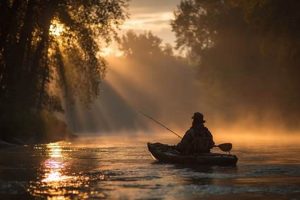
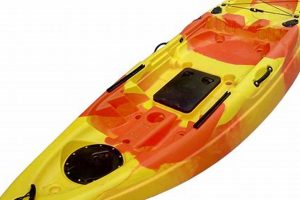
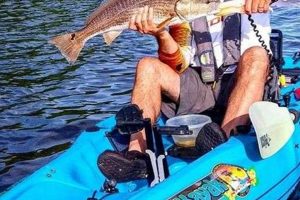
The practice of angling from a small, human-powered vessel in the coastal waters surrounding Corpus Christi, Texas, offers a unique blend of sport and recreation. This approach allows anglers to access shallow-water areas often unreachable by larger boats, providing opportunities to target diverse fish species in a variety of habitats, from calm bays to open Gulf waters.
This style of fishing provides numerous advantages. Its quiet, non-motorized nature allows for a stealthy approach, increasing the likelihood of encountering fish undisturbed in their natural environment. The relatively low cost of entry, compared to motorized boating, makes it an accessible recreational activity. Historically, small boats have played a vital role in the region’s fishing culture, and the modern adaptation continues this tradition. The protected bays and plentiful estuaries around Corpus Christi create a rich ecosystem supporting a thriving fish population, making the area a popular destination for anglers.
The following sections explore specific aspects of this activity in more detail, including recommended locations, target species, essential equipment, and relevant regulations. Furthermore, the information provided will address best practices for safety and environmental stewardship, ensuring a sustainable and enjoyable experience.
Tips for Kayak Fishing in Corpus Christi
Careful planning and preparation contribute significantly to a successful and enjoyable fishing excursion. The following tips offer valuable guidance for anglers.
Tip 1: Check Weather Conditions: Prior to departure, consult marine forecasts for wind speed, wave height, and tidal currents. Postponing trips during inclement weather is advised for safety.
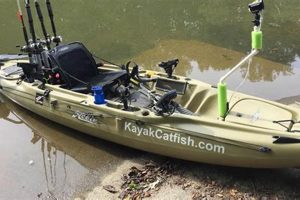
Tip 2: Choose Appropriate Gear: Select a kayak designed for stability in coastal waters. Essential equipment includes a paddle, personal flotation device, and appropriate fishing tackle for target species.
Tip 3: Plan Your Route: Research potential fishing spots and map out a route considering launch points, water depth, and potential hazards. Inform someone of the intended route and estimated return time.
Tip 4: Practice Kayak Handling: Gain familiarity with maneuvering the kayak, especially in wind and currents, before venturing into open water. Practice self-rescue techniques.
Tip 5: Respect Wildlife and the Environment: Adhere to catch and release guidelines when appropriate. Dispose of fishing line and other waste responsibly. Maintain a safe distance from wildlife and avoid disturbing nesting areas.
Tip 6: Be Aware of Regulations: Obtain necessary fishing licenses and familiarize oneself with local regulations regarding catch limits and permitted fishing areas.
Tip 7: Stay Hydrated and Sun-Protected: Carry ample water and apply sunscreen liberally. Wear appropriate clothing and consider a hat and polarized sunglasses for eye protection.
Adhering to these recommendations can significantly enhance safety and contribute to a more productive and enjoyable fishing experience. Responsible angling practices ensure the preservation of the coastal ecosystem for future generations.
By incorporating these tips into planning and execution, anglers can maximize their chances of a successful and rewarding experience on the waters of Corpus Christi.
1. Stable Kayak Selection

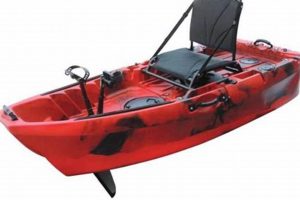
Stable kayak selection is paramount for successful kayak fishing in Corpus Christi. The bay’s often-changing conditions, including wind, currents, and boat wakes, necessitate a kayak that provides a secure and balanced platform. A stable kayak allows anglers to focus on fishing rather than constantly correcting balance, increasing both safety and the likelihood of a successful catch. Instability can lead to difficulties casting, reeling, and landing fish, especially in challenging conditions. Furthermore, a stable platform reduces the risk of capsizing, a critical concern, especially in cooler waters or when fishing alone.
For example, wider, flatter-hulled kayaks offer increased primary stability, making them ideal for calmer waters and sight fishing. These designs resist tipping initially but may feel less maneuverable. Alternatively, longer, narrower kayaks with a V-shaped hull provide better secondary stability, performing well in choppy conditions and tracking efficiently through the water. However, these kayaks require more experience to balance. Anglers targeting larger species, like redfish or sharks, benefit from the added stability of a wider platform, while those pursuing speckled trout in shallow flats might prioritize maneuverability. Considering the typical conditions and target species in Corpus Christi helps anglers determine the appropriate hull design for their needs.
Ultimately, the appropriate kayak choice depends on the individual angler’s experience, target species, and anticipated fishing conditions. Selecting a stable platform is a crucial first step towards a safe and enjoyable fishing experience in Corpus Christi. This stability enhances casting accuracy, facilitates fish fighting, and minimizes the risk of capsizing, promoting a more focused and productive outing on the water. Neglecting this factor can significantly detract from the overall experience and even compromise safety. Careful consideration of stability, alongside other relevant factors, allows anglers to maximize their success and enjoyment on the waters of Corpus Christi.
2. Appropriate Fishing Gear

Appropriate fishing gear selection significantly impacts success and enjoyment when kayak fishing in Corpus Christi. The diverse range of target species and varying fishing environments necessitate careful consideration of rod, reel, line, and lure choices. Matching tackle to the specific fish sought and the prevailing conditions maximizes catch potential and enhances the overall angling experience. For example, targeting speckled trout in shallow grass flats requires lighter tackle and lures designed for finesse presentations, while pursuing redfish in deeper channels demands heavier rods and reels capable of handling stronger fish and heavier lines. Using inappropriate gear can lead to lost fish, broken lines, and ultimately, a frustrating experience.
Rod length plays a critical role in kayak fishing. Shorter rods, typically between 6 and 7 feet, offer better maneuverability within the confines of a kayak, facilitating casting and fish fighting in a limited space. Longer rods, while advantageous for casting distance from shore, become cumbersome and less effective in a kayak. Reel selection hinges on the target species and fishing style. Spinning reels are versatile and suitable for most kayak fishing applications, offering ease of use and sufficient line capacity. Baitcasting reels, while offering greater casting distance and accuracy, require more experience to use effectively and may be less suitable for beginners. Line choice depends on the target species and fishing environment. Lighter lines (6-10 lb test) are ideal for speckled trout and other inshore species, while heavier lines (20-30 lb test) are necessary for larger fish like redfish and sharks. Fluorocarbon leader material enhances stealth and abrasion resistance, increasing the chances of hooking wary fish.
Lure selection should reflect the target species’ feeding habits and the prevailing water conditions. Soft plastic lures, topwater plugs, and spoons are effective for a variety of inshore species. Matching lure color and size to the prevalent baitfish or crustaceans further increases the chances of enticing a strike. Carrying a variety of lures allows anglers to adapt to changing conditions and target different species throughout the day. Careful consideration of these factors ensures an angler’s preparedness for the diverse fishing opportunities Corpus Christi offers. Appropriate gear enhances effectiveness, increases enjoyment, and contributes to a more successful and rewarding kayak fishing experience.
3. Safety Equipment (PFD)

Personal Flotation Devices (PFDs), commonly known as life jackets, are essential safety equipment for kayak fishing in Corpus Christi. The coastal environment presents inherent risks, including changing weather conditions, strong currents, and potential interactions with motorized vessels. Wearing a PFD significantly mitigates these risks, providing buoyancy and increasing the chances of survival in the event of capsizing or accidental overboard entry. The importance of PFDs is underscored by their legally mandated status for all individuals aboard kayaks in Texas waters. Beyond legal compliance, consistent PFD use demonstrates a commitment to personal safety and responsible angling practices. For instance, an angler unexpectedly encountering strong currents or rough waters due to a sudden weather shift benefits significantly from the immediate flotation provided by a PFD. Similarly, in the event of a capsize caused by a rogue wave or collision, a PFD keeps the angler afloat, allowing time for self-rescue or assistance from others.
Selecting an appropriate PFD for kayak fishing requires consideration of comfort and functionality. Type III PFDs, designed for flotation and mobility, are generally recommended for kayak angling. These PFDs allow for a full range of motion during paddling and casting while providing sufficient buoyancy to keep the wearer afloat. Ensuring proper fit and adjustment enhances comfort and prevents the PFD from hindering movement or interfering with fishing activities. Regularly inspecting PFDs for wear and tear and ensuring proper storage prolongs their lifespan and maintains their effectiveness. Beyond simply wearing a PFD, understanding its features and operation enhances its effectiveness in an emergency. Knowing how to inflate a manual inflatable PFD or activate a light or whistle can be crucial in attracting attention and facilitating rescue. Furthermore, familiarizing oneself with self-rescue techniques, such as re-entering a kayak after capsizing, while wearing a PFD, enhances preparedness and self-sufficiency on the water.
Prioritizing PFD use aligns with broader safety practices within the Corpus Christi kayak fishing community. Combining proper PFD use with other safety measures, such as carrying a whistle, flares, and a communication device, further enhances safety and preparedness. Understanding weather forecasts, tidal currents, and potential navigation hazards, and informing someone of the intended fishing plan before departure, contribute to a comprehensive safety strategy. Consistent adherence to these safety guidelines promotes a culture of responsible angling and ensures a safer and more enjoyable experience on the waters of Corpus Christi. Neglecting the fundamental safety precaution of wearing a PFD significantly increases the risks inherent in the activity, jeopardizing personal safety and potentially leading to tragic consequences.
4. Tidal Flow Awareness
Tidal flow awareness is crucial for safe and successful kayak fishing in Corpus Christi. The region’s bays and estuaries experience significant tidal fluctuations that influence water depth, current strength, and fish behavior. Understanding these patterns allows anglers to plan effective fishing strategies, navigate safely, and access otherwise unreachable areas. For instance, incoming tides flood shallow flats, creating prime feeding grounds for species like redfish and speckled trout. Outgoing tides concentrate fish in channels and deeper holes, presenting different angling opportunities. Ignoring tidal flows may lead anglers into dangerously shallow areas or against strong currents, hindering navigation and increasing the risk of grounding or capsizing.
Tidal currents influence fish behavior and feeding patterns. Baitfish and crustaceans, the primary food source for many target species, move with the tides, and predatory fish follow. Understanding these movements allows anglers to position themselves effectively and present lures in areas where fish are actively feeding. Strong currents also affect lure presentation and retrieval, requiring adjustments in tackle and technique. Furthermore, tidal flow knowledge enhances navigation, particularly when paddling through narrow channels or around shallow oyster beds. Planning routes based on tidal stages prevents grounding and facilitates efficient movement between fishing spots.
Effective integration of tidal flow awareness into fishing plans enhances success and safety in the Corpus Christi environment. Consulting tide charts and understanding local current patterns allows anglers to predict optimal fishing times and locations. This knowledge contributes to a more informed and productive fishing experience, minimizing wasted time and maximizing opportunities for success. Moreover, awareness of tidal flows reduces navigational risks and contributes to a safer and more enjoyable experience on the water.
5. Local Fishing Regulations
Adherence to local fishing regulations is essential for responsible and sustainable kayak fishing in Corpus Christi. These regulations, established by the Texas Parks and Wildlife Department, aim to conserve fish populations, protect sensitive habitats, and ensure equitable access to resources for all anglers. Regulations encompass licensing requirements, catch limits, size restrictions, and permitted fishing methods. Ignoring these regulations can result in fines, confiscation of equipment, and suspension of fishing privileges. Understanding and complying with these rules contributes to the long-term health of the Corpus Christi fishery and preserves the opportunity for future generations to enjoy this recreational activity. For example, regulations stipulate size and bag limits for redfish, a popular target species in the area. Adhering to these limits helps maintain a healthy redfish population and prevents overfishing. Similarly, regulations prohibiting the harvest of certain species during spawning seasons protect breeding stocks and ensure the continued viability of the fishery.
Specific regulations relevant to kayak anglers in Corpus Christi include licensing requirements for all individuals over the age of 17, adherence to established catch and size limits for various species, and restrictions on fishing in designated protected areas. Familiarization with these regulations before embarking on a fishing trip is crucial. Resources such as the Texas Parks and Wildlife Department website and local bait and tackle shops provide up-to-date information on current regulations. Furthermore, anglers should familiarize themselves with regulations concerning permitted fishing gear and methods. For instance, certain areas may prohibit the use of gill nets or restrict fishing to specific hook and line methods. Understanding these nuances ensures compliance and avoids unintentional violations. Staying informed about any temporary closures or restrictions due to environmental factors, such as red tide events, is also essential. Such closures protect both the ecosystem and the health of anglers.
Compliance with local fishing regulations demonstrates respect for the environment and contributes to the sustainability of the Corpus Christi fishery. Responsible angling practices, including adherence to regulations, proper disposal of fishing line and other waste, and catch and release fishing when appropriate, preserve the coastal ecosystem and ensure its continued health and productivity. This commitment to responsible fishing benefits not only the environment but also the anglers themselves, guaranteeing continued access to this valuable recreational resource. Ignoring regulations undermines conservation efforts and jeopardizes the long-term health of the fishery, potentially leading to declines in fish populations and restrictions on fishing access in the future.
6. Respectful Environmental Practices
Respectful environmental practices are integral to sustainable kayak fishing in Corpus Christi. The sensitive coastal ecosystem, comprising seagrass beds, oyster reefs, and mangrove habitats, provides essential breeding and feeding grounds for numerous fish species. These habitats are vulnerable to human impact, and irresponsible angling practices can disrupt these vital areas, leading to detrimental consequences for fish populations and the overall health of the bay. Discarded fishing line, for instance, entangles marine life, causing injury or death. Improperly disposed of plastic lures and other debris contribute to pollution and degrade water quality. Disturbing nesting sites or harassing wildlife disrupts natural behaviors and can impact breeding success. The cumulative effect of these seemingly small actions can significantly degrade the environment and diminish the quality of the fishery.
Kayak fishing, due to its close proximity to the water and access to shallow, sensitive areas, necessitates a heightened awareness of environmental impact. Anglers operating kayaks have a direct responsibility to minimize their footprint and actively contribute to conservation efforts. Practical examples of respectful practices include adopting catch-and-release fishing for non-targeted species, properly disposing of all fishing-related waste, avoiding anchoring in seagrass beds, and maintaining a safe distance from wildlife. Utilizing biodegradable fishing line and lures further reduces environmental impact. Participating in organized coastal cleanups and supporting local conservation initiatives demonstrates a commitment to preserving the health of the Corpus Christi bay system. These actions, collectively, contribute to a sustainable fishery and ensure its continued viability for future generations.
The long-term health and productivity of the Corpus Christi fishery rely heavily on the widespread adoption of respectful environmental practices by kayak anglers. The interconnectedness of the ecosystem requires a holistic approach to conservation, where individual actions contribute to the collective well-being of the bay. Challenges such as increasing fishing pressure and coastal development necessitate continued education and outreach to promote responsible angling practices. By embracing a conservation-minded approach, kayak anglers actively participate in preserving the unique coastal environment of Corpus Christi and safeguarding its rich fishing heritage.
7. Weather Condition Monitoring
Weather condition monitoring is paramount for safe and successful kayak fishing in Corpus Christi. The coastal environment is dynamic, characterized by rapidly changing weather patterns, including wind shifts, sudden thunderstorms, and fluctuating temperatures. These conditions directly impact water conditions, creating potentially hazardous situations for kayak anglers. Strong winds generate choppy waters and increase the risk of capsizing, while lightning strikes pose a severe threat to individuals on the open water. Failure to monitor weather conditions and adapt accordingly can lead to dangerous situations, jeopardizing angler safety and potentially leading to serious incidents. For instance, embarking on a fishing trip despite a forecast of strong winds or approaching thunderstorms significantly increases the risk of encountering hazardous conditions on the water. Conversely, monitoring weather forecasts allows anglers to identify favorable conditions, such as calm winds and stable temperatures, maximizing both safety and enjoyment.
Practical application of weather monitoring involves consulting reliable marine forecasts before and during fishing trips. Resources such as the National Weather Service provide detailed information on wind speed and direction, wave height, precipitation probability, and temperature fluctuations. Paying close attention to wind forecasts is particularly crucial for kayak anglers in Corpus Christi, as strong winds can quickly create challenging and potentially dangerous paddling conditions. Real-time weather radar provides valuable insights into developing weather systems, enabling anglers to anticipate changing conditions and seek shelter if necessary. Furthermore, understanding local weather patterns and potential hazards, such as the rapid development of afternoon thunderstorms, enhances preparedness and allows for informed decision-making. Carrying a waterproof VHF radio or a charged mobile phone in a waterproof case enables communication in case of emergencies and allows anglers to stay updated on weather alerts while on the water.
Integrating weather condition monitoring into pre-trip planning and on-the-water decision-making is essential for responsible kayak fishing in Corpus Christi. Neglecting this crucial aspect compromises safety and increases the likelihood of encountering hazardous conditions. Prioritizing weather awareness contributes significantly to a safer and more enjoyable fishing experience, allowing anglers to focus on the sport while minimizing potential risks associated with the dynamic coastal environment.
Frequently Asked Questions
This section addresses common inquiries regarding kayak fishing in Corpus Christi, providing concise and informative responses.
Question 1: What are the most common target species for kayak anglers in Corpus Christi?
Common target species include redfish, speckled trout, flounder, black drum, and sheepshead. Specific species availability varies seasonally.
Question 2: Are fishing licenses required for kayak fishing in Corpus Christi?
Texas fishing licenses are required for individuals over the age of 17. Licenses can be obtained online or from authorized retailers.
Question 3: What safety equipment is recommended beyond a PFD?
A whistle, visual distress signals, a first-aid kit, a communication device (VHF radio or mobile phone), and a bilge pump are recommended.
Question 4: Where are recommended launch points for kayak fishing in Corpus Christi?
Popular launch points include Packery Channel, North Padre Island, Mustang Island State Park, and various public boat ramps throughout the bay system. Specific launch site suitability depends on prevailing conditions and target fishing areas.
Question 5: What are the primary hazards to be aware of when kayak fishing in Corpus Christi?
Strong winds, changing tides, boat wakes, shallow oyster beds, and rapidly changing weather conditions represent potential hazards. Awareness and preparedness mitigate these risks.
Question 6: Are guided kayak fishing tours available in Corpus Christi?
Numerous outfitters offer guided kayak fishing tours catering to various skill levels. Guided tours provide local expertise, enhance safety, and offer access to productive fishing areas.
Thorough preparation, including understanding regulations, acquiring appropriate gear, and prioritizing safety, contributes to a positive and productive kayak fishing experience in Corpus Christi. Addressing these common inquiries further equips anglers with the knowledge necessary for a successful outing.
The next section provides detailed information on recommended fishing locations within the Corpus Christi bay system.
Kayak Fishing Corpus Christi
This exploration of kayak fishing in Corpus Christi has highlighted key elements for a successful and enriching experience. From selecting a stable kayak and appropriate gear to understanding tidal flows and local regulations, preparation is crucial. Prioritizing safety through PFD use and weather monitoring ensures responsible angling practices. Respect for the environment, demonstrated through catch-and-release ethics and minimizing ecological impact, contributes to the long-term health and sustainability of the fishery. Furthermore, awareness of potential hazards and adherence to established safety guidelines mitigates risks associated with the dynamic coastal environment.
The Corpus Christi bay system offers diverse fishing opportunities for kayak anglers. However, responsible engagement requires informed decision-making and a commitment to conservation. Through careful planning, adherence to regulations, and respect for the environment, anglers contribute to the preservation of this valuable resource. The future of kayak fishing in Corpus Christi rests on the collective responsibility of all participants to ensure its sustainability and continued enjoyment for generations to come.