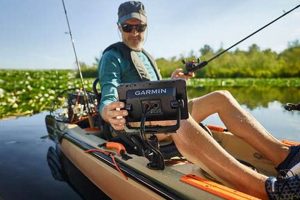
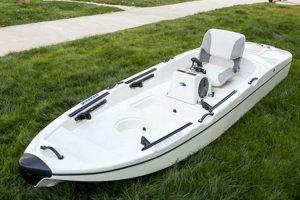
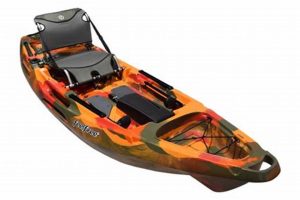
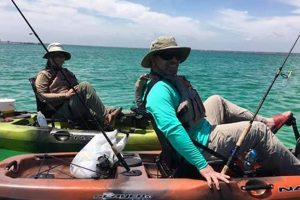
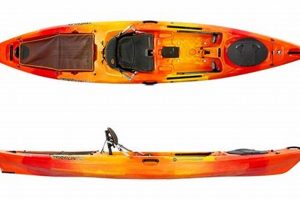
Specialized small watercraft designed for angling in the waterways around Melbourne offer stability, portability, and access to diverse fishing locations. These vessels typically feature specialized storage for rods, tackle, and catches, as well as comfortable seating designed for extended periods on the water. Anglers often choose these craft for their maneuverability in shallow water and calmer bays.
The popularity of this mode of fishing stems from Melbourne’s extensive network of rivers, bays, and estuaries. It provides a close-to-nature experience, allowing access to areas otherwise difficult to reach by larger boats or from the shore. This accessible form of recreational fishing contributes to local tourism and fosters appreciation for the region’s aquatic environment. Historically, smaller, human-powered watercraft have been used for fishing, evolving into the modern, purpose-built designs available today. The growth of this activity reflects a broader trend toward eco-conscious outdoor pursuits.
Further exploration of this topic will cover specific kayak types suited to Melbournes waters, essential safety equipment, recommended fishing locations, and the relevant regulations for a successful and enjoyable angling experience.
Tips for Kayak Fishing in Melbourne
Careful planning and preparation contribute significantly to a safe and productive fishing experience from a kayak in Melbourne’s waterways.
Tip 1: Check Weather Conditions: Prior to embarking on any kayak fishing trip, consult marine weather forecasts. Wind speed, wave height, and tide changes can significantly impact safety and fishing success. Postponement is advised during unfavorable conditions.
Tip 2: Choose Appropriate Kayak and Gear: Kayak selection should consider stability, storage capacity, and the intended fishing environment. Essential gear includes a personal flotation device (PFD), paddle leash, appropriate fishing rods and reels, and tackle suited to the target species.
Tip 3: Plan Your Route and Inform Someone: Share intended fishing locations and estimated return times with a responsible individual. Familiarization with local navigation markers and potential hazards is crucial.
Tip 4: Practice Essential Safety Procedures: Regularly practice self-rescue techniques and understand how to re-enter a kayak in the water. Carry a waterproof communication device and signaling equipment for emergencies.
Tip 5: Respect Local Regulations and the Environment: Adherence to fishing license requirements, catch limits, and size restrictions is mandatory. Practice responsible angling by minimizing environmental impact. Dispose of fishing line and other waste appropriately.
Tip 6: Pack Essential Supplies: Sufficient drinking water, sun protection, appropriate clothing, and a first-aid kit are essential for comfort and safety during extended periods on the water.
Tip 7: Be Aware of Other Water Users: Maintain awareness of other vessels and give way to larger craft. Avoid fishing in designated swimming areas or close to navigation channels.
Adherence to these guidelines contributes significantly to a safe and successful kayak fishing experience, allowing anglers to enjoy Melbourne’s diverse aquatic environments responsibly.
By incorporating these tips, anglers can maximize their chances of a rewarding experience while ensuring personal safety and environmental responsibility.
1. Stable Kayak Selection

Kayak stability is paramount for successful fishing in Melbourne’s diverse waterways. A stable platform enables anglers to cast, reel, and land fish effectively while minimizing the risk of capsizing. This is particularly crucial in the varied conditions encountered across Port Phillip Bay, Western Port Bay, and the numerous rivers and estuaries around Melbourne, where conditions can change rapidly.
- Hull Design and Stability:
Wider, flatter hulls offer greater initial stability, ideal for calmer waters and sight fishing. These designs provide a secure platform for stand-up fishing but may sacrifice maneuverability. Longer, narrower hulls with a V-shaped bottom offer superior tracking and speed, suitable for covering larger distances and handling choppier conditions in open bays, but require more experience to balance. “Sit-on-top” kayaks are generally preferred for their self-bailing capabilities and ease of re-entry after an accidental capsize, a crucial safety consideration.
- Weight Capacity and Gear Storage:
Kayak weight capacity must accommodate the angler’s weight, fishing gear, and potential catch. Sufficient storage compartments, rod holders, and anchor trolleys contribute significantly to an organized and efficient fishing experience, minimizing clutter and maximizing stability. Selecting a kayak with appropriate weight capacity ensures safe operation and prevents performance degradation.
- Water Conditions and Location Choice:
Matching kayak stability to expected water conditions is essential. Calm estuaries and sheltered bays permit the use of wider, more stable platforms. Open bays, exposed coastlines, or areas with stronger currents necessitate kayaks designed for increased stability in rougher water. Consideration of the intended fishing location is key to choosing a kayak with suitable stability characteristics.
- Angler Experience and Skill Level:
Beginners often benefit from wider, more stable kayaks to build confidence and develop paddling skills. Experienced anglers may opt for higher-performance designs offering greater maneuverability and speed, accepting a trade-off in initial stability. Kayak selection should always reflect the angler’s skill level and experience to ensure safety and enjoyment on the water.
Selecting a kayak with appropriate stability characteristics directly impacts fishing success and safety in Melbourne’s waterways. Careful consideration of hull design, weight capacity, intended fishing locations, and angler experience ensures a balanced and efficient fishing platform, enabling anglers to fully enjoy Melbourne’s diverse fishing opportunities.
2. Suitable Fishing Gear

Effective fishing from a kayak in Melbourne requires specialized gear tailored to both the target species and the unique challenges presented by this style of angling. Appropriate equipment contributes significantly to fishing success, safety, and overall enjoyment on the water. Selection must account for the limited space and stability inherent in kayak fishing.
- Rods and Reels:
Shorter, lighter rods (typically 6-7 feet) are ideal for kayak fishing, offering maneuverability within the confines of the kayak. Baitcasting or spinning reels suited to the target species and fishing techniques employed in Melbourne’s waters are recommended. For example, lighter tackle is suitable for targeting bream in the Yarra River, while heavier gear may be necessary for snapper in Port Phillip Bay. Rod and reel selection should align with the expected size and fighting strength of the target species.
- Fishing Line and Tackle:
Line choice depends on target species and fishing location. Braided lines offer superior sensitivity and strength, advantageous when fishing around structure or targeting larger fish. Fluorocarbon leaders provide abrasion resistance and low visibility, enhancing presentation in clear water. Lure selection should reflect prevalent baitfish and the feeding habits of target species. Jigs, soft plastics, and hard-bodied lures are popular choices for various species found in Melbourne’s waters.
- Essential Accessories:
A landing net with a telescopic handle assists in safely landing fish while maintaining balance within the kayak. A fish finder or GPS unit enhances navigation and aids in locating productive fishing spots. A dry bag protects essential items like phones and wallets from water damage, crucial in the often-wet environment of kayak fishing. These accessories contribute to a safer and more productive experience.
- Safety and Utility Gear:
A well-equipped tackle box with essential tools, spare line, and hooks maintains organization and efficiency on the water. Carrying a knife or multi-tool proves invaluable for cutting lines or tackling unexpected situations. A first-aid kit is essential for addressing minor injuries. These items contribute significantly to safety and preparedness while kayak fishing.
Appropriate fishing gear selection significantly enhances the kayak fishing experience in Melbourne. By carefully choosing rods, reels, lines, tackle, and accessories suited to the target species and the specific demands of kayak angling, individuals can maximize their chances of success while prioritizing safety and enjoyment on Melbournes waterways.
3. Melbourne's Waterways

Melbourne’s extensive network of waterways forms an integral component of the “fishing kayak Melbourne” experience. The diverse aquatic environments, ranging from sheltered bays and estuaries to open coastal waters, provide a rich tapestry of habitats supporting a wide variety of fish species. This diversity attracts anglers seeking different fishing challenges and target species. The accessibility of these waterways by kayak contributes significantly to the popularity of this fishing style. For example, the calm waters of the Yarra River offer excellent opportunities for bream and estuary perch, while the more challenging conditions of Port Phillip Bay attract anglers targeting snapper, flathead, and gummy sharks. Western Port Bay, known for its strong tidal flows and abundant marine life, presents a unique challenge for experienced kayak anglers.
The specific characteristics of each waterway influence kayak selection, fishing techniques, and required safety precautions. Shallow-water estuaries necessitate kayaks with shallow drafts and excellent maneuverability, while open bays require craft designed for stability in choppier conditions. Understanding tidal flows, currents, and potential hazards within each waterway is crucial for safe and successful kayak fishing. Local knowledge regarding productive fishing grounds, access points, and relevant regulations enhances the overall experience. For instance, anglers targeting snapper in Port Phillip Bay might utilize drift fishing techniques, while those pursuing bream in the Yarra River might opt for lighter tackle and lure presentations around submerged structures.
Respect for the delicate ecosystems within Melbourne’s waterways underpins sustainable kayak fishing practices. Minimizing environmental impact through responsible anchoring, waste disposal, and catch-and-release practices preserves these valuable resources for future generations. Understanding the interconnectedness of Melbourne’s waterways and the “fishing kayak Melbourne” experience promotes responsible angling and ensures the long-term health of these diverse aquatic environments. Challenges such as increasing user pressure on popular fishing grounds and potential impacts of climate change require ongoing attention and collaborative management efforts.
4. Safety Regulations
Adherence to safety regulations is paramount for a secure and enjoyable kayak fishing experience in Melbourne. These regulations, designed to mitigate risks inherent in on-water activities, protect both individual anglers and the broader aquatic environment. Understanding and complying with these rules ensures a responsible and sustainable approach to kayak fishing.
- Personal Flotation Devices (PFDs):
Wearing a properly fitted and Australian Standards-approved PFD is mandatory in most Victorian waters when kayaking. This fundamental safety precaution provides essential buoyancy in the event of capsize, significantly increasing chances of survival. Different PFD types exist, and selection should consider factors such as intended fishing location and water conditions. Regular inspection and maintenance of PFDs are crucial for ensuring their effectiveness.
- Navigation and Lighting Requirements:
Kayaks operating in limited visibility conditions (e.g., dawn, dusk, or fog) require appropriate navigation lights to prevent collisions with other vessels. A white light visible from all directions is typically required. Understanding and adhering to designated navigation channels and speed limits within specific waterways is crucial. Awareness of local maritime rules and regulations ensures safe navigation within Melbourne’s waterways.
- Communication and Emergency Procedures:
Carrying a waterproof communication device, such as a VHF radio or a mobile phone in a waterproof case, enables communication in emergencies. Knowledge of distress signals and procedures, coupled with a readily accessible first-aid kit, enhances preparedness. Informing someone ashore of intended fishing locations and estimated return times provides an additional safety net. These measures ensure prompt assistance in the event of an incident.
- Environmental Regulations and Responsible Angling:
Adherence to fishing license requirements, catch limits, and size restrictions ensures sustainable fishing practices. Correct disposal of fishing line and other waste minimizes environmental impact. Respecting designated no-fishing zones and marine protected areas preserves sensitive habitats. Responsible angling practices contribute to the long-term health of Melbourne’s waterways and the sustainability of the kayak fishing experience.
Compliance with safety regulations forms an integral aspect of responsible kayak fishing in Melbourne. By understanding and adhering to these rules, anglers contribute significantly to their own safety and the well-being of the broader aquatic environment. This commitment fosters a sustainable and enjoyable experience for all participants, preserving Melbournes waterways for future generations of kayak anglers.
5. Targeted Fish Species
The diverse fish species inhabiting Melbourne’s waterways directly influence the “fishing kayak Melbourne” experience. Anglers often select specific locations and employ tailored techniques based on their target species. This targeted approach necessitates consideration of factors such as habitat preferences, feeding behaviors, and seasonal availability of different species. For example, anglers pursuing snapper in Port Phillip Bay might focus their efforts around reefs and deeper channels, while those targeting bream in the Yarra River might concentrate on areas with submerged structures and overhanging vegetation. Understanding the preferred habitats and feeding patterns of target species enhances fishing success and contributes to a more informed and rewarding kayak fishing experience.
The connection between targeted fish species and kayak fishing in Melbourne extends beyond simple catch rates. The choice of target species often dictates the type of kayak and fishing gear utilized. Anglers targeting larger species in open waters might opt for longer, more stable kayaks capable of handling rougher conditions, while those pursuing smaller fish in sheltered estuaries might choose shorter, more maneuverable kayaks. Similarly, fishing gear, including rod and reel combinations, line weight, and lure selection, are carefully chosen to match the specific characteristics of the target species. For instance, anglers targeting snapper might use heavier tackle and larger baits, while those targeting bream might opt for lighter lines and smaller lures. This interconnectedness underscores the importance of considering target species when planning a kayak fishing trip in Melbourne.
Successful kayak fishing in Melbourne relies on an understanding of the targeted fish species and their interaction with the local environment. This knowledge, combined with appropriate kayak selection and fishing techniques, contributes significantly to a productive and enjoyable experience. However, challenges such as changing environmental conditions, increasing fishing pressure, and the need for sustainable fishing practices require ongoing adaptation and responsible angling behavior. Awareness of these factors ensures the long-term health of Melbourne’s fish populations and the continued enjoyment of kayak fishing for future generations. This understanding forms a critical component of the “fishing kayak Melbourne” pursuit, linking the angler, the environment, and the targeted species in a dynamic and interconnected relationship.
6. Kayak Launch Locations

Appropriate kayak launch locations are fundamental to a successful and enjoyable fishing kayak experience in Melbourne. Strategic selection of launch sites considers factors such as target species, prevailing water conditions, accessibility, and proximity to productive fishing grounds. Careful planning ensures efficient deployment and retrieval of kayaks, maximizing fishing time and enhancing overall safety.
- Accessibility and Infrastructure:
Launch sites with suitable infrastructure, such as ramps, jetties, or gently sloping shorelines, simplify kayak launching and retrieval. Locations with designated parking areas and nearby amenities enhance convenience. Accessibility considerations are crucial for individuals with mobility limitations, ensuring inclusive participation in kayak fishing. For example, the boat ramps at Mordialloc and Patterson River provide convenient access to Port Phillip Bay, while the Yarra River offers numerous access points along its banks for launching into calmer waters. The availability of accessible infrastructure directly influences the ease and safety of kayak deployment and retrieval.
- Proximity to Target Species and Fishing Grounds:
Selecting launch locations in close proximity to preferred fishing grounds maximizes fishing time and minimizes travel distance on the water. Knowledge of local fish habitats, such as reefs, drop-offs, or submerged structures, informs launch site selection. Launching near target species habitats increases fishing success and allows for efficient exploration of productive areas. For instance, launching near the Werribee South boat ramp provides convenient access to productive snapper grounds in Port Phillip Bay. Strategic launch site selection optimizes fishing opportunities and reduces time spent paddling to target areas.
- Water Conditions and Safety Considerations:
Assessment of prevailing water conditions, including wind speed, wave height, and tidal currents, informs safe launch site selection. Sheltered bays and estuaries offer calmer launching conditions compared to exposed coastlines. Awareness of potential hazards, such as boat traffic, submerged obstacles, and changing weather patterns, is crucial for safe kayak deployment. For example, launching in the sheltered waters of Beaumaris Bay provides a safer alternative to launching directly into the open waters of Port Phillip Bay during periods of strong winds. Careful consideration of water conditions prioritizes safety and minimizes risks associated with launching and retrieving kayaks.
- Regulations and Permit Requirements:
Certain launch locations may require permits or adherence to specific regulations. Awareness of local boating rules, speed limits, and designated no-fishing zones ensures compliance and avoids potential penalties. Respecting private property and designated launch areas maintains positive relationships with local communities and preserves access for future kayak anglers. Checking for any specific regulations related to launching at particular sites is crucial. Responsible use of launch sites promotes sustainable kayak fishing practices and ensures continued access to these valuable resources.
Strategic selection of kayak launch locations significantly enhances the “fishing kayak Melbourne” experience. By considering accessibility, proximity to fishing grounds, water conditions, and relevant regulations, anglers can optimize their time on the water, prioritize safety, and contribute to responsible use of Melbourne’s waterways. Efficient launch and retrieval processes maximize fishing time and minimize environmental impact, ensuring an enjoyable and sustainable experience. Integrating these considerations into pre-fishing planning elevates the overall quality of kayak fishing in Melbourne.
7. Responsible Fishing Practices
Responsible fishing practices are integral to the sustainability of the “fishing kayak Melbourne” experience. These practices ensure the long-term health of fish populations and the preservation of aquatic ecosystems, allowing future generations to enjoy Melbourne’s diverse waterways. Ethical angling minimizes environmental impact and promotes a respectful approach to the natural world, fostering a sense of stewardship amongst kayak anglers.
- Minimizing Environmental Impact
Minimizing environmental impact forms a cornerstone of responsible kayak fishing. Proper disposal of fishing line and other waste prevents pollution and protects aquatic life. Avoiding damage to sensitive habitats, such as seagrass beds and coral reefs, through careful anchoring and kayak placement preserves biodiversity. Using eco-friendly fishing tackle and avoiding lead sinkers further reduces environmental impact. These practices demonstrate a commitment to preserving the health and integrity of Melbourne’s waterways.
- Selective Harvesting and Catch and Release
Selective harvesting involves targeting specific species and sizes of fish, adhering to catch limits and size restrictions. Practicing catch and release for non-target or oversized fish minimizes stress on fish populations and promotes healthy ecosystems. Handling fish with care, using wet hands or a landing net, reduces the risk of injury and improves survival rates upon release. These techniques ensure the continued viability of fish populations and support the long-term sustainability of kayak fishing in Melbourne.
- Respecting Other Water Users and Wildlife
Responsible kayak anglers maintain a respectful distance from other water users, avoiding disturbance to boaters, swimmers, and other recreational activities. Minimizing noise and disturbance to wildlife, such as nesting birds or marine mammals, demonstrates consideration for the broader ecosystem. Adhering to designated speed limits and navigation channels ensures safety and reduces conflicts with other water users. This promotes a harmonious coexistence between various user groups and protects the natural environment.
- Promoting Awareness and Education
Promoting awareness of responsible fishing practices amongst fellow kayak anglers contributes to the collective effort to protect Melbourne’s waterways. Sharing knowledge about sustainable fishing techniques, local regulations, and the importance of environmental stewardship encourages responsible behavior. Participating in local conservation initiatives, such as habitat restoration projects or waterway cleanups, further demonstrates a commitment to environmental responsibility. These actions contribute to a broader culture of responsible angling and enhance the long-term sustainability of the “fishing kayak Melbourne” experience.
Integrating these responsible fishing practices into the “fishing kayak Melbourne” experience ensures the long-term health of the aquatic environment and the sustainability of this popular recreational activity. By prioritizing ethical angling and minimizing environmental impact, kayak anglers actively contribute to the preservation of Melbourne’s waterways for future generations. This commitment to responsible fishing strengthens the connection between anglers and the environment, fostering a deeper appreciation for the natural world and ensuring the continued enjoyment of kayak fishing in Melbourne.
Frequently Asked Questions
This section addresses common inquiries regarding kayak fishing in Melbourne, providing concise and informative responses to facilitate a safe and enjoyable experience.
Question 1: What type of kayak is best suited for fishing in Melbourne’s waterways?
Kayak selection depends on intended fishing locations and angler experience. Stable, sit-on-top kayaks are generally recommended for beginners, offering ease of use and self-bailing capabilities. Longer kayaks provide better tracking in open water, while shorter kayaks offer superior maneuverability in estuaries and rivers. Specialized fishing kayaks often feature built-in rod holders and storage compartments.
Question 2: What essential safety equipment is required for kayak fishing?
Essential safety equipment includes a properly fitted Australian Standards-approved personal flotation device (PFD), a paddle leash, a waterproof communication device (VHF radio or mobile phone in a waterproof case), and a signaling device (whistle or flare). A first-aid kit, sunscreen, and appropriate clothing are also recommended.
Question 3: Are fishing licenses required for kayak fishing in Melbourne?
A valid Victorian recreational fishing license is required for anyone fishing in Victorian waters, including from a kayak. Licenses can be obtained online or from authorized retailers. Specific regulations regarding catch limits, size restrictions, and permitted fishing methods apply and should be consulted prior to fishing.
Question 4: Where are recommended kayak fishing locations in Melbourne?
Melbourne offers numerous kayak fishing locations, including Port Phillip Bay, Western Port Bay, the Yarra River, and Patterson River. Specific location choices depend on target species and angler experience. Researching access points, water conditions, and local regulations is recommended prior to selecting a fishing location.
Question 5: What are the primary target fish species for kayak anglers in Melbourne?
Popular target species include snapper, bream, flathead, whiting, and gummy shark. The specific species available vary depending on location and season. Local knowledge or consultation with fishing guides can assist in identifying target species and effective fishing techniques.
Question 6: What are the key considerations for launching and retrieving a fishing kayak in Melbourne?
Launching and retrieving a kayak safely requires consideration of water conditions, tides, and available infrastructure. Choosing designated launch sites with ramps or gentle slopes simplifies the process. Checking weather forecasts and avoiding launching in strong winds or rough conditions is crucial. Informing someone of intended fishing locations and estimated return times enhances safety.
Careful consideration of these frequently asked questions contributes significantly to a safe, enjoyable, and responsible kayak fishing experience in Melbourne. Thorough preparation and adherence to safety regulations ensure a positive interaction with the aquatic environment and its diverse inhabitants.
The subsequent section provides additional resources and information to further enhance kayak fishing experiences in Melbourne.
Fishing Kayak Melbourne
Exploration of the “fishing kayak Melbourne” theme reveals multifaceted aspects crucial for successful and sustainable angling. Kayak selection hinges upon stability, storage, and intended fishing environment. Appropriate gear, including rods, reels, and safety equipment, are indispensable for productive and safe outings. Melbourne’s diverse waterways offer varied fishing opportunities, each demanding specific approaches and awareness of local regulations. Targeting particular species requires understanding their habits and habitats. Launch site selection necessitates careful consideration of accessibility, conditions, and proximity to fishing grounds. Responsible fishing practices, including catch and release and minimizing environmental impact, are crucial for preserving this valuable resource.
Successful integration of these elements promotes rewarding experiences while ensuring the continued health of Melbournes aquatic ecosystems. Adaptability to changing conditions and adherence to ethical angling practices will ensure the longevity and enjoyment of fishing kayak adventures in Melbourne for generations to come. Continued exploration and responsible engagement with this activity promise a rich and sustainable future for this unique pursuit within Melbourne’s dynamic waterscape.