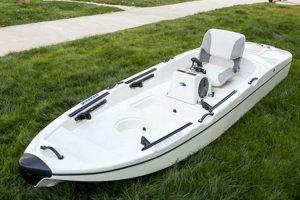
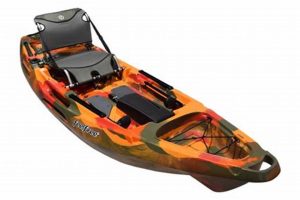
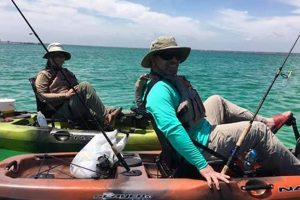
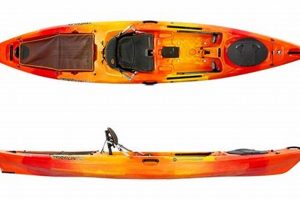
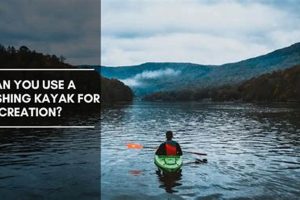
The sport of angling from a small, human-powered watercraft offers unique access to Michigan’s abundant freshwater resources. This method allows anglers to explore shallow waters, navigate tight spaces, and experience a close connection with nature, targeting species such as bass, trout, pike, and panfish. The quiet approach offered by this mode of fishing can often lead to increased success compared to motorized boats.
This activity’s popularity stems from the combination of Michigan’s extensive network of lakes, rivers, and streams, and the growing interest in affordable and accessible outdoor recreation. The low environmental impact compared to motorized fishing contributes to its appeal among conservation-minded anglers. Historically, small boats have been used for fishing in the region, but the recent rise of specialized angling kayaks with features like rod holders, livewells, and anchor trolleys has greatly enhanced the experience.
Further exploration will delve into specific locations, essential gear, recommended techniques, safety considerations, and licensing requirements relevant to this increasingly popular pursuit within the state.
Tips for Kayak Angling in Michigan
Careful planning and preparation are essential for a safe and successful fishing trip. These tips offer guidance for anglers of all skill levels.
Tip 1: Choose the Right Kayak: Select a kayak designed for fishing, considering stability, storage capacity, and maneuverability. Longer kayaks track better in open water, while shorter models are more agile in rivers and streams. Sit-on-top kayaks offer easier access to gear and re-entry after a water landing.
Tip 2: Check Weather Conditions: Always consult marine forecasts before heading out. Wind, waves, and lightning can create hazardous conditions on the water. Postpone trips if conditions are unfavorable.
Tip 3: Wear a Personal Flotation Device (PFD): A PFD is essential safety equipment and should be worn at all times while on the water, regardless of swimming ability.
Tip 4: File a Float Plan: Inform someone onshore of your intended fishing location, planned return time, and emergency contact information.
Tip 5: Pack Essential Gear: Carry necessary safety items including a whistle, signaling device, first-aid kit, and bilge pump or sponge. Fishing-specific gear should include appropriate rods, reels, tackle, and a landing net.
Tip 6: Practice Kayak Control: Develop proficiency in paddling, maneuvering, and recovering from capsizes in calm water before venturing into more challenging conditions.
Tip 7: Respect Wildlife and the Environment: Practice catch-and-release whenever possible, minimize disturbance to wildlife, and pack out all trash.
Tip 8: Obtain Necessary Licenses and Permits: Ensure compliance with all state fishing regulations and obtain the required licenses and permits before embarking on a fishing trip.
By adhering to these guidelines, anglers can enhance their safety, maximize their fishing success, and contribute to the preservation of Michigan’s aquatic ecosystems.
These preparatory steps lay the foundation for an enjoyable and rewarding kayak fishing experience. The following sections will provide further detail on specific locations, techniques, and resources.
1. Location Selection

Strategic location selection is paramount for successful kayak angling in Michigan. The diverse aquatic environments within the state offer a range of opportunities, each presenting unique challenges and rewards. Careful consideration of factors such as target species, water conditions, and accessibility is essential for maximizing fishing success and ensuring a safe and enjoyable experience.
- Target Species Considerations
Different fish species inhabit specific habitats within Michigan’s waters. Understanding the preferred environment of the target species is crucial for effective location selection. For example, smallmouth bass often thrive in rocky areas with moderate current, while northern pike prefer weedy shallows. Researching the target species’ habitat preferences and seasonal movements informs effective location choices.
- Water Conditions Assessment
Water conditions significantly influence fishing success and safety. Factors like water temperature, clarity, and current play crucial roles in determining fish behavior and suitable kayak launching points. Calm, clear water often provides better visibility for sight fishing, while strong currents or choppy conditions may require specialized kayaking skills and safety precautions.
- Accessibility and Logistics
Accessibility considerations involve evaluating launch sites, parking availability, and potential portages. Some locations may require navigating challenging terrain or carrying the kayak over obstacles. Evaluating access points beforehand ensures a smooth and efficient launch experience. Reviewing online resources, consulting local fishing guides, or contacting park authorities can provide valuable information about access restrictions and regulations.
- Regulations and Restrictions
Michigan’s waterways are subject to various regulations and restrictions regarding fishing seasons, catch limits, and permitted fishing methods. Specific areas may have additional rules related to motorboat access, anchoring, or protected species. Researching and adhering to these regulations is essential for responsible angling and ensures the preservation of aquatic ecosystems.
By carefully considering these facets of location selection, anglers can significantly enhance their chances of a productive and enjoyable kayak fishing experience in Michigan. Informed decision-making about location contributes to a more rewarding interaction with the state’s diverse aquatic environments and promotes responsible fishing practices.
2. Essential Gear

Appropriate gear selection significantly impacts safety and success in kayak fishing within Michigan. Specialized equipment caters to the unique demands of this activity, enhancing both angler comfort and fishing effectiveness. The following essential gear categories warrant careful consideration.
- Personal Flotation Device (PFD)
A properly fitted PFD is paramount for safety and is legally required in most situations. It provides essential buoyancy in the event of capsizing, especially in cold Michigan waters. Inflatable PFDs offer greater comfort for extended wear, while traditional foam PFDs provide immediate flotation.
- Paddle and Paddle Leash
A lightweight, efficient paddle designed for kayaking is crucial for maneuvering and navigating Michigan’s waterways. A paddle leash prevents loss in the event of a capsize or accidental drop, a particularly important consideration in currents or windy conditions. Choose a leash length that balances accessibility with safety.
- Rods, Reels, and Tackle
Selecting appropriate fishing rods, reels, and tackle depends on the target species and fishing techniques employed. Shorter rods are often preferred in kayaks for easier handling, while specific lures and lines cater to the preferences of various fish species found in Michigan waters. A well-organized tackle box or bag streamlines lure changes and maximizes fishing time.
- Safety and Navigation Equipment
Essential safety equipment includes a whistle for signaling, a waterproof flashlight or headlamp for visibility in low-light conditions, and a first-aid kit for minor injuries. A bilge pump or sponge helps manage water accumulation in the kayak. A GPS device or chart, combined with a compass, aids navigation, especially in larger lakes or unfamiliar waters.
Careful selection and proper use of these essential gear items contribute significantly to a safe, comfortable, and productive kayak fishing experience in Michigan. Prioritizing safety and choosing equipment appropriate for the intended fishing environment ensures anglers can fully enjoy the diverse fishing opportunities the state offers. Further exploration of specific techniques and location-specific gear recommendations will enhance preparedness and optimize angling success.
3. Species Targeting

Effective species targeting significantly enhances kayak fishing outcomes in Michigan. Understanding the behavior, habitat preferences, and seasonal patterns of desired fish species allows anglers to select appropriate locations, utilize effective fishing techniques, and choose the right tackle. This focused approach maximizes fishing success and contributes to a more rewarding angling experience. Different species present unique challenges and require specialized approaches. For example, targeting smallmouth bass in rivers may involve drifting presentations with soft plastic lures along rocky bottoms, while pursuing walleye in the Great Lakes might require trolling crankbaits or jigging in deeper water. Matching fishing techniques and tackle selection to the target species optimizes catch rates.
Michigan’s diverse fish populations offer anglers a variety of targeting opportunities. From the prized trout of its cold, clear streams to the aggressive muskellunge lurking in its weedy lakes, each species demands specific knowledge and strategies. Understanding seasonal spawning patterns, preferred foraging areas, and feeding habits enables anglers to refine their approach and increase their chances of success. For instance, targeting pre-spawn panfish in shallow bays requires different techniques and presentations compared to pursuing summer bass in deeper, cooler waters. Utilizing species-specific knowledge enhances efficiency and minimizes wasted effort.
Successful species targeting in Michigan involves meticulous planning and adaptation based on real-time conditions. Factors such as water temperature, clarity, and current influence fish behavior and require adjustments to fishing techniques and location choices. Leveraging local knowledge, consulting fishing reports, and observing environmental cues provide valuable insights for effective targeting strategies. Recognizing these dynamic elements and adapting accordingly increases the likelihood of a successful and fulfilling kayak fishing experience in Michigan. This specialized approach contributes not only to higher catch rates but also to a deeper understanding and appreciation of the state’s diverse aquatic ecosystems.
4. Safety Procedures
Safety procedures are integral to responsible kayak fishing in Michigan, directly impacting angler well-being and contributing to positive experiences on the water. Michigan’s diverse water bodies present unique challenges, ranging from cold water temperatures and unpredictable weather patterns to varying watercraft traffic. Adhering to established safety guidelines mitigates inherent risks associated with these environments. Neglecting safety precautions can lead to serious consequences, including hypothermia, capsizing, and collisions. For example, venturing onto Lake Michigan without checking weather forecasts could expose anglers to sudden storms and high waves, creating life-threatening situations.
Implementing comprehensive safety procedures enhances enjoyment and reduces the likelihood of incidents. Wearing a personal flotation device (PFD) is paramount, providing essential buoyancy in case of capsizing. Carrying a signaling device, such as a whistle or air horn, allows communication in emergencies. Checking weather forecasts before embarking on fishing trips enables informed decisions about launching and navigating, avoiding potentially hazardous conditions. Filing a float plan with a trusted individual onshore provides critical information about planned routes and return times, facilitating timely assistance if needed. Understanding and adhering to navigation rules and maintaining awareness of other watercraft further reduce collision risks, particularly in high-traffic areas.
Prioritizing safety procedures fosters a culture of responsible angling and contributes to overall positive experiences on Michigan’s waters. Consistent application of safety measures, combined with thorough pre-trip planning and continuous awareness of environmental conditions, minimizes potential risks and maximizes angler safety. This proactive approach not only protects individual well-being but also contributes to a safer environment for all water users. Integrating safety procedures into every kayak fishing outing demonstrates a commitment to responsible recreation and ensures long-term enjoyment of Michigan’s valuable aquatic resources.
5. Regulation Adherence

Adherence to fishing regulations is essential for the sustainability of aquatic ecosystems and the continued enjoyment of kayak fishing in Michigan. Regulations, established by the Michigan Department of Natural Resources (MDNR), govern aspects such as fishing seasons, catch limits, permitted fishing methods, and equipment restrictions. These regulations aim to maintain healthy fish populations, protect sensitive habitats, and ensure equitable access to resources for all anglers. Non-compliance undermines these objectives and can result in penalties, including fines and license revocation. For example, exceeding the daily catch limit for a particular species depletes fish stocks and negatively impacts the ecosystem’s balance. Similarly, using prohibited fishing methods, such as snagging or netting, can harm non-target species and damage habitat.
Understanding and adhering to specific regulations applicable to kayak fishing enhances responsible angling practices. These regulations often address issues unique to human-powered watercraft. For instance, regulations may specify permitted anchoring methods in certain areas to minimize habitat disturbance. Additionally, some waterways may have restrictions on motorboat access, creating specific guidelines for kayak anglers sharing the water with other users. Awareness of these specific regulations ensures compliance and contributes to a safer and more harmonious fishing environment. Consulting the MDNR’s official resources provides comprehensive information on current regulations and clarifies any specific restrictions related to kayak fishing locations and practices. This proactive approach demonstrates a commitment to responsible angling and supports the long-term health of Michigan’s fisheries.
Regulation adherence is integral to preserving Michigan’s aquatic resources and ensuring the future of kayak fishing. By understanding and complying with established rules, anglers contribute to sustainable fishing practices, protect vulnerable ecosystems, and promote respectful resource utilization. This commitment to responsible angling benefits both the environment and the angling community, ensuring the continued enjoyment of kayak fishing in Michigan for generations to come. Neglecting regulatory compliance jeopardizes the health of fish populations, disrupts ecological balance, and undermines the principles of ethical angling. Ultimately, adherence to regulations safeguards the future of this popular recreational activity and preserves the natural heritage of Michigan’s waterways.
Frequently Asked Questions
This section addresses common inquiries regarding kayak fishing in Michigan, providing concise and informative responses to facilitate informed decision-making and enhance angling experiences.
Question 1: What are the licensing requirements for kayak fishing in Michigan?
A valid Michigan fishing license is required for individuals 17 years of age and older. Specific license types and regulations vary based on residency, fishing location, and targeted species. Consultation of the Michigan Department of Natural Resources (MDNR) website provides comprehensive licensing information.
Question 2: Where are recommended kayak fishing locations in Michigan?
Michigan offers numerous exceptional kayak fishing destinations. Popular locations include the Great Lakes, inland lakes such as Houghton Lake and Lake St. Clair, and numerous rivers and streams throughout the state. Selection of a suitable location depends on target species and desired fishing experience. Online resources, local bait shops, and MDNR publications provide valuable location-specific information.
Question 3: What safety precautions are essential for kayak fishing in Michigan?
Wearing a personal flotation device (PFD), checking weather forecasts prior to embarking, informing someone of planned fishing locations and return times, and carrying essential safety equipment such as a whistle and first-aid kit are crucial safety measures. Awareness of water conditions, navigation rules, and other watercraft contributes significantly to safe angling practices.
Question 4: What essential gear is recommended for kayak fishing in Michigan?
Essential gear includes a fishing kayak equipped with appropriate safety features, a paddle and paddle leash, rods and reels suited for target species, tackle appropriate for chosen fishing techniques, and safety equipment such as a PFD, whistle, and first-aid kit. Specialized gear such as anchor trolleys and fish finders can enhance the fishing experience.
Question 5: What are common fish species targeted by kayak anglers in Michigan?
Popular target species include bass, trout, walleye, pike, panfish, and salmon. Species availability varies based on location and season. Researching target species’ habits and habitat preferences enhances fishing success. Local fishing reports and guides provide valuable species-specific information.
Question 6: What are the regulations regarding catch limits and fishing methods in Michigan?
Catch limits, fishing seasons, and permitted methods vary by species and location. Regulations are subject to change, and anglers are responsible for staying informed of current rules. Consulting the MDNR’s official publications and website ensures compliance with all applicable regulations and promotes responsible fishing practices.
Understanding these fundamental aspects of kayak fishing in Michigan promotes safe, responsible, and enjoyable angling experiences. Further research and preparation enhance angler knowledge and contribute to successful outings on the water.
The next section will provide further details on specific techniques and location-specific recommendations.
Kayak Fishing Michigan
This exploration of kayak fishing in Michigan has highlighted the unique opportunities and considerations inherent in this increasingly popular pursuit. From navigating diverse aquatic environments to selecting appropriate gear and adhering to safety regulations, informed preparation is crucial for maximizing both success and safety. Understanding the nuances of species targeting, location selection, and ethical angling practices further enhances the overall experience and contributes to the preservation of Michigan’s valuable aquatic ecosystems. The importance of respecting regulations and prioritizing safety cannot be overstated, as these practices ensure the sustainability of this recreational activity and the long-term health of Michigan’s fisheries.
Kayak fishing in Michigan offers a unique blend of challenge, reward, and connection with nature. Continued exploration of this dynamic pursuit promises enriching experiences for anglers of all skill levels while fostering a deeper appreciation for the state’s rich aquatic heritage. Responsible engagement in this activity ensures its enduring appeal and contributes to the conservation of these vital natural resources for future generations. The future of kayak fishing in Michigan rests on the collective commitment to sustainable practices and the continued pursuit of knowledge and responsible angling techniques.