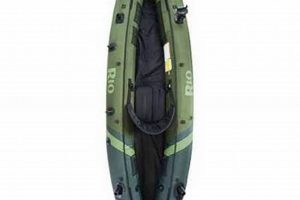
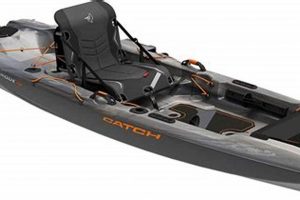
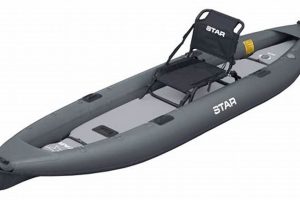
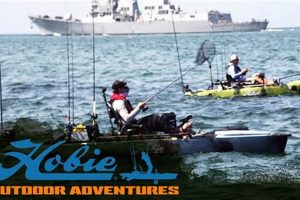
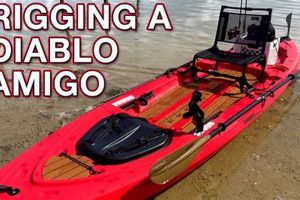
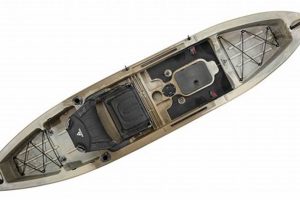
Fishing from small, human-powered vessels offers a unique blend of mobility and stealth. Anglers utilize these vessels to access shallow waters, navigate tight waterways, and approach fish with minimal disturbance. This method allows for a close connection with nature and a different perspective on the sport.
This approach presents several advantages. The compact nature of these boats allows them to reach areas inaccessible to larger motorized craft, opening up a wider range of fishing opportunities. Their quiet operation minimizes disturbance to aquatic life, potentially increasing catch rates. Historically, small boats have played a vital role in fishing cultures worldwide, providing sustenance and supporting livelihoods. Their continued use in modern angling highlights their enduring effectiveness and adaptability.
This article will explore various aspects of this fishing style, covering topics such as vessel selection, essential gear and techniques, popular species targeted, and responsible fishing practices.
Tips for Fishing from a Kayak
Careful planning and preparation contribute significantly to a successful and enjoyable fishing experience from a kayak.
Tip 1: Prioritize Stability: Vessel stability is paramount. Consider wider, flatter-hulled kayaks for enhanced stability, especially for beginners or when fishing in rougher waters.
Tip 2: Organize Gear Strategically: Efficient gear organization is crucial in a limited space. Utilize tackle boxes, crates, and specialized kayak storage solutions to keep equipment accessible and prevent clutter.
Tip 3: Practice Paddle Strokes: Mastering efficient paddle strokes conserves energy and allows for precise maneuvering. Practice different strokes to control the kayak’s direction and speed effectively.
Tip 4: Understand Water Conditions: Assess water conditions before embarking. Wind, currents, and tides can significantly impact kayak control and safety. Check weather forecasts and be prepared to adjust plans accordingly.
Tip 5: Employ Appropriate Anchoring Techniques: Secure anchoring prevents drifting and maintains position in desired fishing spots. Consider using a stake-out pole or a drift sock in shallow or moving water.
Tip 6: Respect Wildlife and the Environment: Practice catch-and-release whenever possible. Adhere to local fishing regulations and minimize environmental impact by properly disposing of waste and avoiding disturbances to natural habitats.
Tip 7: Prioritize Safety: Wear a personal flotation device (PFD) at all times. Carry essential safety equipment, including a whistle, signaling device, and first-aid kit. Inform someone of your fishing plans and estimated return time.
By following these guidelines, anglers can maximize their chances of a productive and safe fishing trip while minimizing environmental impact.
These tips provide a foundation for successful kayak fishing. Further research and experience will refine techniques and enhance enjoyment of this specialized angling approach.
1. Stability

Stability is a critical factor in selecting a kayak for fishing. A stable platform allows anglers to cast, reel, and land fish effectively, while minimizing the risk of capsizing. Various design elements and practices contribute to kayak stability, each playing a crucial role in overall performance and safety.
- Hull Design
Hull design significantly influences stability. Wider, flatter hulls generally offer greater initial stability, making them suitable for calmer waters and less experienced paddlers. However, they may sacrifice maneuverability and speed. Narrower, V-shaped hulls enhance speed and tracking but decrease initial stability. Specialized hull designs, such as pontoon hulls or multi-hull configurations, maximize stability for specialized fishing applications.
- Center of Gravity
Maintaining a low center of gravity enhances stability. Distributing weight evenly within the kayak, avoiding high stacking of gear, and keeping movements smooth and controlled contribute to a lower center of gravity and increased stability. The angler’s body position also influences the center of gravity; sitting upright and centered optimizes balance.
- Water Conditions
Water conditions directly impact stability. Calm, flat water presents fewer stability challenges compared to rough water or strong currents. Wind can also destabilize a kayak, especially when combined with waves. Anglers should assess water conditions before embarking and choose a kayak and paddling technique appropriate for the expected environment.
- Kayak Features
Specific kayak features enhance stability. Outriggers provide additional lateral stability. Stabilizer fins or rudders improve tracking and minimize the impact of wind and waves. Wider seats and footrests provide a more secure and stable platform for the angler.
Considering these facets of stability contributes significantly to informed kayak selection and safe, effective angling. Choosing a kayak with appropriate stability characteristics for the intended fishing environment and angler experience level enhances on-the-water performance and promotes a positive fishing experience. Proper weight distribution and understanding the impact of water conditions further contribute to safe and effective kayak fishing.
2. Maneuverability

Maneuverability in a fishing kayak directly influences an angler’s ability to navigate various water environments and access prime fishing locations. Efficient maneuvering enables precise boat control, crucial for navigating tight waterways, approaching fish stealthily, and adapting to changing water conditions. Understanding the factors affecting maneuverability allows for informed kayak selection and enhanced on-the-water performance.
- Hull Length and Shape
Shorter kayaks generally offer greater maneuverability, allowing for tighter turns and quicker adjustments in direction. Longer kayaks track straighter and glide more efficiently but sacrifice turning agility. Hull shape also plays a role; kayaks with a more pronounced rocker (upward curve at the bow and stern) tend to turn more easily than those with flatter hulls.
- Water Conditions
Currents, wind, and waves impact maneuverability. Strong currents require greater paddling effort and precise boat control to maintain desired positioning. Wind can push a kayak off course, especially lighter, shorter models. Maneuvering in waves requires adjusting paddling technique and maintaining balance.
- Paddle Type and Technique
Paddle length and blade shape influence maneuverability. Shorter paddles offer quicker strokes for enhanced turning, while longer paddles generate more power for straight-line paddling. Feathered paddle blades reduce wind resistance. Proper paddling technique, including draw strokes and sweep strokes, allows for efficient turning and directional control.
- Rudder or Skeg
Rudders and skegs assist in maintaining directional stability and improving tracking, especially in windy conditions or strong currents. A rudder provides active control over steering, while a skeg offers passive directional assistance. These features can enhance maneuverability by reducing the need for corrective strokes.
The interplay of these factors determines a kayak’s overall maneuverability. Selecting a kayak with appropriate maneuverability characteristics for the intended fishing environment enhances angling effectiveness and enjoyment. Understanding the impact of water conditions and employing proper paddling technique further contribute to precise boat control and successful navigation.
3. Storage Capacity

Adequate storage capacity is a crucial factor in fishing kayak selection. The ability to transport essential gear, including tackle boxes, rods, safety equipment, and personal items, directly impacts fishing success and overall comfort. Insufficient storage can lead to a cluttered cockpit, hindering movement and potentially compromising safety. Conversely, ample and well-organized storage allows for efficient access to equipment, promoting a streamlined and enjoyable fishing experience.
Different fishing styles necessitate varying storage requirements. Anglers targeting larger species may require more robust rod holders and storage for heavier tackle. Fly fishermen may prioritize specialized compartments for fly boxes and lines. Kayak anglers venturing into remote locations or engaging in multi-day trips benefit from larger storage compartments for camping gear and provisions. Understanding these specific needs informs appropriate kayak selection.
Practical storage solutions enhance on-the-water efficiency. Built-in storage compartments, such as hatches, tank wells, and side pockets, offer designated spaces for specific gear. Aftermarket accessories, including rod holders, tackle crates, and dry bags, further expand storage options and contribute to organized gear management. Prioritizing weight distribution when loading a kayak ensures balanced performance and stability. Distributing heavier items lower and towards the center of the kayak enhances stability and prevents tipping.
Careful consideration of storage capacity contributes significantly to a successful and enjoyable kayak fishing experience. Matching storage solutions to specific fishing needs and employing effective organization techniques maximizes on-the-water efficiency and safety, allowing anglers to focus on the pursuit of their target species.
4. Comfort

Comfort plays a pivotal role in the overall kayak fishing experience. Extended periods on the water, often in varying weather conditions, necessitate a comfortable seating arrangement and ergonomic design. Discomfort can detract from focus and enjoyment, potentially shortening fishing trips and limiting overall success. A comfortable kayak allows anglers to maintain focus on fishing, enhancing endurance and enjoyment.
Several factors contribute to kayak fishing comfort. Seat design, including cushioning, back support, and adjustability, significantly impacts comfort levels, especially during long hours on the water. Sufficient legroom and adjustable footrests accommodate different body sizes and paddling styles, promoting proper posture and reducing fatigue. A stable and well-balanced kayak minimizes the need for constant adjustments and reduces strain on the body. Features like padded armrests and adjustable backrests further enhance comfort, particularly for anglers with back problems or physical limitations. Appropriate clothing and paddling gear, including breathable fabrics and waterproof outerwear, contribute to overall comfort by regulating body temperature and protecting against the elements.
Prioritizing comfort enhances fishing performance and enjoyment. A comfortable angler can maintain focus and concentration for extended periods, maximizing opportunities for success. Reduced fatigue allows for longer fishing trips and exploration of wider areas. Moreover, comfort contributes significantly to a positive and rewarding experience, encouraging continued participation in the sport. Considering comfort features when selecting a fishing kayak is an investment in long-term enjoyment and success on the water. Understanding the interplay between comfort and performance empowers anglers to make informed decisions and optimize their time on the water.
5. Sit-on-top vs. Sit-inside
The choice between a sit-on-top (SOT) and sit-inside (SINK) kayak significantly impacts the fishing experience. Each design presents distinct advantages and disadvantages that cater to specific fishing styles, environmental conditions, and personal preferences. Understanding these differences is crucial for selecting the optimal kayak for a given fishing application.
- Stability and Accessibility
SOT kayaks generally offer superior initial stability due to their wider, flatter hulls. This design makes them ideal for casting and reeling, especially for beginners. Their open design allows for easy entry and exit, facilitating quick transitions in and out of the water. SINK kayaks, while capable of achieving high stability depending on design, typically require more experience to balance effectively. Entry and exit can be more challenging, particularly in rough conditions. Anglers fishing in calm, shallow waters or those prioritizing ease of access often favor SOT kayaks.
- Protection from the Elements and Storage
SINK kayaks offer greater protection from the elements, including cold water, wind, and spray. The enclosed cockpit keeps the paddler drier and warmer, extending comfortable fishing time in colder climates. SINK kayaks often provide more secure storage options, as hatches and compartments are protected from water intrusion. SOT kayaks, while offering storage options like tank wells and hatches, are more susceptible to water entering storage areas. Anglers fishing in colder conditions or those prioritizing dry storage frequently opt for SINK kayaks.
- Maneuverability and Tracking
SINK kayaks, particularly longer models, generally track better and glide more efficiently than SOT kayaks. Their sleeker profile reduces water resistance, allowing for faster paddling speeds and covering greater distances. SOT kayaks, while often more maneuverable in tight spaces due to their shorter lengths and flatter bottoms, can be more susceptible to wind drift. Anglers prioritizing speed and efficient paddling on open water often prefer SINK kayaks, while those fishing in confined areas may favor the maneuverability of SOT kayaks.
- Maintenance and Draining
SOT kayaks are inherently self-bailing, meaning water that enters the cockpit drains through scupper holes. This simplifies maintenance and reduces the risk of swamping. SINK kayaks require manual bailing or the use of a bilge pump to remove water that enters the cockpit. Anglers prioritizing ease of maintenance and operating in conditions where swamping is a possibility often choose SOT kayaks.
The selection of a SOT or SINK kayak depends on individual needs and priorities. Considering factors such as fishing style, target species, water conditions, and personal preferences allows anglers to choose the kayak that best suits their specific requirements. The optimal kayak enhances fishing performance, comfort, and safety, contributing to a more enjoyable and productive experience on the water.
Frequently Asked Questions
This section addresses common inquiries regarding fishing from small, human-powered vessels.
Question 1: What type of small, human-powered vessel is best suited for beginners?
Wider, more stable platforms, such as recreational kayaks or inflatable vessels with a wide beam, are often recommended for novice anglers. These vessels provide a secure platform for learning basic paddling and fishing techniques.
Question 2: What essential safety equipment should be carried?
Essential safety gear includes a personal flotation device (PFD), a whistle, a visual signaling device (such as a mirror or flare), a first-aid kit, and a communication device (e.g., VHF radio or waterproof cell phone). Local regulations may mandate additional safety equipment.
Question 3: How does one choose appropriate fishing gear for this method?
Rods and reels should be selected based on target species and fishing techniques. Shorter rods are often preferred for confined spaces. Tackle selection should consider the prevalent forage and target species in the intended fishing area. A fishing net facilitates safe fish handling and release.
Question 4: What are effective techniques for maintaining stability while fishing?
Maintaining a low center of gravity is key to stability. Distributing weight evenly, avoiding sudden movements, and practicing paddle strokes conducive to balance enhance stability. Using an anchor or drift sock helps maintain position and stability in currents or wind.
Question 5: How does one locate productive fishing areas from these small vessels?
Researching local fishing reports, consulting maps and charts to identify potential fish-holding structures (e.g., submerged vegetation, drop-offs, or rocky areas), and observing bird activity can help pinpoint productive fishing spots.
Question 6: What ethical considerations should be kept in mind?
Practicing catch-and-release whenever possible, adhering to local fishing regulations, minimizing environmental impact by properly disposing of waste, and respecting wildlife habitats contribute to responsible angling practices.
Understanding these fundamental aspects contributes to a safe, enjoyable, and responsible approach. Further research and on-the-water experience enhance proficiency and knowledge.
The next section will delve into advanced techniques for specific fishing scenarios.
Conclusion
This exploration of fishing from kayaks has highlighted the unique blend of accessibility, maneuverability, and connection with nature that this method offers. Key considerations for vessel selection, including stability, storage capacity, and comfort, underscore the importance of choosing the right kayak for individual needs and fishing styles. Understanding maneuvering techniques, safety procedures, and responsible angling practices ensures both a productive and ethical approach. The discussion of sit-on-top versus sit-inside kayaks further emphasizes the nuanced decision-making process involved in optimizing the fishing experience.
The growing popularity of this specialized angling method reflects a broader trend towards seeking closer engagement with the natural world. As technology continues to evolve and kayak design advances, the potential for exploration and enjoyment within this fishing discipline remains vast. Careful consideration of the principles and practices outlined herein empowers anglers to embrace this evolving approach responsibly and successfully.