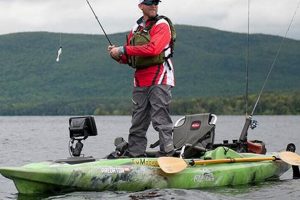
A companion joining another angler in a small, human-powered watercraft for the purpose of sport or recreational fishing constitutes a valuable asset. This shared experience involves two or more individuals using kayaks for fishing, often collaborating on location scouting, fish finding, and safety precautions. For example, one angler might paddle against the current while the other casts toward likely holding spots.
The advantages of such partnerships are numerous. Enhanced safety through mutual assistance in emergencies, shared knowledge of fishing techniques and locations, and the camaraderie of a shared outdoor experience all contribute significantly to a more enjoyable and productive outing. Historically, fishing has often been a solitary pursuit, but the rise in popularity of kayak fishing has seen a concomitant increase in paired or group excursions, reflecting a desire for both improved safety and social interaction.
The following sections will delve deeper into essential considerations for selecting a compatible fishing partner, communication strategies on the water, cooperative fishing tactics, and recommended safety protocols for a successful and enjoyable shared kayaking fishing adventure.
Tips for Kayak Fishing with a Companion
Successful kayak fishing excursions with a partner hinge on careful planning and effective communication. The following tips offer guidance for a safe and rewarding shared experience.
Tip 1: Establish Clear Communication Protocols. Before launching, agree on hand signals or verbal cues for indicating fish sightings, changes in direction, or potential hazards. Consistent communication minimizes misunderstandings and maximizes efficiency on the water.
Tip 2: Coordinate Kayak Selection and Gear. Using similar kayaks facilitates synchronized paddling and maneuvering. Compatibility in fishing gear, such as rod lengths and target species, streamlines the overall experience.
Tip 3: Plan and Share Navigation Responsibilities. Pre-determine routes and designate navigation lead roles to maintain course consistency and avoid confusion, especially in challenging currents or unfamiliar waters.
Tip 4: Implement a Buddy System for Enhanced Safety. Maintain visual contact whenever possible and regularly check in on each other’s well-being. Sharing emergency contact information and float plan details is paramount.
Tip 5: Respect Personal Space and Fishing Styles. While collaboration is key, maintaining a respectful distance allows each angler to focus and enjoy their individual fishing experience. Acknowledge preferred casting techniques and avoid line tangling.
Tip 6: Distribute Gear and Supplies Evenly. Balance the weight distribution in both kayaks by sharing essential safety equipment, food, water, and fishing gear. This enhances stability and prevents one kayak from being overloaded.
Tip 7: Practice Collaborative Fishing Techniques. Employ strategies that capitalize on teamwork, such as one angler paddling into the current while the other casts, or using coordinated retrieves to target schools of fish effectively.
Adhering to these guidelines contributes significantly to a safer, more productive, and enjoyable shared kayak fishing adventure. Careful planning and open communication enhance teamwork, leading to a rewarding experience for all participants.
By implementing these strategies, anglers can maximize their chances of success and create lasting memories on the water. The following section will offer concluding thoughts on the value of companionship in kayak fishing.
1. Safety

Safety is paramount in kayak fishing, and the presence of a companion significantly enhances it. Individual anglers face inherent risks on the water, but a partner provides an additional layer of security, transforming potential emergencies into manageable situations. This section will explore key facets of safety amplified by having a kayak fishing buddy.
- Assistance in Emergencies
Capsizing, equipment failure, or unexpected medical issues can become life-threatening situations for solo anglers. A companion can provide immediate aid, such as assistance in righting a capsized kayak, retrieving lost equipment, or calling for help. Consider a scenario where an angler gets a fish hook embedded in their hand; a buddy can assist with removal or provide first aid while contacting emergency services.
- Enhanced Visibility and Communication
Two kayaks are more visible to boat traffic than one, reducing the risk of collisions. A companion can also assist with communication in emergencies, especially if one angler’s communication devices malfunction. For example, if dense fog rolls in, a buddy can help maintain visual contact and relay signals to other boaters.
- Shared Situational Awareness
Two sets of eyes observing weather patterns, water conditions, and potential hazards offer a broader perspective, allowing for more informed decisions and timely responses to changing circumstances. If one angler overlooks a submerged log, the other might spot it and prevent a collision.
- First Aid and CPR Support
In the event of an injury, a companion trained in first aid and CPR can provide critical care while awaiting professional medical assistance. A quick response to a medical emergency, such as a severe allergic reaction or a laceration, can significantly improve outcomes.
These combined safety benefits significantly mitigate risks inherent in kayak fishing. The presence of a knowledgeable and prepared companion transforms potential dangers into manageable situations, allowing anglers to focus on the enjoyment of the sport while minimizing potential risks. The ability to rely on a partner in challenging circumstances creates a more secure and confident on-the-water experience, fostering a more relaxed and enjoyable fishing trip.

The combined expertise of kayak fishing partners contributes significantly to a more productive and enjoyable outing. Pooling knowledge bases creates a synergistic effect, enhancing situational awareness, optimizing fishing strategies, and enriching the overall learning experience. This shared understanding of fishing techniques, location-specific nuances, and safety procedures proves invaluable on the water.
- Location Expertise
Individuals often possess intimate knowledge of specific fishing spots, including optimal tide times, preferred bait choices, and prevalent species. Sharing this localized expertise allows partners to access otherwise unknown prime fishing areas and increases the likelihood of successful catches. For example, one angler might know the precise location of a submerged reef that attracts specific fish, while the other might have insights into the best lures to use in that particular area.
- Technique Exchange
Anglers often specialize in certain fishing techniques. Sharing these specialized skills, whether fly fishing, trolling, or jigging, broadens each partner’s repertoire and allows for adaptable strategies tailored to specific conditions. One partner might be adept at using topwater lures, while the other excels at bottom fishing; by sharing techniques, both anglers can diversify their approaches and potentially increase their catch rates.
- Species Identification and Handling
Accurate species identification is crucial for adhering to regulations and practicing ethical catch-and-release protocols. Partners with varying experience levels can share knowledge regarding species-specific characteristics, legal size limits, and appropriate handling techniques, ensuring responsible and sustainable fishing practices. For example, one angler might be experienced in identifying various types of bass, while the other might be knowledgeable about proper handling techniques to minimize stress on released fish.
- Safety Procedures and Equipment Familiarity
Shared knowledge about safety procedures and equipment operation is essential for mitigating risks. Partners can reinforce best practices regarding navigation, emergency protocols, and the use of safety gear like personal flotation devices and signaling devices. For example, if one angler is more familiar with using a marine radio, they can share that knowledge with their partner, improving overall communication capabilities in an emergency.
This collective knowledge base creates a dynamic learning environment and significantly elevates the overall kayak fishing experience. Beyond improved catch rates, shared knowledge fosters camaraderie and strengthens the bond between fishing companions, creating lasting memories and a more enriching outdoor adventure.
3. Companionship
Companionship forms a cornerstone of the kayak fishing buddy experience, transforming a solitary pursuit into a shared adventure. The human element inherent in companionship fosters a sense of camaraderie and mutual support, enriching the overall experience beyond the technical aspects of fishing. This connection goes beyond simply having another person present; it creates a dynamic where shared experiences build stronger bonds and contribute to a more positive and memorable outing.
The presence of a companion mitigates the potential isolation of kayak fishing, fostering a sense of shared purpose and mutual reliance. Conversations, shared meals on the water, and collaborative efforts create a sense of community. This shared experience strengthens relationships and creates lasting memories, transforming a fishing trip into a valuable social occasion. For instance, overcoming a challenging paddling situation or celebrating a successful catch together strengthens the bond between companions, fostering a sense of shared accomplishment. Furthermore, sharing the quiet moments on the water, observing wildlife, or simply enjoying the scenery creates a deeper connection than could be achieved alone. The shared experience of navigating waterways, facing challenges, and celebrating successes amplifies the enjoyment and creates a sense of shared accomplishment, bolstering the overall positive impact of the outing.
The value of companionship in kayak fishing extends beyond the immediate experience. Shared memories create lasting bonds and often fuel future adventures. The shared challenges and triumphs become interwoven with the personal narratives of each participant, strengthening the relationship and fostering a deeper appreciation for the activity itself. This shared history contributes to a richer, more fulfilling experience, reinforcing the importance of companionship in outdoor pursuits. The knowledge that someone is present to offer support, share in the experience, and contribute to a sense of community significantly enhances the overall enjoyment and psychological well-being associated with kayak fishing, transforming it from a solitary sport into a socially enriching activity.
4. Collaboration
Collaboration forms an integral component of successful kayak fishing with a partner. It extends beyond simply sharing a vessel and encompasses coordinated efforts to enhance safety, efficiency, and overall enjoyment. Effective teamwork leverages individual strengths and fosters a sense of shared purpose, transforming individual efforts into a cohesive and productive unit. This cooperative approach maximizes the potential of the shared experience, resulting in increased success and a more rewarding outing.
Consider a scenario where one angler spots a promising cove difficult to access against prevailing winds. Through collaboration, one angler might paddle while the other prepares fishing gear, allowing quick entry and optimal fishing time. Alternatively, if targeting schooling fish, coordinated casting and retrieval strategies can significantly increase catch rates compared to individual, uncoordinated efforts. Similarly, sharing navigational responsibilities, such as map reading and GPS operation, allows one angler to focus on maneuvering while the other monitors their course, improving overall efficiency and safety.
The practical significance of collaboration lies in its ability to transform potential challenges into shared successes. Cooperative efforts, facilitated by clear communication and mutual respect, improve decision-making, resource management, and risk mitigation. By embracing a collaborative mindset, kayak fishing partners transform the experience from a sum of individual efforts into a synergistic partnership where the combined outcome surpasses what could be achieved alone. This shared sense of accomplishment strengthens the bond between partners, creating a more enriching and memorable experience. Challenges such as navigating complex waterways, dealing with unexpected weather changes, or assisting with equipment malfunctions become more manageable through collaborative problem-solving and mutual support, underscoring the importance of teamwork in kayak fishing.
Resource sharing forms a practical and often overlooked advantage of the kayak fishing buddy system. Distributing essential gear, safety equipment, and supplies between two kayaks optimizes weight distribution, enhances stability, and reduces the individual burden carried by each angler. This collaborative approach to resource management contributes to a safer, more efficient, and ultimately more enjoyable fishing experience.
Consider the scenario of a full-day fishing excursion. Rather than each angler carrying a full complement of safety gear, food, water, and tackle, these resources can be distributed strategically. One kayak might carry the primary first-aid kit and emergency communication devices, while the other carries additional food and water. Similarly, sharing specialized fishing gear, such as a fish finder or a landing net, reduces redundancy and allows each angler to carry a wider variety of lures or tackle without overloading their individual kayak. This division of resources not only improves stability and maneuverability but also reduces the physical strain on each angler, particularly during long paddling sessions or challenging weather conditions. For example, if one angler experiences equipment failure, the shared resources provide a backup, preventing premature termination of the fishing trip and ensuring continued safety.
The practical significance of shared resources extends beyond simple convenience. It represents a tangible manifestation of the collaborative spirit inherent in the kayak fishing buddy system. By pooling resources, anglers demonstrate a commitment to mutual support and shared success. This collaborative approach enhances safety by ensuring redundancy in critical equipment and contributes to a more sustainable and enjoyable experience. Sharing resources also fosters a sense of community and interdependence, reinforcing the value of teamwork and strengthening the bond between fishing partners. The ability to rely on a companion in times of need, whether for a spare paddle, a sip of water, or a crucial piece of safety gear, transforms potential setbacks into manageable situations, allowing anglers to focus on the enjoyment of the sport with greater confidence and peace of mind.
6. Enhanced Fishing

Enhanced fishing outcomes often result from the synergistic collaboration inherent in the kayak fishing buddy system. Strategic partnerships leverage individual strengths, specialized knowledge, and coordinated efforts to improve fishing success beyond what solitary anglers typically achieve. This improvement stems from several factors, including increased coverage area, cooperative fishing strategies, and shared knowledge of fishing techniques and locations. The presence of a companion multiplies the opportunities for locating fish, optimizing lure presentation, and effectively landing catches, transforming the fishing experience from an individual pursuit into a collaborative endeavor with significantly increased potential.
Consider a scenario where one angler excels at using topwater lures while the other specializes in bottom fishing techniques. By working together, they can effectively cover different sections of the water column, increasing the likelihood of attracting various species and adapting to changing fish behavior. Alternatively, two anglers can coordinate their efforts to target schooling fish, using one kayak to herd the fish toward the other’s strategically positioned line. The shared knowledge of fishing locations and optimal conditions further enhances this synergy. One angler might have expertise in reading tidal charts and identifying prime fishing spots, while the other might possess in-depth knowledge of local fish behavior and preferred bait choices. This shared expertise contributes to a more informed and effective approach, significantly improving the chances of a successful outing.
The practical significance of this enhanced fishing experience extends beyond simply increasing catch rates. It fosters a sense of shared accomplishment and strengthens the bond between fishing companions. The collaborative nature of the experience, marked by shared successes and mutual support during challenging moments, creates a more enriching and rewarding outing. Overcoming obstacles, such as navigating difficult currents or adapting to changing weather conditions, reinforces the value of teamwork and creates lasting memories. Furthermore, the shared learning experience, facilitated by the exchange of techniques and knowledge, contributes to individual growth and a deeper appreciation for the sport, solidifying the connection between enhanced fishing and the value of a kayak fishing buddy.
7. Mutual Support

Mutual support forms a critical, often overlooked, aspect of the kayak fishing buddy dynamic. Beyond the practical benefits of shared resources and collaborative fishing strategies, the emotional and psychological support provided by a companion significantly enhances resilience, mitigates stress, and contributes to a more positive and enjoyable experience. This support network fosters a sense of security and shared purpose, transforming potential challenges into opportunities for growth and strengthening the bond between fishing partners.
- Emotional Encouragement
Fishing can be challenging, with slow days and elusive catches testing an angler’s patience and resilience. A supportive companion offers encouragement during these periods, maintaining morale and fostering a positive mindset. Sharing frustrations, celebrating small victories, and providing positive reinforcement helps maintain focus and enjoyment, even when fish aren’t biting. A simple expression of encouragement, such as “Keep casting, you’ll get one eventually,” can significantly impact an angler’s perseverance and overall enjoyment.
- Stress Reduction through Shared Responsibility
Navigational challenges, equipment malfunctions, or unexpected weather changes can induce stress during a fishing trip. Sharing responsibilities and decision-making processes distributes the mental burden, reducing individual stress levels. Knowing that someone is present to offer assistance and share the burden of navigating through challenging conditions or troubleshooting equipment problems creates a sense of security and reduces anxiety, allowing for a more relaxed and enjoyable experience.
- Increased Confidence in Challenging Situations
Facing unfamiliar waters, adverse weather conditions, or challenging fishing scenarios can be daunting for solo anglers. The presence of a supportive companion fosters confidence and empowers individuals to push beyond their comfort zones. Knowing someone is available to provide assistance and moral support fosters a sense of security, encouraging exploration and risk-taking, leading to greater personal growth and more memorable experiences.
- Enhanced Camaraderie and Shared Experience
Mutual support extends beyond practical assistance and encompasses a shared emotional journey. Celebrating successes together, commiserating over missed opportunities, and supporting each other through challenging moments strengthens the bond between fishing partners. This shared experience creates lasting memories and fosters a deeper appreciation for the sport, transforming a fishing trip into a meaningful social occasion that strengthens relationships and builds lasting connections.
This foundation of mutual support strengthens the overall kayak fishing buddy experience, fostering resilience, enhancing enjoyment, and building lasting camaraderie. The knowledge that someone is present to offer assistance, encouragement, and shared understanding transforms potential stressors into shared challenges, creating a more positive, fulfilling, and ultimately more meaningful outdoor adventure.
Frequently Asked Questions
Addressing common inquiries regarding shared kayak fishing expeditions can enhance safety, improve planning, and foster a more rewarding experience for all participants. The following frequently asked questions offer valuable insights for prospective kayak fishing companions.
Question 1: How does one select a compatible kayak fishing partner?
Compatibility hinges on shared experience levels, similar fishing styles, and aligned safety priorities. Open communication regarding expectations and skill sets before embarking on a trip is crucial. Consider factors such as preferred fishing locations, target species, and desired pace of the outing. A shared commitment to safety protocols and responsible angling practices forms the foundation of a successful partnership.
Question 2: What essential safety equipment should kayak fishing partners carry?
Essential safety equipment includes personal flotation devices (PFDs), a whistle or air horn, a visual distress signal (VDS), a first-aid kit, a communication device (e.g., VHF radio or waterproof cell phone), a bilge pump or bailing device, and navigation lights if fishing at dawn, dusk, or night. Distributing these items between kayaks ensures redundancy in case of an emergency.
Question 3: How can communication be maintained effectively while kayak fishing?
Establishing clear communication protocols before launching is essential. Pre-determined hand signals, verbal cues, or short-range two-way radios facilitate efficient communication on the water, particularly amidst ambient noise like wind or waves. Regularly checking in with one’s partner ensures ongoing awareness of their well-being and fishing success.
Question 4: What strategies can enhance fishing success when kayaking with a partner?
Collaborative fishing strategies can significantly improve outcomes. Techniques such as one angler paddling while the other casts, coordinating lure retrievals to target schools of fish, or sharing knowledge of productive fishing spots leverage the strengths of each angler. Open communication and a willingness to experiment with different approaches maximize the potential for a successful outing.
Question 5: How can potential conflicts or disagreements be managed effectively during a kayak fishing trip?
Open and respectful communication forms the cornerstone of conflict resolution. Addressing concerns calmly and directly, focusing on collaborative solutions, and maintaining a sense of humor can diffuse tense situations. Pre-trip discussions about expectations and preferred fishing styles can minimize the potential for disagreements on the water.
Question 6: What are the legal and ethical considerations for kayak fishing with a companion?
Adhering to all applicable fishing regulations, including licensing requirements, catch limits, and size restrictions, is paramount. Practicing ethical catch-and-release techniques, minimizing environmental impact, and respecting other anglers’ space ensures the sustainability of the sport and fosters a positive image of kayak fishing within the broader community.
Careful planning, open communication, and a shared commitment to safety and ethical practices enhance the overall kayak fishing experience. Addressing these frequently asked questions proactively contributes to a more enjoyable, productive, and safer outing for all participants.
The following section will offer concluding thoughts on the value of companionship in kayak fishing.
The Kayak Fishing Companion
This exploration has highlighted the multifaceted value inherent in the shared experience of kayak fishing with a companion. Enhanced safety protocols, collaborative fishing strategies, shared knowledge and resources, and the invaluable element of mutual support contribute significantly to a more productive, enjoyable, and secure on-the-water experience. From mitigating risks through partnered assistance to amplifying successes through coordinated efforts, the presence of a compatible fishing partner elevates kayak fishing beyond a solitary pursuit, transforming it into a dynamic and rewarding social activity.
The future of kayak fishing undoubtedly rests, in part, upon fostering a culture of safe and responsible angling practices, often best achieved through partnered experiences. Mentorship opportunities, shared learning experiences, and the continued emphasis on collaborative safety protocols will further solidify the importance of companionship within the kayaking fishing community. Embracing this collaborative spirit not only enhances individual enjoyment but also contributes to the long-term sustainability and positive growth of the sport.