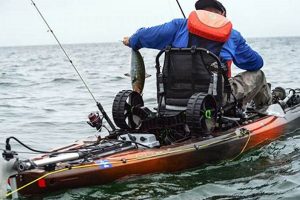
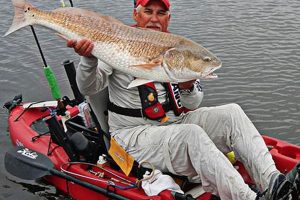
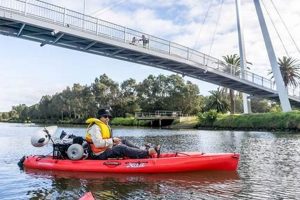
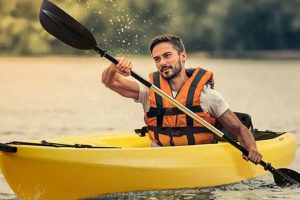
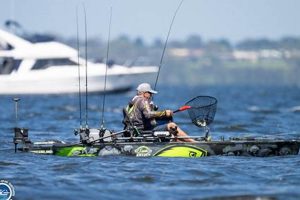
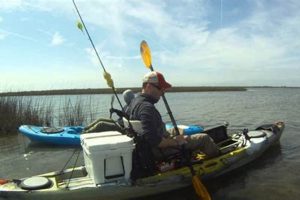
The Dallas-Fort Worth metroplex offers a unique blend of urban convenience and access to diverse waterways, making it an attractive location for angling from small, human-powered vessels. This activity combines the tranquility of paddling with the excitement of catching various freshwater species. Imagine navigating calm, tree-lined rivers, exploring expansive lakes, or targeting fish in hidden urban ponds, all within a short drive from major city centers.
This pursuit provides several advantages. Its affordability makes it accessible to a wider range of individuals compared to motorized boating. The maneuverability of kayaks allows anglers to reach secluded fishing spots inaccessible to larger vessels, increasing the chances of encountering fish. Further, the quiet nature of kayaks reduces disturbance to aquatic life, often leading to improved fishing success. The increasing popularity of this activity in the region is evidenced by the growing number of specialized outfitters, guided tours, and online communities dedicated to sharing tips and locations.
This resource aims to provide comprehensive information for individuals interested in exploring the opportunities available within the DFW area. Topics covered will include suitable locations, essential equipment, licensing regulations, local fish species, and responsible angling practices. Additional resources for beginners and experienced anglers alike will also be provided.
Tips for Kayak Fishing in the DFW Metroplex
Successful kayak angling requires careful planning and preparation. The following tips offer valuable insights to enhance fishing experiences within the Dallas-Fort Worth area.
Tip 1: Research Suitable Locations: Thorough research is crucial for identifying productive fishing spots and understanding specific regulations. Online forums, local fishing reports, and maps can provide valuable information about access points, water conditions, and target species.
Tip 2: Prioritize Safety Equipment: A personal flotation device (PFD) is essential. Additional safety gear should include a whistle, a first-aid kit, and a communication device. Checking weather forecasts before embarking is also vital.
Tip 3: Choose Appropriate Tackle and Gear: Rod and reel selection should align with targeted fish species. A well-organized tackle box containing essential lures, hooks, weights, and line is crucial for efficient fishing. Consider using a fish finder to locate fish concentrations.
Tip 4: Master Basic Kayak Maneuvering: Practice paddling and maneuvering the kayak effectively before venturing into open water. This ensures efficient navigation and reduces the risk of accidents, especially in currents or windy conditions.
Tip 5: Employ Effective Fishing Techniques: Understanding preferred fishing methods for local species increases success rates. Researching effective lures, bait presentations, and retrieval techniques tailored to the target fish is advisable.
Tip 6: Respect Local Regulations and Environment: Adhering to all licensing requirements and catch limits is crucial. Practicing catch-and-release principles whenever possible contributes to the conservation of local fish populations. Proper disposal of fishing line and other waste helps preserve the natural environment.
Tip 7: Plan for Weather Conditions: Texas weather can be unpredictable. Check the forecast before heading out and be prepared for changing conditions. Dress in layers and carry rain gear if necessary. Consider the impact of wind and sun exposure, especially during warmer months.
By following these guidelines, anglers can maximize their chances of a successful and enjoyable fishing experience while prioritizing safety and responsible angling practices.
This information lays a foundation for successful kayak fishing within the DFW area. The following sections will delve into specific locations, target species, and advanced techniques.
1. Location Selection

Strategic location selection is paramount for successful kayak fishing within the Dallas-Fort Worth area. The diverse waterways offer a range of environments, each presenting unique opportunities and challenges. Careful consideration of factors such as target species, water conditions, and accessibility is essential for maximizing fishing success and overall experience.
- Lake Fishing:
Large reservoirs like Lake Grapevine, Lake Ray Roberts, and Lake Lewisville offer ample space for exploration and diverse fish populations. Kayak anglers can target largemouth bass, white bass, crappie, and catfish. However, wind and boat traffic present challenges requiring careful planning and navigation.
- River Fishing:
The Trinity River, Elm Fork, and West Fork offer a different experience. These flowing waters provide opportunities for targeting species like smallmouth bass, catfish, and sunfish. Navigating currents, fallen trees, and shallow areas requires specialized kayak control and awareness of changing water levels.
- Pond and Creek Fishing:
Smaller urban ponds and creeks offer accessible and often overlooked fishing opportunities. These locations may hold bass, sunfish, and catfish. Kayaks provide an advantage in these environments due to their maneuverability and quiet approach, allowing access to areas inaccessible by larger boats.
- Access Points and Regulations:
Researching public access points, parking availability, and any specific regulations for each location is crucial before launching. Some areas may require permits or have restrictions on motorless watercraft. Understanding these factors ensures a smooth and legal fishing experience.
Effective location selection optimizes kayak fishing within the DFW metroplex. By considering the specific characteristics of each waterway and planning accordingly, anglers can increase their chances of a productive and enjoyable experience. Matching location choice with target species, skill level, and desired fishing style ultimately determines the success of any kayak fishing outing.
2. Equipment Essentials

Appropriate equipment selection significantly impacts success and safety in kayak fishing within the Dallas-Fort Worth metroplex. The unique demands of this activity necessitate specialized gear tailored to the local environment and target species. Understanding these essential items enhances fishing effectiveness and ensures a safe and enjoyable experience.
A stable and maneuverable kayak forms the foundation of this pursuit. Shorter kayaks offer increased agility in rivers and creeks, while longer models provide stability and speed on larger lakes. Features like rod holders, anchor trolleys, and storage compartments improve functionality. Paddle choice influences paddling efficiency and fatigue levels. A comfortable and appropriately sized personal flotation device (PFD) is non-negotiable. Additional safety items include a whistle, signaling devices, and a first-aid kit.
Fishing gear selection depends on target species. Rods and reels should match the size and fighting strength of the fish. Line weight and lure selection influence casting distance and presentation. A well-organized tackle box containing hooks, weights, swivels, and a variety of lures caters to diverse fishing conditions. Specialized tools like fish finders, GPS units, and landing nets enhance efficiency. Weather protection, including appropriate clothing and rain gear, safeguards against unpredictable Texas weather.
Investing in quality equipment tailored to the DFW environment contributes significantly to a productive and safe kayak fishing experience. Prioritizing essential safety gear mitigates risks. Selecting appropriate rods, reels, and tackle maximizes chances of success. Understanding the interplay between equipment, environment, and target species ultimately defines a successful angling outing.
3. Safety Precautions
Safety precautions are paramount in kayak fishing within the Dallas-Fort Worth metroplex. The combination of water, weather, and other boat traffic presents inherent risks requiring careful consideration and proactive measures. Neglecting safety protocols can lead to serious consequences, ranging from minor injuries to life-threatening situations. Understanding and implementing appropriate safety measures ensures enjoyable and incident-free fishing experiences.
Weather conditions in North Texas can change rapidly. Sudden wind gusts, thunderstorms, and temperature fluctuations pose significant threats to kayakers. Checking weather forecasts before embarking and continuously monitoring conditions during outings is crucial. Wearing appropriate clothing, including layers for temperature changes and rain gear, mitigates weather-related risks. Strong winds can create challenging paddling conditions and increase the risk of capsizing. Understanding wind patterns and avoiding open water during high winds is essential.
Sharing waterways with motorized vessels necessitates heightened awareness. Kayaks’ lower profile makes them less visible to larger boats. Wearing bright clothing, using flags or lights, and understanding boating navigation rules minimizes collision risks. Maintaining a safe distance from motorized vessels and anticipating their movements enhances safety. Carrying a whistle or air horn allows kayakers to signal their presence in emergencies. Knowledge of basic first aid and CPR provides essential skills for responding to unforeseen incidents.
Implementing proactive safety measures significantly reduces risks associated with kayak fishing in the DFW metroplex. Consistent adherence to safety protocols protects anglers from preventable accidents and promotes responsible enjoyment of this activity. Careful planning, weather awareness, and understanding navigational rules are crucial for ensuring safe and successful fishing experiences.
4. Species Targeting
Effective species targeting is a cornerstone of successful kayak fishing within the Dallas-Fort Worth metroplex. The diverse waterways host a variety of fish species, each exhibiting unique behaviors and habitat preferences. Understanding these nuances allows anglers to select appropriate gear, techniques, and locations, maximizing their chances of a productive fishing experience. A targeted approach conserves resources and minimizes environmental impact by focusing efforts on specific species and avoiding unintended catches.
- Largemouth Bass:
Largemouth bass are a popular target in DFW lakes and ponds. These ambush predators often inhabit areas with submerged vegetation, fallen trees, or rocky structures. Effective techniques include using topwater lures, crankbaits, and plastic worms. Understanding seasonal patterns and adjusting bait presentation accordingly increases success rates.
- White Bass and Hybrid Striped Bass:
These schooling fish thrive in open water areas of larger reservoirs. Targeting them requires locating schools using electronics or visual cues like diving birds. Effective lures include jigs, spoons, and swimbaits retrieved through the school. Understanding their feeding habits and migratory patterns is key to successful angling.
- Crappie:
Crappie are often found near submerged structures like brush piles, docks, and bridge pilings. Small jigs, minnows, and crappie tubes are effective lures. Vertical jigging or slow trolling these offerings near structure attracts crappie. Understanding their preference for cooler, deeper water during warmer months is crucial.
- Catfish:
Catfish inhabit a variety of DFW waterways, from rivers and creeks to lakes and ponds. Bottom fishing with stink baits, cut bait, or prepared catfish bait is effective. Understanding their nocturnal feeding habits often leads to increased catches during low-light conditions. Targeting areas with soft bottoms or near underwater channels enhances success.
By tailoring tackle, techniques, and location selection to specific species, kayak anglers in the DFW area can enhance their chances of success. This focused approach allows for a deeper understanding of fish behavior and habitat preferences, fostering a more engaging and rewarding fishing experience. Furthermore, responsible species targeting contributes to the conservation of local fish populations and preserves the ecological balance of these valuable aquatic environments.
5. Kayak Maneuvering

Effective kayak maneuvering is essential for successful kayak fishing within the Dallas-Fort Worth metroplex. Precise boat control allows anglers to position themselves strategically for optimal casting, presentation, and fish fighting. Understanding various paddling techniques, wind and current impact, and maneuvering in tight spaces significantly enhances fishing success and overall safety.
- Basic Paddling Strokes:
Mastering fundamental paddling strokes like the forward stroke, reverse stroke, and sweep stroke enables efficient movement and directional control. These skills allow anglers to cover water efficiently, maintain position against currents or wind, and approach fishing spots stealthily. Precise paddling reduces disturbances, optimizing fishing opportunities.
- Wind and Current Compensation:
Wind and currents significantly impact kayak positioning, requiring constant adjustments to maintain desired locations. Understanding how wind and current affect kayak drift and utilizing corrective strokes prevents unwanted movement. Anglers can use these natural forces to their advantage by drifting along shorelines or structure while presenting lures effectively.
- Maneuvering in Tight Spaces:
Rivers, creeks, and vegetated areas often require maneuvering in tight spaces. Techniques like draw strokes, side slips, and pivoting enable precise navigation through obstacles and around tight bends. This level of control allows access to secluded fishing spots often inaccessible to larger boats, increasing opportunities for encountering fish.
- Positioning for Hooksets and Fighting Fish:
Proper kayak positioning during hooksets and fights is crucial for landing fish successfully. Anglers must maintain a stable platform while applying appropriate pressure and maneuvering the kayak to prevent line breakage or fish escape. Understanding how to position the kayak relative to the fish’s movement enhances control during the fight and increases landing success.
Proficient kayak maneuvering is integral to successful kayak fishing in the DFW area. Precise boat control enables anglers to navigate diverse waterways effectively, position themselves strategically for optimal casting and presentation, and manage fish fights successfully. Mastering these skills maximizes fishing success and enhances safety, ensuring a more productive and enjoyable experience.
6. Local Regulations
Adherence to local regulations is crucial for responsible kayak fishing within the Dallas-Fort Worth metroplex. These regulations, established by the Texas Parks and Wildlife Department, ensure the sustainability of fish populations and the preservation of aquatic ecosystems. They encompass licensing requirements, catch limits, size restrictions, and permitted fishing methods. Ignoring these regulations can result in fines, legal repercussions, and damage to the environment. Understanding and complying with these rules is essential for maintaining the integrity of DFW’s waterways and ensuring the longevity of this recreational activity.
Fishing licenses are mandatory for anglers over the age of 17. Different license types cater to residents, non-residents, and specific durations. Possessing a valid license appropriate for the fishing activity is a fundamental requirement. Catch limits dictate the number of fish of a particular species that an angler can retain within a specified timeframe. These limits help control fish populations and prevent overfishing. Size restrictions mandate minimum and maximum lengths for certain species. These regulations protect younger fish, allowing them to reach maturity and contribute to breeding populations. Permitted fishing methods vary based on location and species. Some areas may restrict the use of certain gear, such as trotlines or juglines, to minimize environmental impact and ensure fair fishing practices.
Compliance with local regulations safeguards the future of kayak fishing in the DFW area. Responsible angling practices preserve fish populations and protect the delicate balance of aquatic ecosystems. Understanding and adhering to licensing requirements, catch limits, size restrictions, and permitted fishing methods contributes to the sustainability of this valuable recreational resource. This awareness ensures that future generations can continue to enjoy the unique angling opportunities offered within the Dallas-Fort Worth metroplex.
7. Environmental Awareness

Environmental awareness plays a vital role in preserving the ecological integrity of the Dallas-Fort Worth metroplex waterways and ensuring the sustainability of kayak fishing. Kayak anglers, due to their close interaction with the aquatic environment, possess a unique responsibility to minimize their impact and promote conservation. Understanding the interconnectedness of aquatic ecosystems and the potential consequences of human actions is crucial for responsible angling practices.
Discarded fishing line poses a significant threat to aquatic life. Birds, turtles, and fish can become entangled, leading to injury or death. Proper disposal of fishing line in designated receptacles or recycling programs prevents these hazards. Chemical pollutants, such as sunscreen, insect repellent, and boat cleaning products, can contaminate waterways, harming fish and other aquatic organisms. Opting for eco-friendly alternatives or minimizing their use reduces chemical runoff. Kayak anglers often access shallow, vegetated areas, which serve as crucial habitats for fish and other wildlife. Avoiding disturbance of these sensitive areas by paddling carefully and minimizing contact prevents habitat destruction and preserves breeding grounds. Invasive aquatic plant species can disrupt native ecosystems, impacting fish populations and overall water quality. Cleaning kayaks and gear thoroughly after each outing prevents the spread of these invasive species to new locations.
Promoting environmental awareness among the kayak fishing community safeguards the health of DFW waterways. Responsible angling practices, including proper waste disposal, minimizing chemical use, and respecting sensitive habitats, contribute to the long-term sustainability of this recreational activity. Continued education and advocacy within the angling community foster a culture of environmental stewardship, ensuring that future generations can enjoy the natural beauty and angling opportunities offered by the Dallas-Fort Worth metroplex.
Frequently Asked Questions
This section addresses common inquiries regarding kayak fishing within the Dallas-Fort Worth area. The provided information aims to clarify regulations, address safety concerns, and offer practical guidance for anglers.
Question 1: What type of fishing license is required for kayak fishing in the DFW area?
A valid Texas fishing license is required for individuals over the age of 17. Specific license types, such as resident, non-resident, and senior licenses, are available through the Texas Parks and Wildlife Department. Anglers should ensure their license aligns with their residency status and intended fishing duration.
Question 2: Are there specific regulations regarding kayak fishing locations within DFW?
While most public waterways permit kayak fishing, specific regulations may apply to certain areas. Restrictions may include designated no-fishing zones, motor restrictions, or permit requirements. Consulting local authorities or the Texas Parks and Wildlife Department website for specific location information is advisable.
Question 3: What safety precautions are essential for kayak fishing in DFW?
Wearing a personal flotation device (PFD) is paramount. Checking weather forecasts before embarking and being aware of changing conditions during outings is crucial. Carrying a whistle, signaling device, and basic first-aid kit enhances safety. Informing someone of planned fishing locations and estimated return times is also recommended.
Question 4: What are the primary target fish species for kayak anglers in the DFW metroplex?
Popular target species include largemouth bass, white bass, crappie, and catfish. Specific locations and techniques vary depending on the target species. Researching preferred habitats, effective lures, and seasonal patterns improves angling success.
Question 5: What essential equipment is recommended for kayak fishing in the DFW area?
Essential equipment includes a stable and maneuverable kayak, appropriate rods and reels, a variety of lures and tackle, a PFD, safety gear, and appropriate clothing for varying weather conditions. Specialized equipment like fish finders, GPS units, and anchor trolleys can enhance the fishing experience.
Question 6: How can kayak anglers minimize their environmental impact while fishing in DFW?
Proper disposal of fishing line, minimizing the use of chemical pollutants, avoiding disturbance of sensitive habitats, and cleaning kayaks and gear to prevent the spread of invasive species are crucial for responsible angling. Adhering to these practices preserves the ecological integrity of DFW waterways for future generations.
Understanding local regulations, prioritizing safety, and respecting the environment are essential for responsible kayak fishing within the Dallas-Fort Worth metroplex. This knowledge ensures a safe, enjoyable, and sustainable angling experience.
The following section will offer detailed insights into specific fishing locations within the DFW area.
Kayak Fishing DFW
This exploration of kayak fishing within the Dallas-Fort Worth metroplex has highlighted the unique opportunities and responsibilities associated with this increasingly popular activity. From species targeting and equipment selection to safety precautions and environmental awareness, various factors contribute to successful and sustainable angling experiences. The diverse waterways within the region offer a range of fishing environments, each presenting unique challenges and rewards. Understanding local regulations, mastering kayak maneuvering techniques, and employing effective fishing strategies are crucial for maximizing success. Furthermore, prioritizing safety and practicing environmental stewardship ensure the preservation of these valuable aquatic resources.
The future of kayak fishing in the DFW area rests on the collective responsibility of anglers to prioritize ethical practices and environmental conservation. Continued education, advocacy, and adherence to responsible angling principles will ensure the long-term health of these waterways and the sustainability of this rewarding recreational pursuit. Through informed decision-making and a commitment to preserving the natural environment, anglers can contribute to a thriving kayak fishing community and ensure that future generations can enjoy the unique angling opportunities offered within the Dallas-Fort Worth metroplex.