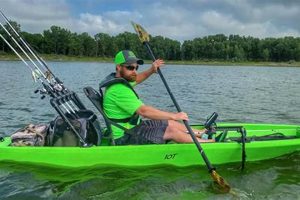
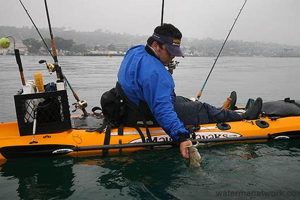
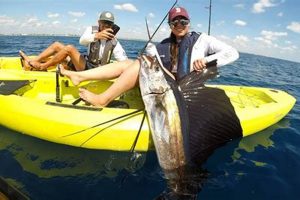
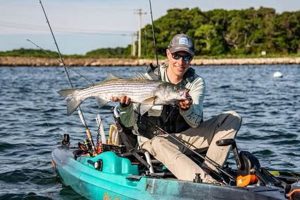
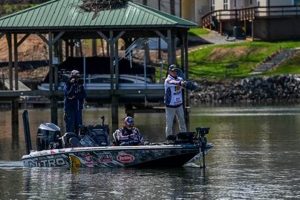
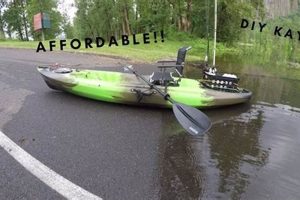
Competitive angling events held from kayaks in the reservoirs and rivers of Central Texas offer a unique blend of sport and nature. These competitions typically involve participants vying for prizes based on the size and quantity of fish caught within set boundaries and timeframes, often adhering to specific species and tackle regulations.
These events promote conservation awareness, boost local economies through tourism and related expenditures, and foster camaraderie among anglers. They provide a platform for both seasoned professionals and amateur enthusiasts to test their skills against one another in a challenging yet accessible environment. The growing popularity of kayak fishing as a recreational activity has contributed to the increasing frequency and scale of these tournaments in recent years, making them a significant part of the region’s angling culture.
This article will delve into various aspects of competitive kayak angling in Central Texas, covering topics such as popular tournament destinations, prevalent fish species, recommended gear and techniques, tournament rules and regulations, and the overall impact of these events on the local ecosystem and community.
Tips for Competitive Kayak Angling in Central Texas
Success in competitive kayak fishing requires a combination of skill, strategy, and preparation. The following tips offer guidance for anglers seeking to improve their performance in Central Texas tournaments.
Tip 1: Master Kayak Control: Proficiency in maneuvering a kayak, especially in windy conditions or strong currents, is crucial. Practice precise paddling and positioning to maintain optimal casting angles and avoid spooking fish.
Tip 2: Understand Local Fish Behavior: Knowledge of the target species’ habitat, feeding patterns, and seasonal movements is essential. Research the specific bodies of water where tournaments are held to gain a competitive edge.
Tip 3: Optimize Tackle and Gear: Select rods, reels, lines, and lures appropriate for the target species and fishing conditions. Ensure all equipment is in good working order and readily accessible within the limited space of a kayak.
Tip 4: Develop a Pre-Fishing Strategy: Before the tournament, identify potential fishing spots, plan routes, and consider various weather scenarios. A well-defined plan can maximize fishing time and efficiency.
Tip 5: Prioritize Fish Care and Handling: Proper fish handling techniques ensure the well-being of the catch and contribute to accurate measurements and weigh-ins. Utilize appropriate livewells or culling systems and handle fish with care.
Tip 6: Stay Updated on Regulations: Familiarize oneself with all tournament rules, licensing requirements, and size and bag limits for the target species. Compliance with regulations is paramount for fair competition.
Tip 7: Practice Efficient Time Management: Maximize fishing time by minimizing unnecessary delays. Practice quick and efficient lure changes, fish releases, and transitions between fishing spots.
By incorporating these strategies, anglers can enhance their competitive edge and increase their chances of success in Central Texas kayak fishing tournaments. These tips not only improve tournament performance but also contribute to responsible and ethical angling practices.
In conclusion, these insights provide a foundation for successful competitive kayak angling in Central Texas. Applying these tips, combined with dedicated practice and a deep understanding of the local environment, can lead to a rewarding tournament experience.
1. Competition

Competition serves as a driving force in central Texas kayak fishing tournaments, shaping participant behavior and influencing event outcomes. The competitive element encourages anglers to refine techniques, strategize meticulously, and push their skills to the limit. This pursuit of excellence fosters innovation in tackle and approaches, contributing to the overall advancement of kayak angling. For example, the pressure of competition often leads anglers to experiment with different lure presentations, explore less-charted fishing grounds, and develop more effective fish-finding strategies. This constant striving for improvement benefits not only individual competitors but also the broader angling community as knowledge and best practices are shared.
The structure of these tournaments, with defined rules, scoring systems, and prize incentives, further intensifies the competitive dynamic. Anglers must adapt to changing conditions, make quick decisions under pressure, and manage limited resources effectively. This competitive framework provides a platform for objective performance measurement, allowing participants to gauge their abilities against their peers. For instance, time limits, species restrictions, and catch-and-release protocols introduce strategic complexities that demand adaptability and careful planning. Furthermore, the presence of observers and officials ensures fair play and upholds the integrity of the competition.
Ultimately, competition in central Texas kayak fishing tournaments goes beyond individual achievement. It contributes to the growth and development of the sport, fostering a culture of continuous improvement, innovation, and sportsmanship. While the pursuit of prizes and recognition motivates participants, the shared experience of competition also strengthens the angling community, creating a sense of camaraderie and shared purpose. The challenges posed by competition often lead to a deeper appreciation for the intricacies of kayak angling and the natural environment in which it takes place.
2. Kayak Angling
Kayak angling forms the foundation of central Texas kayak fishing tournaments, providing the framework within which competition unfolds. Understanding the nuances of this fishing style is essential for appreciating the challenges and rewards inherent in tournament participation. Kayak angling demands specialized skills and equipment distinct from traditional boat-based fishing, shaping the strategic approach and overall experience of competitors.
- Stealth and Accessibility:
Kayaks offer a unique advantage in approaching fish discreetly, particularly in shallow or heavily vegetated areas inaccessible to larger vessels. This stealth factor plays a significant role in tournament strategy, allowing anglers to target fish in locations often overlooked by other competitors. The ability to navigate narrow waterways and shallow flats expands the range of fishable water, providing a tactical advantage in locating and targeting specific species.
- Equipment Specialization:
Kayak fishing necessitates specialized equipment tailored to the limited space and mobility constraints of the vessel. Rod holders, tackle storage systems, and fish finders designed specifically for kayaks contribute to efficient angling. The selection and arrangement of this equipment influence an angler’s effectiveness during tournaments, impacting factors such as lure retrieval speed, line management, and the ability to locate fish quickly.
- Physical Demands and Adaptability:
Kayak angling presents unique physical challenges, requiring balance, stamina, and the ability to adapt to changing weather and water conditions. Paddling to different fishing locations, maintaining stability while casting and retrieving, and handling fish from a seated position demand physical prowess and adaptability, influencing tournament performance and requiring participants to be in good physical condition.
- Direct Connection with Nature:
Kayak angling offers a more intimate connection with the natural environment compared to other fishing methods. The close proximity to the water and surrounding wildlife enhances the overall fishing experience, fostering a deeper appreciation for the ecosystem. This connection with nature plays a significant role in the appeal of kayak fishing tournaments, attracting anglers who value both the competitive aspect and the immersive outdoor experience.
These facets of kayak angling contribute significantly to the unique character of central Texas kayak fishing tournaments. The emphasis on stealth, specialized equipment, physical adaptability, and connection with nature differentiates these events from traditional fishing competitions, attracting a growing community of anglers seeking a challenging and rewarding experience. The interplay of these elements shapes the strategies employed by competitors and ultimately determines tournament outcomes, highlighting the intricate relationship between kayak angling and the competitive environment.
3. Central Texas Waters

Central Texas waters play a pivotal role in shaping the character and appeal of kayak fishing tournaments. The region’s diverse array of rivers, lakes, and reservoirs provides a unique and challenging environment for competitors, influencing tournament strategies, target species, and overall angler experience. The characteristics of these waters, including water clarity, depth, vegetation, and current flow, directly impact fish behavior and habitat, creating distinct fishing conditions that vary significantly across different locations. For example, the clear, spring-fed waters of the Highland Lakes present different angling challenges compared to the murky, cypress-lined waterways of Caddo Lake.
The specific water bodies chosen for tournaments become integral components of the competition. Factors such as accessibility, fish populations, and the presence of suitable launch sites influence tournament organizers’ decisions. Lake Travis, known for its deep waters and striped bass population, might host a tournament focused on deep-water jigging techniques, while the shallow flats of Lady Bird Lake could be the setting for a competition targeting sunfish or largemouth bass. The selection of a particular body of water significantly impacts the types of kayaks and fishing gear best suited for the event and the strategies anglers employ to maximize their catch.
Understanding the unique characteristics of Central Texas waters is crucial for tournament success. Anglers who familiarize themselves with the prevailing conditions, including water temperature, seasonal variations, and prevalent forage species, gain a competitive edge. This knowledge allows them to select appropriate lures, refine their fishing techniques, and identify productive fishing areas. Furthermore, awareness of potential hazards, such as submerged obstacles or fluctuating water levels, contributes to angler safety and responsible tournament participation. Adaptability to the specific challenges presented by each body of water is a key determinant of success in Central Texas kayak fishing tournaments.
4. Skill and Strategy

Skill and strategy are inextricably linked to success in central Texas kayak fishing tournaments. These competitions demand a high level of proficiency in various angling techniques, coupled with the ability to develop and adapt effective strategies based on prevailing conditions. Skill encompasses the practical abilities required for kayak angling, such as paddle control, accurate casting, effective fish fighting, and efficient knot tying. Strategy, on the other hand, involves the planning and decision-making processes that guide an angler’s approach to a tournament, including pre-fishing scouting, location selection, lure choices, and time management. The interplay between these two elements determines an angler’s effectiveness and ultimately influences tournament outcomes.
The importance of skill and strategy is amplified by the unique challenges presented by central Texas waters. Variable water levels, fluctuating currents, and diverse fish populations demand adaptability and strategic thinking. For example, an angler skilled in reading sonar and interpreting underwater structures might identify a promising drop-off where largemouth bass congregate. However, success hinges on strategically selecting the right lure, presentation technique, and retrieval speed based on water clarity, temperature, and time of day. Similarly, strong winds or swift currents can complicate kayak control, requiring skilled paddling and anchoring techniques to maintain position and maximize fishing efficiency. A well-defined strategy that accounts for these environmental factors, combined with skillful execution, significantly increases the chances of success.
The practical significance of understanding the interplay between skill and strategy becomes evident in tournament results. Anglers who consistently perform well often demonstrate a mastery of both aspects. They possess a diverse skillset applicable to various fishing scenarios and exhibit a capacity for strategic adaptation based on real-time observations and changing conditions. Furthermore, they understand the importance of pre-tournament preparation, including thorough research of the target water body, meticulous equipment organization, and the development of contingency plans. This holistic approach, combining honed skills with adaptable strategies, distinguishes successful tournament anglers and underscores the critical role of both elements in achieving competitive excellence in central Texas kayak fishing tournaments.
5. Conservation and Ethics
Conservation and ethical practices form an integral part of central Texas kayak fishing tournaments, ensuring the long-term sustainability of the sport and the health of the aquatic ecosystems. These principles influence tournament rules and regulations, angler behavior, and the overall impact of these events on the environment. A strong emphasis on conservation promotes responsible angling practices, minimizing stress on fish populations and preserving habitat quality. Ethical considerations guide angler conduct, fostering sportsmanship, fair play, and respect for fellow competitors and the natural world. The connection between conservation, ethics, and tournament fishing is crucial for maintaining the integrity of the sport and ensuring its viability for future generations. For example, many tournaments enforce strict catch-and-release policies, employing specific handling techniques and requiring the use of appropriate livewells to maximize fish survival rates. This practice minimizes the impact of fishing pressure on fish populations, especially during spawning seasons, and contributes to the overall health of the fishery.
Tournaments often incorporate educational initiatives to promote conservation awareness among participants. Pre-tournament briefings may cover topics such as proper fish handling techniques, the importance of minimizing disturbance to aquatic habitats, and the identification of invasive species. Some events partner with local conservation organizations to conduct post-tournament habitat restoration projects or engage in data collection efforts to monitor fish populations. These initiatives not only educate anglers about responsible fishing practices but also contribute directly to conservation efforts within the local community. Furthermore, the visibility of these tournaments provides a platform for advocating for broader environmental stewardship, raising awareness about issues such as water quality, habitat preservation, and the impacts of human activities on aquatic ecosystems. By integrating conservation and ethical principles into the fabric of tournament fishing, these events can serve as catalysts for positive change and contribute to the long-term health of Central Texas waterways.
The practical significance of prioritizing conservation and ethics within central Texas kayak fishing tournaments is evident in the positive impacts on the environment and the angling community. Responsible angling practices contribute to healthy fish populations and vibrant aquatic ecosystems, ensuring the sustainability of the sport for years to come. Promoting ethical behavior among anglers fosters a culture of respect and sportsmanship, enhancing the overall tournament experience for all participants. By embracing these principles, central Texas kayak fishing tournaments can serve as models for sustainable recreational fishing, demonstrating the compatibility of competitive angling with environmental stewardship and ethical conduct. The continued success and growth of these tournaments rely on the ongoing commitment to conservation and ethics, ensuring that the pursuit of angling excellence aligns with the preservation of the natural resources that make the sport possible.
6. Community and Camaraderie
Central Texas kayak fishing tournaments foster a strong sense of community and camaraderie among participants, extending beyond the competitive aspects of the events. These gatherings provide a platform for anglers to connect with like-minded individuals, share knowledge and experiences, and build lasting relationships. The social dimension of these tournaments contributes significantly to their appeal, enriching the overall experience and fostering a sense of belonging within the kayak angling community. This sense of community often extends beyond the tournament itself, creating networks of anglers who support each other, share fishing tips, and advocate for responsible angling practices.
- Shared Passion and Mutual Respect:
Tournaments attract anglers who share a deep passion for kayak fishing. This shared interest provides a common ground for interaction, fostering mutual respect and understanding. Competitors often exchange advice, share fishing techniques, and offer encouragement to one another, creating a positive and supportive environment. Even amidst the competitive spirit, a sense of camaraderie prevails, recognizing the shared challenges and rewards of kayak angling.
- Networking and Mentorship:
These events offer valuable opportunities for networking and mentorship within the kayak angling community. Experienced anglers often share their expertise with newcomers, offering guidance on techniques, equipment selection, and tournament strategies. This exchange of knowledge strengthens the community as a whole and fosters a culture of learning and continuous improvement. These interactions often lead to lasting mentorship relationships, benefiting both experienced and novice anglers.
- Social Events and Post-Tournament Gatherings:
Many tournaments incorporate social events, such as pre-tournament briefings, post-tournament weigh-ins, and award ceremonies. These gatherings provide opportunities for anglers to interact in a relaxed setting, share stories, and celebrate achievements. The social atmosphere reinforces the sense of community, extending the camaraderie beyond the water and fostering lasting friendships.
- Collective Advocacy for Conservation:
The shared passion for kayak fishing and the environment often translates into collective advocacy for conservation efforts. Tournament participants frequently engage in initiatives to protect and preserve central Texas waterways, advocating for responsible fishing practices, participating in habitat restoration projects, and supporting organizations dedicated to environmental stewardship. This collective action demonstrates the positive impact of the kayak angling community on conservation efforts in the region.
The sense of community and camaraderie cultivated within central Texas kayak fishing tournaments enriches the overall experience for participants and strengthens the kayak angling community as a whole. These connections, built on shared passion, mutual respect, and a commitment to conservation, contribute to the growth and sustainability of the sport. The social bonds forged during these events extend beyond the competitive arena, creating a network of support, mentorship, and shared advocacy that enhances the overall angling experience and fosters a strong sense of belonging among kayak anglers in central Texas.
Frequently Asked Questions
This section addresses common inquiries regarding competitive kayak angling in Central Texas, providing concise and informative responses to clarify potential uncertainties.
Question 1: How does one locate and register for these tournaments?
Information regarding upcoming tournaments, including registration details, can typically be found on websites dedicated to kayak fishing, local angling forums, and social media groups specific to the Central Texas region. Contacting local kayak fishing clubs or outfitters can also provide valuable information.
Question 2: What specific fish species are commonly targeted during these competitions?
Targeted species often include largemouth bass, Guadalupe bass, spotted bass, white bass, and catfish, although specific regulations and target species may vary depending on the tournament and the body of water.
Question 3: Is specialized kayak fishing equipment required for tournament participation?
While specialized equipment can enhance performance, it is not strictly mandatory. A stable kayak suitable for fishing, essential tackle, and appropriate safety gear are fundamental requirements. Advanced electronics, specialized rod holders, and livewells can offer competitive advantages but are not always essential for participation.
Question 4: What are the typical rules and regulations governing these tournaments?
Regulations vary by tournament but generally include adherence to state fishing regulations, specific size and bag limits for target species, permitted fishing areas and times, and acceptable fishing methods. Reviewing the specific rules for each tournament prior to participation is crucial.
Question 5: How are tournament winners determined, and what types of prizes are awarded?
Winners are typically determined based on the cumulative weight or length of the fish caught within the designated timeframe. Prizes vary widely, ranging from cash awards and fishing gear to sponsored endorsements and invitations to larger tournaments. Specific prize structures are detailed in the rules for each individual competition.
Question 6: Are there opportunities for novice or less experienced anglers to participate?
Many tournaments welcome anglers of all skill levels. Some events may have separate divisions for novice or amateur participants, providing a less intimidating environment for those new to competitive kayak fishing. Checking tournament details for specific eligibility criteria is recommended.
Participating in kayak fishing tournaments requires thorough preparation, adherence to regulations, and a respect for the environment. Understanding these fundamental aspects ensures a positive and rewarding experience for all involved.
The subsequent section delves into detailed accounts of past Central Texas kayak fishing tournaments, providing valuable insights into successful strategies and highlighting notable achievements.
Central Texas Kayak Fishing Tournaments
Competitive kayak angling in Central Texas represents a dynamic intersection of sport, skill, and environmental consciousness. This exploration has highlighted the unique characteristics of these tournaments, emphasizing the importance of specialized techniques, strategic thinking, and an intimate understanding of the region’s diverse waterways. Furthermore, the discussion underscored the significance of conservation ethics and the strong sense of community that permeates these events. From mastering kayak control and optimizing tackle to respecting fellow anglers and preserving aquatic ecosystems, successful participation hinges on a multifaceted approach that values both competitive achievement and environmental stewardship.
The continued growth and evolution of central Texas kayak fishing tournaments promise exciting developments for the sport. As angler participation increases and tournament formats evolve, innovation in techniques and equipment will undoubtedly follow. The crucial role of conservation remains paramount, urging anglers and tournament organizers to prioritize responsible practices and ensure the long-term health of these valuable aquatic resources. The future of competitive kayak angling in Central Texas rests on the shared commitment to preserving the delicate balance between sporting pursuits and environmental protection, ensuring that these tournaments thrive for generations to come.