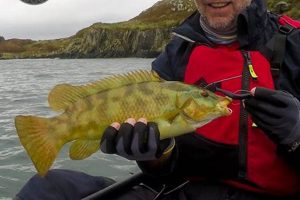
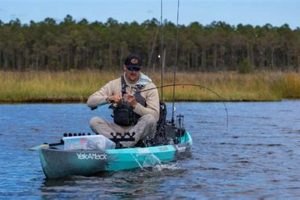
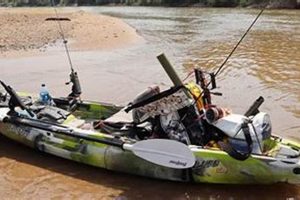
The pursuit of finned quarry from small, human-powered vessels in the Sunshine State offers a unique blend of angling and watersports. This activity allows anglers to access shallow-water environments often inaccessible to larger boats, presenting opportunities to target a variety of species from redfish and snook in the mangroves to trout and tarpon in the flats.
This approach to angling offers several advantages. Its low environmental impact, affordability compared to motorized boating, and the physical engagement it demands contribute to its growing popularity. Further, the quiet nature of paddling allows for stealthy approaches, increasing the likelihood of successful catches. Historically, small boats have been integral to fishing practices in Florida’s diverse waterways, and the modern adaptation with specialized kayaks continues this tradition.
The following sections will explore the various facets of this activity, covering topics such as suitable kayak selection, essential gear, recommended locations across the state, and responsible angling practices. These discussions aim to provide a comprehensive understanding of this rewarding pastime.
Tips for Kayak Angling in Florida
Successful kayak fishing in Florida requires preparation and adherence to best practices. The following tips offer guidance for a safe and productive experience.
Tip 1: Prioritize Safety Equipment: A properly fitted personal flotation device (PFD) is essential and should be worn at all times. A whistle, signaling device, and communication equipment are crucial for emergencies. Navigation lights are recommended for low-light conditions.
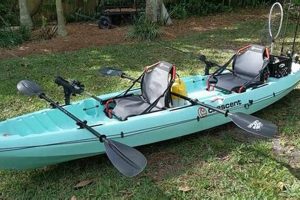
Tip 2: Choose the Right Kayak: Kayak selection depends on the intended fishing environment and target species. Sit-on-top kayaks are popular for their stability and ease of access, while sit-in kayaks offer better protection from the elements. Pedal-powered kayaks allow for hands-free fishing.
Tip 3: Plan and Research Fishing Locations: Understanding tides, currents, and local regulations is vital. Researching potential fishing spots beforehand and checking weather conditions ensures a productive and safe outing.
Tip 4: Organize Tackle and Gear Efficiently: A well-organized kayak facilitates easy access to tackle and equipment. Utilizing rod holders, tackle boxes, and storage compartments optimizes space and efficiency on the water.
Tip 5: Practice Kayak Handling and Stability: Gaining familiarity with kayak maneuvering and balance enhances safety and fishing effectiveness. Practicing paddling and casting in calm water before venturing into more challenging conditions is advisable.
Tip 6: Respect the Environment and Wildlife: Practicing catch-and-release whenever possible helps conserve fish populations. Proper disposal of fishing line and other waste minimizes environmental impact. Maintaining a safe distance from wildlife ensures their well-being.
Tip 7: Be Aware of Weather Conditions: Florida’s weather can change rapidly. Monitoring forecasts and being prepared for sudden changes in wind, rain, and temperature is essential for safety and comfort.
Adhering to these guidelines promotes a safe, enjoyable, and successful kayak fishing experience in Florida’s diverse waters. Careful planning and responsible practices contribute to the preservation of the state’s aquatic ecosystems.
This groundwork establishes a strong foundation for a fulfilling experience. The following section will delve into specific techniques and strategies for targeting various fish species found throughout Florida’s coastal and inland waters.
1. Stable Kayak Platform

A stable kayak platform is fundamental to successful angling in Florida’s diverse waters. It provides the foundation for accurate casting, effective fish fighting, and overall safety, directly impacting the angler’s ability to enjoy and succeed in this pursuit.
- Impact on Casting Accuracy
Kayak stability directly influences casting accuracy. A stable platform allows for controlled casting motions, minimizing unwanted kayak movement that can disrupt lure presentation and reduce accuracy, particularly in windy conditions or when targeting specific structures. This is especially critical in shallow-water environments common in Florida where accurate casts are essential for reaching fish.
- Fish-Fighting Advantage
A stable kayak provides a secure base for battling hooked fish. Reduced rocking or tipping minimizes the risk of losing balance during the fight, enabling the angler to exert appropriate pressure and control, ultimately increasing landing success. This is particularly important when targeting larger, more powerful species common in Florida waters.
- Enhanced Safety
Stability is paramount for angler safety, especially in Florida’s varying water conditions. A stable platform minimizes the risk of capsizing, particularly when landing fish, navigating challenging currents, or encountering unexpected waves. This promotes confidence and allows anglers to focus on fishing rather than constantly managing balance.
- Influence on Kayak Choice
Understanding the importance of stability influences kayak selection. Wider kayaks generally offer greater stability, while narrower kayaks prioritize speed. Anglers fishing in calm, protected waters might opt for a narrower hull, whereas those fishing in open water or strong currents would benefit from a wider, more stable platform. Florida’s diverse waterscapes necessitate careful consideration of stability requirements.
Ultimately, a stable kayak platform is a crucial element for successful and safe kayak fishing in Florida. It directly influences casting accuracy, fish-fighting capabilities, and overall safety, contributing significantly to a positive angling experience within the state’s varied aquatic environments. Prioritizing stability during kayak selection ensures optimal performance and enhances enjoyment on the water.
2. Appropriate Paddling Technique

Appropriate paddling technique is crucial for effective and enjoyable kayak fishing in Florida. Efficient paddling maximizes maneuverability while minimizing disturbance, allowing anglers to navigate diverse environments and approach fish stealthily. The connection between paddling technique and fishing success is multifaceted, impacting both navigation and fish behavior.
Efficient forward strokes propel the kayak smoothly and quietly, conserving energy and reducing noise that could spook fish. This is especially important in shallow Florida flats where fish are easily startled. Maneuvering strokes, such as sweeps and draws, allow for precise positioning in tight spots like mangrove tunnels or around docks, providing access to prime fishing locations. A skilled paddler can hold position against wind and current, maintaining an ideal fishing location without constantly repositioning. For example, a proper draw stroke can quietly nudge the kayak closer to a promising shoreline, while a well-executed sweep stroke enables quick turns to follow a hooked fish. These techniques become particularly relevant in Florida’s dynamic coastal environments where wind, tides, and currents are significant factors.
Mastery of paddling technique contributes significantly to successful kayak fishing outcomes in Florida. Reduced noise and efficient movement enhance stealth, increasing opportunities for close-range encounters with fish. Precise boat control enables anglers to exploit favorable currents, wind conditions, and structural elements. Ultimately, appropriate paddling technique enhances not only fishing effectiveness but also safety and overall enjoyment on the water. This skill allows anglers to navigate Florida’s diverse waterways effectively and access prime fishing areas while minimizing disturbance and maximizing fishing opportunities. Understanding and practicing these techniques are integral to a successful and rewarding kayak fishing experience in Florida.
3. Effective Fish-Finding Strategies
Effective fish-finding strategies are essential for successful kayak angling in Florida. Locating fish in Florida’s diverse aquatic environments requires a combination of understanding local ecosystems, utilizing appropriate technologies, and applying proven angling techniques. These strategies significantly influence angling success, transforming a casual outing into a productive fishing experience.
- Understanding Local Ecosystems
Knowledge of Florida’s diverse ecosystems is paramount for locating fish. Understanding how factors like water temperature, salinity, and structure influence fish distribution is crucial. For example, redfish often inhabit shallow grass flats, while snook prefer mangrove shorelines and ambush points around docks or bridges. Recognizing these habitat preferences informs location selection and increases the likelihood of encountering target species. This understanding allows anglers to focus efforts on areas most likely to hold fish, maximizing fishing time.
- Utilizing Technology
Modern fish-finding technologies offer significant advantages in locating fish. Fish finders and GPS units assist in identifying underwater structures, locating baitfish concentrations, and determining water depth and temperature. This information allows for strategic positioning and targeted presentations. For instance, identifying a drop-off or submerged ledge on a fish finder can pinpoint areas where larger predatory fish might ambush prey. Utilizing GPS waypoints allows anglers to mark productive spots for future trips, building a personalized database of successful locations. This application of technology streamlines the fish-finding process, particularly in expansive and complex Florida waters.
- Observational Skills
Sharpening observational skills enhances fish-finding capabilities. Noticing subtle signs like baitfish activity, bird behavior, or changes in water movement can indicate fish presence. For example, diving birds often signal feeding activity below the surface, while nervous water or baitfish scattering can suggest the presence of a predator. These observations provide real-time insights into fish behavior and location. Honing these skills complements technological approaches, providing a more comprehensive view of the underwater environment. This integration of observation and technology allows for dynamic adjustments during a fishing trip.
- Tidal and Current Awareness
Understanding tidal and current patterns is fundamental to successful fishing in Florida’s coastal areas. Tides influence water depth and access to certain areas, while currents dictate baitfish movement and, consequently, predator behavior. Fishing during periods of moving water often yields better results. For example, fishing near inlets or passes during a tidal change can concentrate fish as they move with the current. Knowing the tide schedule allows anglers to plan their trips strategically and position themselves advantageously in relation to these flows. This awareness optimizes fishing efforts and increases the chances of successful catches.
These combined strategies create a synergistic approach to finding fish in Florida’s waters. Integrating knowledge of local ecosystems, effective use of technology, honed observational skills, and awareness of tidal influences significantly increases the probability of successful catches. These strategies transform kayak fishing from a passive pastime into an engaging and productive pursuit, maximizing enjoyment and success on the water.
4. Species-Specific Tackle

Species-specific tackle is integral to successful kayak fishing in Florida. The diverse fish populations inhabiting Florida’s waters necessitate tailored approaches to angling. Utilizing appropriate tackle increases catch rates and minimizes environmental impact through efficient hooksets and reduced fish fighting times. This specialized approach recognizes the varying anatomical characteristics, feeding behaviors, and habitat preferences of different species.
Consider targeting tarpon, a powerful gamefish common in Florida’s coastal waters. Heavy-duty rods, reels spooled with high-strength braided line, and wire leaders are essential for effectively battling these strong fish. This robust setup allows anglers to apply sufficient pressure to control the fish and minimize the fight duration, reducing stress on the fish and increasing the likelihood of a successful release. Conversely, targeting smaller species like speckled trout requires lighter tackle. Lighter rods, reels spooled with fluorocarbon line, and smaller hooks are more appropriate for presenting delicate lures and detecting subtle bites. This nuanced approach optimizes catch rates and minimizes the risk of injuring the fish. Another example involves fishing for snook in mangrove-lined shorelines. Using lures that mimic the snook’s prey, such as small baitfish or crustaceans, increases the chances of enticing a strike. Furthermore, employing weedless hooks minimizes snags in the complex root systems of the mangroves, allowing for efficient retrieval and reducing tackle loss. These examples demonstrate the importance of aligning tackle choices with the specific target species and the environment in which they reside.
Matching tackle to the target species optimizes fishing outcomes and ensures responsible angling practices. Understanding the specific needs of each species leads to more effective presentations, higher hook-up ratios, and quicker, less stressful releases. This informed approach respects the resource and contributes to the long-term sustainability of Florida’s diverse fisheries. Careful consideration of species-specific tackle is crucial for a successful and ethical kayak fishing experience in Florida, ensuring enjoyable outings while minimizing environmental impact and preserving fish populations for future generations.
5. Safety Gear and Precautions

Safety gear and precautions are paramount in kayak fishing within Florida’s diverse waters. The inherent risks associated with on-water activities are amplified by the state’s dynamic weather patterns, diverse aquatic life, and often remote fishing locations. Neglecting safety protocols can transform a recreational outing into a hazardous situation. A comprehensive understanding of necessary precautions and appropriate safety equipment is crucial for mitigating these risks and ensuring a safe and enjoyable experience.
Florida’s weather can change rapidly, from calm sunny skies to thunderstorms and strong winds in a short period. These sudden shifts can create challenging conditions for kayakers, especially in open water. A reliable personal flotation device (PFD) is non-negotiable, acting as a lifeline in the event of capsizing or unexpected immersion. Communication devices, such as VHF radios or waterproof cell phones, enable contact with emergency services or fellow anglers in distress situations. Carrying a signaling device, like a whistle or flare, further increases visibility and aids in rescue efforts. Navigational lights are essential during low-light conditions or nighttime fishing, enhancing visibility and preventing collisions with other vessels. These precautions directly address the challenges posed by Florida’s dynamic weather patterns, significantly reducing risks associated with sudden changes in conditions.
Florida’s waters are teeming with diverse marine life, some of which pose potential hazards. Encounters with sharks, stingrays, or jellyfish can occur, requiring appropriate responses. Carrying a first-aid kit equipped to handle marine stings and bites is essential. Understanding basic first-aid procedures for these encounters further mitigates potential risks. Additionally, awareness of local regulations regarding protected species is crucial for responsible angling practices. For example, releasing sea turtles caught accidentally minimizes harm to these endangered creatures. Adhering to established safety protocols and responsible angling practices ensures both angler safety and the preservation of Florida’s delicate ecosystems.
6. Respectful Environmental Practices
Respectful environmental practices are integral to the sustainability of kayak fishing in Florida. The close interaction with the natural environment inherent in this activity necessitates a mindful approach to minimize impact and preserve the delicate balance of Florida’s aquatic ecosystems. Disregarding these practices can lead to habitat degradation, diminished fish populations, and ultimately, the erosion of the very resources that support this recreational pursuit. The connection between responsible angling and environmental stewardship is fundamental to the long-term viability of kayak fishing in the state.
Consider the impact of discarded fishing line. Monofilament line, if left in the water, poses a significant entanglement hazard to marine life, including birds, turtles, and fish. Responsible anglers adhere to “leave no trace” principles, retrieving any stray line encountered and disposing of it properly. Similarly, catch-and-release practices, particularly for species of conservation concern, play a crucial role in maintaining healthy fish populations. Proper handling techniques, including minimizing air exposure and using appropriate de-hooking tools, increase the survival rate of released fish. Respecting designated no-fishing zones and adhering to size and bag limits further contribute to resource preservation. For example, avoiding seagrass beds while paddling minimizes disturbance to these crucial habitats, while adhering to seasonal closures protects vulnerable spawning populations. These actions demonstrate a commitment to environmental stewardship, ensuring the longevity of the sport and the health of the ecosystem.
The practical significance of respectful environmental practices extends beyond ecological considerations. Maintaining the health and beauty of Florida’s waterways contributes to the overall appeal of the state as a fishing destination. Clean waters and thriving fish populations attract anglers and support local economies dependent on tourism. Furthermore, responsible angling practices instill a sense of stewardship among participants, fostering a deeper appreciation for the natural world and promoting a culture of conservation. These combined benefits underscore the importance of integrating environmental respect into every aspect of kayak fishing in Florida, ensuring a sustainable and rewarding future for this popular activity.
Frequently Asked Questions
This section addresses common inquiries regarding angling from kayaks within Florida, providing concise and informative responses to facilitate a better understanding of this popular activity.
Question 1: What are the licensing requirements for kayak fishing in Florida?
A fishing license is generally required for anglers over 16 and under 65 years of age. Specific license types and exemptions can be found on the Florida Fish and Wildlife Conservation Commission (FWC) website.
Question 2: What essential safety equipment should be carried on a kayak fishing trip in Florida?
Essential safety gear includes a personal flotation device (PFD), a whistle, a visual distress signal, and a communication device (VHF radio or waterproof cell phone). Navigation lights are required for low-light operation.
Question 3: What are some recommended locations for kayak fishing in Florida?
Florida offers numerous excellent locations. Popular options include the Everglades National Park, Mosquito Lagoon, the Florida Keys, and various coastal estuaries. The FWC website provides regional-specific information on fishing areas.
Question 4: Are there any specific regulations regarding fishing from a kayak in Florida?
Regulations regarding size and bag limits, as well as seasonal closures, apply equally to anglers fishing from kayaks. Specific regulations for individual species and locations are available on the FWC website.
Question 5: What types of fish can be caught from a kayak in Florida?
Florida’s diverse waters host a wide variety of species. Popular targets include redfish, snook, trout, tarpon, snapper, and grouper. The specific species available will vary based on location and season.
Question 6: What are some recommended resources for learning more about kayak fishing in Florida?
The FWC website provides comprehensive information on fishing regulations, licensing, and safety. Local kayak fishing clubs and online forums offer valuable insights from experienced anglers.
Careful consideration of these frequently asked questions contributes to a safer, more informed, and enjoyable kayak fishing experience in Florida. Consulting official resources, like the FWC website, ensures anglers are well-prepared and compliant with regulations.
This concludes the frequently asked questions section. For further information on specific fishing techniques and recommended gear for various species, please consult dedicated resources available online and through local fishing communities.
Kayak Fishing FL
This exploration of kayak angling within Florida’s waters has highlighted key aspects crucial for a successful and enriching experience. From the importance of a stable platform and efficient paddling techniques to the strategic application of fish-finding strategies and species-specific tackle, each element contributes significantly to optimizing fishing outcomes. Furthermore, emphasizing safety gear and precautions, alongside a commitment to respectful environmental practices, ensures the long-term sustainability of this rewarding pursuit.
The dynamic interplay of knowledge, skill, and respect for the environment defines the essence of successful kayak fishing in Florida. As anglers continue to embrace this engaging activity, prioritizing these principles will contribute not only to personal enjoyment and achievement but also to the preservation of Florida’s unique aquatic ecosystems for generations to come. Continued learning and responsible practices will ensure the enduring appeal of this increasingly popular pursuit.