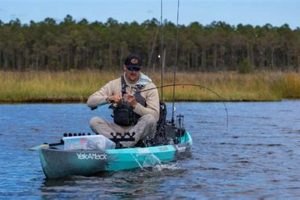
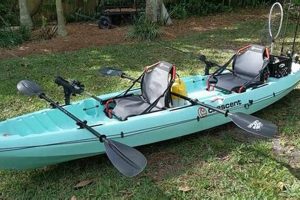
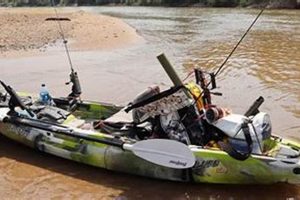
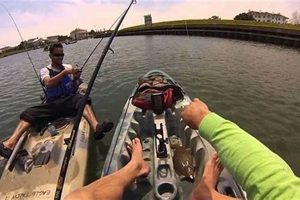
Online video platforms host a wealth of content related to angling from small, human-powered vessels. This content typically includes demonstrations of techniques, reviews of equipment, and recordings of fishing excursions. Viewers can find videos showcasing diverse locations, target species, and kayaking styles.
This readily accessible collection of information offers significant advantages to both novice and experienced anglers. Beginners can acquire fundamental skills and knowledge, while seasoned practitioners can discover new approaches and explore different waterways. The growth of this online resource reflects increasing interest in kayak angling and provides a valuable platform for sharing expertise and fostering a sense of community.
The following sections will delve deeper into specific aspects of this topic, covering equipment selection, safety considerations, popular fishing locations, and ethical practices.
Tips for Kayak Fishing
Effective kayak angling requires careful planning and execution. These tips offer guidance for a safe and productive experience.
Tip 1: Prioritize Safety Equipment: Always wear a personal flotation device and carry essential safety gear, including a whistle, signaling mirror, and first-aid kit. Check weather forecasts before embarking and inform someone of the intended fishing location and return time.
Tip 2: Choose Appropriate Kayak and Paddle: Kayak selection depends on individual needs and fishing style. Consider factors such as stability, maneuverability, and storage capacity. Select a paddle of appropriate length and material for efficient propulsion.
Tip 3: Organize Tackle and Equipment: Efficient organization is crucial in a limited kayak space. Utilize tackle boxes and storage solutions designed for kayaks to keep gear readily accessible and prevent clutter.
Tip 4: Master Basic Kayak Maneuvering: Practice paddling techniques, including turning, stopping, and maintaining position in various water conditions, before venturing into fishing areas. This enhances safety and angling efficiency.
Tip 5: Respect the Environment: Adhere to leave-no-trace principles. Pack out all trash, avoid disturbing wildlife, and respect fishing regulations. Responsible angling ensures the preservation of natural resources for future generations.
Tip 6: Learn Knots and Rigging Techniques: Familiarize oneself with essential fishing knots and rigging methods to maximize fishing success. Proper knot tying ensures secure connections between line, hooks, and lures.
Tip 7: Consider a Fish Finder: Electronic fish finders can significantly improve angling success by identifying underwater structures and locating fish concentrations. Choose a model suitable for kayak installation and power constraints.
By adhering to these guidelines, anglers can enhance safety, improve fishing effectiveness, and contribute to the preservation of aquatic environments.
These tips provide a foundation for successful kayak fishing. The following section offers further resources for continued learning and skill development.
1. Fishing Techniques

The dissemination of fishing techniques through online video platforms represents a significant development in angling education. Videos offer visual demonstrations of casting methods, lure retrieval, fish fighting strategies, and knot tying, providing a dynamic learning experience unavailable through traditional text-based resources. This visual instruction allows viewers to observe nuanced movements and techniques, improving comprehension and facilitating skill development. For example, a video demonstrating the proper technique for a roll cast in a kayak can clearly convey the necessary rod movements and body positioning required for success in tight spaces, something difficult to grasp from written instructions alone. The availability of these resources empowers anglers to refine their skills and adapt techniques to specific species and environments.
Effective application of learned fishing techniques directly influences angling success. Understanding how to present lures effectively, set hooks efficiently, and manage fish during the fight minimizes lost opportunities and maximizes catch rates. Moreover, applying appropriate techniques contributes to ethical angling practices by reducing fish stress and minimizing handling time. For instance, learning proper catch-and-release methods from online videos ensures the safe handling and swift return of fish to the water, promoting conservation and healthy fish populations. Access to diverse instructional content fosters a culture of continuous learning and improvement within the angling community.
Mastery of fishing techniques, facilitated by online video resources, plays a crucial role in successful and responsible kayak angling. This knowledge empowers anglers to approach diverse fishing scenarios with confidence, increasing catch rates while simultaneously promoting conservation efforts. The accessibility and visual nature of online platforms democratizes angling education, contributing to a more skilled and ethically conscious angling community. The continued evolution of these online resources promises further advancements in angling knowledge and technique refinement.
2. Kayak Selection
Appropriate kayak selection is paramount for a successful and enjoyable kayak fishing experience. Online video platforms offer a wealth of information regarding kayak types, features, and suitability for specific fishing styles and environments. Understanding the nuances of kayak selection empowers anglers to make informed decisions, optimizing stability, maneuverability, and overall fishing performance.
- Hull Design:
Hull design significantly impacts stability and maneuverability. Videos demonstrating the performance characteristics of various hull types, such as sit-on-top, sit-inside, and inflatable kayaks, provide valuable insights. For example, a video comparing the stability of a wide, flat-bottomed sit-on-top kayak to a narrower, V-hulled sit-inside kayak clarifies the trade-offs between stability and maneuverability in different water conditions. Choosing the appropriate hull design ensures angler comfort and safety while facilitating effective fishing techniques.
- Length and Width:
Kayak dimensions influence tracking, speed, and stability. Longer kayaks generally track straighter and glide more efficiently, while shorter kayaks offer enhanced maneuverability in tight spaces. Wider kayaks provide greater stability, while narrower kayaks offer increased speed. Online videos often showcase kayaks of varying lengths and widths in diverse environments, allowing viewers to visualize the practical implications of these dimensional differences. This information aids anglers in selecting a kayak suited to their target fishing locations and preferred fishing styles.
- Features and Accessories:
Features such as rod holders, storage compartments, and anchor trolleys significantly enhance fishing functionality. Videos reviewing specific kayak models often highlight these features, demonstrating their practical application and benefits. For example, a video showcasing the use of a rudder-controlled kayak demonstrates its advantages for precise positioning in windy conditions or strong currents. Understanding the available features and accessories allows anglers to customize their kayak setup for optimal efficiency and comfort.
- Weight Capacity:
Kayak weight capacity dictates the maximum load the vessel can safely carry, including the angler, gear, and potential catch. Exceeding the weight capacity compromises stability and safety. Informative videos often emphasize the importance of adhering to weight limits and provide guidance on calculating the total weight of gear and equipment. This information ensures angler safety and prevents potential accidents caused by overloading.
By leveraging the wealth of information available online, anglers can make informed decisions regarding kayak selection, optimizing their fishing experience and ensuring safety on the water. Videos demonstrating kayak performance in various conditions, highlighting key features, and discussing the advantages and disadvantages of different kayak types provide invaluable insights for both novice and experienced kayak anglers. This readily accessible information empowers anglers to choose the ideal kayak for their specific needs and fishing style, ultimately enhancing their enjoyment and success on the water.
3. Safety Guidelines
Safety is paramount in kayak fishing, and online video platforms offer valuable resources for learning and reinforcing safe practices. These resources provide visual demonstrations of safety procedures, equipment usage, and responsible angling behavior, contributing significantly to accident prevention and promoting a culture of safety within the kayak angling community. Neglecting safety precautions can lead to serious consequences, underscoring the importance of accessing and adhering to established safety guidelines.
- Personal Flotation Devices (PFDs):
Consistent PFD use is non-negotiable in kayak fishing. Videos demonstrating proper PFD selection, fitting, and usage emphasize their critical role in preventing drowning. Examples include demonstrations of different PFD types, highlighting their specific features and suitability for various kayaking conditions. These resources underscore that a PFD is an angler’s primary safety device and should be worn at all times while on the water, regardless of perceived swimming ability or water conditions.
- Weather Awareness and Trip Planning:
Checking weather forecasts before embarking on a kayak fishing trip is crucial. Videos often emphasize the importance of understanding weather patterns, wind conditions, and water currents. Examples include demonstrations of using weather apps and websites to assess potential hazards and make informed decisions about trip timing and location. Proper trip planning, including informing someone of the intended route and estimated return time, is vital for ensuring a safe and enjoyable experience.
- Navigation and Communication:
Carrying essential navigation and communication tools is crucial for safe kayak fishing. Videos often showcase the use of GPS devices, charts, compasses, and communication devices such as VHF radios or personal locator beacons (PLBs). Examples include demonstrations of using a GPS to mark waypoints and navigate back to launch points, as well as using a VHF radio to call for assistance in emergencies. These resources highlight the importance of being prepared for unexpected situations and maintaining communication capabilities in remote locations.
- Kayak Handling and Self-Rescue:
Understanding basic kayak handling skills and self-rescue techniques is essential for safe kayak angling. Videos demonstrating proper paddling techniques, bracing maneuvers, and re-entry methods equip anglers with the skills to handle challenging conditions and recover from capsizes. Examples include demonstrations of performing a paddle float self-rescue and practicing wet exits. These resources empower anglers to maintain control of their kayak in various situations and minimize the risk of accidents.
These safety guidelines, readily accessible through online video platforms, form a cornerstone of responsible kayak angling. By integrating these practices into every fishing excursion, anglers contribute to a safer environment for themselves and others on the water. Consistent adherence to safety protocols, informed by online educational resources, fosters a culture of safety within the kayak angling community and promotes a more enjoyable and responsible approach to this popular sport. Continued engagement with these resources reinforces safe practices and contributes to minimizing risks associated with kayak fishing.
4. Location Spotlighting
Location spotlighting plays a crucial role within online kayak fishing content. Videos highlighting specific fishing locations provide valuable insights into potential fishing spots, helping anglers discover new waters and plan effective fishing excursions. These spotlights often showcase the unique characteristics of each location, including prevalent species, access points, and environmental considerations. Understanding the role of location spotlighting enhances viewers’ ability to leverage online resources for trip planning and maximizing fishing success.
- Geographic Details:
Providing geographic details, such as GPS coordinates, maps, and descriptions of access points, allows viewers to easily locate and navigate to highlighted fishing spots. This information facilitates trip planning and reduces the time spent searching for suitable fishing areas. For instance, a video spotlighting a specific river section might include a map highlighting access points, potential hazards, and areas known for holding specific fish species. This detailed information empowers viewers to plan efficient and productive fishing trips.
- Species Information:
Highlighting the prevalent fish species found at a specific location informs viewers about potential catches and allows them to select appropriate tackle and fishing techniques. A video showcasing a coastal estuary might discuss the types of fish commonly found in the area, such as redfish, speckled trout, and flounder, along with recommended lures and rigging methods. This targeted information enhances viewers’ preparedness and increases their chances of angling success.
- Environmental Considerations:
Discussing environmental factors, such as water depth, current patterns, tides, and vegetation, provides viewers with a comprehensive understanding of the fishing location. A video spotlighting a mountain lake might discuss the impact of water temperature and clarity on fish behavior, influencing lure selection and fishing strategies. This knowledge empowers viewers to adapt their approach based on environmental conditions, maximizing their chances of a successful fishing trip.
- Ethical Considerations and Regulations:
Emphasizing ethical considerations, such as catch-and-release practices, and highlighting local fishing regulations promotes responsible angling. A video showcasing a protected area might emphasize the importance of minimizing environmental impact and adhering to specific regulations, such as catch limits and size restrictions. This focus on responsible angling fosters a culture of conservation and ensures the sustainability of fish populations and aquatic environments.
The synthesis of these facets within location spotlighting videos provides valuable resources for kayak anglers. By combining geographic details with species information, environmental considerations, and ethical guidelines, these videos empower anglers to plan effective fishing trips while promoting responsible angling practices. The accessibility of this information through online platforms contributes to a more informed and ethically conscious angling community, ultimately enhancing the overall kayak fishing experience and promoting the long-term health of aquatic ecosystems.
5. Gear Reviews

Gear reviews constitute a significant component of online kayak fishing content. These reviews provide valuable insights into the performance, features, and suitability of various fishing and kayaking-related products, enabling informed purchasing decisions and optimizing equipment choices for specific fishing styles and environments. Access to comprehensive gear reviews empowers anglers to assemble effective and efficient kayak fishing setups.
- Rods and Reels:
Reviews of fishing rods and reels designed for kayak fishing often focus on factors such as length, action, power, and line capacity. A review might compare a shorter, faster-action rod suitable for close-quarters casting in mangrove tunnels to a longer, slower-action rod designed for open-water applications. These comparisons, often accompanied by footage of the rods and reels in action, allow viewers to assess their suitability for specific target species and fishing environments.
- Paddles and PFDs:
Reviews of kayak paddles focus on blade shape, shaft material, and overall paddle length, highlighting the impact on paddling efficiency and comfort. PFD reviews emphasize factors such as fit, buoyancy, and features like storage pockets and attachment points for accessories. Detailed comparisons between different paddle and PFD models, showcasing their respective advantages and disadvantages, assist viewers in selecting equipment that aligns with their individual needs and preferences.
- Fish Finders and Electronics:
Reviews of fish finders and other electronic devices commonly used in kayak fishing often focus on features such as screen size, resolution, sonar capabilities, and mounting options. A review might compare different fish finder models, highlighting their performance in various water depths and clarity levels. This information allows viewers to choose electronics that best suit their fishing style and target species.
- Kayak Accessories:
Reviews of kayak accessories, such as anchor trolleys, rod holders, and storage solutions, demonstrate their functionality and practical application in a kayak fishing setting. A review might compare different anchor trolley systems, highlighting their ease of use and effectiveness in various anchoring scenarios. These comparisons enable viewers to select accessories that optimize their kayak setup and enhance their overall fishing experience.
The availability of comprehensive gear reviews on online platforms plays a crucial role in informing equipment choices within the kayak fishing community. By providing detailed analyses of various products, these reviews empower anglers to invest in equipment that aligns with their specific needs, fishing styles, and target environments. This access to information ultimately contributes to a more efficient, enjoyable, and successful kayak fishing experience.
6. Species Targeting

Species targeting significantly influences content creation and consumption within online kayak fishing communities. Videos focusing on specific species often delve into specialized techniques, tackle selection, and location choices tailored to the target fish. This specialization caters to anglers seeking to refine their skills for pursuing particular species. For example, a video focusing on kayak fishing for largemouth bass might explore techniques like flipping and pitching, emphasizing the use of specific lures and tackle configurations. Conversely, a video targeting saltwater species like tarpon might showcase different techniques, such as sight casting with fly fishing gear or trolling with heavier tackle. This targeted approach allows viewers to quickly locate relevant information and enhances their understanding of species-specific angling strategies.
The prevalence of species-specific content reflects the diverse interests within the kayak angling community. Anglers often specialize in pursuing certain species, developing expertise in the associated techniques and equipment. This specialization drives demand for content tailored to specific target fish. For example, anglers targeting trout in mountain streams require different information and techniques compared to those pursuing offshore pelagic species. Content creators respond to this demand by producing videos that cater to these niche interests, covering topics such as seasonal patterns, preferred baits, and specific rigging methods. This dynamic interaction between content creators and viewers fosters a rich and diverse online ecosystem of information exchange. Furthermore, understanding the target species often dictates the choice of kayak, fishing location, and safety precautions. For example, targeting large pelagic fish offshore necessitates a stable, seaworthy kayak equipped with safety features like a VHF radio and personal locator beacon, while targeting smaller fish in calm inland waters allows for a wider range of kayak choices.
Effective species targeting enhances angling success and contributes to responsible fishing practices. By focusing on specific species, anglers can refine their techniques, select appropriate gear, and minimize environmental impact. Understanding the habitat preferences and behavioral patterns of target species allows for more efficient fishing and reduces bycatch. This knowledge also promotes ethical fishing practices, such as proper catch-and-release techniques tailored to the specific species, ensuring the long-term health of fish populations and aquatic ecosystems. Species targeting therefore serves as a critical link between online content consumption, on-the-water angling practices, and responsible resource management.
Frequently Asked Questions
This section addresses common inquiries regarding kayak angling, providing concise and informative responses to facilitate understanding and enhance the overall fishing experience. Clarity on these frequently raised points promotes safe and effective kayak fishing practices.
Question 1: What are the essential safety precautions for kayak fishing?
Essential safety precautions include consistently wearing a personal flotation device (PFD), checking weather forecasts before embarking, informing someone of the intended fishing location and return time, and carrying essential safety gear like a whistle, signaling mirror, and first-aid kit. Regularly inspecting kayak and paddle condition is also crucial.
Question 2: How does one choose the right kayak for fishing?
Kayak selection depends on individual needs and fishing style. Factors to consider include stability, maneuverability, storage capacity, and hull design. Sit-on-top kayaks offer inherent buoyancy and self-bailing capabilities, while sit-inside kayaks provide protection from the elements. Inflatable kayaks offer portability and storage convenience.
Question 3: What essential gear is required for kayak fishing?
Essential gear includes a properly fitted PFD, a paddle appropriate for the kayak and angler’s size, fishing rods and reels suited to the target species, tackle appropriate for the fishing location, and safety equipment such as a whistle, signaling mirror, and first-aid kit. Additional accessories like rod holders, anchor trolleys, and fish finders enhance the fishing experience.
Question 4: Where can one find information on kayak fishing regulations and licensing requirements?
Local governing bodies, such as state fish and wildlife agencies or departments of natural resources, provide information on fishing regulations, licensing requirements, and permitted fishing locations. Online resources and local bait and tackle shops can also provide valuable information regarding specific regulations and licensing procedures.
Question 5: What are the advantages of using a fish finder in a kayak?
Fish finders enhance angling success by identifying underwater structures, locating fish concentrations, and determining water depth and temperature. This information enables anglers to target specific areas and adjust fishing strategies based on real-time data, improving efficiency and increasing catch rates.
Question 6: How does one maintain and care for a fishing kayak?
Proper kayak maintenance includes regular cleaning, rinsing with fresh water after each use, especially in saltwater environments, and storing the kayak out of direct sunlight to prevent UV damage. Regularly inspecting and lubricating moving parts, such as rudder cables and hatch seals, ensures optimal performance and prolongs the kayak’s lifespan.
Addressing these common inquiries provides a foundation for safe and successful kayak angling. Thorough preparation and adherence to safety guidelines contribute significantly to a positive and enjoyable fishing experience.
The subsequent section offers further resources for continued learning and exploration within the realm of kayak fishing.
Conclusion
Exploration of online video platforms reveals a wealth of information pertaining to kayak angling. From equipment selection and safety procedures to fishing techniques and location insights, these resources offer significant benefits to anglers of all skill levels. Understanding the breadth and depth of available content empowers individuals to enhance their skills, discover new fishing locations, and engage with a vibrant online community of like-minded enthusiasts. Careful consideration of kayak selection, adherence to established safety guidelines, and continuous refinement of fishing techniques contribute significantly to a successful and enjoyable experience on the water.
The evolving landscape of online resources continues to shape the future of kayak angling. As technology advances and content creation proliferates, anglers gain access to an ever-expanding library of information. This continuous flow of knowledge fosters innovation, promotes responsible angling practices, and connects individuals through shared passion. Embracing these resources cultivates a deeper appreciation for the sport and contributes to the growth and sustainability of the kayak angling community.