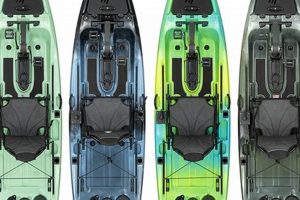
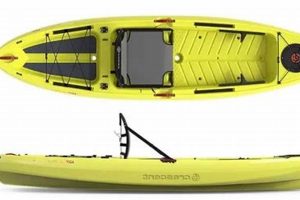
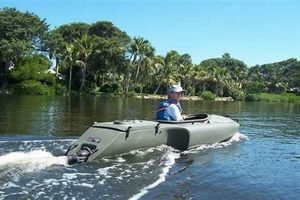
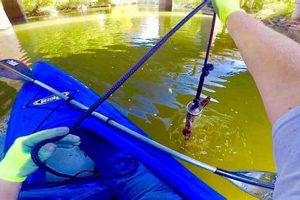
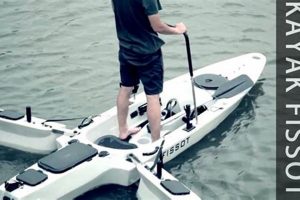
The public’s understanding of kayaks designed for fishing has evolved significantly. Once viewed as a niche hobbyist pursuit, specialized kayaks for angling are now recognized for their stability, specialized features, and overall effectiveness in various fishing environments. Consider the shift from basic sit-on-top kayaks adapted for fishing to the current market of purpose-built vessels with integrated rod holders, fish finders, and livewells.
This shift in understanding has opened up new avenues for both anglers and the fishing industry. Improved designs have broadened accessibility to the sport, allowing more individuals to experience the advantages of kayak fishing. For manufacturers, the growing popularity has spurred innovation in kayak design and technology. This evolution is rooted in a combination of factors, including advancements in kayak construction materials, increased media coverage of the sport, and a general societal trend toward outdoor recreational activities.
This article will further explore the evolution of specialized fishing kayaks, examining key design advancements, the environmental impact of their increased usage, and the future of this rapidly growing segment of the recreational fishing industry.
Tips for Enhancing On-Water Experiences
Strategic planning and mindful practices contribute significantly to positive experiences on fishing kayaks. The following tips offer guidance for maximizing enjoyment and safety on the water.
Tip 1: Research and select a kayak suited to the intended fishing environment. Ocean kayaks require different characteristics than those used in lakes or rivers. Consider factors such as water conditions, target fish species, and required storage capacity.
Tip 2: Prioritize safety equipment. Always wear a personal flotation device (PFD) and carry essential safety gear, including a whistle, signaling device, and first-aid kit. Inform someone of the planned fishing location and estimated return time.
Tip 3: Understand and adhere to local fishing regulations. Obtain necessary licenses and familiarize oneself with catch limits, size restrictions, and permitted fishing methods.
Tip 4: Practice basic paddling and maneuvering techniques before venturing into open water. Develop proficiency in turning, stopping, and maintaining balance, especially in challenging conditions like wind or current.
Tip 5: Organize and secure fishing gear for easy access. Utilize rod holders, tackle boxes, and storage compartments to prevent clutter and maintain a stable center of gravity.
Tip 6: Respect the environment and practice Leave No Trace principles. Pack out all trash and avoid disturbing wildlife or sensitive habitats.
Tip 7: Be aware of weather conditions and adjust plans accordingly. Check forecasts before departing and remain vigilant for changing weather patterns while on the water.
By implementing these tips, anglers can enhance their safety, improve their fishing success, and contribute to the preservation of aquatic environments.
These practical considerations are essential for fostering a positive and sustainable approach to kayak fishing. The following section will delve deeper into the future of this dynamic and evolving sport.
1. Stability

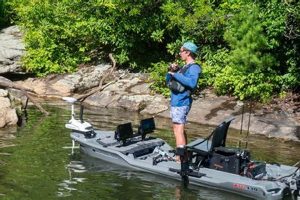
Stability significantly influences the perception of fishing kayaks. A kayak perceived as unstable can deter potential buyers, particularly newcomers to the sport. This perception directly impacts market demand and manufacturer design choices. Conversely, kayaks perceived as stable inspire confidence and expand the potential user base to include individuals less comfortable with a precarious on-water experience. This perception is particularly crucial for anglers engaging in activities that require standing, such as fly fishing or sight casting. A stable platform allows for more effective casting, maneuvering, and landing of fish. For example, a wider, flatter-bottomed hull design offers greater primary stability (resistance to initial tipping), while features like outriggers or pontoons can enhance secondary stability (ability to recover from a near capsize). The increasing popularity of pedal-powered kayaks highlights the demand for enhanced stability, as these systems often require a higher center of gravity.
Numerous factors contribute to stability perceptions, including hull design, kayak width and length, material construction, and added features like stabilizers. Reviews, online forums, and media portrayals further shape public perception. For instance, videos showcasing anglers confidently standing and casting in a particular kayak model can positively influence consumer confidence. Conversely, reports of instability or capsizing incidents can negatively impact perceptions, regardless of the specific circumstances. Manufacturers address stability concerns through design innovations, using features like wider hulls, weighted keels, and innovative hull shapes. Understanding the interplay of these factors is crucial for manufacturers seeking to meet consumer demands and build trust in their products.
The perception of stability ultimately determines a fishing kayak’s suitability for various fishing styles and angler experience levels. A stable kayak opens opportunities for diverse fishing techniques and promotes angler confidence, contributing to a positive on-water experience. Addressing stability concerns through continuous design improvements and clear communication of a kayak’s capabilities is crucial for both manufacturer success and angler satisfaction. This focus on stability continues to drive innovation and shapes the evolution of fishing kayak design.
2. Accessibility

Accessibility significantly influences public perception and market reach of fishing kayaks. Ease of transport, launch, and storage impacts adoption rates. Kayaks perceived as difficult to transport or launch can deter potential users, particularly those with physical limitations or lacking suitable vehicles. Consider the impact of kayak weight and size on an individual’s ability to load, unload, and transport it. Similarly, the availability of accessible launch sites and suitable storage solutions affects the practicality and appeal of kayak fishing. For example, individuals living in apartments or lacking access to waterfront property may find kayak ownership less feasible. Furthermore, physical limitations, such as mobility impairments, can pose challenges for entering and exiting a kayak. Addressing these accessibility barriers is crucial for expanding the sport’s inclusivity and market potential.
Several factors contribute to perceptions of accessibility, including kayak weight and dimensions, available transportation options, launch site infrastructure, and storage solutions. Modular or inflatable kayaks offer improved portability and storage compared to traditional rigid hulls. Similarly, rooftop racks and trailers enhance transport capabilities, while accessible launch ramps and docks cater to a wider range of users. Initiatives like adaptive paddling programs and specialized equipment further broaden access for individuals with disabilities. The development of lightweight, easily transportable kayaks opens opportunities for individuals without access to vehicles with towing capacity. For example, foldable kayaks that fit into standard car trunks expand access for urban dwellers or those with limited storage space. These innovations directly address accessibility challenges and broaden participation in the sport.
Enhanced accessibility cultivates a more inclusive and diverse community of kayak anglers. Addressing barriers related to transport, launch, and storage expands market reach and promotes wider adoption of the sport. Practical solutions, such as lightweight designs, modular systems, and improved infrastructure, contribute to a more positive perception of kayak fishing. This focus on accessibility fosters growth within the industry while ensuring a more inclusive and welcoming environment for all potential participants. Continued efforts to improve accessibility are essential for the long-term sustainability and growth of the sport.
3. Affordability
Affordability plays a crucial role in shaping public perception and influencing purchasing decisions within the fishing kayak market. Perceived value, relative cost compared to other fishing platforms, and the availability of financing options directly influence market access and consumer behavior. Understanding the multifaceted nature of affordability is essential for manufacturers, retailers, and consumers alike.
- Initial Purchase Price
The initial purchase price represents a significant barrier to entry for many potential kayak anglers. Kayak prices vary considerably based on factors like size, features, materials, and brand recognition. A high initial cost can deter budget-conscious consumers or those new to the sport who are hesitant to invest heavily before experiencing kayak fishing firsthand. This price sensitivity influences market segmentation, with entry-level kayaks targeting price-conscious buyers and premium models catering to experienced anglers willing to pay for advanced features and performance. The availability of used kayaks or rental options can lower the barrier to entry, making the sport more accessible to a broader audience.
- Long-Term Costs
Beyond the initial purchase price, long-term costs associated with ownership influence affordability perceptions. These costs include essential accessories like paddles, life vests, and storage solutions, as well as ongoing maintenance and repairs. Additional expenses like fishing licenses, transportation costs to access launch sites, and potential storage fees further contribute to the overall cost of kayak fishing. Consumers often consider these long-term expenses when evaluating affordability, comparing the total cost of kayak ownership to alternative fishing methods like shore fishing or owning a motorized boat. Transparent communication of these associated costs by retailers can help consumers make informed decisions and manage expectations.
- Financing Options
The availability of financing options, such as payment plans or loans, can significantly impact affordability perceptions. Financing options reduce the initial financial burden, making higher-priced kayaks more accessible to consumers. The terms of these financing options, including interest rates and repayment periods, influence the overall cost and perceived value. Retailers offering attractive financing packages can increase sales and expand their customer base. The availability of financing options also influences the market for used kayaks, as buyers can leverage financing to acquire higher-quality pre-owned models. The presence of flexible financing options can significantly broaden market access and positively influence purchasing decisions.
- Perceived Value
Perceived value encompasses more than just price; it represents the overall benefit received in relation to cost. Consumers assess value based on factors like durability, performance, features, and brand reputation. A well-made, feature-rich kayak offering long-term durability might be perceived as a higher value proposition than a less expensive but less durable alternative. Manufacturers focus on enhancing perceived value through innovative design, quality materials, and strong brand building. Positive customer reviews, media endorsements, and a strong reputation for customer service contribute to a positive perception of value. Ultimately, consumers seek a balance between price and performance, choosing kayaks they perceive as offering the best value for their individual needs and budget.
These facets of affordability collectively influence purchasing decisions and shape public perception of fishing kayaks. Manufacturers and retailers must consider these factors when developing pricing strategies and marketing campaigns. Understanding consumer price sensitivity, long-term cost implications, and the importance of perceived value is crucial for maximizing market reach and ensuring the continued growth of the fishing kayak industry.
4. Versatility

Versatility significantly influences the perception and adoption of fishing kayaks. A kayak’s adaptability to various fishing environments, target species, and angler preferences directly impacts its perceived value and market appeal. The ability to transition seamlessly between different water bodies and fishing styles enhances a kayak’s utility and broadens its potential user base. This adaptability contributes to increased customer satisfaction and drives innovation within the fishing kayak industry.
- Adaptability to Diverse Environments
A fishing kayak’s ability to perform effectively in diverse environments, from calm lakes and slow-moving rivers to open ocean waters and challenging surf zones, significantly influences its perceived versatility. Kayaks designed for stability and maneuverability in sheltered waters may not be suitable for navigating rough seas or strong currents. Conversely, highly specialized ocean kayaks may be less practical for fishing in shallow, confined spaces. The versatility to transition between different environments enhances a kayak’s utility and expands its range of potential applications. For example, a kayak capable of both lake fishing and light offshore excursions offers greater value and appeals to a broader audience. Manufacturers address this need for adaptability through design innovations, offering features like adjustable seating positions, adaptable hull designs, and modular accessory systems that allow anglers to customize their kayaks for specific environments.
- Target Species Versatility
The ability to target a variety of fish species from a single kayak platform enhances its perceived versatility. Different fishing techniques require specific kayak features and capabilities. For instance, trolling for large pelagic fish necessitates a stable kayak with ample storage for tackle and equipment, while fly fishing in shallow streams requires a nimble, maneuverable craft with easy access to fly rods and lines. A versatile fishing kayak accommodates various fishing styles and target species, maximizing its utility and broadening its appeal. This adaptability allows anglers to pursue diverse fishing opportunities without needing multiple specialized kayaks. Manufacturers incorporate features like adjustable rod holders, integrated fish finders, and customizable storage solutions to enhance target species versatility and cater to diverse angling preferences.
- Customization and Modification Options
The availability of customization and modification options contributes significantly to a fishing kayak’s perceived versatility. Modular accessory systems, adaptable seating configurations, and readily available aftermarket modifications allow anglers to tailor their kayaks to specific needs and preferences. This adaptability extends the kayak’s functionality beyond its initial design and allows it to evolve with an angler’s changing needs and fishing styles. For example, adding a trolling motor, installing specialized rod holders, or integrating a fish finder expands a kayak’s capabilities and opens new fishing opportunities. The ability to personalize a kayak enhances its perceived value and contributes to a stronger sense of ownership and connection between the angler and their equipment.
- Multi-Purpose Functionality
Beyond fishing, a kayak’s suitability for other recreational activities, like photography, wildlife viewing, or exploring shallow waterways, enhances its perceived versatility and overall value proposition. A kayak capable of serving multiple purposes appeals to a broader audience, including individuals who may not exclusively engage in fishing. This multi-purpose functionality extends the kayak’s usage beyond dedicated fishing trips, making it a more valuable recreational investment. For example, a stable kayak with ample storage can be used for family outings, nature photography excursions, or even light camping trips. This versatility maximizes the kayak’s utility and justifies its cost, particularly for individuals seeking diverse recreational opportunities.
These facets of versatility collectively contribute to a fishing kayak’s perceived value and market appeal. A highly versatile kayak capable of adapting to diverse environments, target species, and user preferences expands the possibilities of on-the-water experiences. This adaptability broadens the potential user base, enhances customer satisfaction, and drives innovation within the fishing kayak industry. Manufacturers continually strive to improve kayak versatility through design advancements and innovative features, catering to the evolving needs and desires of the angling community.
5. Environmental Impact

Public perception of fishing kayaks increasingly incorporates environmental considerations. Consumer awareness of manufacturing processes, material sourcing, and end-of-life disposal impacts brand reputation and purchasing decisions. Understanding this evolving perception is crucial for manufacturers and anglers seeking to minimize their environmental footprint.
- Manufacturing Processes
The environmental impact of manufacturing processes significantly influences public perception. Kayak production involves resource extraction, energy consumption, and waste generation. Consumers increasingly favor manufacturers employing sustainable practices, such as using recycled materials, minimizing waste, and reducing reliance on harmful chemicals. Transparency in manufacturing processes and demonstrable commitment to environmental stewardship enhance brand reputation and influence consumer choice. For example, kayaks made from recycled plastics or utilizing bio-based resins appeal to environmentally conscious consumers. Similarly, manufacturers implementing closed-loop recycling programs or minimizing packaging waste demonstrate a commitment to sustainability, positively influencing public perception.
- Material Sourcing
Material sourcing plays a key role in a fishing kayak’s overall environmental impact. The extraction and processing of raw materials, such as petroleum-based plastics or fiberglass, have environmental consequences. Consumers are increasingly aware of these impacts and favor kayaks constructed from sustainable or recycled materials. Utilizing renewable resources, such as plant-based plastics or responsibly harvested wood, minimizes environmental harm and resonates with environmentally conscious consumers. Transparency in material sourcing and certification by reputable environmental organizations, such as the Forest Stewardship Council (FSC), further enhance credibility and build trust with environmentally aware buyers. For example, kayaks made with recycled fishing nets or utilizing sustainably harvested wood appeal to consumers seeking environmentally responsible products.
- Transportation and Distribution
The environmental impact of transportation and distribution contributes to the overall footprint of fishing kayaks. Shipping kayaks from manufacturing facilities to retail locations consumes fuel and generates emissions. Consumers are increasingly aware of these transportation-related impacts and may favor locally manufactured kayaks or brands that prioritize efficient shipping practices. Minimizing transportation distances, utilizing eco-friendly shipping methods, and optimizing packaging to reduce shipping volume contribute to a lower carbon footprint. Manufacturers implementing carbon offset programs or partnering with eco-conscious logistics providers demonstrate a commitment to minimizing transportation-related environmental impacts. This commitment resonates with environmentally aware consumers and enhances brand reputation.
- End-of-Life Disposal
The end-of-life disposal of fishing kayaks presents environmental challenges. Kayaks discarded in landfills contribute to plastic pollution and waste accumulation. Consumers are increasingly concerned about responsible disposal options and may favor kayaks designed for recyclability or repurposing. Manufacturers implementing take-back programs or partnering with recycling facilities offer sustainable disposal solutions. Designing kayaks for disassembly and utilizing recyclable materials facilitates end-of-life processing and minimizes environmental impact. Promoting responsible disposal practices and educating consumers about recycling options contribute to a more sustainable approach to kayak ownership. This focus on end-of-life management enhances brand image and aligns with consumer values regarding environmental responsibility.
These facets of environmental impact collectively influence consumer perception and purchasing decisions within the fishing kayak market. Manufacturers and retailers must address these concerns to meet evolving consumer expectations and contribute to a more sustainable future for the sport. By prioritizing sustainable manufacturing practices, transparent material sourcing, efficient transportation, and responsible end-of-life management, the fishing kayak industry can minimize its environmental footprint and enhance its appeal to environmentally conscious consumers. This commitment to sustainability strengthens brand reputation, fosters consumer trust, and contributes to the long-term health of aquatic ecosystems.
6. Safety
Safety significantly influences public perception and adoption of fishing kayaks. Perceptions of risk, influenced by media portrayals, accident reports, and personal experiences, directly impact consumer confidence and purchasing decisions. Kayaks perceived as unsafe deter potential buyers, particularly newcomers or those unfamiliar with on-water activities. Conversely, kayaks perceived as safe and stable encourage broader participation and contribute to a positive image of the sport. Understanding this connection between safety perceptions and market behavior is crucial for manufacturers, retailers, and organizations promoting kayak fishing.
Several factors contribute to perceptions of fishing kayak safety. These include inherent kayak stability, available safety features, user experience and training, and prevailing weather and water conditions. Kayaks equipped with features like high visibility coloring, multiple flotation chambers, and secure storage compartments are often perceived as safer than basic models lacking these features. Similarly, users with proper training and experience in kayak handling and self-rescue techniques exhibit greater confidence and perceive lower risk compared to novice paddlers. Media reports of kayak accidents, particularly those involving fatalities, can negatively impact public perception, even if such incidents are statistically rare. Conversely, educational campaigns and safety awareness programs promoting responsible kayaking practices can enhance public confidence and mitigate perceived risks. For example, the availability of certified kayak instruction courses and the promotion of safe paddling practices by organizations like the American Canoe Association contribute to a safer and more positive perception of the sport. Practical demonstrations of safety features, such as self-rescue techniques and proper use of safety equipment, can further enhance consumer confidence and alleviate safety concerns. Real-life examples, such as the successful rescue of a capsized angler due to proper PFD usage, reinforce the importance of safety precautions and positively influence public perception.
Addressing safety concerns through design innovation, educational initiatives, and responsible media portrayals is essential for promoting wider adoption and ensuring the continued growth of the fishing kayak sector. Manufacturers prioritize safety through features like enhanced hull stability, integrated flotation devices, and readily accessible safety equipment. Retailers contribute by providing comprehensive safety information and recommending appropriate safety gear. Organizations promoting kayak fishing play a crucial role in educating the public about safe paddling practices and emphasizing the importance of responsible on-water behavior. This collective effort to prioritize and promote safety enhances public perception, fosters greater confidence among potential users, and contributes to a more sustainable and enjoyable experience for all kayak anglers.
Frequently Asked Questions
Addressing common inquiries regarding the public’s understanding of fishing kayaks can provide valuable insights for both prospective buyers and industry stakeholders. The following questions and answers aim to clarify potential misconceptions and offer a deeper understanding of key considerations related to fishing kayak perception.
Question 1: How does public perception influence fishing kayak design?
Public perception significantly influences design choices. Concerns about stability, for instance, drive manufacturers to develop wider, more stable hulls. Perceptions of complexity can lead to designs emphasizing user-friendliness and ease of use. Market demand for specific features, like integrated rod holders or fish finders, often stems from evolving angler preferences and perceived needs.
Question 2: Does media portrayal of fishing kayaks affect their popularity?
Media portrayals, including online reviews, magazine articles, and social media content, significantly influence public perception and popularity. Positive portrayals highlighting ease of use, stability, and exciting fishing experiences can boost market interest. Conversely, negative portrayals focusing on safety concerns or product failures can negatively impact perception and deter potential buyers.
Question 3: How do perceptions of affordability impact market reach?
Perceptions of affordability play a crucial role in market access. Kayaks perceived as expensive or requiring significant additional investments in accessories may deter budget-conscious individuals. Conversely, kayaks perceived as offering good value for their price, including bundled accessories or financing options, can broaden market reach and attract a wider range of consumers.
Question 4: Do environmental concerns influence consumer choices?
Environmental awareness increasingly influences purchasing decisions. Consumers may favor kayaks made from recycled materials or manufactured using sustainable practices. Concerns about the environmental impact of transportation and end-of-life disposal can also influence brand perception and consumer choices. Manufacturers addressing these concerns through eco-friendly initiatives and transparent communication often gain a competitive advantage.
Question 5: How does perceived safety influence adoption rates among new anglers?
Perceived safety significantly influences adoption rates, particularly among those new to kayak fishing. Concerns about stability, potential capsizing risks, and navigating challenging water conditions can deter newcomers. Manufacturers and retailers addressing these concerns through design innovations, safety features, and educational resources can foster greater confidence and encourage wider participation.
Question 6: How does the perception of fishing kayaks differ between experienced anglers and beginners?
Experienced anglers often prioritize performance-related features, such as speed, maneuverability, and specialized fishing capabilities. Beginners, however, may prioritize stability, ease of use, and affordability. Understanding these differing perceptions allows manufacturers and retailers to target specific market segments with tailored products and marketing strategies.
Understanding public perception of fishing kayaks provides valuable insights into market dynamics, consumer preferences, and industry trends. Addressing common concerns and misconceptions surrounding safety, affordability, and environmental impact fosters greater consumer confidence and promotes responsible enjoyment of the sport.
For further exploration, the following section delves into specific case studies illustrating the evolution of fishing kayak design and its impact on public perception.
Conclusion
Public perception of fishing kayaks plays a pivotal role in shaping market trends, driving design innovation, and influencing angler choices. This exploration has highlighted the multifaceted nature of this perception, encompassing considerations of stability, accessibility, affordability, versatility, environmental impact, and safety. Each facet contributes to the overall understanding and acceptance of fishing kayaks within the broader recreational landscape. Addressing these perceptions through continuous improvement in design, manufacturing processes, and public education is essential for fostering sustainable growth and responsible enjoyment of the sport.
The evolving understanding of fishing kayaks underscores the dynamic interplay between technological advancements, consumer preferences, and environmental awareness. As the sport continues to evolve, addressing these perceptions will remain crucial for ensuring its continued growth, accessibility, and positive impact on both anglers and the environment. Further research into the long-term impacts of these perceptions on the fishing kayak industry and related aquatic ecosystems will be essential for informed decision-making and responsible stewardship of our natural resources.