This activity involves angling from a small, human-powered watercraft in the waters surrounding Hawaii’s largest island. It offers a unique blend of outdoor recreation, connecting participants directly with the Pacific Ocean’s vibrant ecosystem. Anglers can target a variety of pelagic and reef species, depending on location and season. For example, pursuing yellowfin tuna offshore requires different techniques and equipment than bottom fishing for snapper closer to shore.
The practice provides both a challenging sporting experience and a sustainable method of harvesting local seafood. Historically, Hawaiians utilized outrigger canoes for fishing, demonstrating a long-standing connection between the islands’ people and the ocean’s bounty. Modern anglers can experience a similar connection with the marine environment while contributing to local economies through tourism and related industries. The relatively low environmental impact compared to motorized fishing further enhances its appeal.
The following sections will delve deeper into essential aspects of planning and executing a successful fishing trip in these waters. Topics covered will include species identification, gear selection, safety precautions, licensing requirements, and ethical considerations. Additional information on responsible angling practices, conservation efforts, and the rich marine biodiversity of the region will also be provided.
Tips for Kayak Fishing the Big Island of Hawaii
Careful planning and preparation are crucial for a safe and successful fishing excursion. These tips offer guidance for anglers of all experience levels.
Tip 1: Choose the Right Kayak. Longer, wider kayaks offer greater stability, especially for offshore ventures. Sit-on-top models are preferred for their self-bailing capabilities and ease of re-entry in the event of a capsize.
Tip 2: Understand Local Regulations. Obtain the necessary fishing licenses and familiarize oneself with catch limits and size restrictions. Awareness of marine protected areas is also essential.
Tip 3: Prioritize Safety. Always wear a personal flotation device (PFD). Carry a VHF radio, signaling devices, and a first-aid kit. Inform someone onshore of the planned fishing location and estimated return time.
Tip 4: Check Weather Conditions. Ocean conditions can change rapidly. Consult marine forecasts before embarking and be prepared to adjust plans if necessary. Avoid venturing out in strong winds or rough seas.
Tip 5: Use Appropriate Gear. Select tackle suited to the target species and fishing method. Consider using braided fishing line for its strength and sensitivity. Carry essential tools, such as pliers, line cutters, and a knife.
Tip 6: Practice Responsible Angling. Minimize the impact on the marine environment. Use circle hooks to reduce fish injury. Practice catch and release whenever possible, handling fish gently and minimizing air exposure.
Tip 7: Engage a Local Guide. For those unfamiliar with the area, hiring a guide can significantly enhance the fishing experience. Local guides possess valuable knowledge of fishing spots, species behavior, and safe navigation.
Adhering to these guidelines promotes a safe, enjoyable, and sustainable fishing experience, maximizing the chances of success while minimizing risks.
By implementing these strategies, anglers can contribute to the preservation of the Big Island’s unique marine ecosystem for future generations.
1. Ocean Conditions
Ocean conditions exert a significant influence on kayak fishing around the Big Island of Hawaii. Swell height, wind speed and direction, and current patterns dictate viable launch sites, navigable areas, and overall safety. For example, strong trade winds can create challenging paddling conditions, particularly along exposed coastlines. Similarly, large swells can make launching and landing precarious, even in sheltered bays. Understanding these conditions is not merely advisable, but essential for a safe and productive fishing trip. Neglecting these factors can lead to hazardous situations, including capsizing, being swept offshore, or difficulty returning to shore. Prior to embarking on any kayak fishing excursion, consulting up-to-date marine forecasts and seeking local advice is imperative.
Different ocean conditions create varying fishing opportunities. Calm seas allow anglers to access nearshore reefs and target species like snapper and grouper. Conversely, experienced kayakers might venture further offshore during periods of favorable weather to pursue pelagic fish such as tuna and mahi-mahi. Currents play a crucial role in distributing nutrients and baitfish, attracting larger predatory species. Identifying areas of converging currents or upwellings can significantly improve the chances of a successful catch. Furthermore, water clarity affects sight fishing, with calmer conditions generally providing better visibility for spotting fish. Adapting fishing strategies to prevailing ocean conditions is therefore crucial for optimizing results.
Ultimately, respecting the dynamic nature of the ocean environment is paramount for safe and successful kayak fishing around the Big Island. Careful planning, coupled with continuous assessment of evolving conditions, allows anglers to mitigate risks and maximize opportunities. This includes establishing alternative launch and landing sites, adjusting fishing locations based on wind and currents, and recognizing potential hazards like changing tides and submerged reefs. A thorough understanding of ocean conditions and their influence on fishing activity is fundamental for a positive and safe experience in these waters.
2. Safety Equipment

Safety equipment plays a critical role in mitigating risks inherent to kayak fishing around the Big Island of Hawaii. The ocean environment presents unpredictable conditions, including sudden weather changes, strong currents, and interactions with marine life. Appropriate safety gear can significantly impact an angler’s ability to respond effectively to unforeseen circumstances. A reliable personal flotation device (PFD), for example, is essential in the event of a capsize, providing buoyancy and increasing visibility to rescuers. A VHF radio enables communication with shore or other vessels, crucial for summoning assistance in emergencies. Visual distress signals, such as flares or a signal mirror, can further enhance visibility and expedite rescue efforts. Carrying a well-stocked first-aid kit allows for immediate treatment of minor injuries or stabilization of more serious conditions pending professional medical attention. Consider a waterproof pouch for essential items like a mobile phone or GPS device, ensuring functionality even in wet conditions.
Practical examples underscore the importance of safety equipment. A sudden squall can easily capsize a kayak, leaving an angler reliant on a PFD for survival. A fishing hook inadvertently embedded in a hand necessitates the use of a first-aid kit. An unexpected encounter with a large marine animal may require signaling for assistance. In these scenarios, appropriate safety equipment transitions from optional precaution to critical lifeline. Beyond reactive measures, safety gear also facilitates proactive risk management. Checking weather forecasts before embarking allows anglers to assess potential hazards and make informed decisions about whether to proceed. Informing someone onshore of the planned fishing location and estimated return time establishes a critical communication link in case of unexpected delays. Regularly inspecting and maintaining safety equipment ensures proper functionality when needed.
Effective utilization of safety equipment requires understanding its proper use and limitations. A PFD must be worn correctly to provide adequate flotation. Knowing how to operate a VHF radio and understanding distress signaling protocols is essential for effective communication in emergencies. Basic first-aid knowledge enables appropriate treatment of injuries. Integrating these practices into pre-fishing preparations enhances angler preparedness and promotes a culture of safety. The unpredictable nature of the ocean environment surrounding the Big Island underscores the critical connection between safety equipment and a positive fishing experience. Prioritizing safety precautions equips anglers to respond effectively to unforeseen challenges, minimizing risks and promoting a safe return.
3. Kayak Selection

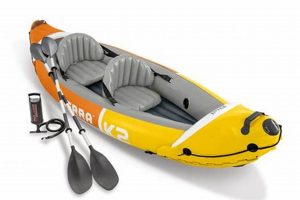
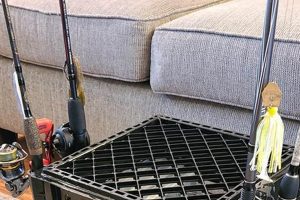
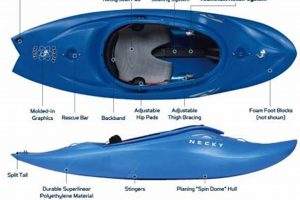
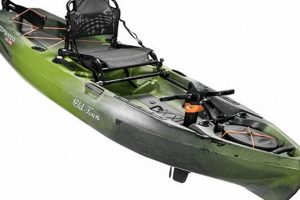
Kayak selection significantly impacts the experience of kayak fishing around the Big Island of Hawaii. The island’s diverse coastline, ranging from calm bays to exposed ocean waters, necessitates careful consideration of kayak characteristics. Stability, maneuverability, and storage capacity influence angling effectiveness and overall safety. Longer kayaks generally track better in open water, beneficial when paddling longer distances or contending with currents. Wider kayaks offer increased stability, a crucial factor when battling larger fish or navigating choppy conditions. Specialized fishing kayaks often feature built-in rod holders, tackle storage compartments, and anchor trolleys, enhancing angler convenience and efficiency. For example, a shorter, more maneuverable kayak might prove advantageous when fishing within sheltered coves or navigating mangrove-lined estuaries, while a longer, more stable kayak is preferable for offshore excursions targeting pelagic species. Selecting a kayak suited to the intended fishing environment and target species contributes significantly to a productive and safe outing.
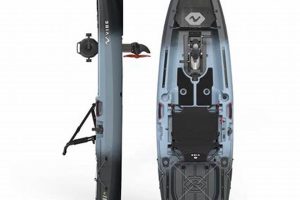
Specific kayak features influence angling success in various scenarios. Sit-on-top kayaks are generally preferred for their self-bailing capability and ease of re-entry after a capsize, a crucial safety consideration in open ocean conditions. Pedal-powered kayaks offer hands-free propulsion, allowing anglers to focus on fishing. The increased speed and range of pedal kayaks enable access to more distant fishing grounds. Similarly, kayaks equipped with fish finders and GPS navigation systems enhance the ability to locate fish and navigate safely. Integrating these technological advantages can significantly improve angling success, especially when targeting specific species or exploring unfamiliar waters. Conversely, an inappropriate kayak selection can hinder the fishing experience. A short, unstable kayak may prove challenging to manage in rough seas, compromising both safety and fishing effectiveness. Limited storage capacity restricts the amount of gear one can carry, potentially limiting fishing options. Therefore, aligning kayak selection with specific fishing objectives and local conditions directly influences the overall outcome.
Careful kayak selection is integral to a successful and enjoyable kayak fishing experience on the Big Island of Hawaii. Matching kayak characteristics to the intended fishing environment and target species maximizes both safety and angling effectiveness. Considering factors like stability, maneuverability, storage capacity, and specialized features ensures a compatible platform for pursuing diverse angling opportunities. A well-chosen kayak enhances the angler’s ability to navigate local conditions, access desired fishing locations, and ultimately, enjoy a rewarding and safe fishing trip.
4. Fishing Techniques

Effective fishing techniques are essential for successful kayak fishing around the Big Island of Hawaii. The diverse marine environment and range of target species necessitate adapting approaches to specific conditions and desired catches. Understanding various fishing methods and their application within the context of kayak fishing optimizes angling opportunities and enhances the overall experience. Selecting appropriate techniques influences not only the likelihood of catching fish but also the angler’s ability to manage fish safely from a kayak.
- Trolling
Trolling involves dragging lures or baited lines behind a moving kayak. This technique is effective for targeting pelagic fish like tuna, mahi-mahi, and wahoo, which often inhabit open waters. Varying trolling speeds and lure depths allows anglers to target specific species and adjust to prevailing conditions. In the context of kayak fishing, trolling requires careful management of lines and rods to avoid tangles and maintain control of the kayak. Utilizing specialized trolling equipment, such as outriggers and downriggers, enhances effectiveness.
- Bottom Fishing
Bottom fishing targets species inhabiting reefs and other bottom structures. This technique involves anchoring or drifting near the seabed and using weighted lines baited with live or cut bait, or lures. Common target species include snapper, grouper, and trevally. Kayak anglers often utilize specialized anchoring systems or drift socks to maintain position effectively. Precision casting and accurate bait placement are critical for success. Understanding local bottom topography and fish behavior enhances catch rates.
- Jigging
Jigging involves vertically presenting lures designed to mimic the movements of prey fish. This technique can be effective for both pelagic and bottom-dwelling species. Metal jigs, often adorned with colorful skirts or feathers, are jerked or jigged through the water column to attract strikes. Kayak anglers employ specialized jigging rods and reels to manage the weight and action of the lures. Matching jig weight and retrieval technique to the target species increases effectiveness.
- Casting
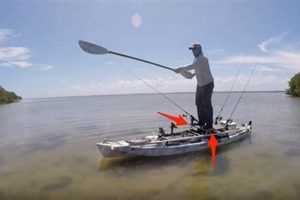
Casting involves propelling lures or baited hooks toward target areas, such as near-shore structures, reefs, or schools of baitfish. This technique is effective for a variety of species, including bonefish, trevally, and various reef fish. Kayak anglers must consider the limited casting space and maintain balance while casting. Accurate casting and lure retrieval techniques are crucial for success, especially in areas with complex bottom structures or strong currents.
Mastery of these techniques, adapted to the specific challenges and opportunities of kayak fishing around the Big Island, significantly enhances angling success. Selecting appropriate methods based on target species, location, and prevailing conditions maximizes catch rates and promotes a rewarding fishing experience. Furthermore, proficiency in these techniques contributes to safe and efficient fish handling from a kayak, minimizing risks and maximizing enjoyment. The specific application of these methods often intertwines, with anglers adapting and combining techniques to suit the dynamic environment and fish behavior.
5. Local Regulations
Adherence to local regulations is essential for responsible and sustainable kayak fishing around the Big Island of Hawaii. Regulations aim to preserve fish populations, protect sensitive marine ecosystems, and ensure equitable access to resources. Understanding and complying with these rules contributes to the long-term health of the fishery and allows future generations to enjoy this activity. Ignoring regulations can result in fines, confiscation of equipment, and damage to the environment.
- Fishing Licenses
Obtaining the appropriate fishing license is a fundamental requirement. Licenses vary based on residency status and fishing methods. Specific licenses may be required for certain species or fishing gear, such as the use of lay nets or spearfishing equipment. Information on license types and acquisition can be found through the Hawaii Division of Aquatic Resources (DAR). Possessing a valid license ensures legal compliance and supports conservation efforts funded by license fees.
- Size and Bag Limits
Size restrictions dictate the minimum and maximum size of fish that can be legally kept. Bag limits restrict the number of each species an angler can harvest within a given timeframe. These regulations help protect juvenile fish and maintain healthy population structures. Familiarization with species-specific regulations is crucial, as size and bag limits vary. Adhering to these limits prevents overfishing and preserves biodiversity.
- Closed Seasons and Areas
Certain species may have closed seasons during spawning periods to protect breeding populations. Designated marine protected areas (MPAs) restrict fishing activity to conserve critical habitats and sensitive ecosystems. Respecting closed seasons and avoiding fishing within MPAs safeguards vulnerable species and preserves biodiversity. Information on closed seasons and MPA boundaries is available through the DAR and other local resources. Observing these restrictions safeguards vulnerable species and critical habitats.
- Gear Restrictions
Specific gear restrictions may apply in certain areas or for particular species. For example, certain types of nets or fishing methods might be prohibited to minimize bycatch or protect vulnerable habitats. Understanding these restrictions is crucial for compliance and responsible fishing practices. Using allowed gear ensures adherence to regulations and minimizes environmental impact. Examples include restrictions on net mesh size to reduce bycatch and prohibitions on certain types of fishing gear in sensitive areas.
Compliance with these local regulations contributes directly to the sustainability of kayak fishing around the Big Island of Hawaii. Responsible angling practices ensure the health of the fishery and preserve the marine environment for future generations. Understanding and adhering to these rules is not merely a legal obligation but an ethical responsibility for all anglers. By respecting these regulations, individuals contribute to the conservation of Hawaii’s unique marine ecosystem and the perpetuation of responsible kayak fishing opportunities.
6. Target Species
Target species significantly influence the strategies and equipment employed in kayak fishing around the Big Island of Hawaii. The diverse marine ecosystem supports a wide array of fish species, each exhibiting unique behaviors and habitat preferences. Understanding these characteristics allows anglers to select appropriate fishing locations, techniques, and tackle. Effective targeting enhances catch rates and promotes a more rewarding fishing experience.
- Pelagic Fish
Pelagic fish, such as yellowfin tuna, mahi-mahi (dorado), and wahoo, inhabit open ocean waters. These species often roam vast distances, requiring anglers to employ trolling techniques or locate areas of concentrated baitfish. Specialized tackle, including heavy-duty rods and reels, is necessary to handle their size and strength. Offshore kayak fishing for pelagic species demands careful consideration of weather conditions and safety precautions due to the distance from shore and potential for challenging sea states. Kayak anglers targeting these fish should be prepared for a physically demanding experience, often requiring long paddles and battles with powerful fish.
- Reef Fish
Reef fish, including snapper, grouper, and trevally, inhabit coral reefs and rocky bottom structures. Targeting these species often involves anchoring or drifting near the reef and employing bottom fishing techniques. Lighter tackle and a variety of bait and lure presentations can be effective. Knowledge of local reef structures and fish behavior enhances success. Kayak anglers targeting reef fish must exercise caution to avoid damaging sensitive coral ecosystems with anchors or by inadvertently grounding their kayaks.
- Inshore Species
Inshore species, such as bonefish, papio (juvenile trevally), and various smaller reef fish, inhabit shallow coastal waters, estuaries, and mangrove areas. These species can be targeted using lighter tackle and a variety of fishing techniques, including casting lures, fly fishing, and using live bait. Kayak fishing in these environments offers opportunities for sight fishing and exploring sheltered waters. Anglers targeting inshore species often benefit from knowledge of local tides and currents, which influence fish movement and feeding patterns. Quiet paddling and stealthy approaches are often crucial for success in shallow, clear water.
- Deep-Sea Fishing
While less common from a kayak, some experienced anglers venture into deeper waters to target bottom-dwelling species like onaga (longtail red snapper) and hapuupuu (seabass). This requires specialized tackle, including heavy weights and electric reels, as well as advanced knowledge of deep-sea fishing techniques and bathymetry. Kayak anglers engaging in deep-sea fishing must prioritize safety precautions, including appropriate navigation and communication equipment, due to the increased distance from shore and potential for challenging conditions. This type of fishing from a kayak requires careful planning and consideration of the inherent risks associated with deeper water and larger fish.
Matching fishing techniques and tackle to the target species significantly increases the likelihood of success in kayak fishing around the Big Island. Furthermore, understanding the habitat preferences and behavioral patterns of target species allows anglers to select appropriate fishing locations, maximizing their time on the water. Responsible angling practices, including adhering to size and bag limits for each species, contribute to the sustainability of the fishery and ensure future opportunities for kayak fishing enthusiasts.
Frequently Asked Questions
This section addresses common inquiries regarding kayak fishing around the Big Island of Hawaii. The information provided aims to clarify potential uncertainties and promote safe and responsible angling practices.
Question 1: What are the primary safety concerns associated with kayak fishing in Hawaiian waters?
Primary safety concerns include changing weather conditions, strong currents, potential interactions with marine life (e.g., sharks, sea turtles), and navigating in open ocean environments. Proper safety equipment, including a PFD, VHF radio, and signaling devices, are crucial. Thorough planning and awareness of ocean conditions are paramount.
Question 2: Are guided kayak fishing tours available, and what are their advantages?
Guided tours are readily available and offer several advantages. Experienced guides provide valuable insights into local fishing spots, species behavior, and effective techniques. They also handle logistical aspects like equipment and transportation, allowing participants to focus on the fishing experience. Guided tours often enhance safety by providing experienced supervision and navigation.
Question 3: What types of fish can one expect to catch while kayak fishing off the Big Island?
Target species vary depending on location and technique. Common catches include yellowfin tuna, mahi-mahi, wahoo, various snapper and grouper species, trevally, and bonefish. Pelagic fish are typically targeted offshore, while reef and inshore species are found closer to the coast.
Question 4: What essential equipment is required for a successful kayak fishing trip?
Essential equipment includes a suitable fishing kayak, appropriate rods and reels, tackle suited to target species, safety gear (PFD, VHF radio, signaling devices, first-aid kit), and navigation aids (GPS, chart, compass). Additional accessories, such as rod holders, anchor trolleys, and fish finders, enhance convenience and effectiveness.
Question 5: What are the licensing requirements for fishing from a kayak in Hawaii?
A valid recreational fishing license is required. Specific licenses may be necessary for certain species or fishing methods. Information on licensing requirements and regulations is available through the Hawaii Division of Aquatic Resources (DAR).
Question 6: Are there any specific ethical considerations or best practices related to kayak fishing in this region?
Ethical considerations include minimizing environmental impact by properly disposing of fishing line and other waste, practicing catch and release whenever feasible, and respecting marine life. Adhering to size and bag limits, as well as avoiding fishing in protected areas, demonstrates responsible angling practices.
Careful consideration of these frequently asked questions enhances preparedness and promotes a safer, more enjoyable, and responsible kayak fishing experience on the Big Island of Hawaii. Prioritizing safety, adhering to local regulations, and respecting the marine environment are crucial aspects of successful and sustainable angling practices.
The next section provides further resources and contact information for planning a kayak fishing trip to the Big Island of Hawaii.
Kayak Fishing Hawaii Big Island
This exploration of kayak fishing around the Big Island of Hawaii has highlighted key aspects of a successful and rewarding experience. From equipment selection and safety considerations to fishing techniques and local regulations, careful planning and preparation are crucial. Understanding ocean conditions, target species’ behavior, and appropriate gear selection significantly influences angling success. Furthermore, adherence to local regulations ensures sustainable fishing practices and contributes to the preservation of the marine environment. Emphasis on safety precautions, including the use of appropriate safety equipment and awareness of potential hazards, promotes a secure and enjoyable experience. Ultimately, a comprehensive understanding of these elements is essential for maximizing both angling opportunities and personal safety.
Kayak fishing offers a unique way to experience the Big Island’s vibrant marine ecosystem. Respecting this environment through responsible angling practices ensures the preservation of this valuable resource for future generations. Continued education and promotion of sustainable fishing techniques will further enhance the long-term viability of this activity. Ultimately, the future of kayak fishing around the Big Island rests on the collective commitment of anglers to prioritize safety, conservation, and responsible stewardship of this remarkable natural environment. The potential for rewarding experiences is vast, but realizing this potential hinges on informed decision-making and a deep respect for the ocean and its inhabitants.