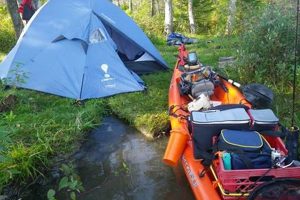
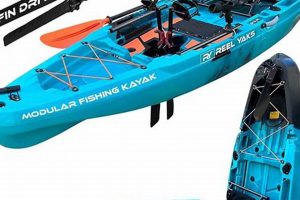
This activity involves angling from a small, human-powered watercraft in the coastal waters near Orange Beach, Alabama. It offers a unique blend of recreation and sport, allowing close-to-water interaction with the marine environment while pursuing various fish species. The shallow-water access provided by these vessels opens opportunities unavailable to larger, motorized boats.
The relatively low cost of entry and the exercise benefits contribute to the growing popularity of this pursuit. It provides a sustainable and environmentally friendly way to experience the natural beauty and biodiversity of the Gulf Coast. Historically, small boats have been used for fishing in the region, but the modern iteration, using specialized kayaks and equipment, offers a distinctly contemporary approach.
The following sections will explore suitable kayak types, essential gear, popular fishing locations near Orange Beach, local regulations, and tips for a successful and enjoyable experience.
Tips for Kayak Fishing Near Orange Beach
Preparation and awareness are crucial for a safe and productive fishing trip. These tips provide valuable insights for anglers of all experience levels.
Tip 1: Check Weather and Tide Charts: Wind, waves, and tidal currents significantly impact kayak handling. Consult marine forecasts before embarking and adjust plans accordingly.
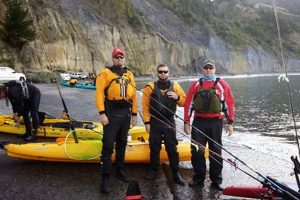
Tip 2: Prioritize Safety Equipment: A personal flotation device (PFD), a whistle, and a visual distress signal are essential for personal safety. A first-aid kit and communication device are also recommended.
Tip 3: Plan a Float Plan: Inform someone about the intended fishing location, launch time, and estimated return. This allows for prompt assistance if needed.
Tip 4: Respect Local Regulations: Obtain necessary fishing licenses and familiarize oneself with size and catch limits for target species. Adhere to any area closures or restrictions.
Tip 5: Choose Appropriate Gear: Select a kayak suitable for fishing in coastal waters. Essential equipment includes rods, reels, tackle appropriate for targeted species, and an anchor or stake-out pole.
Tip 6: Practice Kayak Control: Develop proficiency in paddling and maneuvering the kayak, especially in wind and current. Practice re-entering the kayak in the event of a capsize.
Tip 7: Be Mindful of the Environment: Practice catch-and-release whenever possible. Dispose of fishing line and other waste properly. Respect wildlife and avoid disturbing nesting areas.
By following these guidelines, anglers can enhance their chances of a successful and enjoyable fishing experience while prioritizing safety and environmental responsibility.
With proper planning and execution, anglers can expect a rewarding experience on the waters near Orange Beach.
1. Stable Kayak Selection

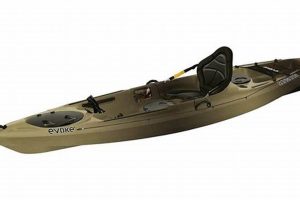
Kayak stability significantly impacts angling success and safety in the dynamic waters near Orange Beach. Selecting a stable platform is paramount for casting, fighting fish, and navigating potentially challenging conditions. A stable hull allows anglers to focus on fishing rather than constantly correcting balance, contributing to a more enjoyable and productive experience.
- Hull Design:
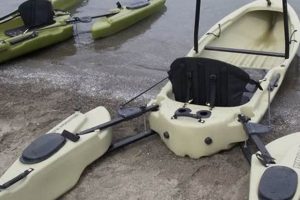
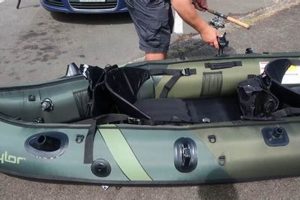
Wider, flatter hulls generally offer greater initial stability, making them suitable for calmer waters and beginners. Pontoon-style hulls provide exceptional stability. Longer, narrower hulls, while less initially stable, track better in wind and current, benefiting experienced paddlers. Consider the typical conditions encountered near Orange Beach when choosing a hull design.
- Kayak Width and Length:
Wider kayaks provide more initial stability, beneficial for casting and reeling. Longer kayaks tend to track straighter and glide more efficiently, covering greater distances. The optimal width and length depend on individual needs, fishing style, and expected water conditions. Wider kayaks may be preferable for inshore fishing, while longer kayaks suit open water.
- Weight Capacity:
The kayak’s weight capacity should accommodate the angler’s weight, fishing gear, and any potential catch. Exceeding the weight capacity compromises stability and performance. Consider the combined weight of all items brought onboard when selecting a kayak.
- Seat Design and Positioning:
A comfortable and supportive seat enhances stability and reduces fatigue during long fishing trips. Elevated seating positions improve visibility and casting range. Consider seat features and adjustability when evaluating kayak stability and comfort.
By carefully considering these factors, anglers can select a kayak that provides the necessary stability for a safe and productive fishing experience near Orange Beach. A stable platform contributes to confident casting, effective fish fighting, and enhanced enjoyment on the water.
2. Appropriate Fishing Gear

Effective angling near Orange Beach from a kayak requires specialized equipment tailored to the environment and target species. Proper gear selection enhances fishing success, improves safety, and contributes to an overall more enjoyable experience. Choosing appropriate rods, reels, lines, lures, and accessories directly impacts angling effectiveness and efficiency in this unique setting.
- Rod and Reel Selection:
Shorter, lighter rods (6-7 feet) are generally preferred for kayak fishing due to limited space and maneuverability constraints. Spinning or baitcasting reels matched to the rod and target species provide effective casting and retrieval. Consider rods designed for inshore saltwater fishing and reels with corrosion-resistant components. For example, a medium-power spinning rod paired with a 2500-size reel is versatile for targeting various species commonly found near Orange Beach.
- Line and Leader:
Braided fishing line offers superior strength and sensitivity compared to monofilament, allowing for better hooksets and detection of subtle bites. A fluorocarbon leader provides abrasion resistance and low visibility, crucial for targeting wary fish in clear coastal waters. For example, 10-20 lb braided line with a 20-30 lb fluorocarbon leader is suitable for many inshore species.
- Lures and Bait:
Lure selection depends on the target species. Commonly used lures in Orange Beach waters include topwater plugs, jigs, soft plastics, and spoons. Live or dead bait, such as shrimp, minnows, or squid, can also be highly effective. Matching the lure or bait to the prevalent forage in the area increases the likelihood of attracting target fish.
- Essential Accessories:
A tackle box or bag organized with essential terminal tackle, such as hooks, weights, swivels, and pliers, streamlines rigging and lure changes. A landing net aids in safely securing caught fish, while a fish grip facilitates handling and release. These accessories enhance efficiency and contribute to a smoother fishing experience.
Careful consideration of these gear components ensures anglers are well-equipped to target the diverse fish species found near Orange Beach while maximizing efficiency and enjoyment on the water. The correct equipment contributes significantly to a productive and rewarding kayak fishing experience.
3. Safety Equipment

Safety equipment is paramount for kayak fishing near Orange Beach. The coastal environment presents inherent risks, including changing weather conditions, vessel traffic, and potential encounters with marine life. Prioritizing safety enhances enjoyment and mitigates potential hazards, ensuring a positive experience on the water.
- Personal Flotation Device (PFD):
A properly fitted PFD is the most crucial piece of safety equipment. It provides buoyancy in the event of a capsize or accidental overboard entry, significantly increasing the chances of survival. Alabama law requires all vessels, including kayaks, to carry one approved PFD per person onboard. A Type III PFD, designed for paddling, is recommended for its comfort and freedom of movement while fishing.
- Signaling Devices:
Carrying signaling devices enables communication in emergencies. A whistle alerts nearby boaters of potential distress. A waterproof flashlight or strobe light enhances visibility in low-light conditions or fog. A VHF radio allows direct communication with the Coast Guard and other vessels. These devices increase the likelihood of prompt assistance in emergency situations.
- First-Aid Kit and Essential Supplies:
A waterproof first-aid kit equipped to address common injuries, such as cuts, scrapes, and stings, is essential. Sunscreen, a hat, and sunglasses protect against sun exposure. Hydration is crucial, so carrying ample drinking water is vital, especially during warmer months. These supplies enhance comfort and preparedness for unforeseen circumstances.
- Float Plan and Communication:
Informing someone on shore of the planned fishing route, launch time, and expected return time constitutes a float plan. This provides critical information for search and rescue efforts if the angler does not return as scheduled. Carrying a waterproof cell phone or satellite communication device enables direct communication with shore in case of emergencies.
Careful consideration and utilization of these safety precautions significantly enhance angler safety while kayak fishing near Orange Beach. Prioritizing safety contributes to a more enjoyable and responsible experience on the water. Preparedness for potential hazards allows anglers to focus on fishing with greater peace of mind, knowing they are equipped to handle unforeseen circumstances.
4. Tide and Weather Awareness
Tide and weather awareness are critical for safe and successful kayak fishing near Orange Beach. Tidal currents significantly influence fish behavior and movement, while weather conditions directly impact kayak handling and angler safety. Understanding these factors allows anglers to optimize fishing strategies and mitigate potential hazards.
Tidal flow concentrates baitfish and predators in specific areas, creating productive fishing opportunities. Incoming tides often bring clearer, cooler water, stimulating fish activity. Outgoing tides can concentrate fish in channels and near inlets. Wind direction and speed affect kayak drift and paddling effort. Strong winds can create challenging paddling conditions, especially for less experienced kayakers. Monitoring weather forecasts for approaching storms or significant changes in wind and wave conditions is essential for safety. For example, fishing near Perdido Pass during an outgoing tide can produce excellent catches of redfish and speckled trout, but strong winds from the south can make kayaking challenging. Similarly, fishing the back bays during a calm morning on a rising tide can provide excellent sight-fishing opportunities for flounder.
Failing to consider tidal and weather conditions can lead to hazardous situations. Strong offshore winds can quickly push a kayak far from shore, while unexpected storms can create dangerous wave conditions. Anglers should always check tide charts and weather forecasts before embarking on a kayak fishing trip near Orange Beach. Utilizing online resources, local fishing reports, and consulting with experienced anglers provides valuable insights into prevailing conditions and potential hazards. Preparation for changing conditions ensures a safer and more productive fishing experience. Understanding the interplay between tide, weather, and fish behavior is crucial for maximizing success and prioritizing safety in the dynamic coastal environment near Orange Beach.
5. Local Fishing Regulations
Adhering to local fishing regulations is essential for responsible and sustainable kayak fishing near Orange Beach. These regulations aim to conserve fish populations, protect sensitive habitats, and ensure equitable access to resources. Compliance ensures the longevity of the fishery and contributes to a positive experience for all anglers.
- Licensing Requirements:
A valid Alabama saltwater fishing license is required for anglers 16 years of age and older fishing from a kayak in Orange Beach waters. Licenses can be obtained online, at licensed retailers, or through the Alabama Department of Conservation and Natural Resources. Possessing the correct license ensures legal compliance and supports conservation efforts funded by license sales.
- Size and Catch Limits:
Regulations specify minimum sizes and daily catch limits for various species. These restrictions help maintain healthy fish populations and prevent overfishing. For example, redfish have a slot limit, meaning anglers can only keep fish within a specific size range. Familiarizing oneself with these limits for targeted species is essential for responsible angling. Resources such as the Alabama Department of Conservation and Natural Resources website provide detailed information on current regulations.
- Seasonal Closures and Restricted Areas:
Certain areas may be temporarily closed to fishing or have specific gear restrictions to protect spawning fish or sensitive habitats. For example, some areas may be closed to fishing during specific months to protect spawning redfish or speckled trout. Awareness of these closures and restrictions prevents unintentional violations and contributes to preserving the local ecosystem.
- Allowed Gear and Methods:
Regulations may restrict certain fishing gear or methods. For example, the use of gill nets or certain types of traps may be prohibited. Understanding permitted gear and methods ensures compliance and promotes ethical angling practices. Local bait and tackle shops can provide information on appropriate gear for the area.
Understanding and complying with these local fishing regulations contributes to the sustainability of the Orange Beach fishery and ensures a positive experience for all. Responsible angling practices demonstrate respect for the environment and fellow anglers, fostering a culture of conservation and ethical fishing in the area. By following these guidelines, kayak anglers can enjoy the diverse fishing opportunities near Orange Beach while contributing to the long-term health of the ecosystem.
6. Respectful Angling Practices
Respectful angling practices are crucial for the sustainability of the Orange Beach fishery and the preservation of its natural beauty. Kayak fishing, due to its close-to-water nature and access to shallow, sensitive habitats, requires a heightened awareness of these practices. Minimizing environmental impact and promoting responsible angling ensures the continued enjoyment of this activity for future generations.
- Minimize Disturbance to Wildlife:
Kayaks offer close proximity to marine life, necessitating cautious observation without causing stress or disruption. Avoid sudden movements or loud noises that could frighten fish or birds. Respect nesting areas and avoid disturbing wildlife in sensitive habitats such as seagrass beds. For example, maintain a safe distance from nesting shorebirds and avoid paddling directly through shallow seagrass beds.
- Proper Catch and Release Techniques:
Practicing catch and release minimizes stress on fish populations and contributes to their long-term health. Use appropriate hooks and tackle to reduce injury. Handle fish gently and minimize air exposure. Use wet hands or a landing net to avoid removing the fish’s protective slime coating. Revive fish in the water before release, ensuring they are able to swim away strongly. These techniques contribute to the survival of released fish and the overall health of the fishery.
- Leave No Trace:
Disposing of fishing line and other waste properly prevents entanglement of wildlife and pollution of the waterways. Carry a small trash bag or container to collect discarded line, hooks, and packaging. Dispose of waste properly onshore. Avoid discarding cigarette butts or other debris into the water. This practice maintains the aesthetic quality of the environment and protects marine life.
- Respect Other Anglers and Boaters:
Maintaining appropriate distance from other anglers and boaters ensures a safe and courteous environment for everyone. Avoid fishing in crowded areas or directly in the path of other vessels. Communicate intentions clearly and offer assistance when needed. Respectful interaction fosters a positive experience for all users of the waterway.
By integrating these respectful angling practices into kayak fishing outings near Orange Beach, anglers contribute to the long-term health of the fishery and the preservation of the coastal environment. Responsible angling ensures continued access to these valuable resources and promotes a sustainable approach to enjoying the natural beauty of the area.

Effective navigation and location knowledge are essential for successful and safe kayak fishing near Orange Beach. The coastal environment presents a dynamic landscape of channels, shallow flats, inlets, and open water areas, each offering unique fishing opportunities. Understanding how to navigate these waters safely and efficiently, while locating productive fishing spots, significantly enhances angling success and overall enjoyment.
- Chart Reading and GPS Usage:
Nautical charts provide detailed information about water depths, channels, hazards, and navigational aids. Coupled with a GPS device or smartphone app, anglers can pinpoint their location, plan routes, and navigate safely to desired fishing areas. Knowing how to interpret chart symbols and utilize GPS technology is crucial for efficient navigation and avoiding grounding or other hazards in unfamiliar waters.
- Identifying Productive Fishing Spots:
Location knowledge plays a critical role in finding fish. Understanding the relationship between bottom structure, tides, currents, and fish behavior helps anglers identify likely holding areas. For example, locating oyster reefs, grass beds, or drop-offs near channels can significantly increase the chances of encountering target species like redfish, speckled trout, or flounder. Local knowledge, gained through research, fishing reports, or guidance from experienced anglers, provides valuable insights into productive fishing locations.
- Tidal Current Awareness and Drift Fishing:
Tidal currents play a significant role in fish behavior and movement. Understanding how currents interact with bottom structure and influence baitfish concentrations allows anglers to position their kayaks effectively. Drift fishing, a technique where the kayak drifts naturally with the current, can be highly effective when combined with accurate knowledge of tidal flow and bottom contours. This technique allows anglers to cover a wider area and present baits naturally to feeding fish.
- Safety Considerations and Navigation Planning:
Planning kayak fishing trips with navigation and safety in mind is essential. Identifying potential hazards, such as shallow areas, strong currents, or boat traffic, and establishing alternative routes or contingency plans enhances safety. Checking weather forecasts and tide charts before embarking ensures anglers are prepared for changing conditions. Informing someone on shore of the intended fishing location and estimated return time provides an additional safety precaution.
Proficient navigation and location knowledge are integral components of successful kayak fishing near Orange Beach. These skills enable anglers to safely and efficiently explore diverse fishing grounds, locate productive areas, and maximize their chances of success while enjoying the unique coastal environment. By combining these skills with responsible angling practices, kayak anglers contribute to the sustainability of the fishery and ensure a rewarding experience on the water.
Frequently Asked Questions
This section addresses common inquiries regarding kayak fishing near Orange Beach, Alabama, providing concise and informative responses to enhance understanding and promote safe and enjoyable angling experiences.
Question 1: What are the most common fish species targeted by kayak anglers near Orange Beach?
Common targets include redfish, speckled trout, flounder, sheepshead, and various inshore species. The specific species encountered may vary depending on the season, location, and prevailing environmental conditions.
Question 2: What is the best time of year for kayak fishing in Orange Beach?
Fishing can be productive year-round, but spring and fall generally offer optimal conditions with moderate temperatures and active fish. Specific species may exhibit peak activity during certain seasons, influencing target selection.
Question 3: Are there guided kayak fishing tours available in Orange Beach?
Numerous local outfitters offer guided kayak fishing tours catering to various skill levels. Guided tours provide valuable insights into local fishing spots, techniques, and regulations, enhancing the experience for novice or visiting anglers.
Question 4: What are the primary safety concerns for kayak anglers in this area?
Key safety concerns include changing weather conditions, strong currents, boat traffic, and potential encounters with marine life. Proper safety equipment, navigation planning, and awareness of local regulations mitigate these risks.
Question 5: What type of kayak is recommended for fishing near Orange Beach?
Sit-on-top kayaks designed for fishing are generally recommended due to their stability, storage capacity, and ease of re-entry in the event of a capsize. Kayak selection should consider individual needs, fishing style, and anticipated water conditions.
Question 6: Where can one find information on local fishing regulations and licensing requirements?
The Alabama Department of Conservation and Natural Resources website provides comprehensive information on current fishing regulations, licensing requirements, and seasonal closures. Consulting this resource ensures compliance and responsible angling practices.
Careful consideration of these frequently asked questions enhances preparedness and fosters a safer, more enjoyable, and productive kayak fishing experience near Orange Beach. Understanding local conditions, regulations, and resources contributes to responsible angling practices and ensures the long-term health of the fishery.
The next section provides detailed information on recommended fishing locations near Orange Beach, including descriptions of their unique characteristics and target species.
Kayak Fishing Orange Beach
This exploration of kayak fishing near Orange Beach has highlighted the unique blend of angling opportunity and coastal exploration this activity offers. From selecting the appropriate kayak and gear to understanding local regulations and practicing responsible angling, each aspect contributes to a safe, productive, and enjoyable experience. Emphasis on safety equipment, tide and weather awareness, and navigation skills underscores the importance of preparedness in this dynamic coastal environment. Furthermore, the discussion of respectful angling practices, including proper catch-and-release techniques and minimizing environmental impact, reinforces the responsibility anglers bear in preserving the natural resources and beauty of the area.
The Orange Beach area provides a rich and diverse ecosystem for kayak anglers to explore. By combining knowledge, preparation, and respect for the environment, individuals can experience the rewarding challenge and tranquility of this unique angling pursuit. The future of this activity relies on the continued commitment to sustainable practices and responsible stewardship of these valuable coastal resources. Continued exploration and understanding of the interplay between environment, angler, and target species will further enhance the enjoyment and sustainability of kayak fishing in Orange Beach for years to come.