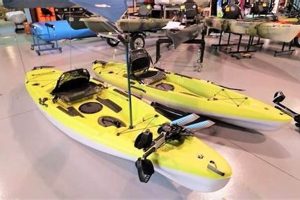
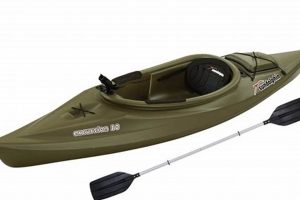
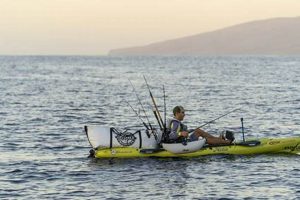
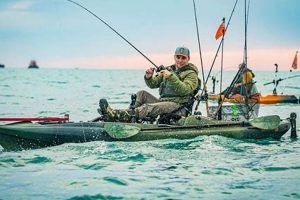
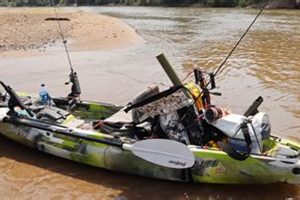
This sit-on-top vessel, designed for angling, combines stability and maneuverability with features tailored for the sport. Typically equipped with rod holders, storage compartments, and other specialized accessories, this type of watercraft offers anglers a platform for accessing various fishing locations, from calm lakes to coastal waters.
The design prioritizes stability for casting and reeling, while remaining agile enough for navigating diverse water conditions. The incorporated fishing-specific features enhance convenience and efficiency on the water, allowing anglers to focus on their pursuit. The increasing popularity of kayak fishing has driven innovation in design and functionality, resulting in specialized craft like this one that cater to the needs of serious anglers.
Further exploration will delve into specific design elements, performance characteristics, and potential advantages and disadvantages in various fishing environments. This will provide a comprehensive understanding of its suitability for different anglers and fishing styles.
Tips for Kayak Fishing
Proper preparation and technique are essential for a successful and enjoyable kayak fishing experience. The following tips provide valuable guidance for maximizing efficiency and safety on the water.
Tip 1: Prioritize Safety Gear. Always wear a personal flotation device (PFD). Carry a whistle, signaling mirror, and waterproof communication device for emergencies. Inform someone of your fishing plans, including location and expected return time.
Tip 2: Balance and Stability are Paramount. Distribute weight evenly within the kayak. Practice entering and exiting the kayak in shallow water to develop confidence and balance. Avoid sudden movements or leaning too far to one side.
Tip 3: Master Paddle Strokes. Learn basic paddling techniques for efficient movement and maneuvering. Practice different strokes for navigating various water conditions and wind directions.
Tip 4: Plan Your Fishing Approach. Research potential fishing spots and water conditions beforehand. Consider wind direction, tides, and currents when planning your route and anchoring locations.
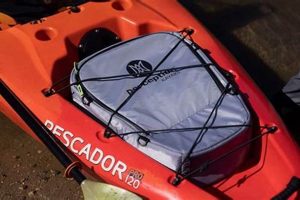
Tip 5: Organize Tackle and Gear. Utilize designated storage compartments for easy access to fishing tackle and equipment. Keep frequently used items within reach and secure loose items to prevent loss or entanglement.
Tip 6: Respect the Environment. Practice catch-and-release whenever possible. Properly dispose of fishing line and other waste. Adhere to local fishing regulations and respect wildlife.
Tip 7: Check Weather Conditions. Before embarking on a fishing trip, thoroughly check the weather forecast. Avoid going out in strong winds, storms, or extreme temperatures. Be prepared for changing conditions.
By adhering to these guidelines, anglers can enhance their safety, improve their fishing effectiveness, and foster a more enjoyable experience on the water.
These practical tips offer valuable insights into enhancing performance and safety while kayak fishing. Concluding remarks will summarize the key elements for a successful outing.
1. Sit-on-top Design

The Akona Viking fishing kayak utilizes a sit-on-top design, a key feature influencing its performance and suitability for angling. This design contrasts with traditional sit-inside kayaks where the user’s lower body is enclosed within the hull. The sit-on-top structure offers several advantages for fishing applications. Enhanced stability, particularly beneficial for casting and reeling, stems from the wider, flatter hull shape typical of sit-on-top kayaks. Self-bailing scupper holes drain water that splashes onto the deck, contributing to stability and preventing swamping. Ease of entry and exit simplifies transitions in and out of the water, a crucial factor when dealing with fish or navigating shallow areas. Anglers often find the open design more comfortable, particularly in warmer climates, allowing greater freedom of movement. This design element contributes significantly to the Viking’s suitability for fishing.
The inherent stability of the sit-on-top design allows anglers to focus on fishing techniques rather than maintaining balance. Consider a scenario where an angler hooks a large fish. The open deck provides space and stability to maneuver and fight the fish effectively. The self-bailing system ensures that any water shipped during the struggle drains quickly, maintaining stability. In contrast, a sit-inside kayak might require more careful balance and risk capsizing in such a situation. The ease of re-entry offered by the sit-on-top design is also crucial; if an angler were to accidentally fall overboard, re-entering the kayak is significantly easier and quicker than with a sit-inside model. This highlights the practical implications of the sit-on-top design for safety and functionality in a fishing context.
The sit-on-top design is integral to the Akona Viking’s functionality as a fishing platform. It provides a stable, accessible, and comfortable platform that enhances angling performance. The advantages of this design, including improved stability, self-bailing capabilities, and ease of entry/exit, directly address the specific needs and challenges of kayak fishing. This understanding underscores the importance of design considerations in optimizing kayak performance for specialized activities.
2. Fishing-Specific Features
Dedicated features differentiate a fishing kayak from recreational models. The Akona Viking incorporates several such features, enhancing its utility for anglers. Integrated rod holders secure fishing rods, freeing hands for paddling, baiting, or landing fish. Storage compartments, often designed for tackle boxes and other fishing gear, maintain organization and accessibility. These purpose-built features directly impact fishing effectiveness and overall experience. Consider the scenario of trolling multiple lines. Rod holders allow for hands-free operation while maintaining control and responsiveness. Simultaneously, organized storage ensures quick access to necessary tackle adjustments, optimizing fishing time. This integration of specialized features highlights the design focus on practical angling needs.
Further enhancements might include anchor trolleys, facilitating controlled drift fishing, or specialized seating designed for long hours on the water. These features often address specific fishing styles or target species. For example, an anchor trolley system allows precise positioning in a current, crucial for presenting bait effectively to target fish. Ergonomic seating improves comfort during extended fishing trips, reducing fatigue and maximizing focus on the activity. These examples demonstrate how targeted design elements cater to diverse fishing techniques and preferences. The inclusion of such features elevates the Akona Viking beyond a simple watercraft, transforming it into a dedicated fishing platform.
Fishing-specific features directly contribute to angling effectiveness and enjoyment. Rod holders, storage compartments, and other specialized elements optimize organization, accessibility, and overall functionality on the water. The practical implications of these features are readily apparent in real-world fishing scenarios. This targeted design approach underscores the importance of tailoring equipment to specific activities for enhanced performance and user experience. The Akona Vikings fishing-centric design positions it as a valuable tool for anglers seeking to maximize their time and success on the water.
3. Stability and Maneuverability

The balance between stability and maneuverability is crucial in a fishing kayak, directly impacting its performance in various fishing environments. The Akona Viking fishing kayak addresses this balance through design elements that contribute to both attributes. Stability is essential for casting, reeling, and landing fish, especially in challenging conditions or when engaging with larger catches. A stable platform minimizes the risk of capsizing and allows the angler to focus on fishing techniques. Maneuverability, however, is equally important for navigating tight spots, changing fishing locations efficiently, and responding to changing water conditions or fish movement. A kayak that is too stable might be difficult to turn or maneuver in tight quarters, while a kayak that is too maneuverable might compromise stability, increasing the risk of tipping.
Consider a scenario where an angler is fishing in a narrow creek with overhanging branches. A highly maneuverable kayak allows navigation through the tight confines of the creek, accessing prime fishing spots. Simultaneously, the kayak needs sufficient stability to allow the angler to cast and retrieve effectively without compromising balance. In a different scenario, an angler fishing in open water might prioritize stability to handle choppy conditions or the fight of a strong fish, while still requiring enough maneuverability to track schools of fish or adjust position as needed. The Akona Viking aims to address these diverse needs by balancing stability features, such as a wider hull, with design elements that promote maneuverability, such as a defined keel line and appropriately sized rudder (if equipped). The specific balance achieved influences the kayak’s suitability for different fishing styles and environments.
The interplay between stability and maneuverability significantly impacts the overall performance and suitability of the Akona Viking fishing kayak for various fishing applications. Understanding this relationship allows anglers to make informed decisions about equipment selection based on their individual needs and target fishing environments. The ideal balance point between these two characteristics varies depending on the specific fishing style and the prevailing conditions. While a highly stable kayak might be ideal for stillwater fishing or handling large fish, a more maneuverable kayak might be preferred for navigating tight rivers or actively pursuing agile fish species. A comprehensive evaluation of a fishing kayak should consider the specific balance struck between stability and maneuverability in relation to the intended use case.
4. Durable Construction

Durability is a critical factor in kayak construction, particularly for fishing kayaks that often endure harsh conditions and demanding use. The Akona Viking fishing kayak’s construction plays a vital role in its longevity and overall performance. Durable materials, robust construction techniques, and impact resistance contribute to the kayak’s ability to withstand the rigors of fishing environments. These factors influence not only the lifespan of the kayak but also its performance and safety on the water. A durable kayak maintains its structural integrity over time, resisting damage from impacts, UV exposure, and abrasion. This resilience translates to a safer and more reliable platform for anglers, especially in challenging conditions.
Consider the impact of rocky shorelines, submerged obstacles, or accidental impacts during transport. A robustly constructed kayak resists damage from such encounters, maintaining its functionality and safety. High-quality materials and construction techniques also contribute to long-term resistance to UV degradation and weathering, preserving the kayak’s structural integrity over time. This durability translates to a lower total cost of ownership and reduced environmental impact through less frequent replacement. For instance, UV-resistant polyethylene construction helps prevent cracking and fading, extending the kayak’s lifespan and maintaining its aesthetic appeal. Reinforced areas, such as the keel and seating area, further enhance impact resistance and structural integrity in high-stress areas.
The practical implications of durable construction are significant for kayak anglers. A robust kayak provides a reliable and safe platform, allowing anglers to focus on fishing without concern for equipment failure. This resilience translates to a more enjoyable and productive experience on the water, particularly in demanding conditions. The longevity associated with durable construction represents a valuable investment for anglers, ensuring years of reliable service. Ultimately, the emphasis on durable construction in the Akona Viking fishing kayak contributes significantly to its overall value proposition, offering anglers a dependable and long-lasting platform for pursuing their passion.
5. Target Angler Profile
Understanding the target angler profile for the Akona Viking fishing kayak provides insights into its suitability for different users and fishing styles. This profile considers factors such as experience level, fishing preferences, and target species, informing potential buyers about the kayak’s intended purpose and optimal usage scenarios. A clear definition of the target angler profile allows for a more informed evaluation of the kayak’s features and benefits in relation to individual angling needs.
- Experience Level
The Akona Viking caters to a range of experience levels, from beginner to intermediate anglers. Its stable platform and user-friendly design make it accessible to newcomers, while the inclusion of fishing-specific features appeals to more seasoned anglers seeking a dedicated fishing kayak. A novice angler can confidently navigate and fish from the Viking, while an experienced angler can appreciate the specialized features that enhance fishing effectiveness. This broad appeal makes it a versatile option for anglers at different stages of their fishing journey.
- Fishing Style
The Viking’s design accommodates various fishing styles, including stillwater fishing, inshore coastal fishing, and slow-moving river fishing. Its stability makes it suitable for casting and retrieving lures or bait, while its maneuverability allows for navigation in diverse environments. An angler targeting bass in a calm lake can appreciate the stability for casting and fighting fish, while an angler fishing for redfish in shallow coastal waters benefits from the maneuverability in navigating shallows and oyster beds. The kayak’s adaptability to different fishing styles enhances its versatility and appeal.
- Target Species
The Akona Viking is suitable for targeting a wide variety of fish species, from smaller panfish to larger game fish. Its stable platform and ample storage capacity allow for the transport of necessary gear and equipment for targeting different species. An angler pursuing trout in a river can appreciate the maneuverability for navigating currents and accessing different fishing spots, while an angler targeting larger catfish or striped bass can utilize the stability and storage capacity to handle heavier tackle and larger catches. The kayak’s versatility in targeting diverse species expands its potential applications.
- Budget Considerations
The Akona Viking typically falls within a mid-range price point for fishing kayaks, offering a balance of features and affordability. This positioning makes it accessible to a broader audience compared to higher-end models, while still providing specialized features that enhance the fishing experience. Anglers seeking a dedicated fishing kayak with essential features without a premium price tag may find the Viking to be a suitable option. This balance of performance and price point contributes to its overall value proposition.
By considering the target angler profile, potential buyers can assess the Akona Viking’s suitability for their individual needs and fishing preferences. The kayak’s balance of stability, maneuverability, and fishing-specific features positions it as a versatile option for a range of anglers, from beginners to experienced individuals seeking a dedicated fishing platform within a reasonable price range. Understanding this profile enhances the decision-making process and ensures a suitable match between the kayak and the angler’s requirements.
6. Intended Fishing Environments

The Akona Viking fishing kayak’s design and features align with specific intended fishing environments. Understanding these environments is crucial for maximizing the kayak’s effectiveness and ensuring angler safety. Calm lakes, slow-moving rivers, and sheltered coastal waters represent prime locations for leveraging the Viking’s stability and maneuverability. These environments typically offer manageable conditions, aligning with the kayak’s performance characteristics. Venturing beyond these intended environments, such as into open ocean or fast-flowing rivers, could compromise stability and safety. Consider a calm lake scenario. The stable platform allows for comfortable casting and retrieval, while the maneuverability facilitates exploration of different fishing spots. This alignment between environment and kayak characteristics optimizes the fishing experience.
Conversely, consider attempting to navigate the Viking in rough ocean conditions. The kayak’s stability, while suitable for calmer waters, might be insufficient to handle larger waves and strong currents. This mismatch could lead to instability, potentially resulting in capsizing or equipment loss. Similarly, navigating fast-flowing rivers presents challenges for the Viking’s maneuverability and tracking capabilities, increasing the risk of losing control or colliding with obstacles. Understanding these limitations is crucial for safe and effective kayak operation. For example, while the Viking can handle mild currents in sheltered bays, attempting to navigate strong tidal currents could prove challenging and potentially dangerous. The kayak’s design prioritizes stability over speed, making it less suitable for environments requiring rapid maneuverability or high-speed tracking.
Matching the Akona Viking fishing kayak to its intended environments optimizes performance and safety. Calm lakes, slow-moving rivers, and sheltered coastal waters provide the ideal conditions for leveraging the kayak’s stability and maneuverability, maximizing fishing effectiveness and ensuring a safe experience. Attempting to use the kayak in environments beyond its intended design parameters, such as rough open water or fast-flowing rivers, risks compromising stability and control, potentially leading to hazardous situations. Recognizing these limitations is crucial for responsible kayak operation and informed decision-making regarding appropriate fishing locations. This understanding allows anglers to select appropriate environments that align with the kayak’s capabilities, promoting both safety and fishing success.
Frequently Asked Questions
This section addresses common inquiries regarding the Akona Viking fishing kayak, providing concise and informative responses to facilitate informed decision-making.
Question 1: What weight capacity does the Akona Viking fishing kayak support?
Weight capacity varies depending on the specific model year and design. Consulting the manufacturer’s specifications for the particular model of interest is recommended for precise information. Exceeding the specified weight capacity can compromise stability and safety.
Question 2: Is the Akona Viking suitable for ocean fishing?
While the Viking can handle sheltered coastal waters and calm bays, it is not designed for open ocean conditions. Its stability and maneuverability are optimized for calmer environments. Venturing into open ocean with the Viking could pose significant safety risks.
Question 3: What materials are used in the construction of the Akona Viking?
The Akona Viking typically utilizes high-density polyethylene (HDPE) for its hull construction. HDPE offers a balance of durability, impact resistance, and UV resistance, making it a suitable material for kayak construction. Specific model details might vary, therefore confirming construction materials with the manufacturer or retailer is advised.
Question 4: Does the Akona Viking come with a paddle and life vest?
Standard inclusions can vary depending on the retailer and specific purchase agreements. While some packages might include a paddle and/or life vest, others might offer the kayak alone. Clarifying included accessories with the seller before purchase is essential.
Question 5: How does the Akona Viking compare to other fishing kayaks in its price range?
Direct comparisons require consideration of specific models and individual needs. The Viking generally offers a balance of stability, features, and affordability within its price range. Researching competing models and comparing features relevant to specific fishing preferences and intended environments is advisable.
Question 6: What maintenance is required for the Akona Viking?
Routine maintenance includes rinsing the kayak with fresh water after each use, especially after exposure to saltwater. Regular inspection for damage and proper storage out of direct sunlight contribute to the kayak’s longevity. Consulting the owner’s manual for specific maintenance recommendations for the particular model is recommended.
Addressing these common inquiries provides a foundation for informed evaluation of the Akona Viking fishing kayak. Thorough research and consideration of individual needs remain crucial for selecting appropriate kayaking equipment.
Further exploration of specific features and performance characteristics will provide a more comprehensive understanding of the Akona Viking’s capabilities and suitability for various fishing applications.
Conclusion
Exploration of the Akona Viking fishing kayak reveals a design prioritizing stability and fishing-specific features. Its sit-on-top configuration, coupled with integrated rod holders and storage compartments, caters to diverse angling needs. The balance between stability and maneuverability positions this kayak as a suitable option for calm lakes, slow-moving rivers, and sheltered coastal waters. Durable construction contributes to longevity, while the targeted angler profile encompasses both novice and intermediate skill levels. Careful consideration of intended fishing environments and adherence to safety precautions remain paramount for optimal performance and user experience.
Selection of appropriate fishing kayak equipment hinges on careful evaluation of individual needs and intended usage scenarios. Thorough research and consideration of design features, performance characteristics, and target environments empower informed decisions, ultimately enriching the angling experience. The Akona Viking fishing kayak presents a compelling option within its market segment, offering a balanced platform for anglers seeking enhanced stability and specialized features for a variety of fishing pursuits.