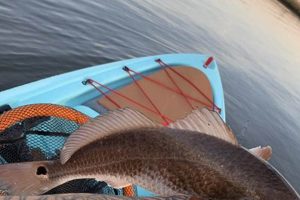
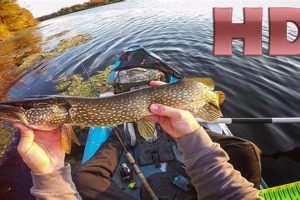
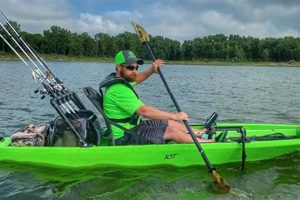
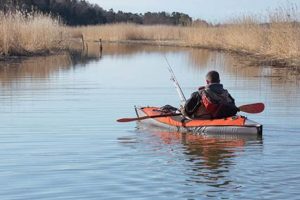
Tandem kayaks designed for angling in Canadian waters offer specific features like rod holders, ample storage for gear, and stability suitable for two occupants. These vessels cater to diverse fishing styles, from trolling vast lakes to maneuvering smaller rivers and streams. An example would be a durable polyethylene kayak equipped with adjustable seating and multiple storage compartments ideal for tackling the diverse conditions encountered across Canada’s waterways.
Shared fishing experiences enhance camaraderie and safety on the water. A two-person configuration allows for collaborative fishing strategies, efficient gear management, and mutual assistance in navigating varying water conditions. Historically, indigenous communities utilized multi-person canoes for fishing, highlighting the enduring practicality of shared watercraft for this purpose. The modern iteration, purpose-built for angling, improves upon this tradition with specialized features and materials suited to diverse fishing needs.
Further exploration will delve into specific kayak models suitable for Canadian waters, essential gear and safety precautions, prominent fishing locations, and regulations governing angling throughout the country. This information aims to equip prospective anglers with the knowledge necessary to plan successful and enjoyable fishing excursions.
Tips for Tandem Kayak Fishing in Canada
Careful planning and preparation contribute significantly to successful and enjoyable tandem kayak fishing trips. The following tips offer guidance for maximizing the advantages of a two-person fishing kayak in Canadian waters.
Tip 1: Coordinate Paddling and Fishing Techniques: Synchronized paddling improves efficiency and reduces wasted energy. Designated roles for paddling and angling should be established prior to launch, with adjustments made as needed based on fishing conditions.
Tip 2: Distribute Weight Evenly: Proper weight distribution is crucial for stability. Gear should be divided evenly between both paddlers and stored securely to prevent shifting during movement.
Tip 3: Choose Appropriate Safety Gear: Personal flotation devices (PFDs) are mandatory and essential for safety. Additional safety equipment, such as a first-aid kit, signaling devices, and a bilge pump, should be readily accessible.
Tip 4: Research Fishing Regulations: Regulations regarding licensing, catch limits, and permitted fishing methods vary across provinces and territories. Thorough research and adherence to these regulations are vital for responsible angling.
Tip 5: Plan for Varying Weather Conditions: Canadian weather can be unpredictable. Checking forecasts, dressing in layers, and having appropriate rain gear are essential for comfort and safety.
Tip 6: Select Suitable Fishing Locations: Researching and choosing fishing locations appropriate for tandem kayaks is crucial. Factors to consider include water depth, currents, and accessibility.
Tip 7: Practice Kayak Handling and Safety Procedures: Familiarizing oneself with basic kayak handling techniques, such as turning, stopping, and self-rescue, is essential before venturing onto the water.
By adhering to these guidelines, anglers can enhance their safety, improve their fishing success, and maximize their enjoyment of tandem kayak fishing in Canada.
These preparatory measures pave the way for a rewarding experience on the water, allowing anglers to focus on the thrill of the catch and the beauty of the Canadian landscape.
1. Tandem Kayak Selection

Appropriate tandem kayak selection is paramount for successful fishing excursions in Canada. Choosing the right vessel directly impacts comfort, safety, and overall fishing efficacy. Various factors influence this decision, from kayak design and material to specific fishing features.
- Hull Design:
Hull design significantly influences kayak performance. A flatter hull provides greater stability, beneficial for casting and reeling, while a V-shaped hull offers superior tracking and speed, advantageous for covering larger distances. For example, a stable platform is ideal for stillwater fishing in sheltered bays, while a more maneuverable design suits navigating winding rivers. Selecting the appropriate hull design depends on intended fishing locations and personal preferences.
- Material and Durability:
Kayak materials impact durability and weight. Polyethylene kayaks are generally durable and affordable, while composite materials offer lighter weight and increased performance. Consider the potential for encountering rocks or debris in Canadian waters. A robust polyethylene hull might be preferable for rocky riverbeds, while a lighter composite construction benefits portaging or transport across longer distances.
- Fishing-Specific Features:
Features such as rod holders, integrated tackle storage, and anchor trolleys enhance fishing functionality. Dedicated storage compartments keep gear organized and readily accessible, maximizing fishing time. Adjustable seating positions accommodate varying angler preferences and fishing styles. Assessing these specialized features ensures the chosen kayak aligns with specific fishing needs.
- Weight Capacity and Length:
Weight capacity directly relates to safety and performance. Exceeding the manufacturer’s recommended capacity compromises stability and maneuverability. Kayak length influences tracking and speed. Longer kayaks generally track straighter and glide more efficiently, while shorter kayaks are more maneuverable. A kayak’s dimensions must accommodate combined angler weight, gear, and anticipated catch.
Careful consideration of these factors ensures the chosen tandem kayak complements the unique demands of fishing in Canadian waters. Aligning kayak characteristics with individual fishing styles, target species, and intended locations contributes significantly to a productive and enjoyable angling experience. For instance, selecting a kayak with ample storage, rod holders, and a stable hull design optimized for stillwater fishing enhances success in locations like Algonquin Provincial Park.
2. Canadian Fishing Regulations

Canadian fishing regulations are integral to responsible angling practices, particularly within the context of tandem kayak fishing. Understanding and adhering to these regulations ensures the sustainability of fish populations and the preservation of aquatic ecosystems. Compliance benefits both the environment and the angling community by promoting responsible resource management and maintaining healthy fish stocks for future generations. This section explores key facets of these regulations relevant to tandem kayak fishing.
- Licensing Requirements:
Anglers in Canada are generally required to possess valid fishing licenses specific to the province or territory where they intend to fish. These licenses are often categorized based on residency, age, and fishing method. For example, a non-resident angler fishing in Ontario would require a non-resident fishing license. Acquiring the correct license is a prerequisite for legal angling from a tandem kayak and ensures compliance with jurisdictional regulations.
- Species-Specific Regulations:
Regulations frequently specify catch limits, size restrictions, and permitted fishing seasons for different fish species. These regulations aim to protect vulnerable populations and maintain healthy ecosystems. For instance, regulations might stipulate a catch limit of five walleye per day exceeding a specific length. Anglers using tandem kayaks must familiarize themselves with these species-specific regulations within their chosen fishing location. Adhering to these rules ensures responsible harvesting and contributes to long-term fish population health.
- Designated Fishing Areas:
Certain areas may be designated as sanctuaries, conservation zones, or areas with specific fishing restrictions. These designations aim to protect sensitive habitats or spawning grounds. For example, certain river sections might be closed to fishing during specific seasons to safeguard spawning fish. Anglers utilizing tandem kayaks should be aware of these designated areas and respect applicable restrictions. Using resources like nautical charts and local fishing guides helps ensure compliance and responsible angling practices.
- Gear and Method Restrictions:
Regulations may dictate permissible fishing gear and methods. Restrictions might apply to specific hook types, bait usage, or fishing techniques. For instance, using live bait might be prohibited in certain areas to prevent the introduction of invasive species. Anglers fishing from tandem kayaks must ensure their chosen gear and methods comply with local regulations. This includes understanding restrictions on techniques like trolling or jigging in specific locations.
Adhering to these regulations is crucial for anyone fishing from a tandem kayak in Canada. Responsible angling practices contribute to the sustainability of fish populations and the preservation of aquatic environments. By understanding and respecting these regulations, anglers ensure the enjoyment of fishing for present and future generations. This knowledge, combined with careful kayak selection and safety preparations, ensures a rewarding and ethical angling experience in Canada’s diverse waterways.
3. Safety Equipment Essentials

Safety equipment is paramount for tandem kayak fishing in Canada, given the potential hazards posed by remote locations, changing weather conditions, and cold water immersion. Preparedness significantly mitigates risks and ensures a safe and enjoyable experience. Understanding and carrying essential safety gear is not merely a recommendation, but a crucial aspect of responsible angling practice in Canadian waters.
- Personal Flotation Devices (PFDs):
Transport Canada mandates the carriage of approved PFDs for each person on board any vessel, including kayaks. Properly fitted and worn PFDs provide essential buoyancy in the event of capsizing or accidental overboard entry, significantly increasing survival chances, particularly in cold Canadian waters. For tandem kayak fishing, ensuring both occupants have appropriate and readily accessible PFDs is non-negotiable. For instance, choosing PFDs designed for paddling with accessible pockets for small tools or fishing accessories enhances both safety and convenience on the water.
- Signaling Devices:
Communication devices are critical in emergencies. A waterproof VHF radio allows direct communication with the Coast Guard and other vessels, enabling rapid response in distress situations. Backup signaling devices, such as a whistle, flares, or a signal mirror, provide alternative communication methods if the primary radio fails. Carrying multiple signaling devices increases the likelihood of attracting attention and receiving assistance if needed. In remote Canadian locations, a satellite communication device, while more expensive, can provide critical communication capabilities beyond the range of standard VHF radios.
- First-Aid Kit and Essential Supplies:
A comprehensive first-aid kit tailored to wilderness environments addresses minor injuries and provides essential supplies until professional medical assistance can be obtained. Including items like waterproof bandages, antiseptic wipes, pain relievers, and sunscreen addresses common kayaking and fishing-related injuries. Adding items specific to potential cold-water risks, such as a space blanket or hand warmers, further enhances preparedness for the Canadian climate. Regularly checking and replenishing the first-aid kit ensures readiness for any eventuality.
- Navigation and Safety Equipment:
A waterproof chart, compass, or GPS unit facilitates navigation, particularly in unfamiliar waters or challenging conditions. A bilge pump or bailer helps remove water from the kayak in the event of swamping or leakage, maintaining stability and preventing capsizing. Carrying a spare paddle ensures redundancy in case of paddle breakage or loss, maintaining maneuverability and control. These tools, combined with knowledge of local water conditions and weather forecasts, enhance safety and preparedness on the water. For tandem kayaks, a throw bag can be an invaluable tool for assisting a paddler who has fallen overboard.
These safety precautions are essential for mitigating risks associated with tandem kayak fishing in Canada. Equipping a two-person fishing kayak with these essentials contributes significantly to angler safety and ensures a more enjoyable and worry-free experience. This preparedness allows focus to shift to the intended purpose of the outing enjoying the camaraderie and the thrill of fishing in Canadas stunning natural environment.
4. Optimal Fishing Locations
Optimal fishing locations significantly enhance the tandem kayak angling experience in Canada. Strategic location selection maximizes catch potential while capitalizing on the advantages of a two-person kayak. Factors influencing optimal location choice include target species, water conditions, accessibility, and inherent safety considerations. Understanding these factors empowers anglers to choose locations best suited for their specific fishing goals and skill levels within the Canadian landscape.
- Species-Specific Habitats:
Different fish species inhabit specific environments. Researching target species’ preferred habitats, such as rocky shorelines for smallmouth bass or deep pools for lake trout, increases the likelihood of successful angling. Understanding these habitat preferences allows anglers to effectively target desired species, maximizing their chances of a successful catch. A two-person kayak provides a stable platform for fishing in diverse habitats, from shallow weed beds to deeper open water areas, expanding angling opportunities.
- Water Conditions and Accessibility:
Water conditions, including current flow, water clarity, and depth, impact fishing success. Calm, clear waters often provide better visibility for sight fishing, while faster currents might necessitate specialized techniques. Accessibility considerations, such as launch points, portages, and proximity to amenities, influence logistical planning and overall trip feasibility. Tandem kayaks, due to their size and stability, offer enhanced accessibility to certain locations compared to smaller, single-person kayaks, expanding the range of fishable waters.
- Safety Considerations and Regulations:
Evaluating potential hazards, such as boat traffic, submerged obstacles, and prevailing weather patterns, prioritizes angler safety. Adhering to local fishing regulations, including designated fishing zones and restricted areas, ensures responsible angling practices and resource conservation. A two-person kayak can offer enhanced safety in certain situations, as the presence of another angler provides immediate assistance in case of emergencies, a factor especially important in remote Canadian locations. Open communication between kayak occupants about potential hazards and adherence to established safety protocols maximize the margin of safety during the fishing excursion.
- Local Expertise and Resources:
Leveraging local knowledge, consulting fishing guides, and utilizing online resources provide valuable insights into productive fishing spots and effective techniques. Local bait and tackle shops often offer up-to-date information on fish activity and optimal bait choices. This information can significantly enhance fishing success and provide a deeper understanding of the local ecosystem. Sharing this knowledge and coordinating fishing strategies within a two-person kayak enhances the overall fishing experience and fosters a collaborative approach to angling.
Considering these factors in tandem with the specific advantages of a two-person kayak stability, gear capacity, and shared effort empowers anglers to select optimal fishing locations throughout Canada. This strategic approach maximizes fishing success, enhances safety, and fosters a deeper appreciation for the diverse aquatic environments Canada offers. By combining appropriate kayak selection, safety preparedness, and informed location choices, anglers create the foundation for a rewarding and memorable tandem kayak fishing experience.
5. Cooperative Paddling Techniques

Effective cooperative paddling is fundamental to successful tandem kayak fishing in Canada. Synchronized paddling maximizes efficiency, conserves energy, and enhances boat control, crucial for navigating diverse water conditions and focusing on angling. A coordinated paddling rhythm minimizes wasted effort and allows for precise maneuvering, enabling anglers to maintain desired positions for optimal fishing. Conversely, uncoordinated paddling leads to inefficiency, reduced boat speed, and difficulty maintaining a fishing course, particularly in challenging conditions like wind or currents. For instance, navigating a swift river section or maintaining position against a strong wind requires precise and synchronized paddle strokes to hold the kayak steady for casting and retrieving.
Several factors contribute to effective cooperative paddling. Clear communication between paddlers regarding paddle strokes, turning maneuvers, and potential obstacles is essential. Establishing a consistent paddling rhythm and synchronizing stroke timing minimizes drag and maximizes forward momentum. Distributing paddling effort evenly between both individuals prevents fatigue and maintains consistent speed. Adjusting paddling technique based on water conditions, such as switching to shorter, quicker strokes in strong currents or longer, more powerful strokes in calm water, further enhances efficiency and control. In practical application, navigating complex shorelines or maintaining position near a promising fishing spot necessitates seamless coordination between paddlers, showcasing the direct impact of cooperative paddling on fishing success.
Mastery of cooperative paddling techniques significantly enhances tandem kayak fishing experiences. Efficient paddling conserves energy, allowing anglers to focus on fishing rather than constant exertion. Precise boat control enables access to prime fishing locations and maintains optimal casting positions, increasing catch potential. Furthermore, synchronized paddling fosters teamwork and enhances the overall enjoyment of the shared fishing experience. Challenges like navigating strong winds or maintaining position in currents become manageable through effective cooperative paddling, ultimately contributing to a safer, more productive, and more enjoyable tandem kayak fishing excursion in Canada.
Frequently Asked Questions
This section addresses common inquiries regarding tandem kayak fishing in Canada, providing concise and informative responses to facilitate informed decision-making and enhance angling experiences.
Question 1: What is the average cost of a two-person fishing kayak suitable for Canadian waters?
Kayak prices vary based on material, features, and brand. Expect to invest between $1,000 and $3,000 CAD for a quality tandem fishing kayak. Higher-end models incorporating advanced materials and specialized features command higher prices. Researching various brands and models helps determine the optimal balance between cost and desired features.
Question 2: Where can one purchase or rent tandem fishing kayaks in Canada?
Specialty outdoor retailers, sporting goods stores, and online marketplaces offer a range of tandem fishing kayaks. Rental options are available through outfitters and marinas, particularly in popular tourist destinations. Contacting local businesses or searching online provides information on availability and pricing.
Question 3: Are there specific safety certifications required for tandem kayak fishing in Canada?
While formal certification is not mandatory for recreational kayak fishing, completing a recognized kayaking safety course enhances paddling skills and safety awareness. Such courses cover essential topics like self-rescue techniques, navigation, and cold-water safety protocols. Participating in these courses fosters responsible angling practices and contributes to safer on-water experiences.
Question 4: What are the best times of year for tandem kayak fishing in different regions of Canada?
Optimal fishing seasons vary based on target species and regional climates. Consulting local fishing guides and online resources provides information on peak fishing periods for specific locations. Understanding seasonal fish behavior and water temperature fluctuations maximizes angling success.
Question 5: What essential gear should one pack for a tandem kayak fishing trip in Canada?
Essential gear includes appropriate clothing for varying weather conditions, fishing rods and reels, tackle suitable for target species, safety equipment (PFDs, signaling devices, first-aid kit), navigation tools (chart, compass, GPS), and provisions like water and snacks. Packing dry bags protects essential items from water damage.
Question 6: What are some recommended resources for researching fishing regulations and obtaining licenses in Canada?
Provincial and territorial government websites provide comprehensive information on fishing regulations, license requirements, and designated fishing areas. Consulting local fishing associations and conservation organizations offers additional resources and insights into responsible angling practices. Staying informed about current regulations ensures compliance and contributes to sustainable fisheries management.
These responses offer a starting point for planning tandem kayak fishing trips in Canada. Further research tailored to specific locations and target species enhances preparedness and maximizes the potential for successful and enjoyable angling experiences.
The subsequent sections will delve into specific kayak models and recommended fishing gear suitable for Canadian waters, providing detailed insights for anglers seeking to optimize their equipment choices.
Conclusion
Tandem kayak fishing in Canada offers a unique blend of angling excitement and shared outdoor experience. Careful consideration of kayak selection, adherence to safety regulations, and strategic planning contribute significantly to successful outings. Understanding cooperative paddling techniques, researching optimal fishing locations, and respecting conservation principles enhance both enjoyment and responsible angling practices. Equipment choices tailored to Canadian waters and target species further optimize fishing success. Proper preparation transforms potential challenges into opportunities, allowing anglers to fully appreciate the beauty and bounty of Canada’s diverse aquatic ecosystems.
The information presented serves as a foundation for anglers seeking rewarding tandem kayak fishing adventures in Canada. Continual learning, adaptation to changing conditions, and respect for the natural environment ensure the sustainability of this enriching pastime for generations to come. Informed choices and responsible practices pave the way for exceptional angling experiences, fostering a deeper connection with Canada’s natural heritage.