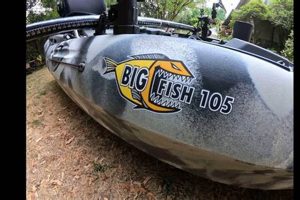
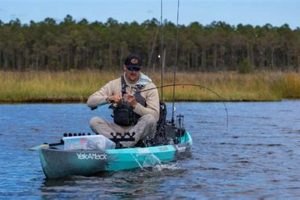
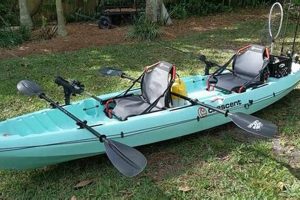
This particular vessel represents a specialized type of watercraft designed for angling. Its modular design suggests a customizable configuration, likely allowing for the addition or removal of components such as seats, rod holders, and storage compartments. This adaptability caters to individual preferences and diverse fishing styles. The designation “mfk300” likely refers to a specific model within a broader product line.
Adaptable watercraft like this offer several advantages to anglers. Modular designs enhance versatility, allowing configurations for different fishing environments and target species. They also offer potential cost savings by enabling users to purchase only necessary components. Further, customization can improve comfort and efficiency on the water, leading to a more enjoyable and productive fishing experience. The growing popularity of kayak fishing underscores the demand for such specialized vessels.
The subsequent sections will delve into specific features, construction, performance characteristics, and user experiences related to this type of fishing kayak. This information will provide prospective buyers with a detailed understanding of the vessel’s capabilities and suitability for their individual needs.
Tips for an Enhanced Fishing Kayak Experience
Preparation and mindful practices contribute significantly to a successful and enjoyable fishing excursion using a modular kayak. The following tips offer guidance for maximizing performance and safety on the water.
Tip 1: Pre-Trip Planning: Thorough planning is essential. Research potential fishing locations, considering water conditions, weather forecasts, and local regulations. Packing essential gear, including safety equipment, navigation tools, and appropriate fishing tackle, ensures preparedness for various scenarios.
Tip 2: Proper Kayak Configuration: Optimize the modular design by configuring the kayak to suit the specific fishing environment and target species. Adjust seating positions, rod holders, and storage compartments for maximum comfort and efficiency. Consider weight distribution for optimal stability and maneuverability.
Tip 3: Safety First: Prioritize safety by wearing a personal flotation device (PFD) at all times. Carry a whistle for signaling in emergencies. Inform someone of the fishing plan, including the intended location and estimated return time.
Tip 4: Efficient Paddling Technique: Employing proper paddling techniques conserves energy and reduces strain. Maintain a relaxed grip and utilize core muscles for efficient strokes. Practice different paddling strokes for maneuvering in various conditions.
Tip 5: Respectful Angling Practices: Adhere to catch-and-release guidelines whenever possible. Minimize environmental impact by properly disposing of fishing line and other waste. Respect wildlife and other boaters sharing the waterway.
Tip 6: Regular Maintenance: Regular cleaning and maintenance prolong the lifespan of the kayak and its components. Rinse the kayak with fresh water after each use. Inspect and lubricate moving parts. Store the kayak properly to prevent damage from sunlight and extreme temperatures.
By implementing these strategies, anglers can significantly enhance their fishing kayak experience, promoting safety, efficiency, and enjoyment on the water. Careful preparation and adherence to best practices contribute to a successful and rewarding outing.
These tips provide a solid foundation for optimizing the use of a modular fishing kayak. The following section will delve into specific features and advantages of this type of watercraft.
1. Modular Design

The modular design of the Fissot mfk300 differentiates it from traditional fishing kayaks, offering enhanced versatility and customization. This design philosophy centers around interchangeable components, enabling anglers to tailor the kayak’s configuration to specific needs and preferences. This adaptability proves advantageous across diverse fishing environments, from calm lakes to flowing rivers, and for targeting various species. For instance, a user might configure the kayak with additional rod holders and storage for a multi-day trip, then remove these components for enhanced maneuverability during a short excursion focusing on agility. The impact of this modularity extends beyond mere convenience, influencing the overall fishing experience.
The practical implications of a modular system are significant. Anglers can optimize their setup for specific fishing techniques. A bass angler might prioritize livewells and rod holders within easy reach, while a fly fisher might favor a streamlined configuration emphasizing stability and unobstructed casting. This adaptability also contributes to cost-effectiveness. Rather than purchasing multiple specialized kayaks, anglers can invest in a single modular platform and selectively acquire components as needed. Furthermore, the ability to modify the kayak’s layout contributes to enhanced comfort and efficiency on the water, optimizing performance and enjoyment. Consider an angler switching from trolling to sight casting; the modular design allows for quick adjustments to rod placement and seating position, maximizing effectiveness in both scenarios.
In conclusion, the modular design inherent in the Fissot mfk300 represents a significant advancement in fishing kayak technology. This adaptable system empowers anglers with unparalleled customization options, leading to enhanced versatility, cost-effectiveness, and overall performance. While challenges such as component compatibility and potential added complexity exist, the benefits derived from a tailored fishing experience outweigh these considerations, ultimately making the modular design a defining feature of this specialized watercraft. This adaptability signifies a shift towards personalized angling experiences, aligning with the evolving demands of modern fishing practices.
2. Fishing-Specific Features

The efficacy of a fishing kayak hinges significantly on its specialized features. These features differentiate a standard kayak from a purpose-built fishing platform, directly impacting an angler’s efficiency, comfort, and overall success on the water. The Fissot mfk300modular fishing kayak incorporates several key design elements that cater specifically to angling needs. An examination of these features provides crucial insights into the kayak’s functionality and potential.
- Rod Holders
Integrated rod holders are fundamental to hands-free fishing and lure management. Various rod holder types accommodate different fishing styles, from trolling to casting. Recessed holders secure rods during transport, while adjustable holders offer flexibility in positioning. The Fissot mfk300’s modularity likely extends to rod holder placement, allowing anglers to customize their setup based on preferred techniques and target species. This customization is crucial for maintaining optimal rod angles and minimizing interference during casting or retrieval.
- Storage Compartments
Secure storage is essential for tackle organization and gear protection. Dry storage compartments safeguard sensitive electronics and personal items from water damage. Open storage areas offer quick access to frequently used equipment. The Fissot mfk300’s modularity potentially allows for the addition or removal of storage units, depending on trip duration and gear requirements. This adaptability is essential for balancing storage capacity with kayak weight and maneuverability. The strategic placement of storage compartments also minimizes disruption to the angler’s center of gravity, promoting stability.
- Tackle Management Systems
Efficient tackle management streamlines lure changes and equipment adjustments. Integrated trays, compartments, and mounting points maintain order and accessibility. These systems contribute to a more organized and efficient fishing experience. Modular components may include specialized tackle storage units tailored to specific fishing styles. Consider a fly fisherman requiring quick access to fly boxes versus a bass angler organizing lures and terminal tackle; the Fissot mfk300’s modularity accommodates these diverse needs. This adaptability directly impacts on-the-water efficiency, minimizing time spent searching for gear and maximizing fishing time.
- Stability and Hull Design
A stable platform is crucial for casting, fighting fish, and overall safety. Hull design influences stability, tracking, and maneuverability. Features like a flat bottom enhance stability, while a pointed bow improves tracking in moving water. The Fissot mfk300’s hull design must balance stability with maneuverability to suit diverse fishing environments. Its modularity might offer options for adjusting hull characteristics, such as adding outriggers for enhanced stability in open water or streamlining the profile for navigating tight spaces in rivers or creeks. This adaptability allows anglers to fine-tune the kayak’s performance based on prevailing conditions and fishing style.
These fishing-specific features, coupled with the modular design of the Fissot mfk300, create a highly adaptable and efficient fishing platform. The ability to customize the kayak’s configuration based on individual needs and target species enhances the overall angling experience. While individual preferences and specific fishing styles ultimately dictate optimal setups, the Fissot mfk300’s focus on specialized features positions it as a versatile and capable option for serious anglers.
3. Portability and Storage

Portability and storage considerations are paramount when evaluating fishing kayak practicality. Transporting a kayak to and from fishing locations, coupled with convenient storage solutions, significantly influences the overall user experience. The Fissot mfk300modular fishing kayak’s design likely addresses these factors, impacting its suitability for various users and fishing scenarios. Consider an angler with limited storage space or a vehicle lacking roof racks; the kayak’s portability directly affects its usability in such situations. Furthermore, the modularity of the Fissot mfk300 may influence both portability and storage, as the ability to disassemble the kayak potentially simplifies transport and reduces required storage space. This feature becomes particularly relevant for anglers frequently traveling to different fishing destinations or residing in apartments or smaller homes.
The practical implications of portability and storage extend beyond mere convenience. A lighter, easily transportable kayak expands access to remote fishing spots, while compact storage solutions maximize available space in vehicles and homes. Consider an angler targeting a secluded mountain lake accessible only by a short hike; a lightweight, easily carried kayak unlocks access to such locations. Conversely, a bulky, difficult-to-transport kayak limits fishing opportunities to easily accessible areas. Furthermore, the modular design of the Fissot mfk300 potentially offers advantages in this regard, allowing users to transport only necessary components, reducing overall weight and bulk. This adaptability proves invaluable for anglers seeking to minimize transport burden and maximize fishing versatility.
In summary, portability and storage are integral factors influencing fishing kayak usability. The Fissot mfk300modular fishing kayak likely addresses these aspects through design features and modularity, enhancing accessibility and convenience for anglers. While the specific dimensions and weight of the Fissot mfk300 remain to be examined, its modular nature suggests potential advantages in both portability and storage, aligning with the practical demands of modern fishing practices. Understanding these aspects provides valuable insights into the kayak’s overall suitability for individual needs and fishing scenarios. The ability to easily transport and store a fishing kayak directly impacts the frequency and enjoyment of fishing excursions, ultimately contributing to a more fulfilling angling experience.
4. Stability and Maneuverability
Stability and maneuverability represent critical performance attributes in fishing kayaks, directly influencing angling effectiveness and safety. These characteristics are intrinsically linked, often involving trade-offs in design and configuration. A kayak optimized for stability might sacrifice some maneuverability, while a highly maneuverable kayak could be less stable. The Fissot mfk300modular fishing kayak, with its adaptable design, potentially addresses this inherent tension, allowing adjustments based on specific fishing scenarios and individual preferences. Consider a scenario requiring precise boat control in swift currents; maneuverability becomes paramount. Conversely, stability takes precedence when standing to cast in calm, open water. The modularity of the Fissot mfk300 allows for customization to prioritize either attribute as needed.
The practical implications of this balance become evident in diverse fishing environments. A wider, flatter hull design enhances stability, beneficial for stand-up fishing and navigating choppy conditions. However, this design can compromise maneuverability in tight spaces or when navigating through dense vegetation. A narrower, more streamlined hull prioritizes maneuverability, allowing for quick turns and efficient paddling in confined areas, but potentially sacrifices stability, particularly in rough water or when carrying heavier loads. The Fissot mfk300modular fishing kayak’s adaptable configuration likely allows anglers to adjust hull characteristics through add-on components or modifications, optimizing performance based on the specific fishing environment. This adaptability might involve adding outriggers for enhanced stability or streamlining the hull profile for improved maneuverability. Understanding the interplay between stability and maneuverability, and how the Fissot mfk300 addresses this relationship through its modular design, empowers informed decision-making.
In conclusion, the relationship between stability and maneuverability in the Fissot mfk300modular fishing kayak is a key factor influencing its versatility and performance. The modular design allows adjustments catering to specific fishing scenarios and individual preferences. While inherent trade-offs exist between these attributes, the Fissot mfk300’s adaptability offers potential solutions, maximizing both stability and maneuverability as needed. Analyzing this balance provides crucial insights into the kayak’s suitability for diverse fishing environments and angling styles, ultimately contributing to a more informed purchasing decision and a more effective and enjoyable fishing experience. Further investigation into specific design features and user experiences will provide a deeper understanding of the Fissot mfk300’s capabilities in this crucial performance area.
5. Durability and Construction
Durability and construction directly influence the lifespan and performance of the Fissot mfk300modular fishing kayak. Material selection, manufacturing processes, and overall structural design determine the kayak’s ability to withstand environmental stressors and the rigors of regular use. A robust construction ensures longevity, minimizes maintenance requirements, and contributes to a safe and reliable on-the-water experience. Consider the impact of UV exposure, saltwater corrosion, and abrasion from rocks or submerged obstacles; a durable kayak resists these degradative forces, maintaining structural integrity over extended periods. This resilience becomes particularly critical in demanding environments, such as rocky coastlines or fast-flowing rivers. The modular design of the Fissot mfk300 potentially introduces additional complexity in construction, requiring robust connection points and durable materials to ensure the structural integrity of the assembled kayak. Understanding these construction details provides insights into the kayak’s long-term performance and suitability for specific fishing environments.
The practical implications of durable construction are multifaceted. A kayak built with high-quality, UV-resistant materials resists fading and degradation from sun exposure, prolonging its lifespan and maintaining aesthetic appeal. Impact-resistant hulls withstand collisions with rocks or other underwater hazards, reducing the risk of punctures or structural damage. Furthermore, robust connection points in the modular system ensure secure attachment of components, minimizing the risk of failure during use. Consider a scenario involving navigating through shallow, rocky rapids; a durable kayak with a reinforced hull provides the necessary protection against impacts, ensuring a safe and successful passage. Similarly, high-quality hardware and connection points in the modular system maintain structural integrity, preventing component detachment under stress. These practical considerations underscore the importance of durability and construction in the overall assessment of the Fissot mfk300modular fishing kayak.
In summary, the durability and construction of the Fissot mfk300modular fishing kayak are essential factors influencing its long-term performance, reliability, and safety. Material selection, manufacturing processes, and the design of the modular system contribute to the kayak’s ability to withstand various environmental stressors and usage demands. Understanding these construction aspects provides valuable insights into the kayak’s suitability for specific fishing environments and its potential lifespan. While further investigation into specific materials and construction techniques employed in the Fissot mfk300 is necessary, the emphasis on durability and construction underscores its potential as a reliable and long-lasting fishing platform. This information empowers informed decision-making, ensuring alignment between the kayak’s construction and the angler’s intended usage patterns and environmental conditions. The long-term value of a fishing kayak depends significantly on its ability to withstand the rigors of regular use and environmental exposure, making durability and construction critical considerations in the overall evaluation process.
6. Target Species Compatibility

Target species compatibility significantly influences fishing kayak selection and configuration. Specific species exhibit distinct behavioral patterns and habitat preferences, necessitating tailored angling approaches. The modularity of the Fissot mfk300 fishing kayak potentially addresses this consideration, allowing for adaptations based on target species. Consider pursuing large, powerful saltwater fish; stability and robust construction become paramount. Conversely, targeting smaller, agile freshwater species prioritizes maneuverability and a lighter, more responsive kayak. The Fissot mfk300’s adaptability through modular design allows for optimization based on these varying requirements. For example, pursuing large offshore species like tuna might necessitate incorporating specialized rod holders, outriggers for enhanced stability, and ample storage for heavy tackle. Conversely, targeting bass in a shallow lake benefits from a streamlined configuration emphasizing maneuverability and stealth. Understanding the relationship between target species and kayak configuration is crucial for maximizing angling effectiveness.
Practical implications of target species compatibility extend beyond mere equipment choices. Kayak configuration influences angling techniques and overall success. Consider the distinct requirements for trolling versus fly fishing. Trolling for large pelagic fish demands a stable platform with rod holders positioned for optimal line spread, while fly fishing for trout in a small stream necessitates maneuverability and unobstructed casting space. The Fissot mfk300’s modularity allows for adjustments catering to these diverse approaches. Furthermore, specific adaptations, such as mounting fish finders or incorporating livewells, enhance success when targeting certain species. Understanding these nuances enables anglers to optimize their kayak setup for specific fishing scenarios, ultimately increasing the likelihood of a successful outing. This targeted approach enhances efficiency and maximizes the potential for a rewarding fishing experience.
In conclusion, target species compatibility is a critical factor influencing fishing kayak selection and configuration. The Fissot mfk300modular fishing kayak, with its adaptable design, addresses this consideration, allowing anglers to tailor their setup based on target species and fishing techniques. Understanding the relationship between species behavior, habitat preferences, and kayak configuration enhances angling effectiveness and overall success on the water. While further investigation into specific configurations tailored to various species is warranted, the Fissot mfk300’s focus on modularity suggests a potential advantage in adapting to diverse fishing scenarios and maximizing target species compatibility. This adaptability empowers anglers to pursue a wider range of species effectively, broadening fishing horizons and enriching the overall angling experience.
7. Customization Options
Customization options represent a defining characteristic of the Fissot mfk300modular fishing kayak, distinguishing it from traditional, fixed-configuration kayaks. This modularity allows anglers to tailor the kayak’s setup to individual preferences, fishing styles, and target species. Understanding the scope and implications of these customization options is crucial for evaluating the kayak’s overall versatility and suitability for diverse angling scenarios. The ability to adapt the kayak’s configuration directly impacts fishing effectiveness, comfort, and the overall on-the-water experience.
- Seating and Positioning
Adjusting seat position and configuration significantly impacts comfort and fishing efficiency. Options might include adjustable backrests, sliding seats, and elevated seating platforms. These adjustments accommodate varying body types and fishing styles. Consider a sight-fishing scenario requiring an elevated vantage point; adjustable seating allows for optimal visibility. Conversely, a lower seating position enhances stability when paddling in rough conditions. The Fissot mfk300’s modularity likely extends to seating configurations, allowing anglers to personalize their setup for optimal comfort and performance.
- Rod Holder Placement and Type
Rod holder placement and type directly influence fishing techniques and lure management. Options might include flush-mounted rod holders for trolling, adjustable angled rod holders for casting, and specialized holders for fly fishing rods. The strategic placement of rod holders minimizes line tangling and maximizes access to rods during critical moments. Consider a scenario involving multiple rods rigged for different techniques; customizable rod holder placement ensures efficient access and prevents interference. The Fissot mfk300’s modular design likely accommodates various rod holder types and placements, catering to diverse fishing styles and preferences.
- Storage Solutions and Gear Organization
Modular storage solutions allow anglers to tailor gear capacity and organization based on trip duration and target species. Options might include removable dry bags, tackle boxes, and specialized compartments for electronics or safety equipment. Efficient gear organization maximizes storage space and streamlines access to essential items. Consider a multi-day fishing expedition requiring substantial gear storage versus a short afternoon trip; modular storage solutions allow for adjustments based on specific needs. The Fissot mfk300’s modularity likely provides flexibility in storage configuration, enhancing versatility and convenience.
- Accessory Integration and Compatibility
Integrating accessories like fish finders, GPS units, and anchor trolleys expands the kayak’s functionality and enhances angling effectiveness. The Fissot mfk300’s modular design likely incorporates mounting points and compatibility features for seamless accessory integration. Consider the advantages of a fish finder for locating fish or a GPS for navigation; integrating these accessories directly onto the kayak streamlines their use and enhances overall fishing efficiency. The Fissot mfk300’s modularity facilitates this integration, providing a platform for customized accessory setups.
These customization options collectively contribute to the Fissot mfk300modular fishing kayak’s adaptability and versatility. This modular approach empowers anglers to personalize their kayak setup, optimizing comfort, performance, and overall fishing effectiveness. While the specific range of available customization options requires further investigation, the emphasis on modularity underscores the Fissot mfk300’s potential as a highly adaptable fishing platform. This adaptability caters to individual preferences, fishing styles, and target species, enhancing the overall angling experience. The ability to tailor the kayak’s configuration transforms it from a generic watercraft into a personalized fishing tool, maximizing efficiency and enjoyment on the water.
Frequently Asked Questions
This section addresses common inquiries regarding the Fissot mfk300modular fishing kayak, providing concise and informative responses to facilitate informed decision-making.
Question 1: What differentiates the Fissot mfk300 from traditional fishing kayaks?
The Fissot mfk300’s modular design distinguishes it from traditional kayaks. This design allows for customization and adaptability, enabling configuration adjustments based on individual preferences, fishing styles, and target species. Traditional kayaks typically feature fixed configurations, limiting adaptability.
Question 2: How does the modularity of the Fissot mfk300 enhance fishing effectiveness?
Modularity enhances fishing effectiveness by enabling optimized configurations for specific fishing techniques and target species. Anglers can adjust rod holder placement, seating arrangements, and storage solutions to match specific needs, improving efficiency and comfort on the water. This adaptability leads to a more streamlined and productive fishing experience.
Question 3: What are the key advantages of the Fissot mfk300’s customizable seating system?
The customizable seating system offers advantages in comfort and functionality. Adjustable seating positions accommodate diverse body types and fishing styles, enhancing comfort during long hours on the water. Options for elevated seating improve visibility for sight fishing, while lower positions enhance stability in rough conditions. This adaptability maximizes comfort and performance in various fishing scenarios.
Question 4: How does the Fissot mfk300 address portability and storage concerns?
The modular design potentially simplifies portability and storage. Disassembling the kayak into smaller components reduces overall bulk, facilitating transport and storage in limited spaces. This feature benefits anglers with limited storage space or those requiring transportation of the kayak in smaller vehicles.
Question 5: What materials are used in the construction of the Fissot mfk300, and how do they contribute to its durability?
Specific material information requires further detailed specifications. However, durable construction using high-quality, UV-resistant, and impact-resistant materials is expected. These materials contribute to the kayak’s ability to withstand environmental stressors, ensuring longevity and reliable performance in diverse fishing environments. Robust construction minimizes maintenance requirements and ensures long-term value.
Question 6: What is the weight capacity of the Fissot mfk300, and how does it influence its suitability for different anglers and gear loads?
Specific weight capacity information requires further product details. However, weight capacity directly influences angler suitability and gear limitations. Understanding the kayak’s weight capacity ensures safe operation and prevents exceeding its design limitations. This information is crucial for anglers planning to carry heavier loads of gear or equipment.
These responses offer a preliminary understanding of the Fissot mfk300modular fishing kayak. Consulting detailed product specifications and user reviews provides further insights.
The following section will delve into user experiences and reviews, providing practical perspectives on the Fissot mfk300’s performance on the water.
Conclusion
Analysis of the Fissot mfk300modular fishing kayak reveals a focus on adaptability and angler-centric design. Modular construction allows for customization based on individual preferences, fishing styles, and target species. Key features such as adjustable seating, adaptable rod holder configurations, and modular storage solutions contribute to a versatile and efficient fishing platform. Furthermore, considerations of portability, stability, maneuverability, and durable construction underscore the design’s focus on practical functionality. The examination of target species compatibility and the extensive range of customization options solidifies the Fissot mfk300’s potential to cater to diverse angling needs.
The Fissot mfk300modular fishing kayak represents a potential advancement in fishing kayak technology. Its adaptable design caters to the evolving demands of modern anglers, offering a personalized and highly functional fishing platform. Further evaluation through practical testing and user feedback will provide a more comprehensive understanding of its on-the-water performance and long-term durability. The Fissot mfk300 invites consideration from anglers seeking a customizable and adaptable fishing kayak solution.