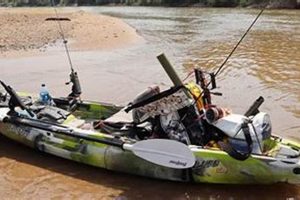
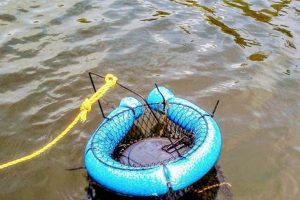
Angling from a small, human-powered watercraft offers a unique blend of sport and recreation. This activity allows close contact with nature and access to shallow, secluded waters often inaccessible to larger vessels. For example, maneuvering through narrow creeks and along vegetated shorelines provides opportunities to target specific fish species in their natural habitats.
This approach to fishing has gained popularity due to its affordability, portability, and minimal environmental impact. The relatively low cost of entry compared to motorized boating makes it accessible to a wider range of participants. Furthermore, the quiet, non-motorized nature of these vessels minimizes disturbance to aquatic ecosystems and wildlife. Historically, small boats have been utilized for fishing for centuries, but modern materials and designs have revolutionized their functionality and comfort, leading to a resurgence in human-powered fishing from watercraft.
This article will further explore various aspects of this fishing style, including suitable equipment, effective techniques, popular target species, and important safety considerations.
Tips for Small Watercraft Angling
Preparation and proper technique are essential for a successful and enjoyable fishing experience from a small, human-powered vessel.
Tip 1: Prioritize Stability: Weight distribution is crucial. Keep the center of gravity low and balanced. Avoid sudden movements or leaning too far to one side, especially when casting or retrieving.
Tip 2: Choose Appropriate Gear: Opt for shorter, lighter fishing rods designed for confined spaces. Select tackle appropriate for the target species and the environment.
Tip 3: Utilize Specialized Equipment: Consider a kayak fishing modifications such as rod holders, anchor trolleys, and fish finders to enhance efficiency and comfort.
Tip 4: Practice Paddle Control: Master basic paddling strokes for maneuverability and positioning. Learn how to quietly approach fishing areas without disturbing the water.
Tip 5: Understand Water Conditions: Be aware of currents, tides, and wind patterns. Check weather forecasts before embarking and adjust plans accordingly.
Tip 6: Emphasize Safety: Always wear a personal flotation device. Carry essential safety equipment, including a whistle, signaling device, and first-aid kit.
Tip 7: Respect the Environment: Adhere to catch-and-release guidelines whenever possible. Properly dispose of fishing line and other waste.
By adhering to these guidelines, anglers can maximize their success and enjoyment while minimizing risks and promoting responsible environmental stewardship.
These tips provide a foundation for a rewarding experience on the water. Further sections will delve into specific techniques and strategies for various species and environments.
1. Stable Kayak Selection

Stable kayak selection is paramount for successful angling from these small vessels. Stability directly impacts safety and fishing effectiveness. A stable platform allows anglers to cast, retrieve, and land fish without compromising balance. This is particularly important when handling larger fish or fishing in challenging conditions such as windy weather or moving water. For example, a wide, flat-bottomed hull design offers greater initial stability, while a longer, narrower hull may track better in currents. Choosing a kayak with appropriate stability characteristics for the intended fishing environment and target species is crucial.
Several factors contribute to kayak stability, including hull design, width, length, and weight capacity. Wider kayaks generally provide more initial stability, making them suitable for calmer waters and activities like still fishing. Longer kayaks tend to track better in currents but may be less maneuverable in tight spaces. Weight capacity should accommodate the angler’s weight plus gear and any potential catch. Considering these factors ensures a stable and comfortable fishing platform, maximizing both safety and the ability to focus on angling techniques. For instance, an angler targeting large fish in offshore waters would prioritize a wider, more stable kayak with a higher weight capacity compared to someone fishing small streams for panfish.
Ultimately, the ideal kayak selection balances stability with other important factors like maneuverability, speed, and storage capacity. Understanding the interplay of these factors allows anglers to choose the most appropriate vessel for their specific needs and fishing style. This informed decision enhances safety, improves fishing performance, and contributes to a more enjoyable experience on the water. Failure to prioritize stability can lead to capsizing, equipment loss, and potentially dangerous situations. Therefore, careful consideration of stability is a fundamental aspect of responsible and effective kayak fishing.
2. Specialized Equipment Choices

Effective angling from a small, human-powered watercraft necessitates specialized equipment choices to maximize efficiency and enjoyment. These choices directly impact an angler’s ability to target specific species, navigate diverse water conditions, and ensure a safe and productive experience. Appropriate equipment selection distinguishes successful outings from frustrating ones.
- Rod and Reel Selection:
Shorter rods, typically between six and seven feet, are better suited to the confined space of a kayak. These shorter rods offer improved control and reduce the risk of entanglement. Spinning reels are generally preferred for their versatility and ease of use, particularly when fishing with lighter lures and lines. For example, a medium-light spinning rod paired with a 2500-size reel provides a balanced setup for targeting a variety of species in freshwater environments. Longer rods designed for shore fishing become cumbersome and unwieldy in a kayak.
- Paddle/Pedal Propulsion:
The choice between paddle and pedal propulsion influences fishing style and access. Paddles offer versatility and affordability, while pedal-driven kayaks provide hands-free fishing and greater speed over longer distances. Pedal kayaks allow anglers to maintain position and focus on fishing without constantly adjusting a paddle. However, paddles offer greater maneuverability in shallow water and around obstacles, such as submerged logs or vegetation. Choosing the right propulsion system depends on individual preferences, fishing style, and the target environment.
- Fish Finders and GPS:
Electronic devices significantly enhance the ability to locate fish and navigate safely. Fish finders utilize sonar technology to identify underwater structures and fish concentrations. GPS units provide accurate location data, crucial for marking productive fishing spots and ensuring safe navigation, especially in unfamiliar waters or changing weather conditions. Integrating these technologies allows anglers to maximize their time on the water and improve their chances of success. For instance, a GPS/fish finder combo unit can display real-time location overlaid on a nautical chart, while simultaneously showing depth and fish locations below the kayak.
- Safety and Storage Solutions:
Specialized safety equipment is crucial for any on-the-water activity. A personal flotation device (PFD) designed specifically for kayak fishing offers comfort and freedom of movement. Dry bags protect essential gear and electronics from water damage. Proper storage solutions, such as tackle boxes and rod holders, keep equipment organized and accessible, maximizing efficiency and minimizing clutter. These considerations contribute to both safety and a more streamlined, enjoyable fishing experience. For example, a kayak-specific PFD with high visibility features and integrated pockets for small tools or accessories enhances both safety and convenience.
These specialized equipment considerations are interconnected and crucial for maximizing success and safety while fishing from a human-powered small watercraft. Choosing appropriate gear tailored to the specific environment, target species, and fishing style significantly enhances efficiency and enjoyment. A well-equipped angler is better prepared to handle various situations and focus on the essential aspects of angling, resulting in a more rewarding experience on the water.
3. Strategic Location Scouting
Strategic location scouting is paramount for successful angling from a small, human-powered watercraft. Effective scouting maximizes fishing opportunities by identifying areas likely to hold target species. This pre-fishing planning significantly increases the chances of a productive and rewarding experience, differentiating a successful outing from a fruitless one.
- Habitat Recognition
Understanding fish habitat preferences is fundamental to effective scouting. Different species gravitate towards specific structures, depths, and vegetation types. For example, bass often seek cover near submerged logs, rocks, or weed beds. Identifying these key habitat features allows anglers to pinpoint promising fishing locations. Utilizing resources such as nautical charts, satellite imagery, and local fishing reports aids in pre-trip habitat identification. Recognizing these preferred environments increases the probability of encountering target species.
- Water Flow Dynamics
Current, tides, and wind influence fish behavior and location. Current breaks, eddies, and confluences often concentrate baitfish and, consequently, predator species. Tidal flows create feeding opportunities in estuaries and coastal areas. Wind-blown shorelines can accumulate insects and other food sources, attracting fish. Understanding these dynamics allows anglers to position themselves strategically for optimal fishing. For example, fishing the down-current side of a structure during a moving tide can present bait and lures naturally to waiting fish.
- Seasonal Patterns and Behavior
Fish distribution and behavior change seasonally. Spawning seasons, temperature fluctuations, and prey availability influence where fish congregate. Pre-trip research on species-specific seasonal patterns informs location choices. For instance, during the spring spawning season, many fish species move into shallow, warmer waters. Recognizing these seasonal shifts allows anglers to target specific areas based on the time of year.
- Observation and Adaptation
Even with meticulous planning, on-the-water observation remains crucial. Bird activity, baitfish schools, and surface disturbances can indicate fish presence. Adapting to changing conditions, such as shifting winds or water clarity, allows anglers to refine their approach throughout the day. For instance, observing diving birds can pinpoint schools of baitfish being pursued by predator species, providing a real-time clue to fish location. Flexibility and responsiveness to observed conditions optimize fishing success.
Strategic location scouting, incorporating habitat recognition, understanding water flow dynamics, considering seasonal patterns, and adapting to real-time observations, significantly enhances angling success from a small, human-powered watercraft. This proactive approach maximizes fishing opportunities by targeting areas with the highest probability of holding target species. This pre-fishing preparation contributes directly to a more productive and rewarding experience on the water.
4. Efficient Paddling Techniques

Efficient paddling techniques are essential for successful angling from a kayak. Proficient paddling conserves energy, maximizes fishing time, and minimizes disturbance to aquatic life. Mastery of these techniques allows anglers to navigate effectively, position themselves strategically, and approach fish stealthily, increasing the likelihood of a successful outing. Conversely, inefficient paddling can lead to fatigue, wasted time, and spooked fish.
- Forward Stroke:
The forward stroke is the foundation of kayak propulsion. A proper forward stroke utilizes core muscles and body rotation for power and efficiency, minimizing reliance on arm strength alone. The paddle blade enters the water near the angler’s feet and exits near the hips, maximizing the length of each stroke. Efficient forward paddling conserves energy and allows anglers to cover greater distances, reaching distant fishing spots or exploring larger areas. A strong forward stroke is crucial for navigating currents and wind.
- Reverse Stroke:
The reverse stroke is used for stopping, slowing down, and maneuvering in reverse. It mirrors the forward stroke, with the paddle blade entering the water near the hips and exiting near the feet. Precise control of the reverse stroke is essential for holding position in current or wind, backing away from obstacles, and maneuvering in tight spaces, such as narrow creeks or among vegetation.
- Sweep Stroke:
Sweep strokes are used for turning the kayak. A wide, arcing stroke from bow to stern, or vice versa, rotates the kayak efficiently. Forward sweep strokes turn the kayak away from the paddle side, while reverse sweep strokes turn the kayak towards the paddle side. Mastering sweep strokes allows for precise maneuvering and quick adjustments in position, essential for presenting lures effectively and following fish movements.
- Draw Stroke:
The draw stroke moves the kayak sideways. The paddle blade is placed vertically in the water and pulled towards the kayak, drawing the boat sideways. This stroke is useful for precise positioning alongside structures, such as docks or weed beds, and for maintaining distance from obstacles or other boats. Precise lateral movement enhances fishing accuracy and minimizes disturbance to the target area.
These core paddling techniques, when executed efficiently, significantly enhance kayak angling success. They enable anglers to cover water effectively, position themselves strategically, and approach fish stealthily. Mastery of these techniques contributes directly to a more productive and enjoyable fishing experience by maximizing time on the water and minimizing wasted effort. This proficiency allows anglers to focus on the essential aspects of fishing, rather than struggling with basic boat control. Combined with knowledge of fish behavior and habitat, efficient paddling transforms the kayak into a stealthy and effective fishing platform.
5. Respectful Fishing Practices

Respectful fishing practices are integral to the sustainability of aquatic ecosystems and the longevity of kayak angling opportunities. These practices minimize environmental impact and preserve fish populations for future generations. Integrating these principles into kayak fishing demonstrates responsible stewardship and ensures the continued enjoyment of this activity.
- Catch and Release:
Catch and release is a cornerstone of conservation-minded angling. This practice involves carefully handling fish and returning them to the water unharmed, minimizing stress and maximizing survival rates. Proper techniques include using barbless hooks, wet hands, and minimizing air exposure. Catch and release helps maintain healthy fish populations and preserves the quality of the angling experience for others. In kayak fishing, where access to sensitive environments is often greater, catch and release becomes particularly important.
- Leave No Trace:
The leave no trace principle emphasizes minimizing human impact on the natural environment. This involves packing out all trash, avoiding disturbing vegetation, and respecting wildlife. Kayak anglers have a responsibility to leave the areas they visit in the same or better condition than they found them. This includes properly disposing of fishing line, which can entangle wildlife and pollute waterways. Practicing leave no trace ethics preserves the pristine nature of fishing locations and safeguards their ecological integrity.
- Selective Harvesting:
When keeping fish for consumption, selective harvesting promotes sustainable fish populations. This involves targeting specific sizes and species within established regulations, avoiding overharvesting of vulnerable populations. Adhering to size and bag limits, as well as understanding local regulations, ensures responsible harvest. For kayak anglers, this often means targeting abundant and resilient species, while releasing larger breeding individuals. Selective harvesting helps maintain balanced ecosystems and preserves future angling opportunities.
- Respect for Other Users:
Respect for other users of waterways is essential for maintaining positive relationships and ensuring everyone’s enjoyment. Kayak anglers should maintain a safe distance from other boats and avoid disturbing other anglers or recreational users. Minimizing noise pollution and respecting designated areas contributes to a harmonious environment. This courtesy enhances the overall recreational experience for everyone sharing the water resource.
These respectful fishing practices are fundamental to the ethical and sustainable pursuit of kayak angling. Integrating these principles into every fishing trip ensures the preservation of aquatic environments and the long-term health of fish populations. By embracing these responsibilities, kayak anglers contribute to the continued enjoyment of this activity for themselves and future generations. Respectful fishing practices are not merely guidelines but essential components of responsible angling, ensuring the sustainability of both the sport and the ecosystems it depends on.
Frequently Asked Questions
This section addresses common inquiries regarding angling from small, human-powered watercraft, providing concise and informative responses.
Question 1: What are the advantages of fishing from a kayak?
Kayaks offer unparalleled access to shallow, secluded waters often inaccessible to larger vessels, allowing anglers to target specific fish species in their natural habitats. Their quiet operation minimizes disturbance to fish, increasing angling success. Furthermore, the low cost and portability of kayaks make them an accessible and convenient option for anglers of all experience levels.
Question 2: What safety precautions are essential for kayak fishing?
Wearing a personal flotation device (PFD) is paramount. Checking weather forecasts before embarking and being aware of water conditions, such as currents and tides, are crucial. Carrying essential safety equipment, including a whistle, signaling device, and first-aid kit, is highly recommended. Informing someone of planned fishing locations and estimated return times enhances safety.
Question 3: What essential gear is required for kayak fishing?
Essential gear includes a stable kayak, a paddle or pedal-drive system, appropriate fishing rods and reels, tackle suited to the target species, and safety equipment such as a PFD. Specialized equipment like rod holders, anchor trolleys, and fish finders can enhance the fishing experience but are not strictly required for beginners.
Question 4: How does one choose the right kayak for fishing?
Kayak selection depends on individual needs and fishing style. Factors to consider include stability, maneuverability, storage capacity, and propulsion type (paddle or pedal). Wider kayaks offer greater stability, while longer kayaks track better in currents. Sit-on-top kayaks are generally preferred for fishing due to their self-bailing design and ease of entry and exit.
Question 5: What are effective techniques for fishing from a kayak?
Effective techniques include mastering basic paddling strokes for efficient movement and positioning, understanding fish behavior and habitat preferences, utilizing appropriate tackle and lures, and practicing catch-and-release principles whenever possible. Learning to cast and retrieve effectively from a seated position is also essential.
Question 6: Where can one find information on local fishing regulations and licensing requirements?
Local fishing regulations and licensing information can typically be found on state or regional government websites dedicated to wildlife or natural resources. Local bait and tackle shops often provide information on licensing and regulations specific to the area.
Understanding these fundamental aspects contributes significantly to a safe, successful, and enjoyable kayak fishing experience. Continued learning and responsible practices enhance both individual enjoyment and the sustainability of this popular recreational activity.
This FAQ section provides a foundation for understanding the key elements of kayak fishing. The following sections will delve deeper into specific techniques, equipment recommendations, and location strategies.
Conclusion
This exploration has highlighted the multifaceted nature of angling from small, human-powered watercraft. From equipment selection and paddling techniques to strategic location scouting and respectful fishing practices, each element contributes significantly to a successful and sustainable experience. The importance of stability, specialized gear choices, and understanding fish behavior has been emphasized. Furthermore, the ethical considerations of catch and release, leave no trace principles, and selective harvesting underscore the responsibility inherent in this activity.
The growing popularity of this fishing style presents both opportunities and challenges. Continued education and a commitment to responsible practices will ensure the preservation of aquatic ecosystems and the enduring enjoyment of this unique pursuit. The future of human-powered angling hinges on a collective commitment to conservation and mindful interaction with the natural world. This mindful approach safeguards not only the health of aquatic environments but also the future of this rewarding recreational activity.