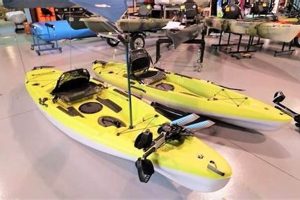
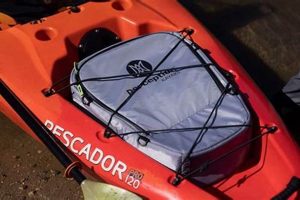
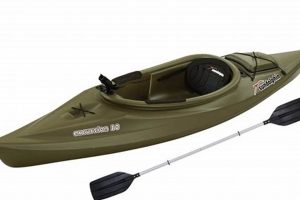
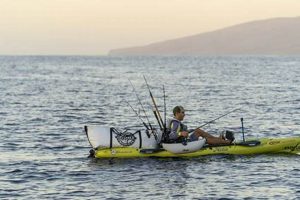
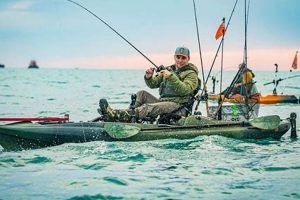
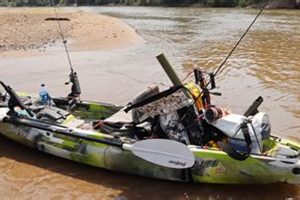
A retail establishment specializing in equipment and accessories for kayak anglers provides a centralized location for purchasing specialized kayaks, paddles, fishing rods, reels, tackle, safety gear, and related items. Such a business may also offer services like kayak rentals, repairs, and guided fishing tours. For example, an angler seeking a lightweight, stable kayak designed for fishing in rivers would likely find a suitable option at this type of specialized retailer.
These specialized retailers play a vital role in supporting the growing popularity of kayak fishing. They offer expert advice, curated product selections, and a community hub for anglers. Historically, kayak anglers often had to adapt general-purpose kayaks and equipment. The emergence of dedicated retail spaces has simplified access to specialized gear, fostering the growth and development of this sport.
This discussion will further explore essential equipment, popular kayak models, effective fishing techniques, and safety considerations for kayak anglers.
Kayak Fishing Tips
Effective kayak angling requires careful planning and specialized knowledge. The following tips offer guidance for both novice and experienced anglers.
Tip 1: Prioritize Stability: Kayak selection hinges on the intended fishing environment. Wider, flatter hulls offer increased stability for calmer waters, while longer, narrower kayaks are better suited for open water and speed.
Tip 2: Master Paddle Strokes: Efficient paddling conserves energy and allows for precise boat control. Learning forward, reverse, and sweep strokes is crucial for maneuvering in various conditions.
Tip 3: Organize Tackle Strategically: Easy access to essential tackle is paramount. Utilize tackle boxes and storage systems designed for kayak fishing to maximize space and efficiency.
Tip 4: Choose Appropriate Fishing Gear: Rod and reel selection depends on the target species. Shorter rods are generally preferred in kayaks for easier handling and casting.
Tip 5: Practice Safety First: Always wear a personal flotation device (PFD). Carry a whistle, signaling device, and communication equipment for emergencies.
Tip 6: Respect the Environment: Adhere to catch and release guidelines whenever possible. Properly dispose of fishing line and other waste to preserve the natural environment.
Tip 7: Check Weather Conditions: Wind, waves, and current significantly impact kayak fishing. Consult weather forecasts before embarking on any fishing trip.
By following these tips, anglers can improve their fishing success and overall kayak angling experience, ensuring both safety and enjoyment on the water.
These foundational tips provide a strong starting point. The next section will delve into advanced techniques for specific fishing scenarios.
1. Specialized Inventory

A kayak fishing store’s success hinges on its specialized inventory, differentiating it from general sporting goods retailers. This curated selection caters specifically to the needs of kayak anglers, offering equipment designed for this distinct fishing style. Understanding the components of this specialized inventory is crucial for both store owners and customers.
- Fishing Kayaks
Kayak fishing requires specialized kayaks designed for stability, maneuverability, and storage. These often include features like rod holders, anchor trolleys, and recessed tackle compartments. Sit-on-top kayaks are popular choices for their self-bailing design and ease of re-entry after a water landing. Retailers stocking a range of kayak models suited to various fishing environments and angler preferences cater to a broader customer base.
- Paddles & Propulsion
Efficient paddling is crucial for kayak anglers. Specialized paddles designed for fishing often feature drip rings to prevent water from running down the shaft and lightweight construction for reduced fatigue. Offering a selection of paddle lengths and blade shapes caters to individual paddling styles and kayak types. Furthermore, pedal-driven kayaks and electric motors are increasingly popular, providing alternative propulsion options for anglers seeking longer-range capabilities or hands-free fishing.
- Fishing Rods & Reels
Shorter, more robust fishing rods are typically preferred for kayak fishing due to space constraints and the need for quick maneuverability. Rod holders and specialized rod leashes are also essential. Stocking a variety of rod and reel combinations suitable for different target species and fishing techniques is key. For example, offering both spinning and baitcasting reels caters to a wider range of angling styles.
- Safety Gear & Accessories
Safety is paramount in kayak fishing. Personal flotation devices (PFDs) designed specifically for paddling offer comfort and mobility. Other essential safety items include whistles, signaling devices, and first-aid kits. Retailers prioritizing safety gear demonstrate a commitment to responsible angling practices and customer well-being.
These specialized inventory categories highlight the distinction between a kayak fishing store and a general sporting goods retailer. The curated selection of kayaks, paddles, fishing gear, and safety equipment caters directly to the unique demands of kayak angling. By focusing on these specialized products, retailers can effectively serve the growing community of kayak anglers and contribute to the continued growth of the sport.
2. Expert Advice

A defining characteristic of a dedicated kayak fishing establishment is the availability of expert advice. This specialized knowledge base sets these retailers apart from general sporting goods stores, providing customers with tailored guidance based on individual needs and local fishing conditions. Access to this expertise significantly enhances the customer experience and contributes to successful angling outcomes.
- Kayak Selection
Choosing the right kayak is paramount for a positive fishing experience. Factors such as hull design, stability, and storage capacity must align with the angler’s intended fishing environment and target species. Expert advice helps navigate these complexities, ensuring customers select a kayak suited to their specific needs. For example, an angler fishing in open ocean requires a different kayak than someone fishing in calm lakes. Knowledgeable staff can guide these choices based on factors like water conditions, fishing style, and angler experience.
- Rigging & Customization
Optimizing a kayak for fishing often involves customizing its setup. Rod holders, anchor trolleys, fish finders, and other accessories enhance fishing efficiency. Expert advice on rigging and customization ensures proper installation and optimal placement of these accessories, maximizing their functionality. This guidance can range from recommending appropriate rod holder placement for specific fishing techniques to advising on the best fish finder setup for local waters.
- Fishing Techniques & Strategies
Local knowledge significantly influences fishing success. Expert advice on effective fishing techniques, bait selection, and seasonal patterns enhances angling outcomes. This knowledge sharing can include insights on popular local fishing spots, recommended lure choices for target species, and effective strategies for navigating specific waterways. This tailored advice differentiates a dedicated kayak fishing store from general retailers.
- Safety Procedures & Best Practices
Safe kayaking practices are essential for an enjoyable experience. Expert advice on safety procedures, including proper PFD usage, navigation rules, and emergency preparedness, ensures customer well-being. This guidance can extend to recommendations on essential safety equipment, communication protocols, and local regulations. This emphasis on safety reinforces the store’s commitment to responsible angling practices.
The availability of expert advice elevates the kayak fishing store beyond simply a retail space. It becomes a valuable resource for anglers of all skill levels, providing tailored guidance that enhances both fishing success and overall safety on the water. This personalized service fosters a strong customer-retailer relationship, building trust and contributing to the growth of the kayak fishing community.
3. Community Building

A crucial aspect of successful kayak fishing retailers involves fostering a sense of community among kayak anglers. This community building differentiates these specialized stores from general retailers, creating a hub for enthusiasts to connect, share knowledge, and engage in collective activities. This fosters customer loyalty, promotes the sport, and contributes to a thriving kayak fishing ecosystem. For example, a retailer hosting regular fishing outings creates opportunities for anglers to network, share tips, and build camaraderie. Organizing workshops on kayak safety and fishing techniques provides valuable learning experiences and fosters a sense of shared expertise.
The impact of this community building extends beyond individual stores. Sponsored tournaments and online forums create broader networks of anglers, facilitating communication and resource sharing. This interconnectedness strengthens the overall kayak fishing community, encouraging participation and promoting responsible angling practices. Local conservation efforts, often supported by these communities, contribute to environmental stewardship and ensure the long-term health of waterways. For instance, organized cleanup events demonstrate a collective commitment to preserving the natural environment, fostering positive relationships with local communities and reinforcing responsible angling practices.
The connection between community building and the specialized retail environment is symbiotic. Retailers who actively cultivate a sense of community benefit from increased customer loyalty and positive brand recognition. The community, in turn, gains a central hub for information, resources, and social interaction. This mutually beneficial relationship contributes to the growth and sustainability of kayak fishing, fostering a vibrant and engaged community of anglers. Addressing challenges such as accessibility and inclusivity within these communities ensures continued growth and positive impact on the sport.
4. Convenient Location

A kayak fishing store’s proximity to suitable waterways significantly influences its accessibility and appeal. Locating near lakes, rivers, or coastal areas provides customers with convenient access for launching and testing kayaks. This strategic placement strengthens the connection between the retail space and the practical application of the products sold. For example, a store situated near a popular fishing lake allows customers to easily transport purchased kayaks to the water, while a coastal location provides immediate access for testing saltwater-specific equipment. This convenience fosters a seamless transition from purchase to on-the-water experience.
Furthermore, convenient access influences customer decision-making. Factors such as driving distance, parking availability, and proximity to other related services, like boat ramps or bait shops, contribute to the overall perception of convenience. A store located within a larger outdoor recreation hub benefits from increased foot traffic and shared customer bases. Conversely, a remote location, even with a large selection of products, may deter customers due to accessibility challenges. This underscores the importance of considering location as a key factor in a kayak fishing store’s overall business strategy. Reduced travel time and associated costs enhance the customer experience and encourage repeat visits.
In summary, convenient location plays a vital role in the success of a kayak fishing store. Proximity to suitable waterways, ease of access, and integration within a broader outdoor recreation ecosystem contribute to customer satisfaction and business viability. Analyzing local demographics, waterway accessibility, and competitive landscape informs strategic location decisions. Addressing challenges such as limited parking or traffic congestion further enhances convenience and solidifies the store’s position within the local kayak fishing community. This strategic approach strengthens the connection between the retail space and the on-the-water experience, fostering a thriving and accessible environment for kayak anglers.
5. Repair Services
The provision of repair services represents a significant value-added component of a specialized kayak fishing retail establishment. Kayaks, by the nature of their use, are prone to wear and tear, requiring occasional maintenance and repairs. Offering these services within the retail environment creates a convenient, centralized solution for customers. This fosters customer loyalty by providing comprehensive support throughout the product lifecycle. For example, a customer experiencing a damaged hull or rudder can rely on in-house expertise for timely repairs, minimizing downtime and maximizing on-the-water enjoyment. Conversely, the absence of repair services necessitates seeking external solutions, potentially delaying repairs and increasing inconvenience. This underscores the practical significance of integrated repair services within the specialized retail context.
Furthermore, the availability of repair services enhances customer confidence in product durability and retailer commitment. Knowing that expert repairs are readily available encourages customers to invest in higher-quality kayaks, recognizing the long-term support provided by the retailer. This also fosters a sense of trust and reliability, solidifying the customer-retailer relationship. Offering specialized repairs, such as fish finder installations or custom rigging adjustments, further differentiates these retailers from general sporting goods stores. This specialized expertise caters directly to the unique needs of kayak anglers, enhancing the perceived value of the retail experience. For example, a customer seeking to integrate a new fish finder system can rely on in-house expertise for proper installation and integration with existing kayak electronics, ensuring optimal performance and minimizing compatibility issues.
In summary, the integration of repair services within a kayak fishing store strengthens customer relationships, enhances perceived value, and contributes to the overall success of the retail establishment. This convenient, specialized service differentiates these stores from general retailers, fostering customer loyalty and supporting the long-term enjoyment of kayak fishing. Addressing challenges such as technician training and parts inventory management ensures efficient and effective repair service delivery. Integrating online booking systems and transparent pricing structures further enhances customer convenience and reinforces the store’s commitment to providing comprehensive support throughout the product lifecycle. This integrated approach solidifies the kayak fishing store’s role as a central resource for both product acquisition and ongoing maintenance within the kayak angling community.
6. Rental Options
Integrating kayak rental services within a specialized retail environment offers several distinct advantages, creating a symbiotic relationship between rentals and retail sales. Rentals provide prospective kayak anglers with an accessible, low-commitment entry point to the sport. This “try-before-you-buy” opportunity allows individuals to experience different kayak models and assess their suitability for individual needs and local fishing conditions. This hands-on experience often translates into informed purchasing decisions, driving retail sales. For example, a novice angler can rent various kayak models to determine preferred hull design, stability characteristics, and feature sets before committing to a purchase. This practical experience fosters informed decision-making and reduces purchase uncertainty.
Furthermore, rental options broaden the customer base by catering to individuals who may not be ready or able to purchase a kayak outright. Tourists, occasional anglers, and those exploring the sport benefit from short-term rental options. This generates additional revenue streams for the retailer while simultaneously expanding brand awareness within the broader community. Offering guided fishing tours using rental kayaks further enhances the customer experience and provides valuable learning opportunities. This integration of services creates a comprehensive offering within the retail environment, attracting a wider range of customers and fostering increased engagement with the sport. For instance, offering introductory kayak fishing excursions using rental equipment can attract new participants to the sport, potentially converting renters into future kayak owners. This diversification of services enhances revenue generation and contributes to the growth of the kayak fishing community.
In conclusion, incorporating rental options represents a strategic advantage for kayak fishing retailers. Rentals facilitate informed purchase decisions, expand customer reach, and create opportunities for enhanced customer engagement. This multi-faceted approach strengthens the retail business model while simultaneously promoting accessibility and growth within the kayak fishing community. Addressing challenges such as inventory management, rental scheduling logistics, and liability considerations ensures efficient and effective rental service delivery. Integrating online booking platforms and transparent pricing structures enhances customer convenience and reinforces the retailer’s commitment to providing a comprehensive and accessible entry point to the sport of kayak fishing.
Frequently Asked Questions
This section addresses common inquiries regarding specialized retail establishments catering to kayak anglers.
Question 1: What distinguishes a specialized retailer from a general sporting goods store?
Specialized retailers offer curated product selections, expert advice tailored to kayak fishing, and often provide services like rentals and repairs. General sporting goods stores may carry some kayak-related items but lack the focused expertise and product depth.
Question 2: How does one choose an appropriate fishing kayak?
Kayak selection depends on factors such as intended fishing environment (calm lakes vs. open ocean), target species, angler experience level, and desired features like stability, maneuverability, and storage capacity. Consulting with knowledgeable staff at a specialized retailer is recommended.
Question 3: What essential safety equipment is recommended for kayak fishing?
Essential safety gear includes a properly fitted personal flotation device (PFD), a whistle, a signaling device (e.g., mirror or flare), a first-aid kit, and communication equipment (e.g., VHF radio or waterproof cell phone). Checking weather conditions before embarking is crucial.
Question 4: What are the advantages of renting a kayak before purchasing?
Renting allows anglers to test different kayak models and assess their suitability before making a significant investment. This “try-before-you-buy” approach fosters informed purchasing decisions aligned with individual needs and preferences.
Question 5: Are there advantages to purchasing a used kayak?
Purchasing a used kayak can offer cost savings, but careful inspection for damage, wear, and proper functionality is essential. Inquiring about the kayak’s history and maintenance records is recommended.
Question 6: How can one support local conservation efforts related to kayak fishing?
Participating in organized cleanup events, adhering to catch and release guidelines, properly disposing of fishing line and other waste, and respecting local wildlife contribute to environmental preservation and responsible angling practices. Supporting organizations dedicated to waterway conservation is also recommended.
Understanding these key aspects contributes to informed decision-making and enhances the overall kayak fishing experience.
The following section will delve into advanced techniques for specific fishing scenarios.
Conclusion
Specialized retail establishments dedicated to kayak angling provide essential resources for both novice and experienced anglers. Access to specialized equipment, expert advice, and a supportive community fosters growth and enjoyment within the sport. Convenient locations, coupled with repair and rental services, enhance accessibility and long-term customer engagement. Prioritizing safety, environmental stewardship, and informed purchasing decisions contributes to a sustainable and rewarding kayak fishing experience.
The continued evolution of kayak fishing necessitates ongoing adaptation and innovation within the retail landscape. Embracing emerging technologies, promoting sustainable practices, and fostering inclusive community engagement will shape the future of this dynamic and evolving sport.