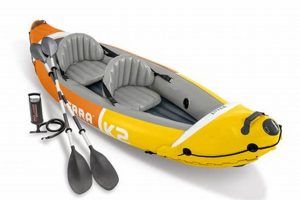
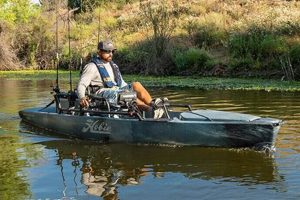
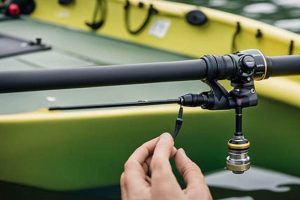
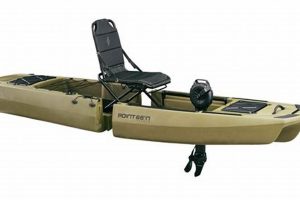
This specific model of watercraft is designed for angling activities. Its compact size suggests maneuverability in various aquatic environments, while the “SS” designation likely signifies a higher-end model or specific feature set within the product line. This type of vessel typically features specialized components such as rod holders, storage compartments for tackle, and a stable hull design for casting and reeling.
Small, specialized fishing vessels offer anglers enhanced access to shallow waters and secluded fishing spots often unreachable by larger boats. Their portability simplifies transportation and launch, eliminating the need for boat ramps or trailers in many cases. Historically, small fishing craft have evolved from simple canoes and rowboats to the highly specialized kayaks seen today, incorporating advancements in materials, design, and features to improve fishing performance and comfort.
The subsequent sections will delve further into the design specifics, performance characteristics, target audience, and potential uses of this particular craft, providing a comprehensive evaluation for prospective owners. Comparisons with similar models and an overview of essential accessories will also be provided.
Tips for Utilizing a Compact Fishing Kayak
Proper preparation and technique maximize the angling potential of compact fishing kayaks. The following tips offer guidance for enhanced safety and fishing success.
Tip 1: Stability Enhancement: Lowering the center of gravity improves stability. Distribute weight evenly and avoid sudden movements. Outriggers or stabilizers can further enhance stability, especially for stand-up fishing.
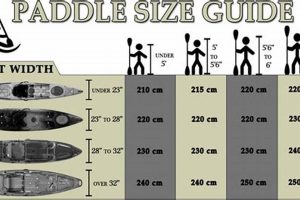
Tip 2: Paddle Selection: Choose a paddle appropriate for body size and kayak width. A properly sized paddle increases efficiency and reduces fatigue. Consider a paddle leash to prevent loss.
Tip 3: Effective Gear Organization: Utilize onboard storage compartments effectively. Secure loose items to prevent shifting or loss during navigation. Waterproof bags protect essential gear from splashes and submersion.
Tip 4: Pre-Trip Planning: Research fishing locations and water conditions beforehand. Check weather forecasts and inform someone of the planned route and estimated return time. Carry a map, compass, or GPS device, especially in unfamiliar areas.
Tip 5: Safety Equipment: A personal flotation device (PFD) is essential. Carry a whistle for signaling and a first-aid kit for minor emergencies. A bilge pump or bailing device aids in water removal.
Tip 6: Anchor Deployment: Utilize an anchor trolley system for optimal anchor positioning and boat control in current or wind. Choose an anchor suitable for the bottom type and water depth.
Tip 7: Respect Wildlife and the Environment: Practice catch-and-release fishing whenever possible. Adhere to local fishing regulations and pack out all trash. Avoid disturbing wildlife or sensitive habitats.
Adherence to these guidelines enhances safety, improves fishing effectiveness, and minimizes environmental impact. Careful preparation and informed decision-making contribute significantly to a successful and enjoyable kayaking experience.
The concluding section offers a concise summary of the key features and benefits, providing a final overview for prospective purchasers.
1. Compact Size

The compact size of the Journey 12 SS fishing kayak is a defining characteristic that significantly influences its suitability for specific angling environments and transportation considerations. This dimension directly impacts maneuverability, storage, and ease of transport, distinguishing it from larger, less agile watercraft.
- Maneuverability in Confined Waterways:
Smaller dimensions enable navigation through narrow creeks, shallow rivers, and densely vegetated areas often inaccessible to larger boats. This allows anglers to exploit secluded fishing spots and explore diverse aquatic environments. Reduced draft facilitates access to shallow water zones frequented by certain fish species.
- Simplified Storage and Transportation:
Compact dimensions simplify storage in garages, sheds, or even apartments. Transportation is easier due to reduced weight and length, often eliminating the need for specialized trailers. Roof racks or even inside transport within larger vehicles becomes feasible, expanding access to remote fishing locations.
- Weight and Portability:
The reduced length and width contribute to lower overall weight, facilitating easier handling on land and during launch/retrieval. This is particularly beneficial for individuals kayaking solo or those with limited physical strength. Portage between waterways becomes more manageable with a lighter craft.
- Stability Considerations:
While compact size enhances maneuverability, it can sometimes impact stability, especially in rough water conditions. Careful weight distribution and appropriate paddling techniques are essential to maintain balance and prevent capsizing. The kayak’s specific hull design plays a significant role in mitigating potential stability issues.
The compact size of the Journey 12 SS presents a trade-off between maneuverability and stability. While its smaller dimensions unlock access to secluded fishing grounds and simplify transport, anglers must consider the potential impact on stability, particularly in challenging water conditions. Ultimately, this size makes it a suitable choice for anglers prioritizing agility and ease of transport for reaching diverse and often inaccessible fishing locations.
2. Sit-on-top Design

The sit-on-top design of the Journey 12 SS fishing kayak distinguishes it from traditional sit-inside kayaks, offering distinct advantages and disadvantages relevant to angling activities. This design choice significantly influences stability, comfort, and overall fishing experience.
- Self-Bailing Capability:
Scupper holes allow water to drain continuously, preventing water accumulation within the hull. This self-bailing feature enhances stability and safety, particularly in rough conditions or after a wave washes over the deck. Anglers remain relatively dry and the kayak maintains optimal buoyancy.
- Ease of Entry and Exit:
The open deck allows easy entry and exit from the kayak, facilitating quick transitions for casting, landing fish, or re-entering after an accidental submersion. This feature benefits anglers with mobility limitations or those who prefer a less confined seating arrangement.
- Enhanced Stability and Versatility:
The higher center of gravity compared to sit-inside kayaks generally contributes to increased initial stability, particularly beneficial for novice kayakers or those standing to cast. This design facilitates greater freedom of movement for fishing activities and gear management.
- Temperature and Exposure Considerations:
While offering advantages in warmer climates, the open design exposes anglers to direct sunlight, rain, and colder water temperatures. Appropriate clothing and sun protection are essential. In colder conditions, specialized paddling gear mitigates heat loss from contact with the water.
The sit-on-top design of the Journey 12 SS contributes to a specific user experience suited for particular fishing styles and environmental conditions. While offering advantages in stability, ease of access, and water drainage, considerations regarding exposure to the elements and temperature regulation remain relevant for user comfort and safety. This design choice ultimately prioritizes ease of use and versatility for anglers operating in diverse aquatic settings.
3. Fishing-Specific Features

The efficacy of a fishing kayak hinges significantly on its specialized features. These design elements differentiate a standard recreational kayak from a purpose-built fishing platform, directly impacting angling performance and overall user experience. The Journey 12 SS incorporates several key features that cater specifically to the needs of anglers.
- Rod Holders:
Integrated rod holders, typically flush-mounted or adjustable, provide secure storage and convenient access to fishing rods. These specialized holders free hands for paddling, baiting hooks, and other essential tasks. The number, positioning, and adjustability of rod holders significantly influence fishing versatility and efficiency.
- Storage Compartments:
Dedicated storage compartments, often designed for tackle boxes, gear, and personal items, ensure organized and readily accessible equipment. Dry storage compartments protect sensitive electronics and other valuables from water damage. Ample and strategically placed storage is crucial for maintaining a clutter-free deck and optimizing fishing efficiency.
- Gear Tracks and Mounting Points:
Integrated gear tracks or mounting points allow for customization and the addition of accessories like fish finders, GPS units, cameras, and additional rod holders. This modularity allows anglers to personalize their setup according to specific fishing styles and preferences. The versatility offered by these mounting systems enhances adaptability to various fishing techniques.
- Paddle Holders/Parks:
Designated areas to secure the paddle when not in use prevent interference during fishing and minimize the risk of losing the paddle overboard. These simple yet essential features contribute to an uncluttered and efficient fishing environment, allowing for focused angling without paddle-related distractions.
These fishing-specific features collectively enhance the Journey 12 SS’s utility as a dedicated fishing platform. The strategic incorporation of rod holders, storage solutions, mounting points, and paddle parks streamlines the angling experience, promoting efficiency, organization, and ultimately, greater success on the water.
4. Stability and Maneuverability
The interplay between stability and maneuverability is crucial in evaluating the performance of the Journey 12 SS fishing kayak. These characteristics influence its suitability for various water conditions and fishing styles, directly impacting user confidence and overall fishing effectiveness. Understanding this balance provides insights into the kayak’s capabilities and limitations.
- Hull Design Influence:
The hull design directly impacts both stability and maneuverability. A wider, flatter hull generally provides greater initial stability, beneficial for stand-up fishing or navigating calm waters. Conversely, a narrower, more streamlined hull enhances maneuverability, allowing for quicker turns and efficient paddling in currents or confined waterways. The Journey 12 SS likely represents a design compromise to balance these attributes.
- Impact of Water Conditions:
Calm, flat water conditions generally favor maneuverability, allowing for efficient paddling and exploration. Rougher conditions, such as choppy water or currents, prioritize stability. The Journey 12 SS’s performance will vary depending on the prevailing conditions, highlighting the importance of matching water conditions to the kayak’s capabilities.
- Angling Style Considerations:
Different angling techniques require varying degrees of stability and maneuverability. Trolling or still-fishing benefits from a stable platform, while sight casting or pursuing agile fish species prioritizes maneuverability. The Journey 12 SS must cater to a range of angling styles to maximize its versatility.
- Center of Gravity and Weight Distribution:
Lowering the center of gravity improves stability. Proper weight distribution within the kayak, including gear placement and angler positioning, significantly influences balance. Understanding these factors allows users to optimize the Journey 12 SS’s performance for specific fishing scenarios.
The Journey 12 SS’s balance of stability and maneuverability ultimately defines its suitability for specific fishing applications and water conditions. Understanding the interplay between these characteristics, as influenced by hull design, water conditions, and user technique, empowers informed decision-making and maximizes angling effectiveness on the water. Careful consideration of these factors ensures a safe and productive kayaking experience.
5. Portability and Transport

The portability and ease of transport of the Journey 12 SS fishing kayak significantly influence its practicality and appeal, particularly for anglers lacking specialized trailers or access to boat ramps. Efficient transport expands access to remote fishing locations and simplifies storage, contributing substantially to overall user experience.
- Dimensions and Weight:
The kayak’s length and width, combined with its material composition, dictate its overall weight and subsequent ease of handling. Compact dimensions and lighter materials simplify carrying, loading, and unloading, reducing the physical strain associated with transport. This factor is particularly crucial for individuals transporting the kayak solo or over longer distances.
- Transport Methods:
Various transport options exist, including roof racks, truck beds, and specialized kayak trailers. The Journey 12 SS’s dimensions likely accommodate a range of methods, enhancing flexibility and accessibility. The chosen method depends on vehicle type, storage capacity, and individual preferences. Some users might even find the kayak light enough for short portages.
- Storage Considerations:
Storage space requirements influence the practicality of kayak ownership. Compact dimensions facilitate storage in garages, sheds, or even apartments, minimizing the footprint and maximizing space utilization. The ease of storage directly impacts long-term ownership satisfaction, particularly for individuals with limited storage capacity.
- Accessibility to Launch Sites:
Simplified transport expands access to diverse launch sites, including remote or challenging locations inaccessible to larger boats and trailers. This factor significantly expands fishing opportunities, allowing anglers to explore a wider range of waterways and target specific fish species in secluded habitats.
The portability and transport considerations surrounding the Journey 12 SS fishing kayak contribute significantly to its overall practicality and appeal. Ease of transport and storage expands fishing opportunities, simplifies logistics, and enhances long-term ownership satisfaction. These factors ultimately broaden the kayak’s potential user base, making it accessible to a wider range of anglers seeking efficient and convenient access to the water.
6. Durability and Construction

The durability and construction of the Journey 12 SS fishing kayak directly influence its longevity, performance, and overall value. A robust construction ensures reliable performance in diverse conditions, protecting against impacts, abrasion, and UV degradation. Understanding the materials and construction techniques employed provides insights into the kayak’s resilience and expected lifespan.
- Hull Material:
The hull material is a primary determinant of durability. High-density polyethylene (HDPE) is commonly used due to its impact resistance, UV stability, and affordability. Other materials, such as rotomolded plastic or composites, offer varying degrees of stiffness, weight, and durability, impacting performance and price. The specific material choice reflects a balance between performance characteristics, cost-effectiveness, and manufacturing complexity. HDPE, while durable, may be heavier than other options, impacting portability. Composites, though lighter and potentially stiffer, often come at a premium price.
- Construction Methods:
Common construction methods include rotomolding and thermoforming. Rotomolding creates a single-piece, seamless hull with uniform thickness, enhancing durability and impact resistance. Thermoforming involves shaping heated plastic sheets over a mold, potentially creating lighter kayaks but with varying wall thicknesses, impacting strength and stiffness. The chosen construction method influences the overall structural integrity and resistance to wear and tear. Rotomolded kayaks tend to be more durable, while thermoformed kayaks can offer weight savings.
- UV Resistance:
Exposure to sunlight degrades most plastics over time. UV inhibitors incorporated into the hull material mitigate this degradation, extending the kayak’s lifespan and preserving its structural integrity. The effectiveness of UV protection influences the kayak’s resistance to fading, cracking, and loss of strength, preserving its aesthetic appeal and functional performance under prolonged sun exposure. The level of UV protection employed reflects the manufacturer’s commitment to long-term product durability.
- Hardware and Fittings:
The quality of hardware and fittings, including hatches, handles, and rod holders, contributes significantly to overall durability. Corrosion-resistant materials, such as stainless steel or marine-grade aluminum, ensure long-term functionality in saltwater environments. Durable fittings resist breakage and maintain their integrity under stress, enhancing safety and user confidence. High-quality hardware reflects attention to detail and contributes to a more robust and reliable product.
The durability and construction of the Journey 12 SS fishing kayak ultimately influence its long-term performance, maintenance requirements, and overall value proposition. Selecting a kayak built with durable materials, robust construction techniques, and high-quality fittings ensures reliable performance and extended lifespan, maximizing the return on investment and providing years of dependable service on the water.
7. Target Audience

The Journey 12 SS fishing kayak’s design and features specifically cater to the needs and preferences of anglers. Understanding this target audience is crucial for evaluating the kayak’s suitability and market positioning. This section explores the key aspects that connect the Journey 12 SS to its intended user base.
- Fishing-Specific Features:
The inclusion of rod holders, tackle storage, and other fishing-oriented features directly addresses the practical needs of anglers. These specialized components distinguish the Journey 12 SS from recreational kayaks, highlighting its purpose-built design for fishing activities. Examples include adjustable rod holders for various fishing techniques, recessed tackle storage to prevent gear loss, and mounting points for fish finders or other electronic accessories.
- Stability and Performance:
Anglers require a stable platform for casting, reeling, and landing fish. The Journey 12 SS’s hull design likely balances stability with maneuverability, allowing anglers to navigate various water conditions and fishing locations effectively. A stable hull enables anglers to stand and cast in calmer waters, while sufficient maneuverability allows for navigating currents or exploring tighter waterways. This balance caters to diverse fishing styles and environments.
- Portability and Accessibility:
Many anglers seek access to remote or difficult-to-reach fishing spots. The Journey 12 SS’s portability facilitates transport to these locations, expanding fishing opportunities beyond those accessible by larger boats. Its compact size and relatively light weight allow for transport on roof racks or in truck beds, eliminating the need for trailers and expanding access to secluded waterways.
- Durability and Reliability:
Anglers often subject their equipment to harsh conditions, requiring durable and reliable gear. The Journey 12 SS’s construction must withstand impacts, abrasion, and exposure to the elements. Durable materials and robust construction techniques ensure the kayak can endure the rigors of regular fishing excursions, providing anglers with a dependable platform for years of service. This reliability builds confidence and allows anglers to focus on fishing, rather than equipment concerns.
By focusing on the specific needs and preferences of anglers, the Journey 12 SS positions itself as a dedicated fishing platform. Its specialized features, performance characteristics, portability, and durability directly address the demands of angling, making it a suitable choice for individuals seeking a purpose-built kayak designed to enhance their fishing experience.
Frequently Asked Questions
This section addresses common inquiries regarding the Journey 12 SS fishing kayak, providing concise and informative responses to facilitate informed purchasing decisions and enhance user understanding.
Question 1: What is the weight capacity of the Journey 12 SS?
The weight capacity varies depending on the specific model year and manufacturer specifications. Consulting the manufacturer’s official documentation is recommended for precise weight limitations. Exceeding the specified capacity compromises stability and safety.
Question 2: Is the Journey 12 SS suitable for use in saltwater environments?
While designed for diverse water conditions, long-term saltwater exposure necessitates thorough rinsing after each use to prevent corrosion of hardware and fittings. Proper maintenance preserves the kayak’s longevity and performance in marine environments.
Question 3: What accessories are recommended for use with the Journey 12 SS?
Essential accessories include a personal flotation device (PFD), paddle leash, appropriate paddle, and dry bags for gear storage. Additional accessories, such as a fish finder, anchor trolley system, and rod holders, enhance fishing functionality and user experience.
Question 4: How does the Journey 12 SS perform in windy conditions?
Performance in wind depends on various factors, including wind speed, direction, and water conditions. Lower profile vessels are generally more susceptible to wind drift. Utilizing an anchor or drift sock can mitigate wind impact and improve boat control in breezy conditions.
Question 5: What maintenance is required for the Journey 12 SS?
Regular maintenance includes rinsing with fresh water after each use, particularly in saltwater environments. Periodic inspection of hardware, fittings, and hull integrity ensures long-term performance and safety. Proper storage, away from direct sunlight and extreme temperatures, prolongs the kayak’s lifespan.
Question 6: Is the Journey 12 SS suitable for beginners?
The sit-on-top design and generally stable hull characteristics make it suitable for beginners. However, practicing basic paddling techniques and safety procedures before venturing into challenging conditions is crucial for any kayaking experience. Professional instruction can further enhance novice paddlers’ skills and confidence.
Understanding these frequently asked questions empowers informed decision-making and ensures a safe and enjoyable kayaking experience. Thorough research and adherence to manufacturer recommendations optimize performance and prolong the lifespan of the Journey 12 SS.
The following section concludes this comprehensive overview, summarizing the key features, benefits, and target audience of the Journey 12 SS fishing kayak.
Journey 12 SS Fishing Kayak
This exploration of the Journey 12 SS fishing kayak encompassed key aspects relevant to prospective purchasers and current owners. Discussion included design features like the sit-on-top configuration and fishing-specific attributes such as rod holders and storage compartments. Performance characteristics, including stability and maneuverability, were analyzed in relation to hull design and anticipated water conditions. Portability, transport, and construction durability were also addressed, emphasizing the kayak’s practicality and longevity. The target audience of anglers benefits from these features, enabling access to diverse fishing locations and enhancing on-the-water effectiveness.
Careful consideration of these factors empowers informed decision-making regarding kayak selection and utilization. The Journey 12 SS presents a specialized option within the fishing kayak market, catering to anglers seeking a balance of performance, portability, and fishing-focused design. Thorough research and adherence to safety guidelines contribute significantly to a positive and productive kayaking experience. The information presented here serves as a comprehensive guide for understanding and appreciating the Journey 12 SS fishing kayak’s capabilities and potential within the broader context of angling pursuits.