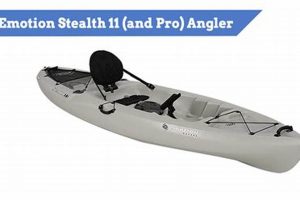
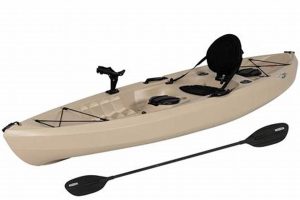
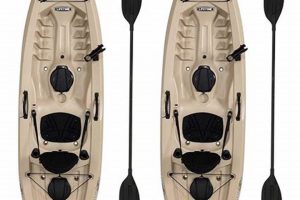
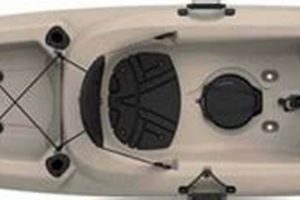
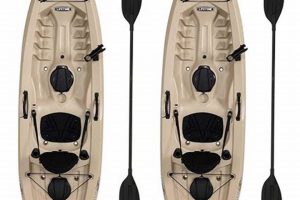
This sit-on-top fishing kayak is manufactured by Lifetime Products and falls within their Weber angler series. The “110” designates its approximate length of 11 feet. It’s designed for recreational fishing in calm waters like lakes and slow-moving rivers, offering stability and features tailored to anglers.
A stable and efficient platform for fishing, this style of kayak offers several advantages. Its sit-on-top design promotes easy entry and exit, enhancing safety and comfort. The relatively short length contributes to maneuverability, while the incorporated features, such as rod holders and storage compartments, cater specifically to the needs of anglers. This type of kayak has become increasingly popular due to its affordability and practicality for recreational fishing, reflecting a broader trend towards accessible, user-friendly watercraft for outdoor activities.
Further exploration will cover key features, performance characteristics, user experiences, and comparisons with similar kayaks on the market. This information will assist prospective buyers in making informed decisions and understanding the potential of this craft for enjoyable and productive fishing excursions.
Tips for Utilizing a Sit-On-Top Fishing Kayak
Effective use of a sit-on-top fishing kayak maximizes enjoyment and ensures safety on the water. These tips offer guidance for both novice and experienced anglers.
Tip 1: Pre-Trip Planning: Check weather forecasts, water conditions, and local regulations before embarking on any fishing trip. Inform someone of the planned route and estimated return time.
Tip 2: Essential Gear: Carry essential safety equipment, including a personal flotation device (PFD), a whistle, and a signaling device. Fishing-specific gear like rods, reels, tackle, and a first-aid kit should be organized and readily accessible.
Tip 3: Proper Paddling Technique: Utilize efficient paddling techniques to conserve energy and maintain control. A proper paddle stroke maximizes propulsion and minimizes strain.
Tip 4: Stability and Balance: Maintain a low center of gravity and avoid sudden movements. Practice entering and exiting the kayak in shallow water before venturing into deeper areas.
Tip 5: Anchor Positioning: Learn proper anchor deployment techniques for stationary fishing. Consider the water depth, current, and wind direction when setting the anchor.
Tip 6: Respecting the Environment: Adhere to “Leave No Trace” principles. Pack out all trash and avoid disturbing wildlife or sensitive habitats.
Tip 7: Regular Maintenance: Rinse the kayak with fresh water after each use and store it properly to prolong its lifespan. Inspect and maintain all hardware and accessories regularly.
Adherence to these guidelines promotes safe and enjoyable fishing experiences while ensuring responsible use of the waterway.
Following these tips will enhance enjoyment and safety on the water. The next section will provide additional resources for kayak anglers.
1. Stability

Stability is a paramount consideration for any fishing kayak, particularly for anglers engaging in activities like casting, reeling, and landing fish. The Lifetime Weber Angler 110 addresses this crucial aspect through its design and construction. The relatively wide beam and flat-bottom hull contribute significantly to primary stability, resisting initial tipping tendencies. This inherent stability provides a secure platform, allowing anglers to focus on fishing rather than constantly correcting balance. For example, an angler casting in windy conditions or unexpectedly hooking a larger fish will experience less rocking and swaying, reducing the risk of capsizing. The kayak’s design also contributes to secondary stabilitythe ability to recover from larger destabilizing forces. While not as specialized as kayaks designed for extreme whitewater conditions, the Weber Angler 110 offers a reasonable degree of secondary stability, providing a reassuring margin of safety in choppy water or during unexpected movements.
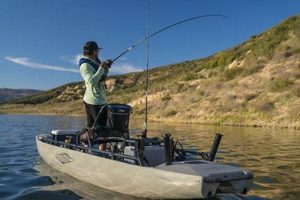
The practical significance of this stability becomes evident in various fishing scenarios. Standing to cast, a common practice among anglers, requires a stable platform. The Weber Angler 110’s inherent stability facilitates this, increasing casting range and visibility. Similarly, landing a fish, often involving maneuvering the kayak and handling fishing gear simultaneously, is significantly safer and more manageable in a stable craft. Moreover, stability contributes to overall comfort, reducing fatigue and anxiety, particularly for less experienced kayakers. This translates to a more enjoyable and productive fishing experience.
In summary, the Lifetime Weber Angler 110’s stability is a defining characteristic, contributing significantly to its suitability for recreational fishing. The combination of primary and secondary stability enhances safety, facilitates various fishing techniques, and promotes overall angler comfort. Understanding this stability profile allows for realistic expectations and informed decisions regarding its suitability for specific fishing environments and angler preferences.
2. Fishing Features

Dedicated fishing features distinguish specialized fishing kayaks from recreational models. These integrated elements enhance angler convenience, efficiency, and overall fishing success. The Lifetime Weber Angler 110 incorporates several key features that contribute to its practicality as a fishing platform.
- Flush-Mounted Rod Holders:
Multiple flush-mounted rod holders provide secure storage for fishing rods while paddling or when not actively in use. This feature prevents rod entanglement and protects them from damage. Anglers can readily access their rods, facilitating quick reactions to fish strikes or changes in fishing techniques. For example, trolling with multiple lines or switching between different rod and reel setups becomes seamless with readily available rod storage.
- Tankwell Storage:
A rear tankwell provides ample storage for essential fishing gear, such as tackle boxes, bait buckets, and other equipment. This dedicated storage area keeps gear organized and accessible. The open design of the tankwell accommodates larger items and allows for easy customization with bungee cords or tie-down straps. This proves particularly useful for longer fishing trips or when carrying specialized fishing equipment.
- Paddle Park:
Paddle parks, often integrated into the kayak’s hull, offer a dedicated location to secure the paddle when not in use. This simple yet effective feature keeps the paddle out of the way during fishing, preventing accidental loss or interference with fishing lines. It ensures the paddle is readily available when needed for repositioning or returning to shore. This is particularly advantageous when fishing in tight quarters or when concentrating on fish activity.
- Built-in Tackle Storage:
Smaller storage compartments, often located within reach of the seating area, offer convenient storage for frequently used items like lures, hooks, and other small tackle components. This keeps essential gear organized and readily accessible, minimizing disruptions during active fishing. Some models may include specialized compartments designed to hold specific items like leader line or fishing tools. This tailored approach to storage enhances efficiency and allows anglers to focus on the task at hand.
These integrated fishing features collectively enhance the functionality of the Lifetime Weber Angler 110, transforming it from a basic recreational kayak into a dedicated fishing platform. The strategic placement and design of these features contribute to a more organized, efficient, and ultimately, more successful fishing experience. The inclusion of these features specifically caters to the needs of anglers, demonstrating the kayak’s purpose-built nature. Comparing these features to those found on other fishing kayaks in a similar price range further underscores the value and practicality of the Weber Angler 110.
3. Durability
Durability is a critical factor influencing the lifespan and overall value of a kayak, especially for fishing kayaks subjected to various environmental stressors and potential impacts. The Lifetime Weber Angler 110 fishing kayak addresses durability through its construction material and design features. High-density polyethylene (HDPE) is the primary material used in its construction. HDPE offers inherent resistance to UV degradation, impacts, and abrasion, contributing to the kayak’s longevity. This robust material allows the kayak to withstand typical wear and tear associated with fishing activities, such as dragging it across shorelines, bumping into submerged objects, or exposure to harsh sunlight. For instance, the HDPE hull can tolerate minor collisions with rocks or logs without sustaining significant damage, unlike kayaks made from more fragile materials. The UV resistance of HDPE prevents the material from becoming brittle and cracking over time due to sun exposure, ensuring the kayak remains structurally sound for extended periods.
Beyond the core material, design features further contribute to the kayaks overall durability. The molded-in color prevents scratches and fading, maintaining the kayak’s appearance over time. Furthermore, the relatively simple design minimizes potential points of failure. For example, fewer moving parts and integrated components reduce the likelihood of breakage or malfunction compared to kayaks with more complex hardware or accessories. This simplified design also contributes to ease of maintenance and repair, further extending the kayak’s usable life. Consider a scenario where the kayak is transported on a roof rack; the durable HDPE construction can withstand the vibrations and stresses of travel without cracking or deforming, unlike kayaks made from less robust materials.
The practical significance of the Weber Angler 110s durability translates to long-term cost-effectiveness and sustained performance. Reduced maintenance requirements, resistance to damage, and a longer lifespan contribute to a higher return on investment. Anglers can confidently rely on the kayak’s structural integrity in various fishing environments, minimizing concerns about premature wear and tear. This durability ensures the kayak remains a reliable fishing platform for years, allowing anglers to focus on their passion rather than equipment concerns. The robust construction translates to a dependable and lasting investment, making it suitable for frequent use and diverse fishing conditions. This inherent durability aligns with the “Lifetime” brand name, reflecting a commitment to producing long-lasting products.
4. Portability

Portability significantly influences the practical usability of a kayak, particularly for those without dedicated transport infrastructure. The Lifetime Weber Angler 110 fishing kayak addresses portability through its manageable weight and dimensions. Weighing approximately 65 pounds, it falls within a weight range manageable for single-person transport over short distances. This allows users to load and unload the kayak from vehicle roof racks or carry it to and from launch sites without specialized equipment or assistance. For example, an individual can transport the kayak from a parking area to a nearby lake shore without undue strain. The kayak’s length of 11 feet further contributes to its portability, simplifying storage and maneuvering. This compact size facilitates storage in garages or sheds and reduces the required vehicle roof rack space. Consider an urban angler with limited storage space; the kayak’s manageable dimensions allow for convenient storage within a standard apartment or condominium.
Several design elements enhance the kayak’s portability. Molded-in handles, strategically placed at the bow and stern, provide secure grip points for lifting and carrying. These ergonomic handles facilitate balanced lifting, reducing strain and minimizing the risk of dropping the kayak. The relatively flat hull bottom allows for stable positioning during transport on roof racks, reducing the need for complex tie-down systems. Furthermore, the lightweight nature of the kayak minimizes fuel consumption during transport, contributing to overall cost-effectiveness. For instance, transporting the kayak on a small car or SUV does not significantly impact fuel efficiency compared to transporting larger, heavier kayaks.
The practical implications of the Weber Angler 110’s portability extend beyond mere convenience. Increased accessibility expands the range of fishing locations available to anglers. Users can readily access remote ponds, small rivers, or secluded lake shores without relying on boat ramps or motorized transport. This portability fosters exploration and allows anglers to discover new fishing spots previously inaccessible with larger, less portable watercraft. The ease of transport and storage further encourages frequent use, maximizing the kayak’s recreational value and promoting an active outdoor lifestyle. In summary, the portability of the Lifetime Weber Angler 110 directly contributes to its practicality, expanding fishing opportunities and encouraging regular engagement in the sport. This focus on portability aligns with the design philosophy of making kayaking accessible to a wider range of individuals, regardless of physical limitations or storage constraints.
5. Affordability

Affordability plays a pivotal role in the accessibility of recreational fishing kayaks, influencing purchasing decisions and broadening participation in the sport. The Lifetime Weber Angler 110 fishing kayak distinguishes itself within the market by offering a balance of features and cost-effectiveness, making it an attractive option for budget-conscious anglers. Examining the components contributing to its affordability provides valuable insights for prospective buyers.
- Price Point:
The Weber Angler 110 typically occupies a lower price bracket compared to similarly sized and equipped fishing kayaks from premium brands. This competitive pricing strategy makes it accessible to a broader audience, including beginners and those seeking an entry-level fishing kayak without a significant financial investment. This allows more individuals to experience kayak fishing without the barrier of high upfront costs.
- Materials and Manufacturing:
Utilizing high-density polyethylene (HDPE) in its construction contributes to the kayak’s affordability. HDPE is a relatively cost-effective material that offers desirable properties such as durability and UV resistance. While less expensive than composite materials like fiberglass or carbon fiber, HDPE provides adequate performance characteristics for recreational fishing. This allows Lifetime to offer a robust product without the premium associated with higher-end materials.
- Simplified Feature Set:
While equipped with essential fishing features, the Weber Angler 110 often omits premium features found in higher-priced kayaks. For example, it might not include integrated fish finders, advanced seating systems, or specialized rudder steering mechanisms. This streamlined approach to features helps maintain a lower price point while still providing adequate functionality for recreational angling. Anglers prioritizing essential features over top-of-the-line accessories find value in this balance.
- Retail and Distribution Strategies:
Lifetime Products often leverages large-scale retail partnerships and efficient distribution networks to maintain competitive pricing. By selling through major retailers and optimizing distribution logistics, the company minimizes overhead costs, which translates to lower prices for consumers. This broad retail availability further enhances accessibility for potential buyers.
The affordability of the Lifetime Weber Angler 110 directly contributes to its popularity and market presence. By strategically balancing features, materials, and manufacturing processes, Lifetime offers a compelling value proposition for anglers seeking an accessible and functional fishing kayak. This cost-effectiveness broadens participation in the sport, making kayak fishing more accessible to individuals across various budget levels. While not a premium, high-end kayak, its affordability aligns with the needs and priorities of a significant segment of the recreational fishing community. Comparing its price and features to those of competing kayaks within the same category reinforces its value proposition and explains its appeal to budget-conscious anglers.
Frequently Asked Questions
This section addresses common inquiries regarding the Lifetime Weber Angler 110 fishing kayak, providing concise and informative responses.
Question 1: What is the maximum weight capacity of the kayak?
The maximum weight capacity is typically 275 pounds. Exceeding this limit compromises stability and performance.
Question 2: Is the kayak suitable for ocean use?
While designed for calm waters like lakes and slow-moving rivers, it can handle sheltered coastal areas with minimal surf. Open ocean use is not recommended.
Question 3: What materials comprise the kayak’s construction?
The kayak is constructed from high-density polyethylene (HDPE), known for durability and UV resistance.
Question 4: Does the kayak include a paddle?
Typically, a paddle is not included and must be purchased separately. Consult specific retailer listings for bundled offers.
Question 5: How does one transport the kayak?
Transport options include roof racks, trailers, or truck beds. Molded-in handles facilitate carrying over short distances. Secure the kayak appropriately during transit.
Question 6: What maintenance is required for the kayak?
Rinse the kayak with fresh water after each use and store it away from direct sunlight. Periodically inspect and tighten hardware.
Understanding these key aspects contributes to informed purchase decisions and ensures appropriate usage of the kayak.
The subsequent section will delve into user reviews and experiences with the Lifetime Weber Angler 110.
Conclusion
Exploration of this specific kayak model reveals a balance of affordability, stability, and fishing-specific features. Its high-density polyethylene construction contributes to durability, while the manageable weight and dimensions enhance portability. The kayak’s integrated rod holders, tankwell storage, and other design elements cater specifically to angling needs, differentiating it from standard recreational kayaks. While not designed for extreme conditions or professional angling, its features and performance characteristics align well with the requirements of recreational fishing in calm waters.
Careful consideration of individual needs, fishing styles, and budgetary constraints remains crucial in any kayak selection process. Potential purchasers are encouraged to conduct further research, compare similar models, and assess the Lifetime Weber Angler 110 fishing kayak’s suitability within their specific fishing context. Informed decisions ensure optimal equipment selection, contributing to enhanced enjoyment and success on the water.