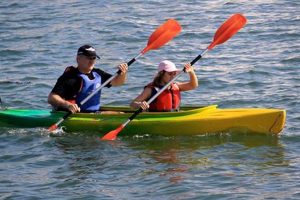
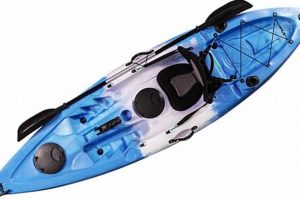
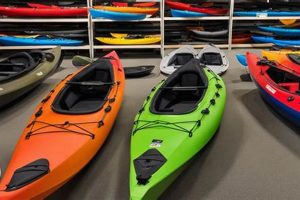
The concept of readily available paddling opportunities encompasses the ability to locate and rent or purchase small, human-powered boats suitable for use on relatively calm bodies of water within a convenient distance. This accessibility can extend to various settings, from urban park lakes to coastal inlets, offering diverse experiences based on location and environment. For instance, urban dwellers might find rentals readily available along a city’s riverfront, while coastal communities may offer rentals near beaches or protected bays.
Convenient access to these vessels provides numerous recreational and fitness benefits. Paddling offers a low-impact workout that engages multiple muscle groups, improves cardiovascular health, and promotes mental well-being through interaction with nature. Historically, small boats have been essential for transportation, fishing, and exploration, connecting communities and facilitating trade. Today, their easy availability continues this legacy, democratizing access to waterways and providing opportunities for personal exploration and enjoyment. The rise of rental businesses and specialized retailers has further simplified access, catering to diverse needs and experience levels.
This availability opens up possibilities for exploring local waterways, experiencing nature, and engaging in physical activity. Discussions surrounding suitable locations, responsible paddling practices, equipment choices, and the growth of the recreational paddling industry are all relevant extensions of this core idea.
Tips for Locating Convenient Paddling Opportunities
Careful planning enhances the enjoyment and safety of on-water excursions. Consider the following guidance before embarking on a paddling trip.
Tip 1: Research Local Options: Utilize online search engines, local tourism websites, and community resources to identify rental locations and public access points to suitable bodies of water. Examine online reviews and compare pricing to determine the best fit for individual needs.
Tip 2: Check Weather Conditions: Prior to departure, consult weather forecasts specifically for the intended paddling location. Postpone trips if high winds, thunderstorms, or other hazardous conditions are anticipated.
Tip 3: Inform Someone of Your Plans: Always share trip details, including intended location, launch time, and estimated return time, with a trusted contact. This precaution ensures someone is aware of one’s whereabouts in case of unexpected delays or emergencies.
Tip 4: Choose Appropriate Equipment: Select a properly sized vessel and paddle suitable for the planned activity and body of water. Ensure the vessel is equipped with required safety gear, including a personal flotation device (PFD) for each paddler.
Tip 5: Understand Local Regulations: Familiarize oneself with any applicable boating regulations or access restrictions for the intended paddling location. This may include permits, speed limits, or designated no-wake zones.
Tip 6: Practice Basic Paddling Strokes: Prior to venturing out, particularly for beginners, learning fundamental paddling techniques can improve efficiency, control, and overall enjoyment. Consider seeking instruction from experienced paddlers or certified instructors.
Tip 7: Respect Wildlife and the Environment: Maintain a safe distance from wildlife and avoid disturbing natural habitats. Adhere to Leave No Trace principles by packing out all trash and minimizing impact on the surrounding environment.
By adhering to these recommendations, individuals can maximize their enjoyment of paddling experiences while prioritizing safety and responsible use of natural resources.
These practical steps contribute significantly to creating rewarding paddling adventures.
1. Rental Locations

Rental locations play a crucial role in the accessibility of kayaking. The proximity of rental facilities directly influences the convenience and, consequently, the popularity of paddling in a given area. A dense network of rental locations effectively reduces the logistical barriers to entry for individuals interested in recreational kayaking. Conversely, limited rental options, especially in areas distant from suitable waterways, can significantly hinder participation. For example, a coastal town with numerous kayak rental businesses along its waterfront will likely see higher kayaking activity compared to a similar town with only a single, inland rental location.
The prevalence of rental locations also impacts the local economy. Rental businesses generate revenue, create employment opportunities, and contribute to the overall tourism sector. Furthermore, these businesses often provide ancillary services such as guided tours, lessons, and equipment sales, further stimulating economic activity. This economic impact underscores the significance of supporting and promoting local rental businesses as a means of fostering both recreational opportunities and economic growth within a community. Successful rental operations often leverage online platforms and mobile applications to enhance visibility and streamline booking processes, thus expanding their reach and contributing to the growth of the recreational paddling industry.
In summary, the availability and distribution of rental locations are integral to the broader accessibility and popularity of kayaking. Understanding this connection allows for informed decision-making regarding community development, tourism promotion, and resource allocation. Addressing potential challenges, such as limited access in underserved areas or the environmental impact of increased paddling activity, requires careful consideration of the interplay between rental locations, resource management, and community needs. This holistic approach ensures the sustainable growth and enjoyment of recreational kayaking.
2. Water Accessibility

Water accessibility is intrinsically linked to the practicality and appeal of readily available kayaks. The presence of suitable launch points, along with the navigability of the waterway itself, directly influences the feasibility and enjoyment of kayaking activities. Calm, sheltered waters, such as lakes, ponds, and slow-moving rivers, generally provide ideal conditions for recreational kayaking, while open ocean or fast-flowing rivers present greater challenges and often require higher skill levels. Easy access to the water’s edge, via docks, ramps, or gently sloping banks, further enhances the convenience and accessibility of kayaking for a wider range of individuals. Conversely, areas with limited or difficult access points, such as steep, rocky shorelines or waterways obstructed by dense vegetation, can significantly deter participation. For example, a lake with multiple well-maintained boat ramps and accessible docks will likely attract more kayakers than a comparable lake accessible only via a narrow, overgrown trail. Cause and effect are evident: improved water accessibility directly leads to increased kayaking activity.
The quality of the water itself also plays a critical role. Clean, clear water enhances the aesthetic appeal of the kayaking experience, while polluted or debris-filled waterways detract from enjoyment and potentially pose health risks. Furthermore, the presence of strong currents, tides, or underwater hazards requires careful consideration and often necessitates specialized skills and equipment. This highlights the importance of assessing water conditions prior to embarking on a kayaking trip. For instance, kayakers seeking a tranquil paddling experience might choose a sheltered cove over a more exposed area known for choppy water and strong currents. This choice demonstrates the practical significance of understanding water accessibility as a crucial factor in planning kayaking excursions.
In summary, convenient access to suitable bodies of water is a fundamental component of the “kayaks nearby” concept. Factors such as launch points, water quality, and navigability directly influence the feasibility, safety, and enjoyment of kayaking. Understanding these elements allows individuals to make informed decisions about where to paddle and how to best prepare for their kayaking adventures. Addressing challenges related to water accessibility, such as limited public access points or the need for improved water quality management, requires a comprehensive approach involving community engagement, resource allocation, and environmental stewardship. This holistic approach ensures the sustainable and responsible growth of recreational kayaking while preserving the natural beauty and ecological health of our waterways.
3. Safety Precautions

Safety precautions are inextricably linked to the accessibility and enjoyment of kayaking, particularly when focusing on the concept of “kayaks nearby.” The inherent risks associated with on-water activities necessitate careful consideration of safety measures to mitigate potential hazards and ensure a positive experience. The proximity of kayaking locations influences the type and urgency of safety precautions. For instance, paddling on a small, calm pond near one’s residence may require fewer precautions compared to kayaking in a more remote coastal area with stronger currents and changing weather patterns. This distinction highlights the importance of tailoring safety measures to the specific environment and anticipated conditions. A readily available kayak does not diminish the inherent need for responsible safety practices. Cause and effect are clearly demonstrated: neglecting safety precautions increases the likelihood of accidents or incidents, potentially impacting not only individual well-being but also the perception and accessibility of kayaking within a community.
Several key safety precautions warrant attention. Wearing a properly fitted personal flotation device (PFD) is paramount, regardless of perceived swimming ability or proximity to shore. Checking weather forecasts before embarking on a kayaking trip helps avoid hazardous conditions such as high winds, thunderstorms, or fog. Informing someone of one’s paddling plans, including intended location and estimated return time, provides an additional layer of security in case of emergencies. Carrying essential safety equipment, such as a whistle, signaling device, and first-aid kit, further enhances preparedness. Understanding basic paddling techniques and self-rescue maneuvers contributes significantly to safe and confident kayaking. For example, knowing how to re-enter a kayak after capsizing in calm water near shore differs significantly from the skills and equipment required for self-rescue in open water with challenging conditions. This illustrates the practical significance of tailoring safety precautions to specific environments and potential scenarios.
In summary, safety precautions constitute a crucial element of responsible kayaking, especially within the context of readily accessible locations. The convenience of “kayaks nearby” should not overshadow the importance of prioritizing safety measures. Neglecting these precautions can have significant consequences, affecting individual well-being and potentially impacting community perceptions of kayaking. Addressing safety concerns requires a multi-faceted approach involving education, regulation, and personal responsibility. This comprehensive approach fosters a culture of safety within the kayaking community, ensuring the continued enjoyment and accessibility of this popular recreational activity while minimizing potential risks. This responsible approach safeguards both individuals and the environment.
4. Environmental Impact

The increasing popularity of kayaking, particularly the ease of access facilitated by readily available rental locations (“kayaks nearby”), necessitates careful consideration of its environmental impact. While kayaking is generally considered a low-impact recreational activity, the cumulative effects of increased usage can pose significant challenges to fragile aquatic ecosystems. Understanding these potential impacts is crucial for promoting responsible kayaking practices and ensuring the long-term sustainability of this recreational pursuit.
- Disturbance of Wildlife
Kayaks, by their very nature, bring humans into close proximity with wildlife. Irresponsible paddling practices, such as approaching too closely to nesting birds or other sensitive habitats, can cause stress, disrupt breeding patterns, and displace animals from their natural environment. For example, repeated disturbances near a heron rookery could lead to nest abandonment or reduced breeding success. Minimizing disturbance requires maintaining a respectful distance from wildlife, avoiding sudden movements or loud noises, and adhering to established guidelines for navigating sensitive areas.
- Water Pollution
While kayaks themselves do not produce direct emissions, related activities can contribute to water pollution. Sunscreens, insect repellents, and other personal care products used by kayakers can wash off into the water, introducing harmful chemicals into the ecosystem. Improper disposal of trash, including food wrappers, plastic bottles, and fishing line, can accumulate along shorelines and in waterways, posing threats to both aquatic life and water quality. Promoting responsible waste disposal practices and encouraging the use of eco-friendly products are essential for minimizing pollution associated with kayaking.
- Habitat Degradation
Increased kayaking activity can contribute to habitat degradation through physical impacts such as erosion and damage to vegetation. Repeatedly dragging kayaks across sensitive shoreline areas can uproot plants, destabilize banks, and increase sediment runoff into the water. Paddling through shallow, vegetated areas can damage submerged aquatic plants, which provide essential habitat for fish and other organisms. Minimizing physical impacts requires utilizing designated launch and landing areas, avoiding dragging kayaks across sensitive habitats, and paddling with caution in shallow or vegetated areas.
- Introduction of Invasive Species
Kayaks can inadvertently transport invasive species between different bodies of water. Aquatic plants, invertebrates, or even small fish can attach to kayaks or become trapped in bilge water, and subsequently be introduced to new environments where they can outcompete native species and disrupt ecological balance. Thoroughly cleaning kayaks, paddles, and other equipment after each use, particularly when moving between different waterways, helps prevent the spread of invasive species.
The convenience of “kayaks nearby” increases the potential for cumulative environmental impacts. As participation in kayaking grows, so does the responsibility to minimize these impacts. Promoting responsible kayaking practices, educating paddlers about environmental stewardship, and implementing effective management strategies are crucial for ensuring the sustainable coexistence of recreational kayaking and healthy aquatic ecosystems. By understanding and addressing these environmental concerns, we can safeguard the natural beauty and ecological integrity of our waterways for future generations while continuing to enjoy the benefits of accessible kayaking opportunities.
5. Local Regulations

Local regulations play a crucial role in shaping the landscape of accessible kayaking opportunities. The proximity of kayaking locations, a key aspect of “kayaks nearby,” does not exempt these activities from regulatory oversight. Understanding and complying with local regulations ensures the safety of paddlers, protects the environment, and contributes to the sustainable management of recreational resources. These regulations often address specific concerns relevant to local waterways, reflecting the unique characteristics of each environment.
- Permitting Requirements
Many jurisdictions require permits for kayaking activities, particularly on designated waterways or within protected areas. Permitting systems help manage usage levels, control access to sensitive areas, and generate revenue for conservation efforts. For example, a popular urban waterway might require permits for commercial kayak rentals to regulate business operations and ensure compliance with safety standards. Conversely, a remote wilderness area might require permits for all kayaking activity to limit environmental impact and preserve the pristine nature of the ecosystem. Understanding and obtaining necessary permits is essential for legal and responsible kayaking.
- Access Restrictions
Local regulations often restrict access to certain areas or during specific times. These restrictions might protect sensitive wildlife habitats, preserve water quality, or manage recreational usage during peak seasons. For instance, access to a nesting area for shorebirds might be restricted during breeding season to prevent disturbance. Alternatively, access to a popular swimming area might be limited during designated hours to prioritize swimmer safety. Respecting access restrictions is crucial for minimizing conflicts and ensuring the responsible enjoyment of shared waterways.
- Safety Equipment Mandates
Local regulations commonly mandate the use of specific safety equipment, such as personal flotation devices (PFDs) or signaling devices. These mandates aim to enhance paddler safety and facilitate rescue operations in case of emergencies. For example, a regulation requiring all kayakers to wear PFDs, regardless of age or skill level, reflects a proactive approach to minimizing drowning risks. Carrying a whistle or other signaling device might be mandatory in remote areas to aid in locating and assisting paddlers in distress. Complying with safety equipment mandates contributes significantly to individual well-being and the overall safety of kayaking activities.
- Operational Restrictions
Local regulations may impose operational restrictions on kayaking activities, such as speed limits, designated no-wake zones, or restrictions on alcohol consumption. These restrictions aim to minimize conflicts between different user groups, protect sensitive shoreline areas from erosion, and ensure responsible behavior on the water. For example, a speed limit in a narrow channel might prevent collisions between kayaks and other vessels, while a no-wake zone near a residential area minimizes disturbance to waterfront properties. Adhering to operational restrictions contributes to the harmonious coexistence of various recreational activities and promotes respect for shared waterways.
The proximity of kayaking locations emphasized by the “kayaks nearby” concept does not negate the importance of adhering to local regulations. These regulations provide a framework for responsible kayaking, ensuring the safety of participants, protecting the environment, and fostering sustainable recreational practices. Understanding and complying with local regulations is essential for enjoying accessible kayaking opportunities while contributing to the long-term preservation of our waterways. Ignoring these regulations can lead to fines, access restrictions, and potential safety risks, ultimately undermining the very accessibility that makes “kayaks nearby” so appealing.
Frequently Asked Questions about Kayaking Opportunities
This section addresses common inquiries regarding readily accessible kayaking, aiming to provide clear and concise information for individuals seeking paddling experiences.
Question 1: How can suitable kayaking locations be identified within a specific geographic area?
Utilizing online search engines, consulting local tourism websites, and contacting regional parks and recreation departments can yield valuable information regarding nearby kayaking locations. Online reviews and community forums often provide insights into the suitability of different locations for specific skill levels and preferences.
Question 2: What factors should be considered when choosing a kayak rental provider?
Factors to consider include the type and condition of kayaks offered, rental rates, safety equipment provided, customer service reputation, and proximity to desired paddling locations. Reading online reviews and comparing offerings from multiple providers can aid in informed decision-making.
Question 3: What essential safety precautions should one take before embarking on a kayaking trip?
Essential precautions include checking weather forecasts, wearing a properly fitted personal flotation device (PFD), informing someone of paddling plans, and carrying essential safety equipment such as a whistle and first-aid kit. Familiarization with basic paddling techniques and self-rescue maneuvers is also highly recommended.
Question 4: What environmental considerations should kayakers keep in mind?
Kayakers should strive to minimize their environmental impact by maintaining a safe distance from wildlife, avoiding sensitive habitats, properly disposing of trash, and using eco-friendly products. Cleaning kayaks and equipment after each use helps prevent the spread of invasive species.
Question 5: What are the typical costs associated with kayak rentals?
Rental costs vary based on factors such as kayak type, rental duration, location, and provider. Hourly, half-day, and full-day rates are common, with prices typically ranging from [Price Range Example – adjust to local market]. Additional fees may apply for delivery, pickup, or specialized equipment.
Question 6: What regulations or permit requirements should kayakers be aware of?
Regulations vary by location and may include permitting requirements, access restrictions, safety equipment mandates, and operational limitations. Consulting local authorities or park management agencies provides information regarding specific regulations applicable to intended paddling locations.
Prioritizing safety, environmental responsibility, and regulatory compliance contributes significantly to positive kayaking experiences. Thorough planning and informed decision-making enhance enjoyment and ensure the sustainable use of recreational resources.
For those interested in learning more, the following sections delve deeper into specific aspects of kayaking, providing further guidance and resources.
Kayaks Nearby
The accessibility of kayaks within close proximity to individuals presents significant opportunities for recreation, fitness, and connection with nature. This exploration has highlighted key aspects of readily available paddling options, including locating suitable rental locations and understanding relevant safety precautions and environmental considerations. Regulatory compliance and responsible paddling practices are essential for ensuring the sustainable enjoyment of these resources. Water accessibility, influenced by launch points and waterway characteristics, plays a crucial role in determining suitable kayaking locations. Furthermore, careful consideration of environmental impacts, such as potential disturbance to wildlife and the importance of minimizing pollution, is paramount for responsible kayaking. Understanding local regulations, including permitting requirements and operational restrictions, is crucial for legal and considerate paddling.
The convenience of “kayaks nearby” opens a gateway to exploring local waterways and fostering a deeper appreciation for aquatic environments. Responsible engagement with these opportunities ensures the preservation of these valuable resources for future generations. Embracing sustainable paddling practices and promoting environmental stewardship contribute to the long-term health and accessibility of our waterways, enabling continued enjoyment of readily available kayaking experiences.