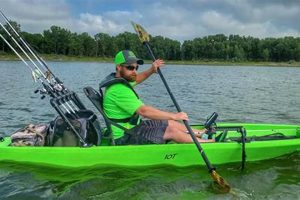
Competitive angling events held in Minnesota, specifically designed for participants using kayaks, offer a unique blend of skill, strategy, and sportsmanship. These events typically involve catching predetermined species of fish within set boundaries and timeframes, with winners determined by weight, length, or number of fish caught. For example, a competition might focus on walleye fishing on Lake Minnetonka, with anglers vying for the largest total weight of walleye caught within a designated eight-hour period.
These competitions promote conservation awareness and ethical fishing practices while contributing to the local economy through tourism and related expenditures. They foster a sense of community among anglers, providing opportunities for networking and skill development. Historically, the growth of these specialized tournaments reflects the increasing popularity of kayak fishing, a sport that emphasizes accessibility and a close-to-nature experience. This growth has led to the development of sophisticated angling techniques specific to kayak fishing, as well as advancements in kayak design tailored for competitive fishing.
This article will further explore the various facets of competitive kayak angling in Minnesota, covering topics such as tournament formats, rules and regulations, popular fishing locations, essential gear and equipment, and strategies for success.
Tips for Competitive Kayak Angling in Minnesota
Success in competitive kayak fishing requires careful planning and execution. The following tips offer valuable insights for anglers seeking a competitive edge.
Tip 1: Pre-Fishing Scouting: Thoroughly research potential fishing spots before the tournament. Understanding water depth, structure, and prevalent fish species significantly improves the chances of success. Utilizing online mapping tools and local fishing reports can be invaluable.
Tip 2: Kayak Mastery: Proficiency in maneuvering a kayak, especially in varying wind and water conditions, is essential. Practice precise boat control techniques to maintain optimal fishing positions. This includes mastering paddle strokes and anchoring strategies.
Tip 3: Gear Optimization: Select fishing rods, reels, and lines specifically suited for the target species and fishing techniques. Ensure all equipment is in top working condition and readily accessible. Organize tackle boxes for efficient lure retrieval.
Tip 4: Tackle Selection: Choose lures and baits based on pre-fishing scouting and anticipated weather patterns. Consider factors such as water clarity, temperature, and seasonal fish behavior. Having a diverse selection is advantageous.
Tip 5: Efficient Time Management: Develop a strategic fishing plan that maximizes fishing time during the tournament. Minimize time spent traveling between locations and re-rigging. Focus on high-probability areas.
Tip 6: Weather Awareness: Monitor weather forecasts closely leading up to and during the tournament. Adjust fishing strategies based on changing conditions. Prioritize safety and be prepared to adapt to unexpected weather shifts.
Tip 7: Rule Adherence: Familiarize oneself with all tournament rules and regulations. Ensure compliance with size and catch limits. Respect fellow competitors and maintain ethical angling practices.
By implementing these strategies, anglers can significantly enhance their performance and enjoyment of competitive kayak fishing events. Preparation, skill development, and adaptability are key factors that contribute to a successful tournament experience.
These tips offer a solid foundation for aspiring competitive kayak anglers. The following section will provide further details on specific techniques and strategies for achieving success on Minnesota waters.
1. Competition

The competitive element is fundamental to kayak fishing tournaments in Minnesota. It provides the framework for evaluating angler skill and determining event outcomes. Understanding the structure and nuances of competition within these tournaments is essential for both participants and those interested in following the sport.
- Tournament Formats:
Various tournament formats exist, each influencing competitive dynamics. Common formats include “total weight,” where anglers accumulate points based on the combined weight of their catch, and “big bass” formats, focusing on the single heaviest fish. Specific formats influence angler strategies, from targeting numerous smaller fish to focusing on locating trophy-sized specimens. Understanding the chosen format is crucial for pre-tournament planning and in-event decision-making.
- Ranking and Scoring:
Ranking systems provide a clear method for evaluating angler performance. Typically, rankings are based on cumulative points awarded according to the tournament format. Tie-breakers, such as the time of catch, may be employed in the event of identical scores. Publicly displayed leaderboards and real-time scoring updates enhance the competitive atmosphere and allow spectators to follow the event’s progression.
- Prizes and Recognition:
Prizes and recognition serve as significant motivators in competitive angling. Prizes may include cash awards, fishing gear, or sponsored endorsements. Beyond tangible rewards, the recognition earned through competitive success contributes to an angler’s reputation within the kayak fishing community. The pursuit of these accolades adds another layer to the competitive landscape.
- Sportsmanship and Ethics:
While competition drives performance, adherence to ethical angling practices and principles of sportsmanship remains paramount. Respect for fellow competitors, adherence to tournament rules, and responsible catch-and-release practices are essential. Maintaining high ethical standards contributes to the integrity of the sport and fosters a positive competitive environment.
These facets of competition collectively shape the experience of kayak fishing tournaments in Minnesota. They provide structure, motivation, and a framework for recognizing achievement while upholding the values of sportsmanship and conservation. The interplay of these elements creates a dynamic and engaging competitive environment for anglers of all skill levels.
2. Kayaks

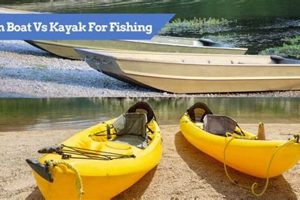
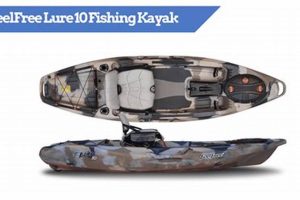
Kayaks form the foundational equipment in Minnesota kayak fishing tournaments, profoundly influencing angler performance and overall tournament dynamics. The choice of kayak directly impacts an angler’s ability to navigate diverse water conditions, access prime fishing locations, and effectively manage fishing gear. Cause and effect relationships exist between kayak selection and competitive outcomes. For instance, a stable, pedal-driven kayak offers advantages in windy conditions on larger lakes like Mille Lacs, enabling anglers to maintain position and cover water efficiently, potentially leading to increased catches. Conversely, a smaller, lighter kayak might be more suitable for navigating shallow, vegetated areas like those found in the Boundary Waters Canoe Area Wilderness, allowing access to secluded fishing spots often inaccessible to larger vessels.
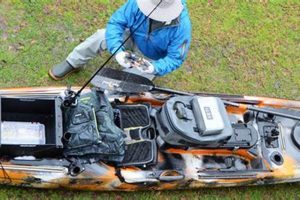
Specific kayak features play crucial roles in tournament success. Ample storage space facilitates organized tackle management, minimizing time spent searching for lures. Rod holders and mounting systems allow for efficient rod placement and retrieval, crucial during fast-paced tournament fishing. Furthermore, kayak stability and maneuverability significantly impact casting accuracy and the ability to fight fish effectively. Real-world examples illustrate these principles. Anglers competing in tournaments on the Mississippi River often choose kayaks with enhanced tracking capabilities to navigate currents effectively, while those fishing smaller lakes might prioritize maneuverability for navigating tight spaces. The practical significance of understanding the kayak’s role is undeniable; it directly correlates with an angler’s ability to effectively implement fishing strategies and maximize catch potential.
In summary, the kayak represents more than just a vessel; it serves as a mobile fishing platform integral to success in Minnesota kayak fishing tournaments. Selecting the appropriate kayak based on tournament location, target species, and individual fishing style is a critical strategic decision. Challenges such as transporting and maintaining kayaks necessitate careful consideration. Ultimately, understanding the intricate relationship between kayak selection and competitive performance provides a significant advantage in these increasingly popular events.
3. Minnesota Waters

Minnesota’s diverse aquatic ecosystems play a pivotal role in shaping the character and competitive landscape of kayak fishing tournaments. The state’s myriad lakes, rivers, and reservoirs offer a wide range of fishing opportunities, each presenting unique challenges and rewards for tournament anglers. Cause-and-effect relationships are evident between the specific characteristics of a water body and the strategies employed by anglers. For instance, the vast, open waters of Lake of the Woods necessitate different approaches compared to the shallow, weedy bays of Leech Lake. Understanding these nuances is crucial for tournament success. The depth, clarity, vegetation, and prevalent fish species of a given water body directly influence tackle selection, boat positioning, and overall fishing strategy.
The importance of Minnesota waters as a component of these tournaments extends beyond the immediate competitive arena. The health and accessibility of these aquatic resources directly impact the long-term viability of the sport. Real-world examples underscore this connection. Tournaments held on waters experiencing invasive species infestations often incorporate rules and procedures aimed at mitigating the spread. Similarly, events held on heavily pressured fisheries may employ catch-and-release practices to ensure sustainable fish populations. These examples illustrate the practical significance of understanding the interplay between tournament angling and environmental stewardship.
In summary, Minnesota’s waters are not merely a backdrop for kayak fishing tournaments; they are an integral component shaping the competitive landscape and the future of the sport. The unique characteristics of each water body present distinct challenges and opportunities for anglers. Recognizing these nuances, adapting strategies accordingly, and prioritizing the health of these resources are essential for ensuring the continued success and sustainability of kayak fishing tournaments in Minnesota.
4. Fishing Skills

Proficiency in angling techniques is paramount in the context of kayak fishing tournaments in Minnesota. These skills directly influence an angler’s ability to locate, hook, and land fish effectively, ultimately determining competitive outcomes. Beyond basic casting and retrieving, a nuanced understanding of fish behavior, habitat preferences, and seasonal patterns is crucial for consistent success.
- Species-Specific Knowledge:
Understanding the target species’ habits, feeding patterns, and preferred habitats is fundamental. For example, targeting walleye on Lake Mille Lacs requires different techniques compared to pursuing smallmouth bass in the St. Croix River. Knowledge of seasonal spawning behaviors, preferred depths, and forage preferences informs lure selection, presentation techniques, and location choices, directly impacting catch rates.
- Lure Presentation and Retrieval:
Effective lure presentation is critical for enticing fish to strike. Mastering techniques such as jigging, trolling, and topwater presentations, and adapting them to specific conditions and target species, significantly influences success. Retrieving lures with the appropriate speed, action, and depth control further enhances their effectiveness. A skilled angler can manipulate a lure to mimic natural prey, triggering strikes even in challenging conditions.
- Fish Fighting and Landing Techniques:
Successfully landing a hooked fish, especially in the confined space of a kayak, requires specialized skills. Proper rod handling, line management, and the use of appropriate landing nets are crucial. Factors such as fish size, species, and the presence of obstacles like weeds or submerged timber influence landing strategies. Losing a fish due to improper handling can significantly impact tournament standings.
- Electronics and Technology Integration:
Modern fish finders, GPS units, and other electronic tools provide valuable information about water depth, structure, and fish location. Skillfully interpreting this data and integrating it into fishing strategies offers a significant advantage. Understanding how to use side-imaging sonar to identify submerged structure or utilizing GPS waypoints to mark productive fishing spots can maximize efficiency and improve catch rates.
These interconnected fishing skills collectively contribute to an angler’s overall competitiveness in kayak fishing tournaments. Mastery of these techniques, combined with strategic decision-making and adaptability, enhances the likelihood of success on Minnesota’s diverse waters. The continuous refinement of these skills, through practice and experience, distinguishes consistently successful tournament anglers.
5. Regulations

Regulations form an integral framework for kayak fishing tournaments in Minnesota, ensuring fair competition, promoting conservation, and upholding the integrity of the sport. These rules govern various aspects of tournament participation, from permissible fishing methods and equipment to catch limits and size restrictions. Cause-and-effect relationships exist between regulations and tournament outcomes. For example, implementing size limits directly impacts which fish can be weighed in, influencing angler strategies and potentially altering target species. Similarly, restrictions on certain fishing techniques, such as live bait usage, can level the playing field and encourage diverse angling approaches. Regulations also play a crucial role in protecting Minnesota’s fisheries. By enforcing catch-and-release protocols and limiting harvest, tournaments contribute to the long-term sustainability of fish populations.
Real-world examples illustrate the practical significance of regulations. Tournaments held on waters with specific slot limits, where only fish within a certain size range can be kept, encourage anglers to selectively target legal-sized fish, protecting both younger and larger breeding individuals. Similarly, regulations prohibiting the use of certain types of fishing gear, such as treble hooks, can minimize fish mortality during catch-and-release practices. Furthermore, requirements for mandatory pre-tournament meetings and safety briefings contribute to angler safety and awareness. Challenges associated with enforcing regulations necessitate a collaborative approach involving tournament organizers, participants, and regulatory bodies. Effective communication and clear rule dissemination are crucial for ensuring compliance and maintaining the integrity of the competition.
In summary, regulations are not merely constraints but essential components of kayak fishing tournaments in Minnesota. They establish a framework for fair competition, promote conservation efforts, and ensure the long-term health of the state’s fisheries. Understanding and adhering to these regulations is not only a requirement for participation but also a demonstration of respect for the sport and the aquatic resources upon which it depends. The ongoing evolution of regulations, informed by scientific understanding and angler feedback, reflects a commitment to balancing the competitive spirit with responsible resource management.
Frequently Asked Questions
This section addresses common inquiries regarding competitive kayak angling in Minnesota, providing clarity on tournament procedures, regulations, and participation requirements.
Question 1: How does one locate information on upcoming kayak fishing tournaments in Minnesota?
Several online resources and organizations provide comprehensive listings of kayak fishing tournaments. Consulting local fishing clubs, specialized kayak fishing websites, and social media groups dedicated to the sport can yield valuable information on scheduled events, registration details, and specific tournament rules.
Question 2: Are there specific licensing requirements for participating in these tournaments?
A valid Minnesota fishing license is typically required for tournament participation. Specific license requirements may vary based on tournament location and target species, necessitating careful review of individual tournament rules and state fishing regulations.
Question 3: What type of kayak is best suited for competitive fishing in Minnesota?
Kayak selection depends on individual fishing style, target species, and the specific water bodies being fished. Factors such as stability, maneuverability, storage capacity, and compatibility with fishing accessories should be considered. Specialized fishing kayaks designed for stability and featuring integrated rod holders and fish finders often offer advantages in a tournament setting.
Question 4: What safety precautions should be taken during kayak fishing tournaments?
Wearing a personal flotation device (PFD) is paramount. Carrying essential safety equipment, such as a whistle, signaling device, and first-aid kit, is also recommended. Checking weather forecasts prior to the tournament and being prepared for changing conditions are crucial for ensuring angler safety. Informing someone of planned fishing locations and estimated return times is also advisable.
Question 5: What are the typical target species in Minnesota kayak fishing tournaments?
Target species vary based on the specific tournament and the time of year. Walleye, bass, northern pike, and panfish are common targets in Minnesota tournaments. Specific regulations regarding size limits, catch limits, and permissible fishing methods apply to each species and should be reviewed prior to tournament participation.
Question 6: What are the general ethical guidelines observed during kayak fishing tournaments?
Respect for fellow competitors, adherence to tournament rules, and responsible catch-and-release practices are fundamental ethical principles. Avoiding interference with other anglers’ fishing activities and refraining from littering or damaging the environment are also essential aspects of ethical tournament participation.
Understanding these key aspects of kayak fishing tournaments in Minnesota facilitates informed participation and enhances the overall tournament experience. Consulting official tournament rules and seeking guidance from experienced anglers can provide additional clarity and ensure a safe and enjoyable competitive environment.
This FAQ section provides a foundational understanding of key aspects of competitive kayak angling in Minnesota. The following section will delve deeper into specific tournament strategies and techniques.
Kayak Fishing Tournaments MN
This exploration of competitive kayak angling in Minnesota has highlighted the multifaceted nature of these events. From the crucial role of specialized equipment and strategic fishing techniques to the importance of understanding local waters and adhering to regulations, success in these tournaments requires a comprehensive approach. The interplay of angler skill, environmental awareness, and competitive spirit defines the unique character of kayak fishing tournaments.
The continued growth and evolution of competitive kayak angling in Minnesota underscore the sport’s increasing popularity and its significance within the broader angling community. As participation expands and techniques evolve, the pursuit of excellence in kayak fishing tournaments promises to remain a challenging and rewarding endeavor, contributing to both the competitive landscape and the conservation of Minnesota’s valuable aquatic resources.