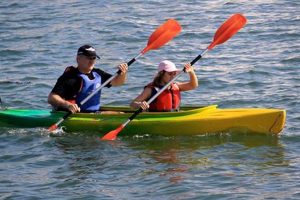
A physician specializing in aquatic sports medicine addresses the unique health concerns of kayakers. This medical professional might treat overuse injuries like carpal tunnel syndrome or rotator cuff tendinitis, as well as conditions related to prolonged sun exposure and immersion in cold water. For instance, they might advise on proper paddling technique to prevent injury or offer treatment for hypothermia.
Access to this specialized medical expertise is essential for maintaining the health and well-being of individuals engaged in kayaking. This specialized field has evolved alongside the growing popularity of paddlesports to address the specific physiological demands and potential hazards associated with this activity. By focusing on prevention and treatment, these specialists contribute significantly to kayakers’ ability to enjoy the sport safely and for extended periods.
The following sections delve further into the specific types of injuries commonly seen in kayaking, preventative measures paddlers can take, and the latest advancements in treatment options provided by these specialized medical professionals. This information is intended for educational purposes and should not be substituted for professional medical advice.
Kayaking Safety and Injury Prevention Tips
Maintaining health and preventing injuries are paramount for enjoying kayaking. The following recommendations offer guidance on minimizing risks and promoting safe paddling practices.
Tip 1: Proper Paddling Technique: Employing correct technique reduces strain on joints and muscles. Maintaining a vertical paddle shaft and engaging core muscles promotes efficient paddling and minimizes risk of overuse injuries.
Tip 2: Appropriate Gear: Utilizing well-fitting kayaks and paddles customized to individual body types enhances comfort and control, reducing the likelihood of strain and discomfort.
Tip 3: Warm-up and Stretching: Preparing the body through dynamic stretching before kayaking improves flexibility and reduces the risk of muscle pulls and strains. Focus on movements that mimic paddling actions.
Tip 4: Hydration and Sun Protection: Consistent hydration and proper sun protection are crucial, especially during prolonged outings. Dehydration and sunburn can significantly impact performance and overall health.
Tip 5: Awareness of Weather Conditions: Checking weather forecasts before embarking on a kayaking trip and adapting plans accordingly minimizes exposure to hazardous conditions such as strong winds, lightning, or rapidly changing temperatures.
Tip 6: Safety Equipment: Carrying essential safety gear, including a personal flotation device (PFD), whistle, and first-aid kit, enhances preparedness for unforeseen circumstances.
Tip 7: Gradual Progression: Gradually increasing paddling distance and intensity allows the body to adapt, minimizing the risk of overuse injuries. Avoid pushing beyond physical limits, especially when starting out.
Tip 8: Regular Medical Check-ups: Consult a physician specializing in sports medicine for personalized guidance on injury prevention and management, especially if pre-existing conditions exist.
By adhering to these guidelines, paddlers can significantly reduce the risk of injury and ensure a safer, more enjoyable experience on the water.
This information offers general guidance and should not replace professional medical advice. Consulting with a qualified healthcare provider is crucial for personalized recommendations and treatment plans.
1. Paddle-Related Injuries

Paddle-related injuries represent a significant concern within kayaking and a core focus for physicians specializing in this area of sports medicine. The repetitive motions and stresses inherent in paddling can lead to a range of musculoskeletal problems. These injuries often manifest as overuse syndromes affecting the shoulders, wrists, elbows, and back. For example, rotator cuff tendinitis, carpal tunnel syndrome, and epicondylitis (tennis elbow) are frequently observed in kayakers. Understanding the biomechanics of paddling, coupled with individual paddling styles and equipment choices, allows a kayak MD to diagnose and treat these conditions effectively.
The importance of addressing paddle-related injuries extends beyond immediate pain relief. Untreated, these conditions can become chronic, limiting a kayaker’s ability to participate in the sport and potentially impacting overall quality of life. A kayak MDs expertise lies in identifying the root causes of these injuries, whether related to improper technique, ill-fitting equipment, or underlying biomechanical issues. This knowledge allows for the implementation of targeted treatment plans, including rest, physical therapy, bracing, medication, and in some cases, surgical intervention. A practical example involves a kayaker presenting with shoulder pain. A kayak MD might assess paddling technique, recommend modifications, and prescribe exercises to strengthen supporting muscles, preventing further injury and facilitating a return to paddling.
Effective management of paddle-related injuries requires a comprehensive approach encompassing prevention, diagnosis, and treatment. Kayak MDs play a crucial role in educating kayakers about proper paddling techniques, equipment selection, and the importance of warm-up and stretching. Early diagnosis and intervention are key to mitigating long-term consequences. This specialized knowledge allows kayakers to continue enjoying their sport safely and minimizes the impact of these common injuries. Challenges remain in raising awareness among kayakers about the potential for these injuries and encouraging proactive preventative measures. Continued research into paddling biomechanics and injury prevention strategies will further enhance the ability of kayak MDs to provide optimal care.
2. Cold Water Immersion

Cold water immersion presents significant risks to kayakers, necessitating specialized medical understanding. Physicians knowledgeable in this area possess expertise in preventing, recognizing, and treating conditions associated with prolonged exposure to cold water. This knowledge is crucial for mitigating the potentially life-threatening consequences of cold water immersion incidents.
- Hypothermia
Hypothermia, a dangerous drop in core body temperature, poses a severe threat in cold water kayaking accidents. A kayak MD recognizes the subtle and overt symptoms of hypothermia, ranging from shivering and confusion to loss of consciousness. Rapid diagnosis and treatment are essential for preventing irreversible organ damage or death. Treatment strategies include removing wet clothing, providing external warmth, and administering warm intravenous fluids. Understanding the physiological mechanisms of hypothermia enables a kayak MD to tailor treatment to the individual’s specific condition and maximize chances of survival.
- Cold Water Shock
Sudden immersion in cold water can trigger cold water shock, an immediate physiological response involving rapid breathing, increased heart rate, and potential loss of motor control. This initial reaction can lead to panic and increase the risk of drowning. Kayak MDs emphasize the importance of wearing appropriate personal flotation devices (PFDs) and maintaining composure in cold water situations. Understanding the physiological basis of cold water shock allows for the development of effective safety protocols and educational materials for kayakers.
- Post-Immersion Complications
Even after rescue from cold water immersion, individuals remain at risk for complications such as aspiration pneumonia and non-freezing cold injuries. Kayak MDs provide specialized care addressing these potential after-effects. For instance, they might prescribe antibiotics for respiratory infections or recommend specific wound care protocols for non-freezing cold injuries. This specialized knowledge is essential for mitigating long-term health consequences following cold water incidents.
- Preventive Measures
Prevention remains a primary focus. Kayak MDs educate paddlers about the risks of cold water immersion and emphasize the importance of appropriate clothing, including drysuits or wetsuits, as well as the use of safety equipment and adherence to safe paddling practices. Understanding the factors contributing to cold water incidents, such as weather conditions and water temperature, allows for the development of effective prevention strategies and promotes safer kayaking practices.
The expertise of a physician specializing in kayaking extends beyond treating immediate emergencies. They provide comprehensive guidance on preventing cold water incidents, recognizing early signs of hypothermia and other related conditions, and managing long-term health consequences. This specialized knowledge is vital for ensuring the safety and well-being of individuals engaged in kayaking, particularly in cold water environments. Further research into cold water physiology and the development of improved safety equipment and rescue protocols continue to enhance the ability of kayak MDs to provide effective care and minimize the risks associated with cold water immersion.
3. Sun Exposure Risks

Prolonged sun exposure inherent in kayaking presents significant health risks, necessitating specialized medical attention. Physicians familiar with these risks possess the expertise to educate kayakers on preventative measures, diagnose sun-related conditions, and provide effective treatment. This understanding is crucial for mitigating the long-term consequences of excessive sun exposure, including skin cancer and premature aging.
The reflective nature of water intensifies sun exposure, increasing the risk of sunburn and long-term skin damage. Kayakers often experience extended periods under direct sunlight, compounding these risks. A physician specializing in kayaking understands these unique challenges and emphasizes the importance of protective measures such as sunscreen application, wearing appropriate clothing, and seeking shade when possible. For instance, they might recommend broad-spectrum sunscreen with a high SPF, reapplied regularly, and advise on the use of UV-protective clothing and hats. Early detection of skin cancer is paramount. Regular skin self-exams and annual dermatological check-ups are crucial for identifying suspicious lesions early, increasing treatment success rates. A physician knowledgeable in this area can provide guidance on performing skin self-exams and recognizing potential warning signs.
Addressing sun exposure risks within the context of kayaking requires a comprehensive approach. Educating kayakers on preventative measures remains a primary focus, empowering individuals to protect themselves effectively. Early detection and prompt treatment of sun-related conditions minimize long-term health consequences. Challenges persist in raising awareness among kayakers about the cumulative effects of sun exposure and encouraging consistent adherence to protective measures. Continued research into effective sun protection strategies and advancements in skin cancer treatment will further enhance the ability of medical professionals to safeguard the health of kayakers. Integrating sun safety practices into overall kayaking safety protocols ensures a more sustainable and enjoyable experience on the water.
4. Overuse Injuries

Overuse injuries represent a significant concern for kayakers, often necessitating the expertise of a physician specializing in paddling-related musculoskeletal conditions. The repetitive nature of kayaking, combined with potential biomechanical imbalances and improper technique, can lead to a range of chronic injuries. Understanding the causes, symptoms, and treatment options for these injuries is crucial for both preventing their occurrence and ensuring effective management when they arise. A physician specializing in kayaking possesses the knowledge and experience to address these specific challenges and guide kayakers toward recovery and sustained participation in the sport.
- Rotator Cuff Tendinopathy
Rotator cuff tendinopathy, a common overuse injury in kayaking, involves inflammation or degeneration of the tendons surrounding the shoulder joint. Repeated paddling motions can strain these tendons, leading to pain, weakness, and limited range of motion. A physician specializing in kayaking can diagnose this condition through physical examination and imaging studies. Treatment often involves rest, ice, compression, physical therapy, and targeted exercises to strengthen the rotator cuff muscles. For example, a kayak MD might prescribe specific stretches and strengthening exercises to address weaknesses contributing to the tendinopathy.
- Carpal Tunnel Syndrome
Carpal tunnel syndrome, another frequent overuse injury in kayaking, arises from compression of the median nerve within the carpal tunnel of the wrist. Gripping the paddle repetitively can exacerbate this condition, causing numbness, tingling, and pain in the hand and fingers. A physician specializing in kayaking understands the biomechanics of paddling and its impact on the wrist. Treatment options may include wrist splints, ergonomic paddle modifications, and corticosteroid injections. In severe cases, surgical intervention might be necessary to relieve nerve compression. A kayak MD might recommend specific paddle grips or techniques to minimize pressure on the median nerve.
- Epicondylitis (Tennis and Golfer’s Elbow)
Epicondylitis, commonly known as tennis elbow (lateral epicondylitis) or golfer’s elbow (medial epicondylitis), involves inflammation of the tendons that attach to the bony prominences on the outside and inside of the elbow, respectively. Repetitive paddling motions can strain these tendons, resulting in pain and tenderness around the elbow joint. A physician specializing in kayaking recognizes the specific movements involved in paddling that can contribute to epicondylitis. Treatment typically involves rest, ice, bracing, physical therapy, and exercises to strengthen the forearm muscles. A kayak MD might advise on modifying paddling technique to minimize stress on the affected tendons.
- Back Pain
Back pain in kayakers can stem from various factors, including prolonged sitting, improper posture, and repetitive twisting motions. Muscle strains, ligament sprains, and disc herniations can contribute to back pain in paddlers. A physician specializing in kayaking considers the specific demands of the sport and assesses posture, flexibility, and core strength to determine the underlying cause of back pain. Treatment approaches might involve physical therapy, core strengthening exercises, ergonomic adjustments to the kayak, and pain management strategies. A kayak MD might recommend exercises to improve core stability and posture, reducing strain on the back during paddling.
These overuse injuries highlight the importance of seeking specialized medical care from a physician familiar with the biomechanics and physiological demands of kayaking. Early diagnosis and intervention are crucial for preventing chronic pain and disability. A physician specializing in kayaking plays a vital role in guiding kayakers toward appropriate treatment, rehabilitation, and injury prevention strategies, ultimately promoting long-term participation in the sport and maintaining overall musculoskeletal health. Further research into paddling biomechanics and injury prevention techniques continues to enhance the ability of these specialized physicians to provide comprehensive care for kayakers.
5. Hypothermia Treatment

Hypothermia, a potentially life-threatening condition characterized by a dangerously low body temperature, presents a significant risk to kayakers, particularly in cold water environments. Rapid recognition and effective treatment of hypothermia are crucial for preventing serious complications or fatalities. A physician specializing in kayaking possesses the expertise to diagnose and manage hypothermia in kayakers, integrating knowledge of cold water physiology, first aid protocols, and advanced medical interventions.
- Initial Assessment and First Aid
Upon encountering a potential hypothermia case, a kayak MD or trained first responder conducts a rapid assessment, checking for vital signs such as pulse, respiration, and level of consciousness. Immediate removal from the cold environment and removal of wet clothing are paramount. Basic first aid measures include providing insulation with blankets or dry clothing and sheltering the individual from wind and further cold exposure. For example, a kayak MD might initiate basic life support if necessary and prepare for transport to a medical facility. Timely and appropriate first aid interventions significantly influence outcomes in hypothermia cases.
- Medical Management of Mild to Moderate Hypothermia
For mild to moderate hypothermia, treatment focuses on passive external rewarming, involving wrapping the individual in warm blankets and providing warm, non-alcoholic beverages if conscious and able to swallow. A kayak MD monitors vital signs and core body temperature continuously. In a medical setting, warm intravenous fluids may be administered to facilitate rewarming. Careful monitoring is essential to avoid complications such as cardiac arrhythmias during the rewarming process. For example, a kayak MD adjusts rewarming strategies based on the severity of hypothermia and the individual’s response to treatment.
- Advanced Treatment for Severe Hypothermia
Severe hypothermia requires more aggressive interventions. A kayak MD might employ active external rewarming techniques such as forced-air warming systems or warmed blankets. In critical cases, active internal rewarming methods like heated humidified oxygen, warmed intravenous fluids, or extracorporeal rewarming (e.g., cardiopulmonary bypass) might be necessary. These advanced life-support measures aim to rapidly restore core body temperature and stabilize vital functions. For instance, a kayak MD collaborates with a medical team to provide advanced life support in severe hypothermia cases.
- Post-Rewarming Care
Even after core body temperature returns to normal, careful monitoring and supportive care are essential. Individuals recovering from hypothermia may experience complications such as cardiac arrhythmias, respiratory problems, kidney failure, and neurological deficits. A kayak MD provides comprehensive post-rewarming care, addressing these potential complications and ensuring ongoing monitoring of vital signs and organ function. For example, a kayak MD might prescribe medications to manage cardiac arrhythmias or initiate dialysis if kidney function is compromised. Continued monitoring and supportive care optimize recovery and minimize long-term health consequences.
The expertise of a physician specializing in kayaking encompasses not only the immediate treatment of hypothermia but also a deep understanding of cold water physiology, preventative measures, and long-term health considerations related to cold water immersion. This specialized knowledge allows for comprehensive management of hypothermia cases, from initial first aid interventions to advanced medical interventions and post-rewarming care. Further research into hypothermia treatment protocols and advancements in rewarming technologies continue to enhance the ability of kayak MDs to provide effective care and improve outcomes for kayakers experiencing this potentially life-threatening condition.
6. Concussion Management
Concussion management represents a crucial aspect of care provided by physicians specializing in kayak-related injuries. While kayaking may not be immediately associated with high-impact head injuries, the potential for concussions exists due to falls, collisions with rocks or other objects, or even forceful impacts from paddles or equipment. Rapid and accurate concussion assessment, coupled with appropriate management strategies, is essential for minimizing potential long-term neurological consequences. A physician knowledgeable in concussion management within the context of kayaking provides specialized care, addressing the unique challenges and considerations associated with this sport.
- On-the-Water Assessment
Immediate on-the-water assessment following a suspected head injury is critical. A kayak MD or trained first responder assesses the individual’s level of consciousness, responsiveness, and presence of neurological symptoms. Basic first aid measures might include stabilizing the head and neck, ensuring adequate airway and breathing, and monitoring for any changes in neurological status. Prompt removal from the water and transport to a medical facility are often necessary. For instance, if a kayaker experiences a head injury after capsizing, fellow paddlers trained in first aid should initiate an on-the-water assessment and prioritize safe removal from the water.
- Sideline Concussion Testing
Sideline concussion testing plays a crucial role in determining the severity of a head injury. A kayak MD utilizes standardized assessment tools such as the Sport Concussion Assessment Tool (SCAT5) to evaluate cognitive function, balance, and coordination. These tests aid in differentiating a concussion from other potential injuries and establishing a baseline for monitoring recovery. For example, a physician might administer balance tests and cognitive assessments to gauge the extent of neurological impairment.
- Return-to-Play Protocols
Gradual return-to-play protocols are essential for minimizing the risk of prolonged concussion symptoms or recurrent injury. A kayak MD guides kayakers through a stepwise progression of activity, starting with light aerobic exercise and gradually increasing intensity and complexity as symptoms allow. Strict adherence to these protocols, combined with ongoing monitoring of symptoms, optimizes recovery and reduces the risk of long-term complications. For instance, a kayaker might begin with short walks and gradually progress to paddling in calm water before returning to more challenging kayaking environments.
- Long-Term Concussion Management
Some individuals experience persistent concussion symptoms, necessitating ongoing medical care. A kayak MD provides comprehensive management for post-concussion syndrome, addressing symptoms such as headaches, dizziness, cognitive difficulties, and emotional changes. Treatment strategies might include cognitive rehabilitation, vestibular therapy, medication management, and psychological support. For example, a physician might refer a kayaker to specialists in neuropsychology or physical therapy for targeted rehabilitation. Continued monitoring and support are essential for managing the long-term effects of concussion and facilitating a safe return to normal activities, including kayaking.
Concussion management within the context of kayaking underscores the importance of seeking specialized medical care from a physician familiar with the potential risks and appropriate management strategies for head injuries in this sport. Prompt assessment, appropriate treatment, and adherence to return-to-play protocols are essential for minimizing the impact of concussions and ensuring the long-term health and well-being of kayakers. Continued education and research into concussion prevention and management further enhance the ability of kayak MDs to provide comprehensive care and promote safe paddling practices.
7. First aid/CPR knowledge

Possessing comprehensive first aid and CPR knowledge is crucial for physicians specializing in kayak-related injuries. The remote nature of many kayaking environments often necessitates immediate on-site medical intervention before professional emergency medical services can arrive. A kayak MD’s ability to provide prompt and effective first aid can significantly impact outcomes in emergency situations, such as near-drowning incidents, severe hypothermia, or traumatic injuries. This expertise extends beyond basic first aid protocols, encompassing specialized knowledge relevant to kayaking-specific emergencies, including cold water immersion incidents and paddle-related injuries. For instance, a kayak MD might need to perform CPR on a kayaker rescued from a cold water capsize or manage a severe laceration sustained from contact with a submerged object. The practical significance of this understanding lies in the potential to stabilize a patient’s condition, minimize further injury, and improve the likelihood of a positive outcome before transport to a medical facility.
The importance of first aid/CPR knowledge as a component of a kayak MD’s skill set extends beyond immediate emergency response. This knowledge informs preventative strategies, allowing the physician to educate kayakers about potential hazards and equip them with basic first aid skills. A kayak MD might conduct workshops or provide educational materials on self-rescue techniques, basic wound care, and recognizing signs of hypothermia or other medical emergencies. This proactive approach empowers kayakers to respond effectively in unforeseen situations and promotes a culture of safety within the kayaking community. Real-life examples underscore the practical value of this knowledge. A kayaker trained in basic first aid might be able to effectively manage a fellow paddler’s bleeding following a capsize, preventing excessive blood loss before professional help arrives. Similarly, knowledge of CPR could prove life-saving in a near-drowning scenario. These practical applications demonstrate the direct link between first aid/CPR knowledge and improved safety outcomes in kayaking.
The integration of first aid/CPR knowledge into the skill set of a kayak MD represents a crucial element of comprehensive care for kayakers. This expertise enables prompt and effective on-site intervention in emergency situations, informs preventative strategies, and empowers kayakers with essential safety skills. Challenges remain in ensuring widespread access to first aid/CPR training within the kayaking community and promoting ongoing skill development among both medical professionals and recreational paddlers. Addressing these challenges enhances safety standards and fosters a culture of preparedness within the sport, ultimately minimizing risks and promoting positive outcomes in kayaking-related medical emergencies.
Frequently Asked Questions
This section addresses common inquiries regarding kayaking-related health concerns, providing factual information and dispelling misconceptions.
Question 1: How can proper paddling technique prevent injuries?
Correct paddling technique minimizes strain on joints and muscles. Engaging core muscles and maintaining a vertical paddle shaft distributes the workload efficiently, reducing the risk of overuse injuries such as rotator cuff tendinitis or carpal tunnel syndrome.
Question 2: What are the primary risks of cold water immersion?
Cold water immersion can lead to hypothermia, a dangerous drop in core body temperature. Cold water shock, an immediate physiological response involving gasping and potential loss of motor control, increases the risk of drowning. Non-freezing cold injuries, affecting extremities, can also occur.
Question 3: Why is sun protection crucial for kayakers?
The reflective nature of water intensifies sun exposure, significantly increasing the risk of sunburn and long-term skin damage, including skin cancer. Consistent sunscreen use, protective clothing, and seeking shade when possible are essential preventative measures.
Question 4: What are the common overuse injuries in kayaking?
Repetitive paddling motions can lead to overuse injuries such as rotator cuff tendinopathy, carpal tunnel syndrome, epicondylitis (tennis or golfer’s elbow), and back pain. Proper technique, appropriate equipment, and gradual progression of paddling intensity minimize these risks.
Question 5: How is hypothermia treated in kayakers?
Hypothermia treatment involves immediate removal from the cold environment, removal of wet clothing, and providing external warmth. Medical interventions might include warm intravenous fluids and active rewarming techniques for severe cases.
Question 6: Why is first aid/CPR knowledge important for kayakers?
The remote nature of many kayaking environments necessitates immediate on-site medical intervention before professional help arrives. First aid/CPR knowledge enables prompt response to emergencies such as near-drowning incidents, hypothermia, or traumatic injuries, potentially stabilizing a patient’s condition until professional medical services become available.
Understanding these common concerns promotes safer kayaking practices and encourages informed decision-making regarding health and safety on the water.
The following section provides further resources for kayakers seeking additional information on injury prevention, treatment, and overall health maintenance.
Kayak MD
This exploration of the role of a physician specializing in kayaking injuries has highlighted the importance of specialized medical expertise in promoting safe paddling practices. Addressing key areas such as overuse injuries, cold water immersion risks, sun exposure concerns, concussion management, and the importance of first aid/CPR knowledge underscores the comprehensive nature of this specialized field. Understanding the physiological demands and potential hazards associated with kayaking allows physicians to provide targeted preventative care, accurate diagnoses, and effective treatment strategies for injuries specific to this sport.
The information presented serves as a call to action for both kayakers and medical professionals. Continued emphasis on injury prevention education, ongoing research into paddling biomechanics, and advancements in treatment protocols will further enhance the ability of physicians to provide comprehensive care. Prioritizing safety, seeking appropriate medical guidance when needed, and promoting a culture of preparedness within the kayaking community are essential steps toward ensuring the long-term health and well-being of individuals engaged in this demanding yet rewarding sport. A proactive and informed approach to health and safety allows kayakers to enjoy the sport responsibly while mitigating potential risks.