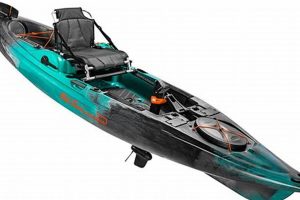
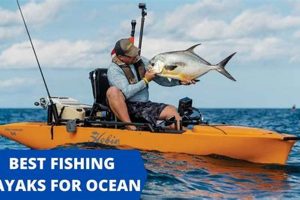
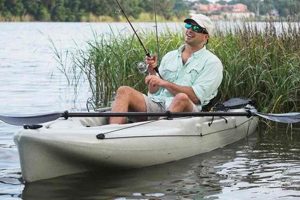
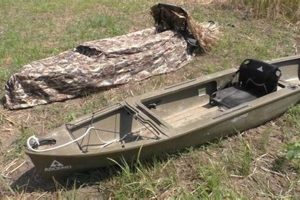
A top-tier fishing kayak represents the pinnacle of design and functionality for anglers seeking an on-the-water experience that maximizes both performance and comfort. Such kayaks typically incorporate features like stability for casting and reeling, ample storage for gear and catches, and specialized design elements catering to fishing-specific needs such as rod holders, fish finders, and live wells. A hypothetical example might include a kayak constructed from high-grade polyethylene with a comfortable, adjustable seat, multiple storage compartments, and a built-in transducer mount.
Selecting a high-quality watercraft optimized for angling significantly enhances fishing success and overall enjoyment. These specialized kayaks offer advantages over generic recreational kayaks through features designed to improve stability, maneuverability, and access to fishing equipment. Historically, fishing kayaks have evolved from basic, modified recreational kayaks to highly specialized vessels with sophisticated features, reflecting the growing popularity and demand for optimized angling experiences. This evolution underscores the importance of carefully choosing the right kayak to meet specific fishing needs and preferences.
This article will delve deeper into the key features that define an exceptional fishing kayak, exploring factors such as hull design, material construction, propulsion systems, and essential accessories. Subsequent sections will offer comparative analyses of various models, providing readers with the knowledge necessary to make an informed decision when selecting their own vessel for optimal on-the-water angling.
Tips for Selecting a Superior Fishing Kayak
Choosing a suitable fishing kayak requires careful consideration of various factors that contribute to on-water performance, comfort, and overall angling success. The following tips provide guidance for navigating the selection process.
Tip 1: Prioritize Stability: A stable hull is paramount for casting, reeling, and landing fish. Wider kayaks and those with a flatter hull design generally offer greater stability, particularly for anglers who prefer to stand while fishing. Consider the intended fishing environment; calmer waters may allow for less stable designs, while open, choppy waters necessitate greater stability.
Tip 2: Evaluate Storage Capacity: Ample storage is essential for tackle boxes, rods, safety gear, and potential catches. Consider the duration and type of fishing trips undertaken; longer expeditions or those targeting larger species will require more storage space. Look for kayaks with various storage compartments, including dry hatches and bungee systems.
Tip 3: Consider Propulsion: Paddle kayaks offer excellent exercise and maneuverability in shallow water, while pedal-powered kayaks allow for hands-free fishing and faster travel over longer distances. Motorized kayaks provide the greatest speed and range, but come with additional cost and maintenance considerations.
Tip 4: Assess Comfort and Adjustability: A comfortable seat and adjustable features like footrests and backrests are essential, especially for longer fishing trips. Look for ergonomic designs that offer adequate support and allow for customization to individual body types.
Tip 5: Factor in Fishing-Specific Features: Dedicated fishing kayaks often include features like rod holders, fish finders, live wells, and anchor trolleys. Consider which features are most important for the targeted fishing style and species.
Tip 6: Choose Durable Materials: Kayaks are constructed from various materials, each with its own strengths and weaknesses. Polyethylene is a common choice due to its durability and affordability, while composites offer lighter weight and greater performance. Consider the intended usage and environment when selecting the material.
By carefully considering these factors, anglers can select a kayak that optimizes on-water performance, comfort, and fishing success, ultimately leading to a more rewarding angling experience.
The following section will offer a concluding perspective on the significance of making an informed decision when selecting a fishing kayak.
1. Stability

Stability stands as a cornerstone characteristic of a superior fishing kayak, directly influencing angler safety, comfort, and fishing effectiveness. A stable platform provides a secure foundation for casting, reeling, and landing fish, especially in challenging conditions. This section explores key facets contributing to kayak stability.
- Hull Design:
Hull design significantly impacts stability. Wider, flatter hulls generally offer greater initial stability, resisting tipping and providing a secure feel. Pontoon-style hulls maximize stability, while narrower, V-shaped hulls prioritize speed and tracking. A well-designed fishing kayak balances stability with maneuverability, catering to the intended fishing environment.
- Center of Gravity:
A lower center of gravity enhances stability. Kayak design, angler weight, and gear distribution all influence the center of gravity. Keeping weight low and centered within the kayak improves balance and reduces the likelihood of capsizing. Kayaks designed with recessed seating positions contribute to a lower center of gravity.
- Secondary Stability:
Secondary stability refers to a kayak’s ability to resist tipping at greater angles of lean. This is crucial when navigating rough water or leaning over to land a fish. Kayaks with rounded or flared hull shapes often exhibit better secondary stability, allowing for confident maneuvering even when tilted.
- Water Conditions:
Environmental factors significantly influence stability. Calm, flat water presents fewer challenges, while wind, waves, and currents require enhanced stability. Anglers should choose a kayak with the appropriate level of stability for their intended fishing environment, prioritizing safety and performance.
Ultimately, stability acts as a crucial factor in selecting the optimal fishing kayak. By understanding the interplay between hull design, center of gravity, secondary stability, and water conditions, anglers can make informed decisions that prioritize safety, enhance fishing performance, and maximize on-the-water enjoyment.
2. Storage

Ample and well-designed storage is integral to a superior fishing kayak, directly impacting organization, efficiency, and overall angling success. Effective storage solutions allow anglers to carry essential gear, keep equipment readily accessible, and transport catches safely. This section explores key facets of storage in high-quality fishing kayaks.
- Capacity:
Sufficient storage capacity is paramount. Longer fishing trips, diverse fishing styles, and larger target species necessitate greater storage volume. Kayaks with large, open storage wells, dedicated tackle compartments, and strategically placed bungee systems offer flexibility and accommodate a wide range of gear.
- Accessibility:
Easy access to stored items is crucial for maintaining fishing momentum and efficiency. Well-placed hatches, readily accessible compartments, and intuitive organization systems minimize disruption and allow anglers to focus on fishing. Recessed storage areas prevent gear from interfering with paddling or casting.
- Security:
Secure storage protects valuable equipment and ensures catches remain safely contained. Dry hatches prevent water intrusion, safeguarding sensitive electronics and personal items. Securely fastened compartments and robust bungee systems prevent gear loss in rough conditions or during unexpected maneuvers.
- Specialization:
Specialized storage solutions cater to specific fishing needs. Dedicated rod holders, tackle box compartments, and live wells enhance organization and streamline fishing processes. These purpose-built features optimize kayak functionality and improve overall angling efficiency.
Effective storage solutions contribute significantly to a positive and productive fishing experience. By carefully considering capacity, accessibility, security, and specialized storage options, anglers can select a kayak that maximizes organization, efficiency, and on-the-water success. A well-organized kayak allows anglers to focus on what matters most: the pursuit of their target species.
3. Propulsion

Propulsion systems represent a critical aspect of fishing kayak selection, directly impacting range, speed, and hands-free fishing capability. Choosing the appropriate propulsion system significantly influences on-the-water efficiency and overall angling experience. This section explores prominent propulsion methods for top-tier fishing kayaks.
- Paddle Power:
Traditional paddle propulsion offers excellent maneuverability, particularly in shallow water or areas with dense vegetation. Paddle kayaks require physical exertion, providing exercise and allowing anglers to navigate tight spaces effectively. This method remains popular for its simplicity, affordability, and quiet operation, minimizing disturbance to fish.
- Pedal Drive:
Pedal-powered kayaks utilize leg muscles for propulsion, freeing hands for fishing activities. Pedal drives offer greater speed and efficiency over longer distances compared to paddling, reducing fatigue and allowing anglers to cover more water. Various pedal systems exist, including propeller-based and fin-driven designs, each with its own advantages and disadvantages in specific water conditions.
- Motorized Kayaks:
Motorized kayaks provide the greatest speed and range, enabling anglers to access distant fishing spots quickly. Electric motors offer quiet operation and environmental friendliness, while gas-powered motors provide greater power and extended range. Considerations for motorized kayaks include battery life or fuel capacity, maintenance requirements, and potential regulations regarding motorized watercraft in specific areas.
- Hybrid Systems:
Some kayaks offer hybrid propulsion systems, combining paddle power with either pedal drives or electric motors. This versatility allows anglers to adapt to changing conditions or personal preferences. For instance, an angler might use an electric motor for long-distance travel and then switch to paddle power for quieter maneuvering in shallow fishing areas.
The choice of propulsion system directly influences the type of fishing experience achievable with a kayak. Careful consideration of intended fishing locations, target species, and personal preferences allows anglers to select the propulsion method that best aligns with their individual needs and maximizes on-the-water effectiveness. Evaluating factors such as speed, range, maneuverability, and physical exertion requirements enables anglers to make informed decisions and optimize their fishing kayak setup.
4. Comfort
Comfort represents a critical factor in evaluating top-tier fishing kayaks, directly influencing angler endurance, focus, and overall enjoyment on the water. Extended fishing trips demand a comfortable and supportive environment to minimize fatigue and maximize fishing effectiveness. This section explores key facets contributing to comfort in high-performance fishing kayaks.
- Seating:
A comfortable and supportive seat is paramount for long hours on the water. High-quality fishing kayaks often feature adjustable seats with ergonomic designs, offering lumbar support and customizable positioning. Features like breathable mesh fabric and adjustable backrests enhance comfort and reduce pressure points, allowing anglers to maintain focus and stamina throughout their fishing trip.
- Footrests:
Adjustable footrests contribute significantly to paddling efficiency and overall comfort. Properly positioned footrests provide leverage for paddling, reducing leg fatigue and improving body posture. Adjustable systems accommodate varying leg lengths and paddling styles, ensuring optimal comfort and performance for individual anglers.
- Standing Platform:
Many high-end fishing kayaks incorporate standing platforms or integrated standing surfaces. These platforms offer increased visibility, enhanced casting range, and the ability to stretch and change positions during long fishing sessions. Stable standing platforms contribute to both comfort and fishing effectiveness.
- Cockpit Design:
A well-designed cockpit contributes to overall comfort and accessibility. Ample legroom, strategically placed storage compartments, and easy access to essential gear enhance comfort and minimize awkward movements. Cockpit design also influences stability and maneuverability, impacting the overall fishing experience.
Comfort features significantly influence angler performance and enjoyment on the water. By prioritizing seating, footrests, standing platforms, and cockpit design, anglers can select a fishing kayak that maximizes comfort, reduces fatigue, and enhances the overall fishing experience. A comfortable angler is a more focused and effective angler, capable of enjoying longer hours on the water and maximizing fishing success.
5. Features

Distinguishing features significantly contribute to a fishing kayak’s performance and overall value. These specialized elements enhance functionality, improve angling efficiency, and cater to specific fishing styles. Careful consideration of these features is essential when selecting a top-tier fishing kayak.
- Rod Holders:
Rod holders are fundamental features, providing secure storage and quick access to fishing rods. Flush-mounted rod holders minimize interference while paddling, while adjustable rod holders allow for customized positioning based on fishing techniques. Multiple rod holders accommodate diverse fishing styles and allow for carrying spare rods.
- Tackle Storage:
Dedicated tackle storage compartments keep essential gear organized and readily accessible. Waterproof compartments protect sensitive electronics and tackle from water damage. Well-designed tackle storage systems maximize efficiency, allowing anglers to quickly locate and deploy necessary equipment without disrupting their fishing flow.
- Fish Finders & Electronics:
Integrated fish finders and transducer mounts allow anglers to locate fish and identify underwater structures. Modern kayaks offer seamless integration with advanced electronics, providing real-time data and enhancing fishing success. Pre-wired power systems and dedicated mounting locations streamline installation and minimize clutter.
- Live Wells & Bait Tanks:
Live wells and bait tanks keep bait fish alive and readily available, crucial for live bait fishing techniques. Aerated live wells ensure baitfish health and longevity. Integrated bait tank systems enhance fishing efficiency and provide a convenient solution for keeping bait fresh and accessible throughout the fishing trip.
These specialized features contribute significantly to the overall performance and value proposition of a high-quality fishing kayak. By carefully considering these features and their relevance to individual fishing styles and preferences, anglers can select a kayak optimized for maximum efficiency, functionality, and on-the-water success. The presence and quality of these features often distinguish a truly superior fishing kayak from more basic models.
6. Durability

Durability represents a critical factor in determining a fishing kayak’s long-term value and suitability for demanding on-water environments. A truly superior fishing kayak must withstand the rigors of regular use, including exposure to various weather conditions, impacts with underwater obstacles, and the general wear and tear associated with transport and storage. Kayak durability directly influences its lifespan, maintenance requirements, and overall cost-effectiveness.
Several factors contribute to kayak durability. Material selection plays a crucial role; high-quality polyethylene offers excellent impact resistance and UV protection, while composites provide superior strength-to-weight ratios. Construction methods, including rotomolding and thermoforming, influence structural integrity and resistance to leaks. Reinforced areas, such as the keel and chines, enhance durability in high-impact zones. For example, a kayak constructed with a multi-layer polyethylene hull and reinforced seams will likely withstand impacts and abrasion better than a single-layer model. Similarly, UV-resistant coatings protect against sun damage, preserving the kayak’s structural integrity and aesthetics over time.
Investing in a durable fishing kayak offers significant long-term benefits. Reduced maintenance requirements minimize downtime and associated costs. A robust construction ensures the kayak remains reliable and functional throughout its lifespan, providing consistent performance in diverse conditions. Ultimately, durability contributes significantly to the overall value proposition of a fishing kayak, ensuring it remains a dependable asset for years of enjoyable angling experiences. A kayak’s ability to withstand harsh conditions and regular use directly influences its long-term cost-effectiveness and contributes substantially to the definition of a truly “best” option on the market.
7. Price

Price serves as a significant factor in the evaluation and selection of fishing kayaks, particularly when aiming for the optimal balance between performance, features, and affordability. While “the best” often implies a premium price point, a comprehensive understanding of pricing dynamics allows for informed decisions aligned with individual budgets and angling needs. Exploring the multifaceted relationship between price and kayak selection empowers consumers to make strategic purchases that maximize value and on-the-water satisfaction.
- Budgetary Constraints:
Establishing a realistic budget is paramount before evaluating kayak options. Budgetary constraints influence the range of kayaks accessible and necessitate prioritizing essential features over less critical ones. For instance, an angler with a limited budget might prioritize stability and storage over advanced electronics or a pedal drive system. Recognizing budgetary limitations allows for focused searches and prevents overspending.
- Value Proposition:
Evaluating a kayak’s value proposition requires considering its features, performance, and durability relative to its price. A higher-priced kayak might offer advanced features and superior construction, justifying the investment for serious anglers seeking long-term performance. Conversely, a budget-friendly kayak might provide adequate functionality for recreational anglers with less demanding needs. Discerning value requires careful analysis of features, materials, and construction quality in relation to the asking price.
- Long-Term Costs:
Considering long-term costs, such as maintenance, repairs, and potential upgrades, contributes to a comprehensive understanding of overall expenses. A seemingly inexpensive kayak might require frequent repairs or lack essential features, leading to higher long-term costs. Conversely, a more expensive, durable kayak with comprehensive features might require less maintenance and offer greater longevity, potentially proving more cost-effective over time. Evaluating potential long-term expenses ensures a realistic assessment of overall investment.
- Market Research:
Thorough market research empowers consumers to identify kayaks offering optimal value within their budget. Comparing prices, features, and reviews across various brands and models reveals potential cost savings and highlights kayaks offering exceptional value for their price point. Leveraging online resources, retailer consultations, and angler communities provides valuable insights and informs purchasing decisions. Thorough research prevents impulsive purchases and maximizes the likelihood of acquiring a kayak that aligns with both budgetary constraints and performance expectations.
Ultimately, understanding the interplay between price and kayak selection enables informed decisions that balance performance, features, and affordability. Recognizing budgetary constraints, evaluating value propositions, considering long-term costs, and conducting thorough market research empowers anglers to choose kayaks that maximize on-the-water satisfaction without exceeding financial limitations. The “best” fishing kayak is not necessarily the most expensive, but rather the one that offers the optimal combination of desired features, performance characteristics, and long-term value within an individual’s budgetary parameters.
Frequently Asked Questions
This section addresses common inquiries regarding the selection and utilization of high-performance fishing kayaks.
Question 1: What differentiates a fishing kayak from a recreational kayak?
Fishing kayaks incorporate specialized features designed for angling, such as rod holders, tackle storage, and often elevated seating positions for improved casting. Recreational kayaks prioritize stability and comfort for general paddling activities.
Question 2: How significant is kayak stability for fishing?
Stability is paramount for fishing kayaks. It ensures angler safety, facilitates casting and reeling, and allows for confident maneuvering, especially in challenging conditions or when landing fish.
Question 3: Which propulsion system is most suitable for fishing kayaks?
The optimal propulsion system depends on individual fishing styles and preferences. Paddles offer maneuverability, pedal drives provide hands-free fishing, and motors offer speed and range. Hybrid systems offer versatility.
Question 4: What factors influence the price of a fishing kayak?
Price is influenced by factors such as materials, features, construction quality, and brand reputation. Advanced features like pedal drives, integrated electronics, and high-end construction materials typically contribute to higher prices.
Question 5: How does kayak durability impact long-term value?
Durability significantly influences a kayak’s lifespan and maintenance requirements. Durable kayaks withstand harsh conditions, minimizing repairs and maximizing long-term value through extended usability.
Question 6: What are the essential features to consider when choosing a fishing kayak?
Essential features include stability, storage capacity, comfortable seating, appropriate propulsion system, fishing-specific features like rod holders and tackle storage, and durable construction from quality materials.
Careful consideration of these frequently asked questions enhances understanding of key factors influencing fishing kayak selection. Prioritizing individual needs and preferences ensures an informed purchase decision and maximizes on-the-water satisfaction.
The subsequent section will offer a concluding summary and recommendations for selecting the ideal fishing kayak based on individual needs and preferences.
The Best Fishing Kayak on the Market
Selecting a top-tier fishing kayak requires careful evaluation of numerous factors. This exploration has highlighted the critical interplay between stability, storage capacity, propulsion systems, comfort features, specialized angling features, durability, and price. Each element contributes significantly to overall performance, angler satisfaction, and long-term value. A thorough understanding of these interconnected aspects empowers informed decision-making.
The pursuit of the optimal fishing kayak represents an investment in enhanced angling experiences. Prioritizing individual needs and preferences, coupled with a comprehensive understanding of market offerings, ensures a successful acquisition. A well-chosen fishing kayak becomes an extension of the angler, facilitating improved performance, increased enjoyment, and a deeper connection with the aquatic environment. This careful selection process ultimately leads to not just a purchase, but an investment in countless future fishing memories.