Determining the ideal kayak involves carefully considering various factors tailored to individual needs and paddling styles. This selection process encompasses evaluating hull design (sit-in, sit-on-top, inflatable), length, width, weight capacity, intended use (recreational, touring, fishing, whitewater), and budget. For example, a longer, narrower kayak is generally preferred for touring and speed, while a shorter, wider kayak offers greater stability for recreational use or fishing.
Choosing the right kayak enhances safety, comfort, and overall paddling experience. A well-matched kayak improves efficiency on the water, enabling paddlers to cover greater distances with less effort and enjoy longer trips. The historical evolution of kayak design, from traditional skin-on-frame boats to modern rotomolded polyethylene and inflatable versions, reflects this ongoing pursuit of improved performance and accessibility.
The following sections will delve into the key factors influencing kayak selection, providing readers with the knowledge necessary to make informed decisions based on their specific paddling goals. Topics covered will include a detailed examination of different kayak types, materials, features, and essential accessories.
Tips for Kayak Selection
Selecting a kayak requires careful consideration of various factors to ensure optimal performance, safety, and enjoyment. The following tips offer guidance through the decision-making process.
Tip 1: Define Paddling Style: Clarify intended use recreational paddling, fishing, touring, or whitewater as this significantly influences hull design and features.
Tip 2: Consider Water Conditions: Evaluate typical paddling environments calm lakes, rivers, or ocean to determine the necessary stability and maneuverability.
Tip 3: Assess Physical Limitations: Factor in physical capabilities and comfort levels when choosing kayak length, width, and weight. Lighter kayaks are easier to transport and handle.
Tip 4: Evaluate Storage Capacity: Consider storage needs for gear, especially for longer touring or fishing expeditions. Kayaks offer various storage compartments and bungee systems.
Tip 5: Determine Budget: Kayaks range in price, influenced by materials, features, and brand. Establish a budget early in the selection process.
Tip 6: Research and Compare Models: Thoroughly research different kayak models and compare specifications, reviews, and pricing before making a purchase.
Tip 7: Test Paddle if Possible: A test paddle provides valuable firsthand experience of a kayak’s stability, maneuverability, and comfort in the water.
By carefully considering these factors, individuals can select a kayak that best suits their specific needs and enhances their overall paddling experience.
The concluding section will offer a summary of key takeaways and emphasize the importance of informed decision-making in kayak selection.
1. Intended Use

Intended use serves as a pivotal factor in determining optimal kayak selection. A clear understanding of paddling goalsrecreational use, fishing, touring, or whitewaterdirectly influences the most suitable kayak design, features, and performance characteristics. Cause and effect relationships exist between intended use and kayak selection. For instance, a recreational paddler seeking stability and comfort on calm lakes benefits from a wider, shorter kayak with a sit-on-top design, facilitating easy entry and exit. Conversely, a kayaker embarking on multi-day touring expeditions requires a longer, narrower kayak designed for speed, efficiency, and ample storage capacity.
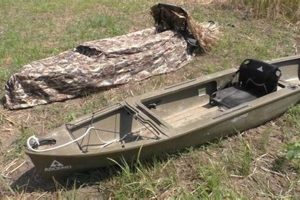
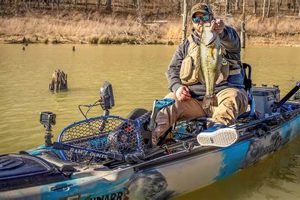
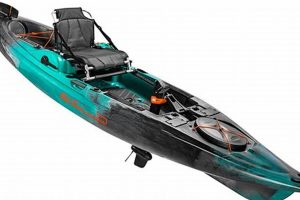
The importance of intended use as a component of optimal kayak selection cannot be overstated. Real-life examples illustrate this connection. A fishing kayak often incorporates specialized features like rod holders, tackle storage, and enhanced stability for casting and reeling. Whitewater kayaks, designed for navigating rapids and turbulent waters, prioritize maneuverability and durability, featuring shorter lengths, reinforced hulls, and specialized seating positions. Disregarding intended use can lead to an unsuitable kayak choice, compromising safety, performance, and overall enjoyment.
The practical significance of understanding the connection between intended use and kayak selection empowers informed decision-making. Recognizing paddling goals clarifies the necessary kayak characteristics, enabling individuals to prioritize features and select a vessel optimized for their specific needs. Failure to consider intended use may result in a kayak ill-suited for the chosen activity, leading to potential difficulties in handling, reduced efficiency, and compromised safety. Prioritizing intended use ensures a harmonious relationship between paddler, kayak, and environment, fostering a rewarding and enjoyable paddling experience.
2. Hull Design
Hull design plays a crucial role in determining a kayak’s performance characteristics and suitability for various paddling environments and activities. Understanding the nuances of different hull designs is essential for selecting the optimal kayak.
- Displacement Hulls
Displacement hulls, characterized by a longer, narrower profile and a defined keel, are designed for efficiency and tracking in open water. These hulls excel in covering long distances with minimal effort, making them ideal for touring and sea kayaking. A prominent V-shape at the bow helps cut through waves and maintain a straight course, while the narrower beam reduces drag. Examples include sea kayaks and touring kayaks.
- Planing Hulls
Planing hulls feature a flatter bottom and wider beam, prioritizing stability and maneuverability over speed. These hulls are designed to rise up and plane on the surface of the water at higher speeds, making them suitable for recreational paddling, fishing, and whitewater. The wider base provides enhanced initial stability, while the flatter bottom allows for quicker turns and maneuverability in confined spaces. Examples include recreational kayaks and whitewater kayaks.
- Pontoon Hulls
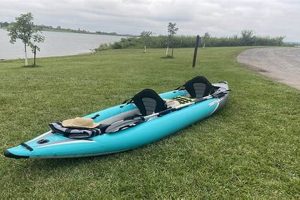
Pontoon hulls utilize two separate inflatable tubes running along the length of the kayak, creating a stable and buoyant platform. This design prioritizes stability, making them suitable for recreational paddling and fishing on calm waters. The inflatable nature of these hulls allows for easy storage and transport. Examples include inflatable kayaks, often chosen for their portability and ease of use.
- Tunnel Hulls
Tunnel hulls incorporate recessed channels or tunnels running along the bottom of the hull. These channels reduce water contact, enhancing speed and tracking while maintaining stability. Tunnel hulls are often found in performance-oriented recreational kayaks and specialized fishing kayaks designed for shallow water access. This design balances speed and stability, providing versatile performance.
The choice of hull design significantly impacts a kayak’s performance in terms of speed, stability, maneuverability, and tracking. Careful consideration of intended use, paddling environment, and desired performance characteristics informs selection of the most appropriate hull design for an optimal kayaking experience. Selecting a kayak with a hull design aligned with specific paddling goals is critical for maximizing efficiency, safety, and enjoyment on the water.
3. Length and Width
Kayak length and width are fundamental determinants of performance, stability, and maneuverability, directly influencing the suitability of a kayak for specific paddling styles and conditions. Understanding the interplay between these dimensions is crucial for informed kayak selection. Longer kayaks generally track straighter and glide more efficiently, while shorter kayaks offer enhanced maneuverability. Wider kayaks provide greater initial stability, while narrower kayaks offer increased speed potential. The optimal length and width depend on the balance between desired stability, speed, and maneuverability.
- Length’s Impact on Tracking and Speed
Length significantly impacts a kayak’s tracking abilityits tendency to maintain a straight courseand its overall speed. Longer kayaks, typically exceeding 12 feet, exhibit superior tracking due to their increased waterline length, requiring less corrective paddling. This efficiency translates to higher speeds over longer distances, making them ideal for touring and open-water paddling. Conversely, shorter kayaks, generally under 10 feet, sacrifice tracking for enhanced maneuverability, allowing for quicker turns and easier navigation in tight spaces like rivers and creeks. A recreational paddler prioritizing leisurely exploration might favor maneuverability over speed, while a long-distance tourer prioritizes efficient tracking and speed.
- Width’s Influence on Stability
Width is a primary determinant of initial stability, referring to a kayak’s resistance to tipping when at rest or paddling at low speeds. Wider kayaks, often exceeding 28 inches, provide a more stable platform, instilling confidence in novice paddlers or those fishing. This added stability comes at the expense of speed and maneuverability, as the wider hull creates greater drag and resistance to turning. Narrower kayaks, typically under 26 inches, feel less stable initially but offer increased speed potential due to reduced drag. Experienced paddlers seeking performance might prioritize a narrower hull, while beginners value the stability of a wider design.
- The Interplay Between Length and Width
The relationship between length and width is complex and interdependent. A long, narrow kayak prioritizes speed and efficiency, while a short, wide kayak emphasizes stability and maneuverability. Finding the right balance between these dimensions is crucial for selecting a kayak suited to individual needs and paddling styles. For example, a long, narrow sea kayak excels in open water touring, while a short, wide recreational kayak is ideal for calm lakes and rivers.
- Choosing the Right Dimensions
Selecting appropriate length and width requires careful consideration of intended use, paddling conditions, and personal preferences. Beginners or those seeking stability might favor shorter, wider kayaks, while experienced paddlers prioritizing speed and efficiency opt for longer, narrower designs. Considering factors like body weight and gear storage also influences the optimal dimensions, as larger paddlers or those carrying substantial gear require kayaks with higher weight capacities and potentially greater volume.
The choice of length and width significantly impacts a kayak’s performance and suitability for various paddling activities and environments. Understanding the interplay between these dimensions empowers informed decision-making, ensuring selection of a kayak optimized for individual needs, paddling style, and desired on-the-water experience. Choosing appropriate dimensions contributes directly to comfort, efficiency, and safety, enhancing overall enjoyment.
4. Weight Capacity

Weight capacity is a critical factor in kayak selection, directly impacting safety, performance, and the overall paddling experience. This specification, representing the maximum combined weight of the paddler, gear, and any additional cargo, dictates the kayak’s stability, buoyancy, and efficient operation. Ignoring weight capacity compromises safety, leading to potential instability, reduced freeboard (the distance between the waterline and the deck), and increased risk of capsizing. Selecting a kayak with appropriate weight capacity is paramount for safe and enjoyable paddling.
The relationship between weight capacity and kayak performance is demonstrable through cause and effect. Exceeding the specified weight capacity submerges the hull excessively, increasing drag and reducing maneuverability. This negatively impacts tracking, making the kayak more challenging to control and less efficient in the water. Conversely, choosing a kayak with ample weight capacity ensures optimal performance, maintaining appropriate freeboard, efficient tracking, and responsive handling. Real-world scenarios illustrate this connection. A kayak overloaded with camping gear on a multi-day trip will sit lower in the water, impacting its speed and maneuverability. In contrast, a kayak with appropriate weight capacity for the paddler and their fishing gear will provide a stable platform for casting and reeling.
The practical significance of understanding weight capacity lies in informed decision-making. Accurately assessing the combined weight of paddler, gear, and anticipated cargo enables selection of a kayak with appropriate capacity, maximizing safety and performance. This understanding empowers informed choices, preventing potentially hazardous situations due to overloading. Choosing the right weight capacity ensures an enjoyable and safe paddling experience by maintaining optimal performance and minimizing risks associated with instability. Beyond mere numbers, weight capacity translates to confident paddling, efficient performance, and peace of mind on the water.
5. Material and Durability

Material and durability are integral considerations in kayak selection, significantly influencing a kayak’s lifespan, performance, and maintenance requirements. The chosen material dictates resistance to impact, abrasion, UV degradation, and overall structural integrity. Understanding the properties of various kayak materials empowers informed decision-making, aligning material choice with paddling environment, usage frequency, and storage considerations.
- Polyethylene (Rotomolded)
Rotomolded polyethylene is the most prevalent material in recreational and touring kayaks, offering a balance of durability, affordability, and impact resistance. Its resilience makes it suitable for navigating rocky shorelines and enduring accidental impacts. Rotomolded kayaks require minimal maintenance and withstand diverse environmental conditions, making them ideal for frequent use and varied paddling environments. Examples include recreational kayaks designed for lakes and rivers.
- High-Density Polyethylene (HDPE)
HDPE is a higher-grade polyethylene offering enhanced durability and stiffness compared to standard polyethylene. This material withstands greater impacts and abrasion, making it suitable for more demanding paddling environments, including whitewater and ocean kayaking. The added durability translates to a longer lifespan, though at a slightly higher price point. Examples include touring and whitewater kayaks.
- Fiberglass
Fiberglass kayaks offer superior performance characteristics, including lighter weight, increased stiffness, and enhanced responsiveness. These kayaks excel in speed and efficiency but require more careful handling and maintenance due to their susceptibility to scratches and cracks. Fiberglass kayaks are often preferred by experienced paddlers seeking performance advantages. Examples include high-performance sea kayaks and racing kayaks.
- Thermoformed ABS
Thermoformed ABS (Acrylonitrile Butadiene Styrene) is a composite material offering a balance of durability, stiffness, and lighter weight compared to rotomolded polyethylene. ABS kayaks are generally more affordable than fiberglass but offer enhanced performance characteristics, making them suitable for recreational paddlers seeking a blend of durability and responsiveness. Examples include recreational and touring kayaks seeking a performance edge.
- Inflatable kayaks (PVC, Hypalon, Nitrylon)
These materials are lightweight, compact and durable enough for recreational paddling. PVC is the most affordable material. Hypalon and Nitrylon are more expensive, but known for higher resistance to UV light, extreme temperatures and abrasion.
The selected material significantly influences a kayak’s durability, performance, maintenance requirements, and overall cost. Aligning material choice with intended use, paddling environment, and budget considerations ensures selection of a kayak optimized for long-term performance, resilience, and enjoyment on the water. Choosing a material that meets the demands of the intended paddling environment directly impacts the kayak’s longevity and overall user experience.
6. Budget and Features

Budget and desired features are inextricably linked in kayak selection, influencing the available options and ultimately shaping the paddling experience. Budgetary constraints often dictate the range of features accessible, impacting performance, comfort, and overall functionality. Recognizing the interplay between budget and features enables informed decision-making, balancing desired functionalities with financial limitations. Cause and effect relationships exist; a higher budget unlocks access to advanced materials, innovative designs, and specialized features, while a limited budget necessitates prioritizing essential features over optional upgrades. The importance of this understanding as a component of optimal kayak selection lies in its ability to guide realistic expectations and facilitate strategic prioritization.
Real-life examples illustrate this connection. A recreational paddler on a limited budget might prioritize stability and durability, opting for a rotomolded polyethylene kayak with basic features. Conversely, an experienced angler with a larger budget can invest in a fishing kayak equipped with rod holders, fish finders, and advanced seating systems. Similarly, a long-distance tourer might prioritize lightweight materials, rudder systems, and ample storage, requiring a higher budget allocation. These examples demonstrate how budget influences available features and ultimately shapes the paddling experience, tailoring the kayak to specific needs and priorities.
The practical significance of understanding the budget-feature relationship empowers informed decision-making. Evaluating paddling goals, desired features, and available budget enables informed compromises and strategic prioritization. Recognizing that certain features, like rudder systems or advanced seating, come at a premium allows paddlers to allocate resources effectively. Acknowledging budgetary constraints empowers realistic choices without sacrificing safety or essential functionality. By carefully balancing budget and desired features, individuals can select a kayak that meets their needs and enhances their on-the-water experience without exceeding financial limitations. Informed decision-making ensures satisfaction and long-term enjoyment, maximizing value within budgetary constraints.
Frequently Asked Questions
This section addresses common inquiries regarding kayak selection, offering concise and informative responses to guide informed decision-making.
Question 1: How does kayak length influence performance?
Length affects tracking and speed. Longer kayaks track straighter and glide more efficiently, while shorter kayaks offer enhanced maneuverability.
Question 2: What is the significance of kayak width?
Width primarily determines initial stability. Wider kayaks offer greater stability, while narrower kayaks enhance speed potential. The optimal width depends on the balance between stability and speed requirements.
Question 3: Why is weight capacity crucial in kayak selection?
Weight capacity dictates the maximum load a kayak can safely carry. Exceeding this limit compromises stability, performance, and safety. Selecting a kayak with appropriate weight capacity is paramount.
Question 4: How do different kayak materials compare in terms of durability?
Polyethylene offers excellent impact resistance and durability, while fiberglass provides superior performance but requires more meticulous care. Thermoformed ABS provides a balance between durability and performance.
Question 5: How does budget influence kayak selection?
Budget constraints often dictate available features and materials. A higher budget allows access to advanced materials, designs, and specialized features. Prioritizing essential features within budget constraints ensures an optimal balance.
Question 6: What are the key considerations when choosing between a sit-in and sit-on-top kayak?
Sit-in kayaks offer greater protection from the elements and enhanced paddling efficiency, while sit-on-top kayaks provide easier entry and exit, better suitability for warmer climates, and enhanced stability.
Careful consideration of these frequently asked questions empowers informed kayak selection, aligning individual needs and preferences with appropriate kayak characteristics.
The subsequent section offers concluding remarks and emphasizes the importance of informed decision-making in the kayak selection process.
Conclusion
Determining the most suitable kayak involves a comprehensive evaluation of individual needs, paddling style, and intended use. Factors such as hull design, length, width, weight capacity, material, and budget play crucial roles in this selection process. A thorough understanding of these elements empowers informed decision-making, ensuring a harmonious balance between performance, comfort, and safety. Prioritizing these considerations equips paddlers with the knowledge necessary to choose a kayak optimized for their specific requirements and desired on-the-water experiences.
Informed kayak selection is an investment in an enriching and rewarding paddling journey. A well-chosen kayak enhances enjoyment, fosters confidence, and promotes safe exploration of diverse aquatic environments. Careful consideration of the factors outlined herein ensures a kayak becomes an extension of the paddler, facilitating a deeper connection with nature and a more fulfilling paddling experience. The journey to finding the optimal kayak is an investment in long-term enjoyment and the pursuit of rewarding adventures on the water.