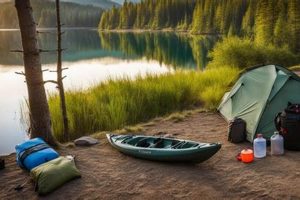
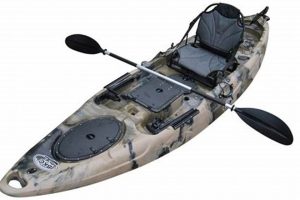
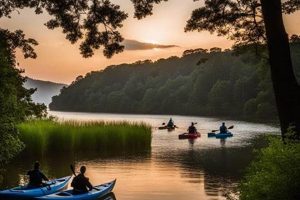
Prime locations for this activity offer a combination of factors that enhance the angling experience from a kayak. These factors include calm, accessible waters with healthy fish populations, suitable launch points, and often scenic beauty. For example, a sheltered bay with a diverse ecosystem and readily available parking would be considered highly desirable.
Choosing an appropriate location is critical for a successful and enjoyable outing. It allows anglers to target specific species while enjoying the tranquility and close-to-nature experience kayaking provides. Historically, kayaks have been used for fishing in various cultures, highlighting the effectiveness and adaptability of this method. The modern resurgence of kayak fishing underscores the growing appreciation for this blend of sport and recreation.
The following sections will explore specific geographic regions renowned for their excellent kayak fishing opportunities, detailing the types of fish commonly found, recommended equipment, and any specific regulations or safety considerations.
Tips for Selecting Prime Kayak Fishing Locations
Strategic location selection is paramount for a productive and enjoyable kayak fishing experience. The following tips offer guidance in identifying suitable locations.
Tip 1: Research Local Regulations. Understanding licensing requirements, catch limits, and any specific area closures is crucial before embarking on a fishing trip. Consulting local fishing authorities or online resources provides necessary information.
Tip 2: Prioritize Safety. Check weather forecasts and water conditions before heading out. Inform someone of the intended fishing location and estimated return time. Carry essential safety equipment, including a personal flotation device, a whistle, and a first-aid kit.
Tip 3: Consider Water Accessibility. Opt for locations with easy launch points, such as boat ramps, shallow shorelines, or designated kayak launch areas. Factor in tides and currents, especially in coastal environments.
Tip 4: Evaluate Fish Species and Habitat. Research the prevalent fish species in the area and their preferred habitats. This knowledge informs tackle choices and fishing techniques, increasing the likelihood of success.
Tip 5: Seek Calm Waters. Sheltered bays, estuaries, slow-moving rivers, and lakes offer calmer conditions compared to open ocean or fast-flowing rivers. Calm waters are generally safer and more conducive to kayak fishing.
Tip 6: Utilize Online Resources and Local Expertise. Leverage online maps, fishing forums, and local tackle shops to gather information about productive fishing spots. Local fishing guides can provide valuable insights and recommendations.
Tip 7: Respect the Environment. Practice catch-and-release whenever possible, minimizing the impact on fish populations. Properly dispose of fishing line and other waste materials, preserving the natural environment for future generations.
By considering these tips, anglers can significantly enhance their chances of a successful and rewarding kayak fishing adventure while prioritizing safety and environmental responsibility.
The following section will provide concluding thoughts on the importance of thoughtful location selection in the pursuit of kayak fishing excellence.
1. Accessible Waters

Accessibility plays a crucial role in determining the suitability of a location for kayak fishing. Ease of entry and exit, navigable waterways, and proximity to fishing grounds significantly influence the overall experience. This section explores the key facets of water accessibility and their impact on selecting prime kayak fishing spots.
- Launch Points
Convenient launch points are essential for a smooth start to any kayak fishing trip. These can include boat ramps, designated kayak launch areas, or even gently sloping shorelines. A readily accessible launch point minimizes the effort required to get on the water and maximizes fishing time. Examples include well-maintained public boat ramps with ample parking or secluded beaches with easy water access. The absence of suitable launch points can make a location impractical, regardless of its other advantages.
- Navigability
Once launched, navigable waterways are critical. Kayaks offer excellent maneuverability, but obstacles like dense vegetation, shallow water, or strong currents can impede progress and limit access to prime fishing areas. Rivers with clear channels, lakes with open expanses, and protected bays offer optimal navigability. Conversely, areas with numerous submerged hazards or extremely shallow water can pose challenges and safety risks.
- Proximity to Fishing Grounds
Accessible waters should ideally provide relatively easy access to productive fishing grounds. Paddling long distances to reach fishing areas can be time-consuming and physically demanding, detracting from the overall experience. Locations where fish congregate near launch points, such as near shoreline structures, drop-offs, or weed beds, offer greater efficiency and fishing opportunities.
- Physical Limitations and Considerations
Accessibility also encompasses considerations for individuals with physical limitations. Locations with adapted launch facilities, stable docks, or shallow-entry points can enable wider participation in kayak fishing. The availability of such facilities broadens access to this recreational activity, ensuring inclusivity and enjoyment for all.
In conclusion, accessible waters are fundamental to successful kayak fishing. Convenient launch points, navigable waterways, proximity to fishing grounds, and considerations for physical limitations contribute significantly to a positive and productive experience. Prioritizing accessibility ensures that anglers can focus on the enjoyment of the sport and the pursuit of their target species.
2. Healthy Fish Populations

Thriving fish populations are a cornerstone of productive kayak fishing destinations. A robust and diverse fish population signifies a healthy aquatic ecosystem, offering anglers increased opportunities for successful catches and a more rewarding experience. Areas with depleted fish stocks due to overfishing, pollution, or habitat degradation provide fewer opportunities and diminish the overall quality of the fishing experience. For example, a river system with abundant bass, trout, or panfish populations naturally attracts kayak anglers seeking these species.
Several factors contribute to healthy fish populations. Clean water, free from pollutants and excessive nutrient runoff, is essential for fish health and reproduction. Adequate habitat, including submerged vegetation, fallen logs, and rocky structures, provides shelter, spawning grounds, and foraging areas. Effective fisheries management practices, such as catch limits, size restrictions, and seasonal closures, play a vital role in maintaining sustainable fish populations. Understanding these factors helps anglers identify locations where fish are likely to thrive.
The presence of healthy fish populations benefits not only anglers but also the broader ecosystem. Fish play integral roles in aquatic food webs, contributing to the overall balance and stability of the environment. Supporting conservation efforts and adhering to responsible fishing practices, such as catch-and-release, ensures the long-term health and sustainability of fish populations and the ecosystems they inhabit. Choosing locations known for their healthy fish populations allows anglers to enjoy the sport while contributing to its preservation.
3. Suitable Launch Points
Suitable launch points are integral to identifying prime kayak fishing locations. Efficient access to the water directly influences the overall fishing experience, impacting both convenience and safety. This section explores the critical facets of suitable launch points and their relationship to successful kayak fishing.
- Accessibility
Ease of access is paramount. Launch points should be readily accessible by vehicle and offer convenient parking. Steep inclines, rugged terrain, or long portages can create logistical challenges, particularly when transporting kayaks and fishing gear. A paved boat ramp with ample parking, for example, provides significantly easier access than a remote shoreline reachable only by a long hike. Locations with accessible launch points minimize pre-fishing exertion, allowing anglers to conserve energy for the activity itself.
- Water Conditions
Calm water conditions at the launch point are crucial for a safe and stable entry and exit. Areas with strong currents, heavy boat traffic, or exposed shorelines can create hazardous launching conditions, particularly for less experienced kayakers. Sheltered coves, protected bays, and slow-moving rivers offer safer and more manageable launch environments. Choosing locations with suitable water conditions at the launch point minimizes risks and contributes to a more enjoyable experience.
- Infrastructure
The presence of supporting infrastructure can significantly enhance the convenience and safety of a launch point. Dedicated kayak launches, floating docks, and well-maintained ramps facilitate easier entry and exit. Additionally, amenities like restrooms, picnic areas, and nearby tackle shops can further enhance the overall experience. While not strictly necessary, these conveniences can contribute to a more comfortable and enjoyable outing.
- Environmental Considerations
Suitable launch points minimize environmental impact. Designated launch areas often incorporate features to protect sensitive shoreline habitats and prevent erosion. Avoiding launching from areas with fragile vegetation or sensitive ecosystems helps preserve the natural environment. Responsible use of launch points demonstrates respect for the surrounding ecosystem and contributes to its long-term health.
In summary, carefully considering launch point suitability is essential for successful kayak fishing. Accessible launch points with calm water conditions, appropriate infrastructure, and minimal environmental impact contribute significantly to a safe, convenient, and enjoyable fishing experience. Prioritizing these factors ensures that anglers can focus on the sport itself and maximize their time on the water.
4. Safe Conditions

Safe conditions are paramount when selecting prime kayak fishing locations. Prioritizing safety ensures an enjoyable and productive experience while mitigating potential risks associated with on-water activities. This section explores key facets of safe conditions and their direct correlation with optimal kayak fishing locations.
- Weather
Favorable weather conditions are fundamental to safe kayak fishing. Calm winds, clear skies, and moderate temperatures contribute to a comfortable and safe environment. Checking weather forecasts before embarking on a fishing trip is crucial. Adverse weather, such as strong winds, thunderstorms, or extreme temperatures, can create hazardous conditions and should be avoided. For example, attempting to kayak fish in high winds increases the risk of capsizing, while lightning storms pose a direct threat to safety. Selecting locations known for generally calm conditions enhances safety and enjoyment.
- Water Conditions
Calm water conditions contribute significantly to safe kayaking. Gentle currents, minimal boat traffic, and clear water visibility improve stability and maneuverability. Avoiding areas with strong currents, heavy boat traffic, or rough water reduces the risk of accidents. Locations such as sheltered bays, slow-moving rivers, or calm lakes generally offer safer water conditions compared to open ocean or fast-flowing rivers. Understanding and respecting water conditions are essential for safe and successful kayak fishing.
- Awareness of Surroundings
Maintaining awareness of surroundings is crucial for safe kayak fishing. Being mindful of other boats, potential hazards like submerged rocks or logs, and changing weather patterns enhances safety. Prioritizing situational awareness allows anglers to react appropriately to unexpected events. For example, recognizing an approaching storm front allows for timely return to shore, while maintaining a safe distance from motorized vessels prevents collisions. Constant vigilance contributes significantly to a safe and enjoyable experience.
- Safety Equipment
Carrying and utilizing appropriate safety equipment is essential for safe kayak fishing. Personal flotation devices (PFDs) are mandatory and should be worn at all times. A whistle, first-aid kit, and communication device, such as a VHF radio or cell phone, are also recommended. Regularly inspecting and maintaining safety equipment ensures its proper functioning in case of emergency. For example, a properly fitted PFD provides essential buoyancy in the event of a capsize, while a communication device enables contact with emergency services if needed. Investing in and utilizing safety equipment demonstrates a commitment to personal safety and responsible boating practices.
In conclusion, prioritizing safe conditions is inextricably linked to selecting the best places to kayak fish. Favorable weather and water conditions, combined with situational awareness and appropriate safety equipment, significantly mitigate risks and contribute to a more enjoyable and successful fishing experience. Choosing locations known for their safe conditions allows anglers to focus on the sport itself, knowing that they have taken appropriate precautions to ensure their well-being.
5. Scenic Beauty

Scenic beauty, while not essential for catching fish, significantly enhances the overall kayak fishing experience. The aesthetic appeal of a location contributes to the enjoyment and tranquility of the outing, transforming a successful fishing trip into a truly memorable experience. The connection between scenic beauty and optimal kayak fishing locations lies in the inherent human appreciation for natural aesthetics and the desire to connect with the environment. Paddling through pristine waters surrounded by breathtaking landscapes elevates the experience beyond simply catching fish. For example, fishing in a crystal-clear alpine lake surrounded by snow-capped mountains offers a vastly different aesthetic experience than fishing in a murky, urban canal, even if both locations hold fish.
The presence of scenic beauty can influence location choices. Anglers often seek locations that offer both productive fishing and visually appealing surroundings. Factors contributing to scenic beauty include water clarity, natural shoreline features, surrounding vegetation, and the presence of wildlife. These elements combine to create an immersive and aesthetically pleasing environment. A secluded cove with lush vegetation, clear turquoise water, and abundant birdlife provides a more enriching experience than a barren, industrialized shoreline, even if the latter offers slightly better fishing opportunities. This preference for scenic beauty underscores the importance of considering aesthetic factors when selecting kayak fishing destinations.
Integrating scenic beauty into the selection process enhances the overall value of the kayak fishing experience. The psychological benefits of connecting with nature, experiencing tranquility, and appreciating natural beauty contribute to a more fulfilling and restorative outing. While catching fish remains a primary objective, recognizing the added value of scenic beauty elevates the experience from a purely sporting activity to a more holistic and enriching engagement with the natural world. Ultimately, choosing locations that offer both productive fishing and scenic beauty maximizes enjoyment and creates lasting memories.
Frequently Asked Questions
This section addresses common inquiries regarding optimal kayak fishing locations, providing concise and informative responses.
Question 1: How does one identify suitable locations for kayak fishing?
Several factors contribute to identifying suitable locations. Key considerations include water accessibility, the presence of healthy fish populations, suitable launch points, safe conditions, and, ideally, scenic beauty. Researching potential locations using online resources, consulting local fishing reports, and contacting local tackle shops can provide valuable insights.
Question 2: What safety precautions should be taken when kayak fishing?
Prioritizing safety is paramount. Always wear a personal flotation device (PFD), check weather forecasts before heading out, inform someone of the intended fishing location and estimated return time, and carry essential safety equipment, including a whistle and a first-aid kit. Understanding and respecting water conditions is crucial for a safe experience.
Question 3: Are there specific regulations regarding kayak fishing?
Regulations vary by location. Researching and adhering to local fishing regulations, including licensing requirements, catch limits, and any area closures, is essential. Consulting local fishing authorities or online resources provides the necessary information to ensure compliance.
Question 4: What equipment is recommended for kayak fishing?
Essential equipment includes a fishing kayak, paddle, PFD, appropriate fishing tackle, and safety gear. Additional accessories, such as a fish finder, rod holders, and an anchor, can enhance the experience. Equipment choices often depend on the target species and the specific fishing environment.
Question 5: How does one choose between freshwater and saltwater kayak fishing locations?
The choice depends on personal preference, target species, and accessibility. Freshwater environments, such as lakes and rivers, offer diverse fishing opportunities, while saltwater environments provide access to different species and unique challenges. Considering personal experience and desired fishing style informs the decision.
Question 6: What resources are available for finding information on specific kayak fishing locations?
Numerous online resources, including fishing forums, online maps, and kayak fishing communities, offer valuable information. Local tackle shops and fishing guides can provide specific insights into local conditions, recommended fishing spots, and prevailing fishing regulations. Leveraging these resources enhances planning and increases the likelihood of a successful outing.
Careful consideration of the factors outlined above contributes significantly to selecting locations best suited for individual needs and preferences. Prioritizing safety and adhering to local regulations ensures a responsible and enjoyable kayak fishing experience.
The subsequent section will offer concluding remarks and summarize key takeaways regarding the selection of optimal kayak fishing locations.
Conclusion
Strategic selection of kayak fishing locations significantly impacts the success and enjoyment of the experience. Careful consideration of factors such as water accessibility, fish populations, launch point suitability, prevailing conditions, and scenic beauty contributes to a more rewarding outing. Prioritizing safety and adhering to local regulations ensures a responsible and sustainable approach to this increasingly popular recreational activity. Understanding the interplay of these elements empowers anglers to make informed decisions and maximize their time on the water.
Thoughtful location selection enhances not only fishing success but also the overall connection with the natural environment. By considering the multifaceted aspects of optimal locations, anglers contribute to the preservation of these valuable resources for future generations. The pursuit of prime kayak fishing destinations represents a pursuit of both sporting achievement and a deeper appreciation for the natural world.