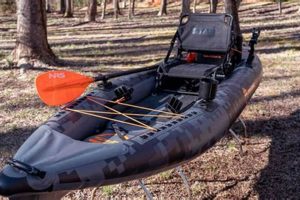
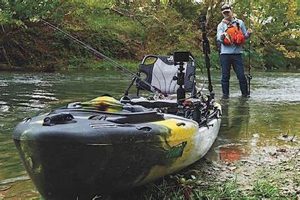
This activity involves angling from a small, human-powered watercraft within the largest estuary in the United States, a richly biodiverse body of water spanning six states and Washington D.C. The Chesapeake Bay offers a unique environment for this pursuit due to its shallow waters, extensive shoreline, and diverse fish populations, including striped bass, speckled trout, and flounder.
Angling from these vessels provides a quiet, low-impact approach that allows access to shallow coves and tributaries often inaccessible to larger boats. This method offers a more intimate connection with the environment and contributes to sustainable fishing practices. Historically, small boats have been utilized for fishing in the region for centuries, demonstrating a long-standing relationship between humans and the Bay’s resources. This modern iteration continues that tradition while promoting environmentally conscious recreation.
The following sections will explore key aspects of this popular activity, including recommended equipment, ideal locations, seasonal considerations, and responsible fishing practices within the Chesapeake Bay ecosystem.
Tips for Chesapeake Bay Kayak Fishing
Successful outings on the Chesapeake Bay require careful planning and preparation. These tips offer valuable insights for enhancing safety and maximizing angling success.
Tip 1: Check Weather and Tide Charts: Consult marine forecasts before embarking. Wind, current, and tide conditions significantly impact kayak navigation and fishing success. Strong winds can create challenging paddling conditions, especially in open water.
Tip 2: Prioritize Safety Equipment: Always wear a personal flotation device (PFD). Carry a whistle, signaling mirror, and waterproof communication device for emergencies. A first-aid kit and essential tools should also be readily accessible.
Tip 3: Choose Appropriate Kayaks and Gear: Select a stable kayak designed for fishing, preferably with rod holders and storage compartments. Use appropriate tackle based on target species and fishing techniques. Light to medium tackle generally suits the Chesapeake’s fish populations.
Tip 4: Understand Local Regulations: Obtain required fishing licenses and familiarize oneself with catch limits, size restrictions, and seasonal closures. This information is crucial for responsible and legal angling practices.
Tip 5: Respect Wildlife and the Environment: Practice catch-and-release whenever possible. Minimize disturbance to nesting birds and other wildlife. Properly dispose of fishing line and other waste to preserve the bay’s ecosystem.
Tip 6: Plan for Navigation: Carry charts, GPS devices, or use navigational apps designed for marine environments. The Bay’s complex shoreline and numerous tributaries can present navigational challenges, especially in low visibility.
Tip 7: Learn Basic Kayak Handling Skills: Prior experience maneuvering a kayak, particularly in varying water conditions, is recommended. Practice essential paddling strokes and self-rescue techniques to ensure a safe and enjoyable experience.
Adhering to these guidelines contributes significantly to a positive and productive experience on the Chesapeake Bay, ensuring angler safety and environmental stewardship. These practices promote responsible enjoyment of this valuable natural resource.
By incorporating these tips into planning and execution, anglers can better appreciate the unique opportunities offered by the Chesapeake Bay, contributing to its long-term preservation and enjoyment.
1. Kayak Selection

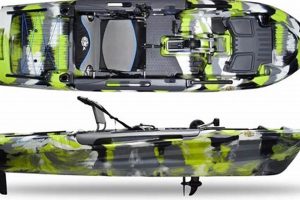
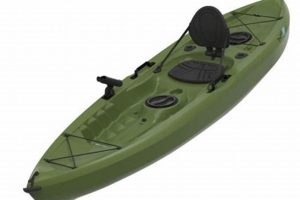
Appropriate kayak selection significantly influences success and safety while fishing the Chesapeake Bay. Choosing the right vessel involves careful consideration of the Bay’s unique environment, target species, and individual angler needs. An informed decision enhances stability, maneuverability, and overall fishing experience.
- Hull Design
Hull design directly impacts stability and maneuverability. Sit-on-top kayaks offer excellent stability and self-bailing capabilities, ideal for calmer waters and novice anglers. Sit-inside kayaks provide better protection from the elements and increased storage capacity but may require more experience to handle. A wider, flatter hull enhances stability, while a longer, narrower hull improves tracking and speed, advantageous for covering larger areas of the Bay.
- Length and Weight Capacity
Kayak length and weight capacity must align with angler size and gear requirements. Longer kayaks typically track straighter and offer more storage, beneficial for longer trips. Weight capacity considers the combined weight of the angler, fishing gear, and potential catch. Exceeding weight capacity compromises stability and performance. Selecting a kayak with ample capacity ensures safety and efficient handling.
- Features and Accessories
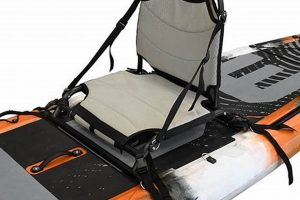
Specialized features enhance fishing functionality. Rod holders, integrated tackle storage, and anchor trolleys streamline fishing processes. Paddle holders and comfortable seating contribute to angler comfort during long hours on the water. These features optimize organization and efficiency, crucial for a productive fishing experience on the Bay’s diverse waters.
- Material and Durability
Kayak material impacts durability, weight, and performance. Polyethylene kayaks offer excellent durability and affordability, suitable for varied conditions. Composite kayaks, while lighter and more responsive, require greater care and are generally more expensive. Considering the Bay’s potential for shallow water and oyster beds, a durable kayak material minimizes the risk of damage and ensures longevity.
Careful evaluation of these factors ensures optimal kayak selection for a successful and enjoyable fishing experience on the Chesapeake Bay. Matching kayak characteristics to individual needs and the Bay’s unique conditions enhances safety, efficiency, and overall angling success.
2. Essential Gear

Appropriate gear is fundamental to a safe and productive kayak fishing experience on the Chesapeake Bay. Proper equipment selection ensures angler preparedness for the Bay’s diverse conditions, target species, and potential challenges. From safety essentials to specialized fishing tools, each item plays a crucial role in maximizing angling success and promoting a responsible approach.
- Safety Equipment
Prioritizing safety is paramount. A personal flotation device (PFD) is non-negotiable and should be worn at all times. A whistle, signaling mirror, and waterproof communication device are crucial for emergencies. A well-stocked first-aid kit addresses minor injuries, while a knife or multi-tool proves invaluable for various tasks. These items contribute to a safe and responsible approach to on-the-water activities.
- Fishing Tackle
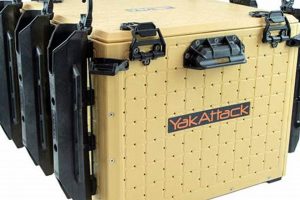
Tackle selection depends on target species and fishing techniques. Rods and reels appropriate for light to medium tackle generally suit the Chesapeake’s fish populations. Lines, hooks, lures, and baits should be chosen based on target species, water depth, and clarity. A tackle box organizes gear and ensures easy access to essential components, optimizing fishing efficiency.
- Navigation and Electronics
Navigating the Chesapeake Bay’s extensive waterways necessitates reliable tools. Charts, GPS devices, or navigational apps assist with route planning and location awareness. A fish finder helps locate fish concentrations and identify underwater structures, significantly increasing angling success. These tools enhance situational awareness and contribute to a more informed and productive fishing experience.
- Kayak Fishing Accessories
Specialized accessories enhance kayak fishing functionality. Rod holders secure rods while paddling or fighting fish. An anchor trolley controls drift and maintains position in desired fishing locations. A landing net assists with retrieving fish safely and efficiently. These specialized tools optimize fishing practices and enhance the overall experience on the Bay.
Careful consideration of these essential gear components contributes significantly to a safe, productive, and enjoyable kayak fishing experience on the Chesapeake Bay. Proper equipment selection ensures angler preparedness, optimizes fishing efficiency, and promotes responsible angling practices within this valuable ecosystem.
3. Location Scouting

Effective location scouting is paramount for successful kayak fishing within the Chesapeake Bay. The Bay’s vastness and diverse habitats necessitate careful planning to identify productive fishing areas. Understanding bathymetry, structure, and prevalent forage species significantly influences angling success. Pre-trip scouting utilizes resources such as nautical charts, online mapping tools, and local fishing reports to pinpoint potential hotspots. For example, areas with submerged oyster beds, drop-offs, or grass flats often attract various fish species. Observing bird activity and baitfish concentrations can further refine location choices during the outing itself, indicating active feeding zones.
The dynamic nature of the Chesapeake Bay ecosystem necessitates considering factors like tides, currents, and water temperature when scouting. Tidal fluctuations influence fish movement and feeding patterns. Strong currents may dictate kayak positioning and fishing techniques. Water temperature affects species distribution and activity levels. Integrating these factors into location scouting maximizes the probability of encountering target species. For instance, fishing near channel edges during a moving tide can prove highly effective for intercepting migrating fish. Conversely, sheltered coves may provide better fishing during periods of strong winds or extreme temperatures.
Successful location scouting translates directly to enhanced angling opportunities and contributes to responsible fishing practices. By focusing efforts on known productive areas, anglers minimize disturbance to sensitive habitats and maximize fishing efficiency. Thorough pre-trip planning combined with on-the-water observation significantly increases the likelihood of a successful and rewarding kayak fishing experience on the Chesapeake Bay. This proactive approach minimizes wasted time searching for fish and promotes sustainable interactions with the Bays resources.
4. Tidal Awareness

Tidal awareness represents a critical element for successful and safe kayak fishing within the Chesapeake Bay. The Bay’s complex tidal patterns significantly influence fish behavior, navigation, and access to shallow-water habitats. Understanding tidal cycles, currents, and their impact on fishing locations directly correlates with angling success and overall safety.
- Current and Fish Behavior
Tidal currents create moving water, impacting fish feeding patterns. Predatory fish often position themselves near structure or along current seams to ambush prey swept along by the tide. Understanding current direction and strength allows anglers to effectively present lures or bait, maximizing opportunities for a successful hookup. Slack tide, the period between ebb and flow, can also present unique fishing opportunities, as fish concentrate in specific areas during these quieter periods.
- Navigation and Access
Tidal fluctuations significantly impact water depth and access to shallow areas. Rising tides open access to creeks, marshes, and flats that may be inaccessible during low tide. Conversely, falling tides can create strong currents in channels and around points, requiring careful navigation. Awareness of tidal stages allows anglers to plan routes, access productive fishing grounds, and avoid becoming stranded in shallow water.
- Safety Considerations
Tidal currents can pose safety risks for kayakers, particularly in narrow channels or open water. Strong currents can quickly push a kayak off course or create challenging paddling conditions. Understanding tidal flow and predicting potential hazards is crucial for safe navigation. Consulting tide charts before venturing out is essential, particularly when fishing unfamiliar areas of the Bay.
- Impact on Fishing Techniques
Tidal variations influence effective fishing techniques. Drift fishing, where bait or lures are carried by the current, can be highly productive during moving tides. Anchoring or using a stake-out pole may be preferred during slack tide or when fishing specific structure. Adapting fishing techniques to the prevailing tidal conditions maximizes chances of success. For example, lighter tackle and slower retrieves might be necessary during slack water compared to heavier tackle and faster retrieves during stronger currents.
Integrating tidal awareness into planning and execution enhances kayak fishing experiences on the Chesapeake Bay. Understanding tidal influences on fish behavior, navigation, and safety contributes to a more productive and rewarding angling experience. By aligning fishing strategies with the Bay’s dynamic tidal rhythms, anglers maximize their chances of success while ensuring a safe and informed approach to this unique ecosystem.
5. Target Species
Targeting specific species is integral to successful kayak fishing within the Chesapeake Bay. Understanding the habits, habitats, and seasonal patterns of desired fish informs equipment choices, location selection, and fishing techniques. This targeted approach maximizes angling efficiency and promotes responsible fishing practices.
- Striped Bass (Rockfish)
Striped bass, locally known as rockfish, represent a highly sought-after species in the Chesapeake Bay. They inhabit a variety of environments, from shallow grass flats to deeper channel edges. Seasonal migrations influence their distribution, with spring and fall offering prime fishing opportunities. Techniques such as trolling, casting lures, and live-lining baitfish prove effective for targeting striped bass. Regulations regarding size limits and seasons apply to ensure sustainable population management.
- Speckled Trout (Spotted Seatrout)
Speckled trout, another prized game fish, inhabit shallow grass beds and oyster bars throughout the Bay. They are ambush predators, readily striking lures and baitfish. Topwater lures, soft plastics, and live shrimp are popular choices for targeting speckled trout. Understanding their preference for ambush points and utilizing appropriate retrieval techniques significantly increases angling success.
- Flounder (Summer Flounder)
Flounder, known for their unique camouflage and bottom-dwelling habits, represent a popular target for kayak anglers. They inhabit sandy or muddy bottoms, often near structures like channels and drop-offs. Drifting with live bait or using jigs and bucktails tipped with soft plastics are effective techniques for targeting flounder. Patience and precise bait presentation are often key to enticing these camouflaged predators.
- Other Species
The Chesapeake Bay supports a diverse fish population beyond these primary targets. Species like bluefish, red drum, black drum, and croaker offer additional angling opportunities. Understanding the preferred habitats and feeding habits of these species allows anglers to diversify their targets and further explore the Bay’s rich ecosystem. Adapting techniques and tackle to suit each species enhances the overall fishing experience. For example, bottom fishing with cut bait proves effective for species like croaker and black drum, while metal lures retrieved quickly can entice aggressive bluefish.
Targeting specific species in the Chesapeake Bay elevates the kayak fishing experience from simple angling to a more engaging and rewarding pursuit. By understanding the nuances of each target species, anglers refine their techniques, increase their chances of success, and develop a deeper appreciation for the Bay’s intricate ecosystem. This knowledge translates to more informed choices regarding location selection, tackle, and presentation, contributing to a more productive and enjoyable experience on the water. Furthermore, a targeted approach encourages responsible fishing practices by focusing efforts on species within legal size and catch limits, ensuring the long-term health and sustainability of the Bay’s fish populations.
6. Safety Procedures

Safety procedures are paramount for kayak fishing within the Chesapeake Bay. The Bay’s dynamic environment, characterized by changing weather, strong currents, and extensive waterways, necessitates a proactive approach to risk management. Adhering to established safety protocols significantly mitigates potential hazards and ensures a positive and productive angling experience.
- Personal Flotation Devices (PFDs)
Wearing a properly fitted PFD is non-negotiable. PFDs provide essential buoyancy in the event of capsizing or accidental immersion, significantly increasing chances of survival. Selecting a PFD designed for paddling comfort and freedom of movement enhances compliance and long-term wearability. The Chesapeake Bay’s unpredictable conditions underscore the critical role of PFDs in ensuring angler safety.
- Weather Monitoring and Trip Planning
Checking marine weather forecasts before embarking is crucial. Sudden changes in wind speed and direction can create challenging paddling conditions, especially in open water. Monitoring weather radar and understanding potential storm development patterns allow for informed decisions regarding launch times and trip duration. Planning alternate routes or early return strategies mitigates risks associated with unexpected weather changes.
- Communication and Signaling Devices
Carrying waterproof communication devices, such as VHF radios or cell phones in waterproof cases, enables communication in emergencies. A whistle and signaling mirror provide additional means of attracting attention if assistance is required. Informing someone on shore of planned fishing locations and estimated return times further enhances safety protocols, enabling prompt response in case of overdue return.
- Navigation and Awareness
Carrying nautical charts or utilizing GPS devices with pre-loaded maps aids navigation, especially in the Bay’s complex network of tributaries and islands. Understanding navigational markers and maintaining awareness of one’s position minimizes the risk of disorientation or grounding in shallow water. Familiarity with local regulations and restricted areas further enhances safe and responsible navigation within the Bay.
Implementing these safety procedures forms a crucial foundation for responsible kayak fishing on the Chesapeake Bay. Prioritizing safety enhances not only personal well-being but also contributes to a more enjoyable and productive angling experience. A proactive approach to risk management allows anglers to fully appreciate the Bay’s unique opportunities while minimizing potential hazards associated with this dynamic environment. By adhering to these guidelines, anglers demonstrate respect for the Bay’s inherent challenges and contribute to a culture of safety within the kayak fishing community.
7. Environmental Respect

Environmental respect forms an integral component of sustainable kayak fishing practices within the Chesapeake Bay. The Bay’s delicate ecosystem, supporting diverse flora and fauna, necessitates a mindful approach to minimize human impact and preserve its ecological integrity. Responsible angling practices demonstrate a commitment to conservation and ensure the long-term health of this valuable resource.
- Minimizing Disturbance
Kayaks offer a low-impact means of navigating the Bay’s shallow waters, minimizing disturbance to sensitive habitats compared to motorized vessels. Paddling quietly and avoiding sudden movements near nesting birds or shallow grass beds reduces stress on wildlife and preserves natural behaviors. Respectful observation of wildlife enhances the overall experience without compromising the ecological balance.
- Catch-and-Release Practices
Practicing catch-and-release whenever possible contributes significantly to fish population sustainability. Handling fish gently, minimizing air exposure, and using appropriate hooks and de-hooking tools reduce stress and injury, increasing post-release survival rates. Selective harvesting within legal limits and size restrictions further supports responsible population management.
- Waste Management and Pollution Prevention
Proper waste disposal is crucial for maintaining the Bay’s water quality. Packing out all trash, including fishing line and discarded tackle, prevents pollution and protects aquatic life. Using biodegradable sunscreen and insect repellent minimizes chemical contamination of the water. Responsible waste management demonstrates a commitment to preserving the Bay’s pristine environment.
- Habitat Preservation
Avoiding anchoring in sensitive areas, such as seagrass beds or oyster reefs, protects vital habitats that support a variety of species. Utilizing designated access points and respecting marked conservation zones minimizes human impact on fragile ecosystems. Educating oneself about the Bay’s unique ecological features fosters a deeper understanding of its vulnerability and the importance of habitat preservation. For example, anchoring on oyster beds damages these crucial filtering organisms and disrupts their role in maintaining water clarity.
Integrating environmental respect into kayak fishing practices demonstrates a commitment to the Chesapeake Bay’s long-term health and sustainability. Responsible angling ensures the preservation of this valuable ecosystem for future generations, allowing continued enjoyment of its diverse resources. By embracing these principles, kayak anglers become active stewards of the Bay, contributing to its ecological integrity and promoting a sustainable balance between human recreation and environmental preservation.
Frequently Asked Questions
This section addresses common inquiries regarding angling from kayaks within the Chesapeake Bay, providing concise and informative responses to facilitate a safe and productive experience.
Question 1: What are the licensing requirements for fishing within the Chesapeake Bay?
Anglers must possess valid fishing licenses issued by the respective states bordering the Bay. Specific license types and regulations vary by state and target species. Consulting state-specific resources provides detailed information regarding license requirements, catch limits, and seasonal closures.
Question 2: Are there specific launch sites recommended for kayak access within the Bay?
Numerous public and private launch sites provide kayak access throughout the Chesapeake Bay region. Selection often depends on target fishing locations and desired amenities. Online resources, local bait and tackle shops, and state park websites offer information on launch site locations, fees, and available facilities.
Question 3: What safety precautions are essential for kayak fishing in this environment?
Wearing a personal flotation device (PFD), carrying communication devices, and checking marine weather forecasts are fundamental safety precautions. Informing someone of planned fishing locations and estimated return times is also highly recommended. Understanding tidal currents and potential navigational hazards further enhances on-the-water safety.
Question 4: What are the most effective fishing techniques for targeting popular species like striped bass within the Chesapeake Bay from a kayak?
Effective techniques for striped bass include trolling, casting lures, and live-lining baitfish. Specific lure choices and retrieval techniques often depend on water depth, clarity, and seasonal fish behavior. Local fishing reports and experienced anglers can provide valuable insights into current successful strategies.
Question 5: What environmental considerations should anglers keep in mind when fishing the Chesapeake Bay?
Minimizing disturbance to wildlife, practicing catch-and-release whenever possible, and adhering to proper waste disposal procedures are essential environmental considerations. Respecting sensitive habitats, such as seagrass beds and oyster reefs, contributes to preserving the Bay’s ecological integrity.
Question 6: What resources are available for obtaining current fishing regulations and information specific to the Chesapeake Bay?
State fisheries agencies, local bait and tackle shops, online fishing forums, and conservation organizations provide up-to-date information on fishing regulations, seasons, and licensing requirements. Consulting these resources ensures compliance with current rules and promotes responsible fishing practices within the Bay’s ecosystem.
Careful consideration of these frequently asked questions enhances angler preparedness and contributes to both a safe and productive kayak fishing experience within the Chesapeake Bay. Informed decision-making and responsible practices ensure the long-term sustainability of this valuable resource.
For further insights into specific aspects of Chesapeake Bay kayak fishing, please consult the resources provided or contact local angling experts.
Kayak Fishing Chesapeake Bay
This exploration has highlighted key aspects of kayak fishing within the Chesapeake Bay, emphasizing the importance of preparation, responsible practices, and respect for this dynamic ecosystem. From kayak selection and essential gear to location scouting, tidal awareness, and target species knowledge, each element contributes significantly to a successful and rewarding experience. Safety procedures and environmental stewardship remain paramount, ensuring both angler well-being and the long-term health of the Bay’s valuable resources.
The Chesapeake Bay offers exceptional opportunities for kayak anglers. Its diverse habitats and abundant fish populations provide a unique and engaging angling experience. However, the Bay’s dynamic nature demands careful planning and a commitment to responsible practices. By embracing informed decision-making, respecting environmental considerations, and prioritizing safety, kayak anglers contribute to the preservation of this valuable ecosystem, ensuring its continued enjoyment for generations to come.