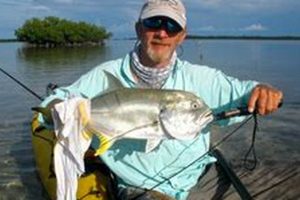
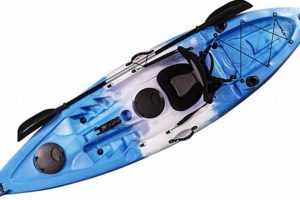
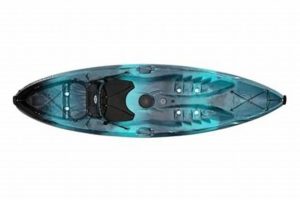
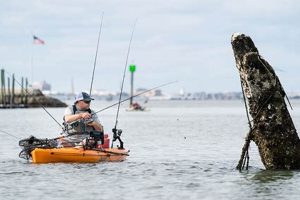
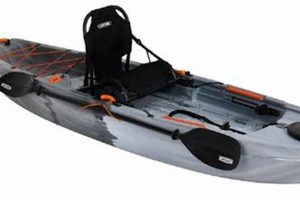
A device designed to secure a paddle to a kayak, typically specialized for fishing, frees the angler’s hands for casting, reeling, and other fishing activities. These devices come in various forms, from simple clips and bungee cords to more complex molded plastic or metal brackets. An example would be a spring-loaded clamp affixed near the cockpit of a fishing kayak.
Secure paddle storage is crucial for kayak anglers. It prevents paddle loss and interference with fishing lines and gear. A secured paddle also reduces noise and movement that could spook fish. Historically, anglers improvised methods to secure paddles, often using bungee cords or rope. The development of purpose-built devices reflects the growing popularity and specialization of kayak fishing. These specialized holders offer increased security and convenience compared to earlier methods.
The following sections delve into the different types of these devices, their installation processes, and selection criteria for various fishing kayaks.
Tips for Choosing and Using Paddle Holders
Selecting and utilizing appropriate paddle storage solutions enhances safety and efficiency on the water.
Tip 1: Consider Kayak Compatibility: Ensure the chosen device is compatible with the kayak’s design and mounting points. Certain kayaks have dedicated mounting areas, while others require more universal solutions.
Tip 2: Evaluate Material and Durability: Opt for robust materials like marine-grade stainless steel or high-impact plastic to withstand harsh conditions. Rust-resistant components are essential for saltwater environments.
Tip 3: Prioritize Secure Locking Mechanisms: Choose a device with a secure locking mechanism to prevent accidental paddle release, especially in rough water or strong currents.
Tip 4: Assess Ease of Access: The holder should allow quick and easy paddle retrieval and storage without requiring complex maneuvering.
Tip 5: Position for Minimal Interference: Place the holder in a location that minimizes interference with fishing lines, casting, and other on-the-water activities. Avoid positioning it near rod holders or other frequently used equipment.
Tip 6: Regularly Inspect and Maintain: Periodically inspect the device for wear and tear. Tighten loose screws and replace any damaged components promptly to ensure continued reliable performance.
Tip 7: Practice Deploying and Stowing: Practice retrieving and securing the paddle before embarking on a fishing trip to become familiar with the device’s operation.
By carefully considering these factors, anglers can choose a device that effectively secures their paddle, enhancing both safety and fishing performance. Proper selection and maintenance contribute to a more enjoyable and productive fishing experience.
This information provides a solid foundation for choosing and using suitable paddle management solutions for fishing kayaks. The concluding section summarizes key takeaways and offers additional resources for further exploration.
1. Secure Storage

Secure storage of a paddle is paramount in kayak fishing, impacting both safety and fishing effectiveness. A dedicated paddle holder provides this security, preventing loss and interference. This section explores the key facets of secure storage within this context.
- Prevention of Loss:
Kayak paddles, particularly high-quality models, represent a significant investment. Securing the paddle minimizes the risk of loss due to accidental slippage, capsizing, or unexpected currents. A secure holder ensures the paddle remains attached to the kayak even in challenging conditions. For example, in strong winds or when navigating through tight spaces, a secure holder provides peace of mind.
- Interference Mitigation:
A loose paddle can interfere with fishing lines, snag on gear, or create unwanted noise. Secure storage eliminates these issues. For instance, a dangling paddle can tangle with a fishing line during casting or reeling, leading to frustration and potentially lost fish. A dedicated holder keeps the paddle clear of the fishing zone.
- Protection of Equipment:
A free-floating paddle can damage the kayak itself or other onboard equipment through impacts or abrasion. Secure storage protects both the paddle and the kayak’s hull. A paddle bouncing around in the cockpit can scratch the kayak’s finish or damage delicate electronic equipment.
- Enhanced Kayak Stability:
A loose paddle can shift the kayak’s center of gravity, potentially impacting stability. Securely storing the paddle contributes to a more balanced and predictable kayak, particularly important in rough water or when standing to cast. This is especially relevant in smaller, more maneuverable fishing kayaks where weight distribution is critical.
These facets of secure storage demonstrate the critical role a dedicated paddle holder plays in enhancing the overall kayak fishing experience. By ensuring the paddle’s safety and preventing interference, these devices contribute to a more efficient, organized, and ultimately, more successful fishing outing. Furthermore, the enhanced safety provided by secure paddle storage allows anglers to focus on fishing without the distraction and potential hazard of a loose paddle.
2. Hands-Free Fishing

Hands-free fishing represents a significant advantage afforded by kayak paddle holders. The ability to stow the paddle securely allows anglers to focus on fishing tasks requiring both hands. This connection between paddle management and hands-free operation is fundamental to the effectiveness of fishing kayaks. Casting, retrieving lures, fighting fish, and landing catches all benefit significantly from unimpeded hand movements. Without a dedicated holder, the paddle becomes an obstacle, hindering these essential actions and reducing overall fishing success. Consider the scenario of battling a strong fish: a loose paddle in the cockpit presents a risk of entanglement and restricts the angler’s ability to maneuver the rod and reel effectively. A secure paddle holder eliminates this challenge, enabling a focused and controlled response.
The practical implications of hands-free fishing extend beyond simply catching fish. It allows for safer handling of fishing gear, including hooks, knives, and other sharp objects. With both hands available, anglers can more safely and efficiently manage these tools, minimizing the risk of accidents. Further, it enables adjustments to fishing lines, tackles, and other equipment without the need to precariously balance the paddle or risk dropping it overboard. For example, changing a lure becomes a seamless operation, maintaining fishing momentum and maximizing time spent with lines in the water. This enhanced efficiency contributes directly to a more productive and enjoyable fishing experience.
In summary, the relationship between hands-free operation and a designated paddle holder is integral to successful kayak angling. It allows for improved casting and retrieval techniques, safer gear handling, and more efficient equipment adjustments. Eliminating the impediment of a loose paddle transforms the fishing experience, allowing anglers to fully focus on the task at hand. This advantage underscores the value and importance of incorporating a well-designed paddle holder into any fishing kayak setup. Addressing the need for hands-free operation contributes significantly to increased safety and overall fishing performance.
3. Gear Organization

Effective gear organization is essential for a productive and enjoyable kayak fishing experience. A dedicated paddle holder plays a crucial role in this organization by securing the paddle and freeing up valuable space within the kayak’s cockpit. This contributes to a clutter-free environment, allowing anglers to focus on fishing rather than managing equipment. A misplaced or loose paddle can create entanglement hazards with fishing lines, rods, and other essential gear. For example, a paddle resting against a rod holder can obstruct access or even cause damage to the rod. By securing the paddle, a dedicated holder mitigates these risks, promoting a more organized and efficient cockpit layout. This organization translates to quicker access to essential tools and tackles, maximizing fishing time and minimizing frustration.
The impact of paddle holder implementation extends beyond simple convenience. Consider the scenario of landing a fish: a clear and organized cockpit allows for safe and efficient handling of the catch. Without the obstruction of a loose paddle, the angler has greater freedom of movement and can focus on safely securing the fish. Furthermore, organized gear storage minimizes the risk of losing or damaging equipment. Small items like lures, hooks, and pliers can easily become dislodged or lost in a cluttered cockpit. A dedicated paddle holder contributes to a more structured storage system, enabling anglers to keep track of their gear and maintain a safe and efficient fishing environment. This organizational structure becomes increasingly important during longer fishing trips or in challenging weather conditions where efficient gear management is paramount.
In conclusion, the contribution of a paddle holder to overall gear organization within a fishing kayak is substantial. By securing the paddle, these devices promote a clutter-free cockpit, enhance safety, and contribute to a more efficient and enjoyable fishing experience. This organization allows anglers to focus on the task at hand, maximizing their time on the water and increasing their chances of success. The practical significance of this organized approach is particularly evident in challenging fishing scenarios, reinforcing the value of incorporating a dedicated paddle holder into any fishing kayak setup. Addressing the need for efficient gear organization enhances both safety and fishing performance.
4. Noise Reduction

Minimizing noise is a critical aspect of successful kayak fishing. Fish are easily spooked by extraneous sounds, and a loose paddle can be a significant source of unwanted noise. A fishing kayak paddle holder addresses this challenge directly, securing the paddle and reducing noise pollution. This connection between noise reduction and paddle security is crucial for enhancing fishing success.
- Paddle Contact with Kayak:
A loose paddle can repeatedly knock against the kayak’s hull, creating a consistent tapping or banging sound. This contact is particularly problematic in shallow water or areas with submerged structures where sound travels efficiently. A paddle holder eliminates this contact noise, allowing anglers to approach fish stealthily. For example, drifting along a quiet shoreline becomes significantly more effective with a secured paddle, maximizing opportunities for catching wary fish.
- Paddle Movement within the Cockpit:
Even slight movements of a loose paddle within the cockpit can generate noise. Shifting water conditions or angler movements can cause the paddle to slide or rattle against other gear. Securing the paddle eliminates these subtle yet potentially disruptive sounds. Consider the scenario of sight fishing in clear water: any noise from a loose paddle could alert the fish and ruin the opportunity for a precise cast.
- Wind Noise Amplification:
A loose paddle can act as a sail, catching wind and generating noise. This effect is amplified in windy conditions, creating a persistent whooshing or flapping sound. A securely held paddle minimizes wind interference, reducing noise and improving overall kayak control. This noise reduction is especially valuable in open water or exposed areas where wind noise can be a significant factor.
- Vibration Transmission:
Vibrations from the kayak’s movement through the water can be transmitted through a loose paddle, creating a humming or buzzing sound. This effect is particularly noticeable in shallow water or when paddling against a current. A secure paddle holder dampens these vibrations, reducing noise transmission and enhancing stealth. In situations requiring precise boat control, such as navigating through shallows or around submerged obstacles, minimizing vibration noise is critical.
By addressing these various sources of noise, a fishing kayak paddle holder contributes significantly to a quieter and more effective fishing experience. The resulting stealth allows anglers to approach fish undetected, increasing their chances of success. This emphasis on noise reduction highlights the important role a paddle holder plays in optimizing the overall fishing kayak setup. Choosing a quiet approach enhances fishing performance and contributes to a more immersive and rewarding experience on the water.
5. Enhanced Safety

Enhanced safety is a critical benefit of using a fishing kayak paddle holder. A secured paddle contributes significantly to a safer kayaking experience, minimizing risks and allowing for more efficient emergency responses. This connection between paddle management and safety is paramount, particularly in dynamic fishing environments. A loose paddle presents various hazards, obstructing movement and potentially causing injury. A dedicated holder mitigates these risks, creating a safer and more controlled cockpit environment. The following facets elaborate on how secure paddle storage enhances safety in various on-the-water scenarios.
- Improved Kayak Control:
A loose paddle can interfere with kayak control, especially during maneuvering in tight spaces or navigating challenging water conditions. It can become entangled with fishing lines or other gear, hindering the angler’s ability to react quickly. A secured paddle allows for unimpeded movement and precise control of the kayak. For example, in strong currents or windy conditions, maintaining precise kayak positioning is crucial for safety, and a secure paddle facilitates this control.
- Faster Emergency Response:
In emergency situations, such as capsizing or encountering unexpected obstacles, quick access to the paddle is essential. A loose paddle can be difficult to locate and retrieve in such situations, potentially delaying a critical response. A dedicated holder ensures the paddle is readily accessible, allowing for a swift and efficient reaction. For instance, if a kayak capsizes, having the paddle readily available is crucial for self-rescue or assisting others.
- Reduced Risk of Injury:
A loose paddle can pose a significant risk of injury. In rough water or during sudden movements, the paddle can strike the angler or become entangled, causing harm. A secured paddle eliminates this risk, promoting a safer environment within the kayak’s cockpit. This is particularly important when fishing in challenging conditions where unexpected movements or impacts are more likely. Consider the scenario of hooking a large fish: a loose paddle can create a hazardous situation, increasing the risk of injury during the fight.
- Clear Cockpit for Navigation:
A cluttered cockpit can hinder movement and create safety hazards. A loose paddle contributes to this clutter, obstructing access to essential gear and potentially interfering with navigation. A dedicated paddle holder keeps the cockpit clear, facilitating safe and efficient movement. This is especially important in low-light conditions or when navigating unfamiliar waters where obstacles may be present. Maintaining a clear cockpit ensures quick access to safety equipment and improves overall situational awareness.
These combined factors demonstrate the significant contribution of a fishing kayak paddle holder to enhanced safety. By securing the paddle, these devices minimize risks, improve kayak control, and facilitate faster emergency responses. This focus on safety enhances the overall kayaking experience, allowing anglers to enjoy their time on the water with greater peace of mind. Investing in a quality paddle holder is a practical step towards promoting a safer and more enjoyable fishing experience. The benefits extend beyond simple convenience, directly impacting the angler’s well-being and ability to respond effectively in challenging situations.
Frequently Asked Questions
This section addresses common inquiries regarding fishing kayak paddle holders, providing concise and informative responses.
Question 1: What are the primary types of fishing kayak paddle holders available?
Common types include clamp-style holders, bungee systems, and flush-mounted receptacles. Each type offers varying degrees of security and convenience, catering to different kayak designs and angler preferences. Clamp-style holders offer versatility, while flush-mounted options provide a streamlined profile. Bungee systems are generally more budget-friendly but may offer less security in rough conditions.
Question 2: How does one choose the right paddle holder for a specific kayak?
Kayak compatibility is paramount. Consider the kayak’s design, available mounting points, and the angler’s fishing style. Some kayaks have dedicated mounting areas, while others require more universal solutions. Evaluate the holder’s material, durability, and locking mechanism to ensure it can withstand the intended fishing environment.
Question 3: Are specialized paddle holders necessary for fishing kayaks, or will generic holders suffice?
While generic holders might function adequately, specialized fishing kayak paddle holders frequently offer features tailored to angling needs. These features may include integrated tool mounts, adjustable positioning for optimized access, and enhanced security mechanisms to withstand the rigors of fishing activities.
Question 4: Can paddle holders be installed on any type of fishing kayak?
Most fishing kayaks accommodate paddle holders. However, installation may require drilling into the hull for certain models. Inspect the kayak’s structure and consult the manufacturer’s guidelines before installation to avoid compromising structural integrity. Adhesive mounts may be suitable for kayaks where drilling is undesirable.
Question 5: How does one maintain a kayak paddle holder to ensure its longevity and functionality?
Regular inspection and maintenance are essential. Rinse the holder with fresh water after each use, especially in saltwater environments. Tighten any loose screws or bolts and lubricate moving parts periodically. Promptly replace any worn or damaged components to maintain optimal performance and safety.
Question 6: What safety precautions should one consider when using a kayak paddle holder?
Ensure the paddle is securely locked in the holder before engaging in any fishing activities. Periodically check the holder’s security during the fishing trip, especially after navigating rough water or encountering strong currents. Practice deploying and stowing the paddle efficiently to minimize disruption and maintain balance.
These responses provide a comprehensive overview of common concerns regarding fishing kayak paddle holders. Choosing and utilizing an appropriate holder enhances safety, improves fishing efficiency, and contributes to a more enjoyable experience on the water.
The next section will offer a comparison of various paddle holder models available on the market.
Fishing Kayak Paddle Holder
Effective paddle management is essential for a safe, efficient, and enjoyable kayak fishing experience. A fishing kayak paddle holder provides a dedicated solution for securing the paddle, minimizing interference, and maximizing fishing performance. This comprehensive exploration has highlighted the multifaceted benefits of incorporating such a device into a fishing kayak setup. From enhanced safety and gear organization to noise reduction and hands-free fishing, the advantages are substantial. Secure paddle storage contributes directly to a more streamlined and productive fishing experience, allowing anglers to focus on the task at hand rather than managing equipment. The examination of various holder types, installation considerations, and maintenance practices provides a practical framework for selecting and utilizing these valuable tools.
The integration of a fishing kayak paddle holder represents a relatively small investment that yields significant returns in terms of safety, efficiency, and overall fishing enjoyment. As kayak fishing continues to grow in popularity, the importance of proper equipment selection and utilization becomes increasingly evident. Choosing a suitable paddle holder contributes not only to individual success but also to the broader promotion of responsible and enjoyable kayaking practices. Investing in this essential piece of equipment signifies a commitment to maximizing both performance and safety on the water, ultimately enriching the overall kayak fishing experience.