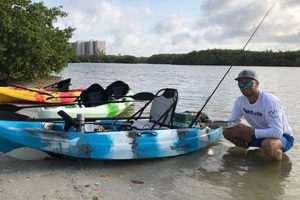
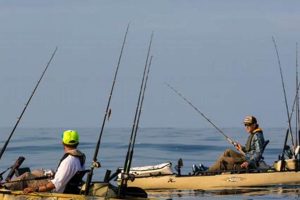
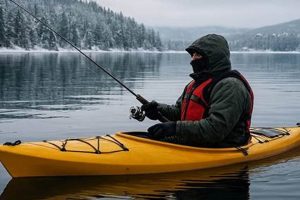
Guidance for angling from a kayak encompasses a broad range of considerations, from selecting appropriate gear and ensuring safety to mastering specialized techniques for casting and landing fish. An example might include advice on choosing a paddle length suited to the angler’s physique and kayak width or recommending specific lures effective for targeting species from a small, mobile platform.
Effective angling from a kayak enhances the fishing experience by allowing access to shallow or otherwise difficult-to-reach waters, offering a stealthy approach for wary fish, and providing a unique perspective on the aquatic environment. Historically, kayaks have been employed for fishing by diverse cultures worldwide, adapting techniques and designs suited to their local waters and target species. This long history demonstrates the enduring effectiveness and appeal of kayak fishing.
This article will delve into key areas crucial for successful and enjoyable kayak angling, covering topics such as equipment selection, safety precautions, paddling and maneuvering techniques, casting and retrieval strategies, fish handling, and responsible angling practices.
Tips for Kayak Angling
Successful kayak fishing requires careful planning and execution. The following tips offer guidance for a safe and productive experience.
Tip 1: Prioritize Stability and Safety: Select a kayak designed for stability, especially in the anticipated fishing conditions. Carry essential safety gear, including a personal flotation device, a whistle, and a communication device. Check weather forecasts before embarking and inform someone of the planned fishing location and return time.
Tip 2: Choose Appropriate Gear: Opt for shorter, lighter fishing rods and reels suitable for confined spaces. Select tackle and lures based on target species and fishing location. Organize gear within easy reach using tackle boxes or storage bags designed for kayaks.
Tip 3: Master Kayak Control: Practice paddling and maneuvering techniques before venturing into fishing areas. Learn to control the kayak’s direction and speed efficiently. Consider using an anchor or drift sock to maintain position in current or wind.
Tip 4: Employ Effective Casting Techniques: Adapt casting motions to the kayak’s limitations. Practice shorter, more controlled casts to avoid tangling lines or hooking the kayak. Consider using specialized kayak fishing rods and reels designed for tight spaces.
Tip 5: Handle Fish Carefully: Use appropriate landing tools like nets or lip grips to minimize stress on the fish and ensure angler safety. Handle fish gently and quickly, releasing them promptly if not keeping for consumption.
Tip 6: Respect the Environment: Adhere to all applicable fishing regulations and licensing requirements. Practice catch-and-release whenever possible. Dispose of fishing line and other waste responsibly. Minimize disturbance to wildlife and aquatic habitats.
Tip 7: Plan Your Fishing Strategy: Research potential fishing locations and target species beforehand. Consider factors like water depth, current, structure, and time of day. Plan paddling routes and fishing spots to optimize efficiency.
By adhering to these guidelines, anglers can enhance their kayak fishing experience while prioritizing safety, responsibility, and respect for the environment. These practices contribute to both successful angling and the long-term health of aquatic ecosystems.
These preparatory steps establish a foundation for an enjoyable and rewarding kayak fishing adventure.
1. Safety First

Safe practices constitute the bedrock of successful kayak fishing. Overlooking safety protocols jeopardizes not only the angler’s well-being but also the enjoyment and sustainability of the activity. Understanding and implementing essential safety measures form an integral part of responsible kayak angling.
- Personal Flotation Devices (PFDs)
A properly fitted PFD is paramount. Even experienced swimmers can encounter unforeseen circumstances, such as cold water shock or entanglement. A PFD provides essential buoyancy, increasing the chances of survival in a capsize or other emergency. Choosing a comfortable, kayak-specific PFD enhances wearability and mobility while fishing.
- Weather Awareness and Trip Planning
Checking weather forecasts prior to embarking and remaining vigilant for changing conditions are critical. Sudden storms, strong winds, or fog can create hazardous situations on the water. Informing someone of the planned fishing location and estimated return time allows for assistance if needed. Planning alternative exit points and carrying navigation tools adds further layers of safety.
- Communication Devices
Carrying a waterproof communication device enables contact in case of emergencies or unforeseen delays. A whistle provides an audible signal for attracting attention over short distances. A VHF radio offers a more reliable method for long-range communication and contacting emergency services. Ensuring devices are charged and functioning correctly is essential.
- Essential Safety Gear
Beyond communication devices, additional safety equipment enhances preparedness. A first-aid kit provides resources for addressing minor injuries. A bilge pump or bailer helps manage water accumulation in the kayak. A paddle leash prevents losing the paddle in the event of a capsize. Carrying these items contributes to a safer and more self-sufficient fishing experience.
Integrating these safety considerations into pre-fishing planning and on-the-water practices elevates kayak angling from a recreational pursuit to a responsible and secure activity. Prioritizing safety ensures the angler can focus on the enjoyment of fishing while mitigating potential risks associated with the aquatic environment.
2. Specialized Gear
Effective kayak angling necessitates gear tailored to the unique demands of the sport. Standard fishing equipment often proves cumbersome or inadequate within the confines of a kayak. Specialized gear enhances efficiency, safety, and overall fishing success, allowing anglers to adapt to the dynamic environment and maximize their opportunities.
- Rods and Reels
Shorter, lighter rods designed for kayak fishing offer improved maneuverability and control in tight spaces. Rod holders mounted on the kayak provide secure storage and quick access. Low-profile baitcasting reels or spinning reels with high retrieval rates facilitate efficient line management and fish fighting. For example, a 7-foot medium-power spinning rod paired with a 2500-size reel offers versatility for various species and techniques.
- Tackle and Lures
Tackle selection depends on the target species and fishing location. Kayak anglers often favor lures that can be cast and retrieved effectively in limited space, such as topwater plugs, jigs, and soft plastics. Downsized tackle boxes or specialized kayak fishing bags keep essential gear organized and within easy reach. A well-organized tackle system minimizes wasted time and maximizes fishing efficiency.
- Kayak Modifications and Accessories
Various accessories enhance kayak stability and functionality. Anchor trolleys allow for controlled drifting and precise positioning. Rod holders, fish finders, and GPS units integrate seamlessly into the kayak setup. Paddle leashes prevent loss of the paddle in the event of a capsize. These modifications improve angler comfort, safety, and overall fishing effectiveness. For instance, installing a rudder system enhances maneuverability in windy or current-prone areas.
- Safety and Comfort Equipment
Specialized gear extends beyond fishing equipment to encompass safety and comfort enhancements. Kayak-specific PFDs offer increased mobility and comfort compared to standard life vests. Dry bags protect essential gear from water damage. Comfortable seating and backrests reduce fatigue during long fishing trips. Prioritizing comfort and safety allows for extended time on the water and enhances the overall experience. For example, wearing breathable, quick-drying clothing improves comfort and regulates body temperature.
The strategic selection and utilization of specialized gear contribute significantly to successful kayak fishing. By adapting equipment to the specific demands of the sport, anglers enhance their efficiency, safety, and overall enjoyment on the water. The interplay between these specialized components creates a cohesive and effective system, allowing anglers to focus on the pursuit of fish while minimizing the challenges posed by the kayak fishing environment.
3. Kayak Mastery
Kayak mastery represents a cornerstone of effective kayak fishing. Proficient boat control translates directly into enhanced angling opportunities and a safer experience. A stable and maneuverable kayak platform allows anglers to focus on fishing rather than constantly battling wind, current, or an unwieldy vessel. This mastery encompasses efficient paddling, precise maneuvering, and the ability to position the kayak strategically for optimal casting and fish retrieval.
Consider the scenario of fishing a narrow, winding creek. An angler lacking kayak control may struggle to maintain position, frequently grounding the kayak or colliding with overhanging branches. Conversely, a skilled paddler can navigate the waterway smoothly, quietly approaching prime fishing spots and maintaining ideal casting angles. Similarly, in open water scenarios, understanding wind and current dynamics allows for controlled drifts and precise placement of the kayak for intercepting migrating fish. These practical examples illustrate the direct link between kayak mastery and fishing success. Further mastery enables quicker adjustments to changing conditions vital for responding to sudden shifts in wind or current, or for pursuing actively feeding fish. This adaptability is crucial for maximizing opportunities and maintaining safety on the water.
In summary, kayak mastery is not merely a supplementary skill but an integral component of effective kayak fishing. It forms the foundation upon which successful angling techniques are built. By prioritizing and developing boat control skills, anglers unlock greater fishing potential, enhance their safety, and elevate their overall experience on the water. This understanding empowers anglers to approach kayak fishing not just as a passive activity, but as a dynamic interaction with the aquatic environment.
4. Efficient Techniques

Efficient techniques constitute a critical component of successful kayak fishing. They represent the practical application of knowledge and skill, bridging the gap between preparation and execution. These techniques encompass a range of practices, from casting and retrieving lures effectively in confined spaces to landing and handling fish safely and responsibly. Their importance stems from their direct impact on angling success and overall enjoyment on the water.
Consider the scenario of presenting a lure to a submerged structure. An angler employing efficient casting techniques can accurately place the lure in tight pockets near the structure, maximizing the chances of enticing a strike. Conversely, an inefficient cast might snag the lure, spook the fish, or result in a tangled line. Similarly, efficient fish-fighting techniques, such as using the kayak’s mobility to tire larger fish, become crucial for successful landings, especially in challenging conditions. These practical examples underscore the cause-and-effect relationship between efficient techniques and positive outcomes. For instance, employing a sidearm or underhand casting technique improves accuracy and control when casting from a seated position, a common challenge in kayak fishing. Mastering such techniques enhances lure presentation and minimizes entanglement, directly impacting fishing success.
In essence, efficient techniques represent the culmination of preparation and planning in kayak fishing. They are the tools with which anglers transform theoretical knowledge into tangible results. An understanding of these techniques, combined with diligent practice, elevates kayak fishing from a passive activity to a dynamic and rewarding pursuit. Challenges such as limited space and the dynamic nature of the aquatic environment can be addressed through refined techniques, demonstrating their practical significance in achieving angling goals while upholding responsible fishing practices.
5. Respectful Practices
Respectful practices constitute an essential dimension of kayak fishing, extending beyond mere technique and venturing into the realm of ethical considerations and environmental stewardship. These practices, while often overlooked, represent a crucial aspect of sustainable angling and contribute significantly to the long-term health of aquatic ecosystems. They underscore the angler’s role as a responsible participant in the natural environment and emphasize the importance of minimizing impact while maximizing enjoyment.
- Catch-and-Release Principles
Implementing proper catch-and-release techniques minimizes stress on released fish, promoting their survival and contributing to healthy fish populations. This involves using appropriate handling tools, minimizing air exposure, and reviving fish effectively before release. For example, using barbless hooks or crushing barbs reduces tissue damage, while supporting a fish horizontally in the water allows for oxygen uptake and recovery before release. These practices reflect a commitment to conservation and ensure the sustainability of the fishery.
- Leave No Trace Ethics
Adhering to Leave No Trace principles minimizes the angler’s impact on the surrounding environment. This includes packing out all trash and fishing line, avoiding disturbing vegetation or wildlife, and respecting other users of the waterway. Discarded fishing line, for instance, poses a significant threat to aquatic life and birds; retrieving and properly disposing of it demonstrates responsible environmental stewardship. These actions contribute to the preservation of natural habitats and ensure future generations can enjoy these resources.
- Adherence to Regulations
Respectful practices encompass abiding by all fishing regulations and licensing requirements. Regulations are designed to manage fish populations, protect sensitive habitats, and ensure fair access to resources. Familiarizing oneself with local regulations and adhering to catch limits, size restrictions, and seasonal closures demonstrates respect for the legal framework designed to protect the fishery. This compliance contributes to the long-term health and sustainability of aquatic ecosystems.
- Minimizing Disturbance
Kayak fishing offers a unique opportunity for a stealthy approach, allowing anglers to access shallow or sensitive areas. Respectful practices involve minimizing disturbance to wildlife and their habitats by paddling quietly, avoiding sudden movements, and maintaining a respectful distance from nesting areas or other sensitive zones. For instance, paddling slowly and quietly in shallow water minimizes disturbance to fish and other aquatic life, increasing the chances of a successful and ethical fishing experience. Such practices reflect an understanding of the delicate balance within aquatic ecosystems and a commitment to minimizing human impact.
These respectful practices are intrinsically linked to successful and ethical kayak fishing. They represent a shift from a purely extractive approach to angling towards a more holistic perspective that values conservation and environmental stewardship. By integrating these practices into their fishing routines, anglers contribute not only to their own enjoyment but also to the long-term health and sustainability of the aquatic environments they cherish. These considerations elevate kayak fishing from a recreational activity to a responsible engagement with the natural world.
Frequently Asked Questions about Kayak Fishing
Addressing common inquiries regarding kayak fishing clarifies potential uncertainties and provides practical insights for anglers considering this specialized pursuit. The following questions and answers offer guidance on key aspects of kayak fishing, promoting safety, responsible practices, and enhanced angling success.
Question 1: What type of kayak is best suited for fishing?
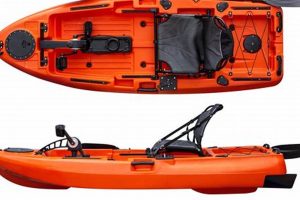
Kayak selection depends on individual needs and fishing environments. Sit-on-top kayaks offer stability and ease of re-entry after a capsize, making them suitable for beginners. Sit-inside kayaks provide better protection from the elements and greater storage capacity but require more experience to handle. Inflatable kayaks offer portability and affordability but may be less stable than rigid kayaks.
Question 2: What essential safety gear should one carry while kayak fishing?
Essential safety gear includes a personal flotation device (PFD), a whistle, a communication device (VHF radio or waterproof cell phone), a first-aid kit, a bilge pump or bailer, and a paddle leash. Navigation tools like a compass or GPS unit are also recommended.
Question 3: How does one manage fishing gear effectively in a kayak?
Specialized kayak fishing crates, tackle bags, and rod holders optimize gear organization and accessibility within the limited space of a kayak. Prioritizing essential tackle and utilizing waterproof storage solutions prevent gear loss or damage.
Question 4: What casting techniques are most effective from a kayak?
Sidearm and underhand casting techniques minimize the risk of hooking the kayak or surrounding objects. Practicing shorter, more controlled casts enhances accuracy and prevents line tangles. Using kayak-specific rods designed for shorter casts also improves efficiency.
Question 5: How does one land and handle fish safely in a kayak?
Using a landing net or lip grip facilitates safe fish handling. Keeping the kayak stable during landing and release minimizes stress on both the fish and the angler. Handling fish gently and quickly reduces their exposure to air and promotes their survival after release.
Question 6: What are the key considerations for choosing a fishing location from a kayak?
Factors to consider include water depth, current, structure, and accessibility. Researching potential fishing spots beforehand and identifying suitable launch and landing points enhances efficiency and safety. Checking weather forecasts and tidal charts is crucial for planning a successful kayak fishing trip.
Understanding these fundamental aspects of kayak fishing contributes to a safer, more enjoyable, and environmentally responsible angling experience. Preparation, informed decision-making, and adherence to ethical practices are essential for maximizing success while preserving the integrity of aquatic ecosystems.
This FAQ section offers a starting point for exploring the nuances of kayak fishing. Further research and practical experience will enhance an angler’s understanding and proficiency in this specialized pursuit.
Conclusion
Guidance for successful kayak angling encompasses a multifaceted approach, integrating safety protocols, specialized equipment selection, refined paddling techniques, and responsible environmental practices. Prioritizing stability and personal flotation devices ensures angler safety, while specialized rods, reels, and tackle enhance fishing efficiency within the kayak’s limited space. Mastery of paddling and maneuvering techniques facilitates precise boat control, maximizing access to prime fishing locations. Furthermore, adherence to catch-and-release principles, Leave No Trace ethics, and existing regulations demonstrates a commitment to environmental stewardship and the long-term health of aquatic ecosystems.
Effective kayak angling represents more than just a recreational pursuit; it embodies a harmonious blend of skill, knowledge, and respect for the natural world. Through diligent preparation, continuous learning, and a commitment to responsible practices, anglers can unlock the full potential of kayak fishing, experiencing the unique rewards of this specialized approach while contributing to the preservation of aquatic resources for future generations.