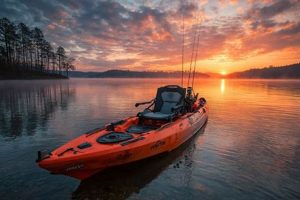
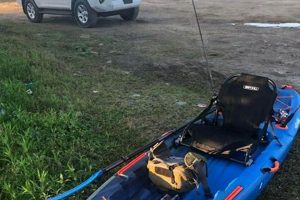
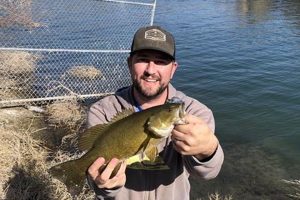
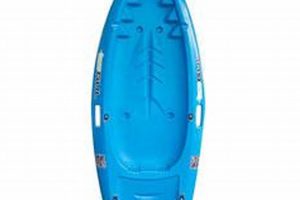
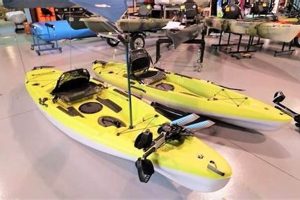
Open-ocean angling from small, human-powered vessels offers a unique blend of challenge and reward along the Pacific coast. This style of fishing typically involves specialized kayaks designed for stability and storage, along with equipment tailored for offshore conditions. Anglers often target pelagic species like tuna, dorado, and rockfish, requiring specific tackle and techniques.
This close-to-the-water approach provides an intimate connection with the marine environment, affording opportunities for wildlife viewing and a sense of adventure. The relatively low environmental impact compared to motorized fishing makes it a sustainable angling practice. Historically, indigenous cultures throughout the Pacific have utilized similar methods for sustenance fishing, demonstrating the enduring effectiveness and practicality of this approach. Modern advancements in kayak design and fishing technology have expanded its accessibility and range.
The following sections will delve into essential aspects of this pursuit, encompassing safety procedures, equipment selection, target species, and ethical considerations. Readers will gain a deeper understanding of the skills and knowledge necessary for a successful and responsible experience on the Pacific.
Tips for Open-Ocean Kayak Angling
Preparation and careful consideration are essential for safe and successful fishing excursions in Pacific waters. The following tips offer guidance for enhancing both safety and effectiveness.
Tip 1: Prioritize Safety Equipment: A properly fitted personal flotation device (PFD) is paramount. Carry a VHF radio, signaling devices (flares, whistle), and a first-aid kit. Inform someone of the planned fishing location and estimated return time.
Tip 2: Understand Weather Conditions: Check marine forecasts before departure and remain aware of changing conditions. Avoid venturing out in strong winds, large swells, or fog. Be prepared to adjust plans based on real-time observations.
Tip 3: Choose Suitable Kayaks and Gear: Select a kayak designed for stability in offshore waters, offering ample storage for equipment and catches. Use appropriate rods, reels, and tackle matched to target species and ocean conditions.
Tip 4: Learn Essential Paddling Techniques: Practice efficient paddling strokes and maneuvering skills before venturing offshore. Understanding how to handle currents, wind, and waves is crucial for safety and effective fishing.
Tip 5: Employ Proper Fish Handling Practices: Utilize appropriate techniques for landing, handling, and releasing or retaining catches. Minimize stress on fish and practice ethical catch-and-release methods whenever possible.
Tip 6: Respect Wildlife and the Environment: Observe marine wildlife from a safe distance and avoid disturbing their natural behaviors. Pack out all trash and adhere to local fishing regulations.
Tip 7: Continuously Refine Skills and Knowledge: Seek guidance from experienced kayak anglers or participate in relevant training courses to enhance proficiency and safety practices.
Adhering to these guidelines can significantly contribute to safer and more rewarding experiences. Careful planning and responsible practices will ensure enjoyment of this unique form of angling while preserving the integrity of the Pacific ecosystem.
By integrating these principles, anglers can contribute to a sustainable and fulfilling approach to open-ocean kayak angling.
1. Safety

Safety forms the bedrock of successful Pacific kayak fishing. The inherent risks of open-ocean environments, coupled with the limitations of small vessels, necessitate meticulous preparation and continuous vigilance. Neglecting safety protocols can lead to dire consequences, ranging from equipment loss to severe injury or even fatality. A strong understanding of potential hazards and appropriate mitigation strategies is paramount.
For example, sudden weather changes can create challenging conditions, including high winds and large swells. A stable kayak designed for offshore use, coupled with a reliable personal flotation device (PFD), is essential. Carrying communication equipment, such as a VHF radio and signaling devices, allows anglers to call for assistance in emergencies. Furthermore, informing someone onshore of the planned fishing location and estimated return time provides an additional layer of security. Practical experience with self-rescue techniques and capsize recovery adds significantly to safety margins.
Ultimately, a comprehensive approach to safety minimizes risks inherent in Pacific kayak fishing. This includes appropriate equipment selection, understanding weather patterns, and possessing the skills to navigate challenging conditions. Consistent adherence to safety procedures enables anglers to enjoy this demanding sport while mitigating potential dangers. Preparedness and vigilance contribute significantly to successful and enjoyable experiences on the Pacific.
2. Kayak Selection
Appropriate kayak selection is fundamental to successful and safe Pacific kayak fishing. The vastness and unpredictable nature of the Pacific Ocean demand vessels capable of handling diverse conditions, from calm waters to challenging swells and currents. Choosing the right kayak significantly impacts stability, storage capacity, and overall fishing efficacy.
- Hull Design:
Hull design directly influences stability and maneuverability. Sit-on-top kayaks offer inherent buoyancy and self-bailing capabilities, advantageous in rough conditions. Sit-in kayaks provide better protection from the elements and a lower center of gravity, enhancing stability. Longer kayaks track better in open water, while shorter designs offer increased maneuverability for navigating complex shorelines or kelp forests. The choice depends on the specific fishing environment and angler preferences.
- Length and Width:
Kayak dimensions play a crucial role in performance. Longer kayaks generally offer better speed and tracking, suitable for covering larger distances in open water. Wider kayaks provide enhanced stability, especially valuable when battling larger fish or navigating turbulent conditions. Shorter kayaks offer superior maneuverability in tight spaces, but may sacrifice tracking performance in open water. Choosing appropriate dimensions requires careful consideration of anticipated fishing locations and target species.
- Storage Capacity:
Sufficient storage is crucial for carrying essential fishing gear, safety equipment, and potential catches. Dedicated storage compartments, hatches, and tank wells accommodate rods, reels, tackle boxes, and other necessities. Adequate storage space ensures readily accessible equipment and prevents clutter, contributing to a more organized and efficient fishing experience. Capacity requirements vary based on fishing style, target species, and trip duration.
- Propulsion Systems:
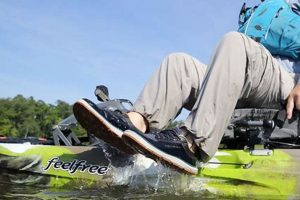
Traditional paddle kayaks offer a quiet and environmentally friendly approach, relying on physical exertion for propulsion. Pedal-powered kayaks allow anglers to maintain a fishing position while maneuvering, increasing efficiency and reducing fatigue. Motorized kayaks provide greater speed and range, but require additional safety considerations and may be restricted in certain areas. The choice of propulsion system hinges on individual preferences, fishing style, and physical capabilities.
Careful consideration of these factors optimizes kayak selection for Pacific fishing. A well-chosen vessel provides a stable and efficient platform, enhancing both safety and fishing success. Matching kayak characteristics to specific fishing needs contributes to a more enjoyable and productive experience on the Pacific.
3. Target Species

Target species selection significantly influences strategic decisions in Pacific kayak fishing. The diverse marine life of the Pacific offers a wide range of angling opportunities, each requiring specific techniques and equipment. Understanding the behavior, habitat, and feeding patterns of target species is crucial for maximizing fishing success and promoting responsible angling practices.
For example, targeting pelagic fish like yellowfin tuna or dorado necessitates venturing further offshore, demanding a stable kayak equipped for open-ocean conditions and specialized tackle designed for powerful fighters. These species often congregate around floating debris or baitfish schools, requiring anglers to locate these areas and employ trolling or chumming techniques. Conversely, inshore species like rockfish or halibut inhabit rocky reefs and kelp forests, demanding maneuverable kayaks and bottom fishing techniques. Knowing the preferred depth, bait, and seasonal patterns of these species increases the likelihood of successful catches.
Matching fishing techniques and equipment to the specific target species enhances efficiency and reduces unintended bycatch. Respectful handling practices, including appropriate hook removal and release methods, minimize stress on fish populations. Understanding target species’ habitat preferences informs location choices, minimizing disturbance to sensitive ecosystems. This knowledge promotes ethical and sustainable fishing practices, preserving the ecological balance of the Pacific while enhancing angling experiences. Responsible target species selection contributes to the long-term health of the marine environment and ensures future angling opportunities.
4. Fishing Techniques
Effective fishing techniques are essential for successful Pacific kayak fishing. The dynamic environment and targeted species require specialized approaches adapted to the unique challenges and opportunities presented by this style of angling. Understanding and applying appropriate techniques significantly influences catch rates and overall fishing success.
- Trolling
Trolling involves dragging lures or baited lines behind a moving kayak. This technique effectively covers a wide area, attracting pelagic species like tuna, dorado, and salmon. Varying trolling speeds and depths allows anglers to target specific species based on their preferred feeding zones. Utilizing specialized trolling equipment, such as downriggers and outriggers, enhances efficiency and presentation. Trolling success depends on factors like lure selection, speed control, and knowledge of local fish behavior.
- Drift Fishing
Drift fishing entails allowing the kayak to drift naturally with currents or wind, presenting baits or lures at varying depths. This technique targets both pelagic and bottom-dwelling species, depending on the chosen bait and depth. Live bait, cut bait, or artificial lures can be effective. Drift fishing requires careful attention to line management and awareness of surrounding currents to prevent tangles and optimize bait presentation. This adaptable method proves particularly successful in areas with structure or baitfish concentrations.
- Bottom Fishing
Bottom fishing targets species inhabiting reefs, wrecks, or other structures on the seafloor. Anglers employ weighted rigs and baits designed to reach the bottom, attracting species like rockfish, halibut, and lingcod. Specialized rods and reels with sufficient line capacity are essential. Understanding bottom topography and utilizing fish finders to identify promising locations enhances success. Careful hook setting and retrieval techniques minimize the risk of snags and lost tackle in complex underwater environments.
- Jigging
Jigging involves vertically presenting lures, often metal jigs, to attract predatory fish. This active technique entices fish with the lure’s erratic movement, simulating injured prey. Jigging proves effective for species like yellowtail, amberjack, and various reef fish. Understanding jigging techniques, including proper retrieval speed and cadence, maximizes effectiveness. Matching jig size and color to the target species and prevailing conditions increases the likelihood of successful strikes.
Mastering these techniques, adapted to specific target species and Pacific kayak fishing conditions, elevates the angling experience. Choosing the right technique, considering factors such as location, target species behavior, and water conditions, plays a crucial role in optimizing fishing success. By refining these skills, anglers enhance their ability to connect with the diverse marine life of the Pacific and experience the rewarding challenge of kayak fishing.

Precise navigation and location awareness are critical for safe and successful Pacific kayak fishing. The open ocean presents unique navigational challenges, demanding careful planning and execution. Understanding location relative to shore, potential hazards, and productive fishing grounds is paramount. Effective navigation enhances safety, optimizes fishing time, and contributes to a more rewarding experience.
- Chart and Compass Skills
Proficiency with nautical charts and a compass provides a fundamental understanding of location and direction. Charts detail crucial information such as water depths, hazards (reefs, rocks), and navigational aids. Compass use allows for maintaining course and compensating for drift caused by currents or wind. These foundational skills are particularly important when electronic navigation systems are unavailable or malfunction.
- GPS and Electronic Charting
Modern electronic navigation systems, including GPS and chartplotters, offer enhanced precision and convenience. GPS provides accurate location data, while chartplotters display electronic charts overlaid with real-time position. These systems simplify navigation, allowing anglers to mark waypoints (fishing spots, launch locations), track routes, and accurately determine distances. Integrating electronic and traditional navigation methods ensures redundancy and enhances safety.
- Tidal Current Awareness
Understanding tidal currents is crucial for kayak anglers. Tidal flows significantly influence kayak positioning and can create challenging conditions, especially near inlets, channels, and points. Consulting tide charts and observing current patterns allows anglers to anticipate changes and plan accordingly. Utilizing current flows strategically can enhance fishing effectiveness by positioning kayaks in areas where fish concentrate.
- Local Knowledge and Landmarks
Local knowledge gleaned from experienced anglers, guides, or local resources enhances situational awareness. Familiarization with prominent landmarks, underwater structures, and established fishing grounds improves navigation and increases the likelihood of finding productive fishing locations. Understanding local regulations, access points, and potential hazards contributes to a safer and more informed experience.
Integrating these navigational elements ensures safe and efficient movement within the Pacific environment. Precise location awareness, coupled with an understanding of environmental factors, optimizes fishing time and reduces risks. Effective navigation empowers anglers to explore the vastness of the Pacific while minimizing potential hazards and maximizing the enjoyment of this challenging and rewarding pursuit.
6. Legal Regulations
Adhering to legal regulations is paramount for responsible and sustainable Pacific kayak fishing. These regulations, designed to protect fish populations, preserve marine ecosystems, and ensure angler safety, vary by location and jurisdiction. Ignoring these rules can result in penalties, harm to the environment, and jeopardize access to this unique angling experience. Understanding and complying with applicable regulations is essential for every kayak angler.
- Fishing Licenses and Permits
Fishing licenses are mandatory for most anglers, with specific requirements varying by location, age, and residency status. Additional permits or endorsements might be necessary for targeting certain species or fishing in specific areas. Acquiring the correct licenses and permits before venturing out ensures compliance and avoids potential fines. Information on licensing requirements is typically available through local fish and wildlife agencies or online resources.
- Size and Catch Limits
Regulations often dictate minimum and maximum size limits for specific species, designed to protect juvenile fish and maintain healthy breeding populations. Catch limits restrict the number of fish an angler can retain within a specified timeframe. Adhering to these limits prevents overfishing and helps ensure the sustainability of target species. Regulations can vary significantly between species and locations, necessitating careful review before each fishing trip.
- Seasonal Closures and Restricted Areas
Certain areas may be closed to fishing during specific seasons to protect spawning fish or vulnerable habitats. Restricted areas, such as marine protected areas or designated conservation zones, may have limitations on fishing activities or prohibit fishing altogether. Respecting these closures and restrictions safeguards critical ecosystems and allows fish populations to thrive. Information on seasonal closures and restricted areas is typically available through local authorities or online resources.
- Gear Restrictions
Regulations may restrict the type of fishing gear permitted in certain areas or for specific species. Limitations on hook size, bait type, or fishing methods aim to minimize environmental impact and promote fair angling practices. For example, some areas prohibit the use of barbed hooks to reduce injury to released fish. Understanding and adhering to gear restrictions ensures compliance and contributes to responsible angling.
Compliance with these legal regulations is not merely a matter of avoiding penalties; it is a fundamental aspect of responsible Pacific kayak fishing. By adhering to these rules, anglers contribute to the long-term health of fish populations and the preservation of marine ecosystems. This responsible approach ensures the sustainability of this unique angling experience for future generations. Regularly reviewing and understanding current regulations demonstrates a commitment to ethical fishing practices and fosters a culture of respect for the Pacific environment.
7. Environmental Impact

Minimizing environmental impact is a crucial aspect of responsible Pacific kayak fishing. The delicate balance of marine ecosystems necessitates careful consideration of potential impacts from angling activities. Sustainable practices ensure the long-term health of the Pacific Ocean and preserve its biodiversity for future generations. Understanding and mitigating potential environmental impacts contributes to a more responsible and ethical approach to this unique form of angling.
- Disturbance to Wildlife
Kayaks, while less intrusive than motorized vessels, can still disturb marine wildlife. Approaching animals too closely, particularly during breeding or nesting seasons, can cause stress and disrupt natural behaviors. Maintaining a respectful distance and avoiding sudden movements minimizes disturbance and allows wildlife to thrive undisturbed. Excessive noise can also negatively impact marine life, emphasizing the importance of quiet paddling and respectful observation.
- Habitat Damage
Improper anchoring techniques can damage sensitive habitats like coral reefs or seagrass beds. Dragging anchors across the seabed uproots vegetation and destroys coral structures. Utilizing appropriate anchoring methods, such as drift fishing or anchoring in sandy areas, minimizes habitat destruction. Careful navigation through shallow areas or kelp forests also prevents damage caused by kayak hulls or paddles.
- Pollution and Debris
Discarded fishing line, hooks, and other debris pose significant threats to marine life. Entanglement in fishing line can injure or kill marine animals, while ingested plastic debris can disrupt digestive systems. Responsible disposal of all fishing gear and packing out any encountered trash minimizes pollution and protects the marine environment. Using biodegradable fishing line further reduces long-term impacts.
- Responsible Catch and Release
Practicing proper catch-and-release techniques minimizes stress and injury to released fish. Using appropriate hooks, minimizing handling time, and supporting the fish horizontally during release reduces physiological stress and increases survival rates. Avoiding fishing during periods of high water temperature or low oxygen levels further protects fish from unnecessary stress. These practices contribute to healthy fish populations and sustainable angling opportunities.
By incorporating these environmentally conscious practices, Pacific kayak anglers contribute to the preservation of this valuable ecosystem. Minimizing disturbance to wildlife, preventing habitat damage, reducing pollution, and practicing responsible catch and release ensures the long-term health and biodiversity of the Pacific Ocean. This mindful approach safeguards the future of this unique angling experience and fosters a deeper appreciation for the delicate balance of the marine environment.
Frequently Asked Questions
Addressing common inquiries regarding Pacific kayak fishing provides clarity and promotes safe, responsible angling practices. These responses aim to offer practical guidance and enhance understanding of this demanding pursuit.
Question 1: What essential safety equipment is required for Pacific kayak fishing?
Essential safety equipment includes a properly fitted personal flotation device (PFD), a VHF radio, visual signaling devices (flares, whistle), a first-aid kit, and a reliable paddle leash. Navigation equipment, such as a compass and GPS, is also highly recommended. Informing someone of the planned fishing location and estimated return time is a crucial safety precaution.
Question 2: How does one choose an appropriate kayak for Pacific fishing?
Kayak selection depends on intended fishing locations and target species. Stability, storage capacity, and seaworthiness are paramount for open-ocean conditions. Longer kayaks offer better tracking, while wider designs enhance stability. Sit-on-top kayaks provide inherent buoyancy and self-bailing capabilities, advantageous in rough seas.
Question 3: What are the primary target species in Pacific kayak fishing?
Target species vary widely, encompassing pelagic fish like tuna, dorado, and salmon, as well as bottom-dwelling species like rockfish, halibut, and lingcod. Species selection influences location choices, fishing techniques, and required equipment. Understanding target species’ behavior and habitat preferences is essential.
Question 4: What fishing techniques are most effective in Pacific kayak fishing?
Effective techniques include trolling, drift fishing, bottom fishing, and jigging. Trolling covers a wide area for pelagic species, while drift fishing targets both pelagic and bottom dwellers. Bottom fishing focuses on species inhabiting reefs or structures, and jigging attracts predatory fish with vertical lure presentations.
Question 5: How can anglers minimize their environmental impact while kayak fishing?
Minimizing impact involves respecting wildlife by maintaining safe distances, avoiding habitat damage through careful anchoring practices, properly disposing of all trash and fishing gear, and employing best practices for catch and release. Using biodegradable fishing line further reduces environmental impact.
Question 6: Where can one find information on local fishing regulations and licensing requirements?
Information on fishing regulations, including licensing requirements, size and catch limits, seasonal closures, and gear restrictions, is typically available through local fish and wildlife agencies or their respective websites. Consulting these resources ensures compliance and promotes responsible angling.
Careful consideration of these frequently asked questions promotes safer and more sustainable Pacific kayak fishing practices. Understanding these elements enhances angler preparedness, minimizes environmental impact, and contributes to a more rewarding experience on the water.
For further information, consult local resources or experienced kayak anglers familiar with Pacific conditions and regulations.
Conclusion
This exploration of open-ocean angling from human-powered vessels has highlighted the multifaceted nature of this pursuit. From equipment selection and safety protocols to fishing techniques and environmental considerations, successful Pacific kayak fishing demands careful planning and execution. Understanding the interplay of these elements contributes significantly to both angler safety and the preservation of marine ecosystems. The demanding nature of this activity necessitates a thorough understanding of navigational principles, target species behavior, and applicable regulations.
Ultimately, responsible engagement with this challenging and rewarding sport fosters a deeper appreciation for the Pacific’s rich biodiversity. Continued emphasis on sustainable practices and adherence to ethical guidelines will ensure the longevity of this unique angling experience for generations to come. The future of Pacific kayak fishing rests on the collective commitment to preserving the delicate balance of this valuable marine environment.