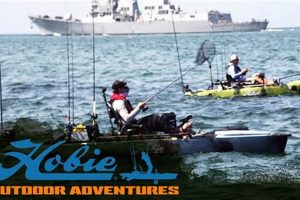
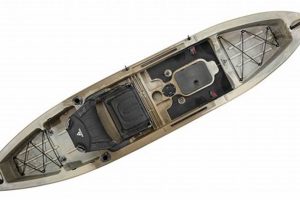
Paddling through the shallow, calm waters of the sounds or navigating the more challenging surf of the Atlantic Ocean presents a unique angling experience in North Carolina’s barrier islands. This method allows access to diverse fishing grounds, from tranquil estuaries to nearshore reefs, and offers a close connection with the marine environment.
This style of angling provides numerous advantages. The quiet approach afforded by human-powered vessels allows anglers to get closer to fish without disturbing them, increasing chances of a successful catch. Further, the shallow draft of these boats opens up vast expanses of shallow-water habitats typically inaccessible to larger, motorized boats. Historically, small watercraft have been integral to fishing practices in this region, evolving from traditional methods to the modern sport practiced today. This enduring connection to the past adds another layer of richness to the experience.
Further exploration of this topic will delve into specific techniques, suitable species to target, necessary equipment, relevant safety considerations, and the environmental impact of this practice.
Tips for Kayak Fishing the Outer Banks
Successful angling expeditions require careful planning and execution. The following tips offer valuable insights to enhance fishing experiences and promote safety.
Tip 1: Check Weather and Tide Charts: Wind and tidal currents significantly impact navigation and fishing conditions. Consulting forecasts before heading out is crucial for a safe and productive trip.
Tip 2: Choose the Right Kayak: Sit-on-top kayaks are generally preferred for their stability and ease of re-entry after a water landing. Selecting a model specifically designed for fishing offers additional features like rod holders and storage compartments.
Tip 3: Pack Essential Gear: Safety equipment, including a personal flotation device (PFD), a whistle, and a first-aid kit, should always be on board. Fishing gear, such as rods, reels, tackle, and bait appropriate for target species, is essential.
Tip 4: Plan a Float Plan: Informing someone about the intended fishing location and estimated return time is a vital safety precaution. This ensures that assistance can be dispatched if needed.
Tip 5: Practice Kayak Control: Before venturing into open water, practicing basic paddling strokes and maneuvering techniques in a calm environment enhances safety and confidence.
Tip 6: Respect Wildlife and the Environment: Handling fish with care and practicing catch-and-release whenever possible helps conserve fish populations. Proper disposal of fishing line and other waste minimizes environmental impact.
Tip 7: Be Aware of Regulations: Familiarizing oneself with local fishing regulations, including licensing requirements and size/catch limits, ensures legal compliance and contributes to sustainable fishing practices.
By adhering to these guidelines, anglers can significantly improve their chances of a successful and enjoyable outing while prioritizing safety and environmental responsibility.
These tips provide a foundation for a rewarding experience. The subsequent sections will delve deeper into specific techniques and strategies for maximizing success on the water.
1. Location Selection
Strategic location selection is paramount for successful Outer Banks kayak fishing. The diverse ecosystem presents a range of habitats, each supporting different species and requiring specific angling techniques. Calm sound waters offer opportunities for targeting speckled trout and red drum, while the inlets and nearshore ocean provide access to larger game fish like flounder and Spanish mackerel. Factors such as water depth, current, structure (e.g., oyster beds, grass flats, wrecks), and proximity to baitfish influence species distribution and dictate optimal fishing locations. For instance, drifting over shallow grass flats during a rising tide can be productive for speckled trout, whereas fishing near inlets during a falling tide can yield flounder.
Understanding these nuances allows anglers to tailor their approach and maximize their chances of success. Matching the chosen location to target species and prevailing conditions is crucial. Consulting local fishing reports, tide charts, and nautical maps provides valuable insights into potential hotspots and hazards. Prioritizing safety is essential; choosing locations appropriate for one’s skill level and accounting for wind, waves, and boat traffic minimizes risks. For example, venturing into the ocean requires experience with surf launches and landings, as well as knowledge of navigation and self-rescue techniques.
Effective location selection hinges on a comprehensive understanding of the interplay between environmental factors and fish behavior. This knowledge, combined with careful planning and consideration of safety parameters, significantly contributes to a rewarding and productive fishing experience. Choosing the right spot sets the stage for success, emphasizing the crucial role of informed decision-making in Outer Banks kayak fishing.
2. Kayak Choice
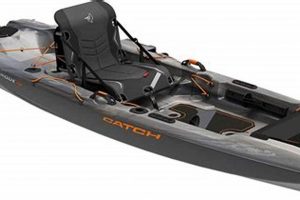
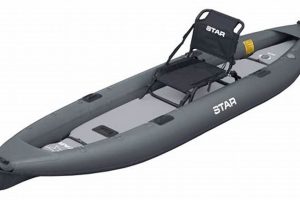
Kayak selection significantly impacts the Outer Banks fishing experience. Stability, maneuverability, and storage capacity are key considerations. The often-challenging conditionswind, waves, and currentsnecessitate a stable platform, especially when landing fish or navigating surf zones. Maneuverability is crucial for accessing shallow creeks, navigating tight areas around structure, and responding to changing conditions. Adequate storage accommodates essential gear, including rods, tackle boxes, safety equipment, and potential catches. A longer, wider kayak offers greater stability and carrying capacity, while a shorter, narrower design enhances maneuverability in confined spaces. For example, a sit-on-top kayak provides inherent buoyancy and self-bailing capabilities, advantageous in rougher waters. Conversely, a sit-in kayak offers protection from the elements and greater efficiency in calmer conditions.
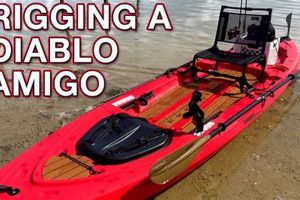
Specialized fishing kayaks often feature built-in rod holders, storage compartments, and anchor trolleys, optimizing angling functionality. These features enhance convenience, efficiency, and overall fishing success. Choosing between a pedal-powered kayak and a paddle kayak involves trade-offs. Pedal drives offer hands-free fishing and greater speed over longer distances, while paddle kayaks offer superior maneuverability in shallows and tighter spaces. The choice depends on individual preferences, fishing style, and target locations. For example, a pedal kayak might be preferable for covering large expanses of open water when targeting pelagic species, while a paddle kayak might be better suited for navigating shallow creeks and marshes when targeting red drum or speckled trout.
Careful consideration of kayak characteristics ensures a safe and productive outing. Matching the kayak to specific fishing needs and environmental conditions maximizes efficiency and enjoyment. Understanding these factors contributes significantly to a successful and rewarding Outer Banks kayak fishing experience. Investing time in selecting the appropriate vessel yields substantial benefits on the water.
3. Tackle and Bait
Tackle and bait selection are critical components of successful Outer Banks kayak fishing. The diverse fish species inhabiting these waters require specific approaches. Matching tackle and bait to target species increases catch rates and optimizes angling effectiveness. For example, targeting speckled trout might involve using light spinning tackle with soft plastic lures or live shrimp, while pursuing larger game fish like red drum necessitates heavier tackle and larger baitfish or crab imitations. The water’s salinity also influences bait choices; brackish water species often respond well to shrimp and mud minnows, whereas nearshore ocean species might prefer menhaden or squid. Understanding these nuances allows anglers to tailor their approach based on prevailing conditions and target species.
Tackle considerations extend beyond rod and reel selection. Line weight, hook size, and leader material must align with the target species and fishing environment. Heavier line and larger hooks are necessary for larger fish and stronger currents, while lighter line and smaller hooks are preferred for finesse fishing in calmer waters. Leader material choice depends on water clarity and the presence of structure or abrasive bottom conditions. Fluorocarbon leaders offer low visibility and abrasion resistance, while steel leaders are necessary when targeting toothy species like Spanish mackerel or bluefish. Furthermore, specialized equipment, such as popping corks or Carolina rigs, enhances bait presentation and effectiveness in specific scenarios. Popping corks create surface disturbances attracting predatory fish, while Carolina rigs effectively present bait along the bottom in deeper water or strong currents.
Effective tackle and bait selection requires careful consideration of target species, environmental factors, and desired fishing techniques. This knowledge, coupled with adaptable strategies, contributes significantly to a successful and rewarding Outer Banks kayak fishing experience. Understanding these factors empowers anglers to make informed decisions, maximizing their chances of success on the water. The interplay between tackle, bait, and environment forms a critical foundation for a productive and enjoyable fishing outing.
4. Safety Procedures

Safety procedures are paramount for outer banks kayak fishing due to the dynamic and potentially hazardous environment. The combination of strong currents, shifting winds, unpredictable weather patterns, and varying water conditions necessitates meticulous preparation and adherence to established safety protocols. Neglecting these procedures can lead to serious consequences, including capsizing, stranding, exposure, and encounters with marine hazards. For example, venturing out without checking the marine forecast can result in encountering unexpected thunderstorms or high winds, jeopardizing stability and increasing the risk of capsizing. Similarly, ignoring tidal currents can lead to being swept away from the intended fishing area or encountering difficulties returning to shore.
Essential safety procedures include wearing a properly fitted personal flotation device (PFD) at all times, carrying a whistle for signaling in emergencies, informing someone of the planned fishing location and estimated return time (float plan), and equipping the kayak with necessary safety gear such as a first-aid kit, signaling devices, and a bilge pump. Regular inspection and maintenance of kayak equipment, including paddles, hatches, and hull integrity, are crucial. Understanding self-rescue techniques, such as re-entering a capsized kayak, and practicing these skills in a controlled environment significantly enhance preparedness for unexpected events. Carrying a VHF radio allows direct communication with the Coast Guard and other boaters, facilitating rapid response in emergencies. Awareness of local navigational hazards, such as shallow areas, submerged debris, and changing channel markers, minimizes the risk of grounding or collisions. Avoiding fishing alone enhances safety through mutual support and assistance in challenging situations.
Prioritizing safety procedures fosters a responsible and enjoyable fishing experience. These precautions mitigate risks associated with the outer banks environment, enhancing the likelihood of a safe and successful outing. A comprehensive understanding of potential hazards and diligent application of safety measures are integral to responsible kayak fishing practices. Neglecting these procedures can transform a recreational activity into a perilous situation, emphasizing the critical connection between safety and enjoyment in this demanding environment.
5. Local Regulations
Adherence to local regulations is essential for sustainable and responsible outer banks kayak fishing. These regulations, established by the North Carolina Division of Marine Fisheries and other relevant authorities, govern aspects such as licensing requirements, size and catch limits for various species, permissible fishing gear and methods, and designated fishing areas. These rules serve to protect fish populations, maintain ecosystem balance, and ensure equitable access to resources. Ignoring these regulations can result in fines, confiscation of equipment, and suspension of fishing privileges. For instance, exceeding the catch limit for red drum or failing to possess a valid coastal recreational fishing license could lead to legal penalties. Furthermore, specific areas may be designated as no-fishing zones to protect sensitive habitats or spawning grounds. Understanding these restrictions is crucial for responsible angling.
Regulations often vary based on species and location. For example, regulations for flounder fishing may differ from those for speckled trout, and rules within the sounds may vary from those in the ocean. Specific tackle restrictions, such as limitations on hook size or the prohibition of certain gear types, might apply in particular areas or during specific seasons. Staying informed about these specificities is the angler’s responsibility. Consulting the official North Carolina Division of Marine Fisheries website or contacting local tackle shops provides up-to-date information on current regulations. Knowledge of these regulations is not only a legal obligation but also a demonstration of respect for the environment and commitment to preserving fishing resources for future generations. Participating in local fishing communities and engaging with conservation organizations provides additional opportunities to understand and support sustainable fishing practices.
Compliance with local regulations contributes directly to the long-term health of outer banks fisheries. Understanding and respecting these rules ensures the sustainability of fish populations and preserves the integrity of the ecosystem. This responsible approach safeguards the future of this valuable resource, allowing future generations to enjoy the unique angling opportunities offered by the outer banks. Disregarding regulations undermines conservation efforts and jeopardizes the delicate balance of the marine environment, emphasizing the crucial link between compliance and the sustained health of the outer banks fishery. Therefore, integrating regulatory awareness into fishing practices is not merely a legal requirement but a fundamental aspect of responsible and ethical angling.
Frequently Asked Questions
This section addresses common inquiries regarding Outer Banks kayak fishing, providing concise and informative responses.
Question 1: What are the most common fish species targeted from kayaks in the Outer Banks?
Common targets include red drum, speckled trout, flounder, Spanish mackerel, and bluefish. Species availability varies seasonally and with location.
Question 2: Is a fishing license required for kayak fishing in the Outer Banks?
A valid North Carolina Coastal Recreational Fishing License is generally required. Specific requirements and exemptions can be confirmed through the North Carolina Division of Marine Fisheries.
Question 3: What safety equipment is essential for Outer Banks kayak fishing?
Essential safety equipment includes a personal flotation device (PFD), a whistle, a first-aid kit, a signaling device (e.g., flare, mirror), and a bilge pump or sponge. A VHF radio and navigation lights are recommended, especially for open water or low-light conditions.
Question 4: Are there specific regulations regarding kayak fishing in different areas of the Outer Banks?
Regulations vary based on location and species. Specific areas may have restrictions on fishing methods, size and catch limits, or access. Consulting local resources and official regulations is crucial.
Question 5: What are the primary considerations for choosing a kayak for fishing in the Outer Banks?
Key considerations include stability, maneuverability, storage capacity, and propulsion method (paddle or pedal). The choice depends on individual fishing style, target species, and typical fishing locations (e.g., calm sounds versus open ocean).
Question 6: What are the best resources for obtaining up-to-date information on fishing conditions and regulations in the Outer Banks?
Reliable resources include the North Carolina Division of Marine Fisheries website, local tackle shops, fishing charters, and online fishing forums specific to the Outer Banks.
Understanding these frequently asked questions equips anglers with essential information for a safe, responsible, and successful Outer Banks kayak fishing experience. Careful planning and preparation contribute significantly to maximizing enjoyment and minimizing potential risks.
The following section offers further resources and information for enhancing your Outer Banks kayak fishing adventure.
Outer Banks Kayak Fishing
Outer Banks kayak fishing offers a unique blend of angling challenge and natural immersion. Successful navigation of this pursuit requires careful consideration of location selection, kayak choice, appropriate tackle and bait, adherence to safety protocols, and understanding of local regulations. Strategic planning, informed decision-making, and respect for the environment contribute significantly to a rewarding experience. From the tranquil sounds to the dynamic nearshore ocean, the diverse ecosystem presents a range of opportunities for anglers seeking a close connection with the marine world.
The Outer Banks presents a compelling destination for those seeking an engaging and rewarding angling experience. Preservation of this valuable resource rests on responsible practices and a commitment to sustainability. Continued exploration and mindful interaction with this unique environment will ensure its enjoyment for generations to come.