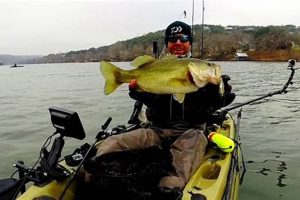
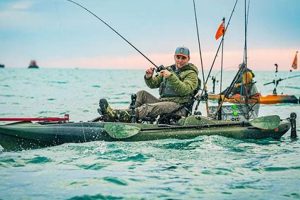
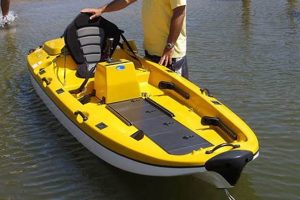
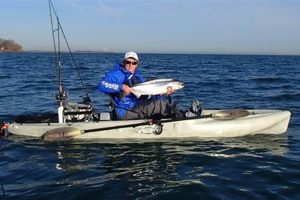
This approach to angling involves pursuing fish from a kayak without a fixed base location. It often entails traveling extensively, exploring diverse waterways, and adapting to varying fishing conditions. An angler might, for example, spend a week fishing coastal estuaries, then move inland to rivers and lakes, carrying all necessary gear and supplies. This self-sufficient style emphasizes mobility and adaptability in pursuit of target species.
The inherent mobility offers distinct advantages, including access to remote, less-pressured fisheries and the opportunity to experience a wide range of aquatic environments. It allows anglers to follow seasonal fish migrations and explore waters beyond the reach of shore-bound fishers. Historically, small, human-powered watercraft have played a significant role in subsistence fishing cultures worldwide. This contemporary iteration builds upon that tradition, incorporating modern kayak designs, fishing techniques, and lightweight camping equipment to facilitate extended, self-supported fishing expeditions.
The following sections will delve into the essential equipment, planning considerations, safety protocols, and environmental stewardship practices associated with this specialized fishing style.
Tips for Mobile Kayak Angling
Careful preparation and thoughtful execution are crucial for successful and safe mobile kayak fishing trips. These tips offer guidance for anglers venturing into this specialized pursuit.
Tip 1: Prioritize Safety Equipment. A reliable personal flotation device (PFD), a signaling whistle, and a waterproof communication device are non-negotiable. Navigation lights, a first-aid kit, and a bilge pump are also highly recommended.
Tip 2: Master Kayak Control. Proficiency in paddling, maneuvering, and self-rescue techniques is essential, especially in challenging conditions. Practice in calm waters before undertaking expeditions in open water or strong currents.
Tip 3: Plan Logistics Meticulously. Thorough research of potential fishing locations, including access points, regulations, and potential hazards, is vital. Secure necessary permits and inform someone of the itinerary.
Tip 4: Pack Efficiently. Space is limited on a kayak. Prioritize essential gear and supplies, utilizing lightweight, waterproof bags and containers. Distribute weight evenly for optimal kayak stability.
Tip 5: Respect the Environment. Practice Leave No Trace principles. Pack out all trash, minimize disturbance to wildlife, and adhere to fishing regulations. Avoid anchoring in sensitive habitats like seagrass beds or coral reefs.
Tip 6: Monitor Weather Conditions. Changing weather can significantly impact safety and fishing success. Check forecasts regularly and be prepared to adjust plans or postpone trips if necessary. Carry appropriate clothing for varying conditions.
Tip 7: Refine Fishing Techniques. Adapt fishing methods to the specific species and environments encountered. Research effective lures, baits, and presentations. Practice catch-and-release techniques to conserve fish populations.
Adherence to these guidelines promotes safe, enjoyable, and environmentally responsible mobile kayak fishing experiences. Preparation and awareness enhance both angling success and personal well-being in this demanding yet rewarding pursuit.
By incorporating these tips into practice, anglers can fully embrace the unique opportunities and challenges presented by this specialized fishing style.
1. Trip Planning
Trip planning forms the cornerstone of successful nomadic kayak fishing expeditions. Meticulous preparation ensures angler safety, maximizes fishing opportunities, and minimizes environmental impact. A well-structured plan addresses potential challenges and facilitates adaptable responses to unforeseen circumstances. This proactive approach transforms potential setbacks into manageable situations, contributing significantly to overall trip success.
- Route Selection & Logistics
Determining the intended route involves researching waterways, access points, and potential hazards. Factors like water flow rates, tides, and prevailing winds influence route feasibility and safety. Logistics encompass securing permits, arranging transportation of kayaks and gear to launch sites, and establishing communication protocols for emergencies. For example, choosing a river route requires considering potential portages around dams or rapids, while coastal trips necessitate awareness of tidal currents and navigation markers. Thorough logistical planning ensures smooth transitions between locations and facilitates efficient use of fishing time.
- Gear & Supply Management
Careful consideration of essential gear and supplies balances functionality with weight and space limitations. Kayak capacity restricts the quantity of provisions, emphasizing the need for lightweight, durable, and versatile equipment. Food, water, shelter, and safety equipment are prioritized. For instance, opting for a compact water filter reduces the need to carry large volumes of drinking water. Efficient gear management optimizes kayak performance and enhances maneuverability, particularly in challenging conditions.
- Weather Monitoring & Contingency Planning
Weather conditions significantly influence kayak fishing safety and success. Regularly monitoring forecasts allows for proactive adjustments to planned routes or fishing schedules. Contingency plans address potential scenarios like unexpected storms or equipment malfunctions. Having alternative fishing locations identified or possessing repair kits for essential gear can prevent minor issues from derailing the entire expedition. Adaptability to changing weather patterns ensures angler safety and maximizes fishing opportunities throughout the trip.
- Regulation Research & Environmental Considerations
Understanding fishing regulations, licensing requirements, and area-specific restrictions is essential for responsible angling. Researching local ecosystems and adhering to Leave No Trace principles minimizes environmental impact. Awareness of sensitive habitats, such as spawning grounds or nesting areas, helps anglers avoid disturbing wildlife. Respectful interaction with the environment ensures the long-term health of the fisheries and preserves the natural beauty of the areas visited.
These facets of trip planning are interconnected and contribute significantly to the overall success of a nomadic kayak fishing adventure. By addressing each element meticulously, anglers can enhance their safety, maximize their fishing opportunities, and contribute to the preservation of the natural environments they explore. This proactive approach fosters a more rewarding and sustainable experience, allowing anglers to fully embrace the challenges and rewards of nomadic kayak fishing.
2. Safety Gear

Safety equipment plays a crucial role in nomadic kayak fishing, where self-sufficiency and preparedness are paramount. The remote nature of these excursions often places anglers far from immediate assistance, emphasizing the importance of carrying appropriate safety gear to mitigate risks and respond effectively to emergencies. A comprehensive safety kit addresses potential hazards inherent in the activity, encompassing navigation, communication, first aid, and self-rescue. For instance, a breakdown in open water necessitates reliable communication devices to summon help, while a capsize requires a personal flotation device (PFD) and the skills to self-rescue. The specific gear required may vary depending on the environment and duration of the trip, but core elements remain consistent.
Navigation tools, such as a GPS unit, compass, and charts, are essential for maintaining orientation, especially in unfamiliar waters or conditions of reduced visibility. Communication devices, including a VHF radio, satellite messenger, or mobile phone in a waterproof case, enable contact with emergency services or support personnel. A well-equipped first-aid kit addresses minor injuries and stabilizes more serious conditions until professional medical help is available. Self-rescue equipment, like a bilge pump, paddle float, and tow rope, assists in recovering from a capsize or assisting other kayakers in distress. Carrying appropriate safety gear, knowing how to use it effectively, and regularly inspecting its condition are crucial for responsible nomadic kayak fishing.
Neglecting safety precautions can have severe consequences in remote environments. The ability to navigate accurately, communicate effectively, and address medical emergencies enhances angler safety and self-sufficiency. Preparation for potential hazards transforms what could be a life-threatening situation into a manageable challenge. Investing in high-quality safety gear and acquiring the necessary skills to utilize it proficiently are fundamental aspects of responsible nomadic kayak fishing. This proactive approach to safety contributes significantly to successful and enjoyable expeditions.
3. Kayak Selection

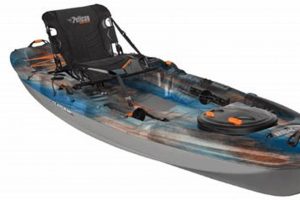
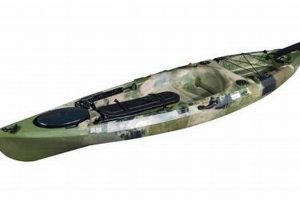
Kayak selection significantly influences the success and enjoyment of nomadic kayak fishing expeditions. The chosen vessel must balance stability, maneuverability, storage capacity, and portability to meet the demands of diverse waterways and extended journeys. Consideration of hull design, length, and weight capacity is paramount. A longer, narrower kayak excels in open water tracking and speed, while a shorter, wider hull offers enhanced stability in rivers and surf zones. Weight capacity dictates the amount of gear and supplies that can be safely transported, influencing trip duration and self-sufficiency. For example, a sit-on-top kayak offers inherent buoyancy and ease of re-entry after a capsize, a valuable attribute in challenging conditions, while a sit-inside kayak provides protection from the elements and greater storage capacity for longer trips.
Matching kayak characteristics to the anticipated fishing environment is essential. A lightweight, easily portable kayak simplifies overland transport between waterways, a crucial factor in nomadic fishing. Sufficient storage space accommodates essential gear, including fishing rods, tackle, camping equipment, and safety devices. Features like rod holders, anchor trolleys, and integrated storage compartments enhance fishing efficiency and organization. For instance, a pedal-powered kayak allows hands-free fishing and precise maneuverability in shallow water or strong currents, while a kayak with a rudder system enhances tracking in windy conditions. Selecting a kayak tailored to the specific needs of nomadic fishing optimizes performance and contributes significantly to a successful and enjoyable experience.
Appropriate kayak selection, therefore, directly impacts angler safety, comfort, and fishing effectiveness. A well-chosen vessel enhances maneuverability in diverse environments, facilitates efficient gear management, and enables access to remote fishing locations. Careful consideration of these factors empowers anglers to fully embrace the challenges and rewards of nomadic kayak fishing, maximizing both safety and enjoyment throughout the journey. This informed approach to kayak selection strengthens the foundation for a successful and sustainable nomadic fishing experience.
4. Fishing Techniques

Effective fishing techniques are integral to successful nomadic kayak fishing. The mobile nature of this pursuit requires anglers to adapt their methods to diverse environments and target species encountered throughout their journeys. Proficiency in various techniques, combined with the ability to assess and respond to prevailing conditions, maximizes angling success. Adaptability is key, as nomadic anglers often encounter unfamiliar waters and unpredictable fish behavior. A diverse skillset ensures consistent catches regardless of location or species targeted. This mastery of technique differentiates successful nomadic kayak anglers from those who struggle to consistently land fish in varied environments.
- Lure Selection and Presentation
Lure choice depends on the target species, water clarity, and prevalent forage. Understanding fish behavior and feeding patterns informs lure selection and presentation. For instance, topwater lures entice aggressive surface feeders in shallow water, while crankbaits mimic baitfish at varying depths. Adapting lure retrieval speed and action to the specific conditions triggers strikes. Mastering these nuances significantly improves catch rates.
- Drift Fishing and Anchoring
Drift fishing allows anglers to cover water efficiently, presenting bait or lures naturally within the current. Anchoring stabilizes the kayak in specific locations, such as near structure or drop-offs, where fish tend to congregate. Choosing the appropriate technique depends on the fishing environment and target species. For example, drifting along river seams presents bait to actively feeding fish, while anchoring near submerged debris targets ambush predators.
- Trolling from a Kayak
Trolling involves dragging lures or bait behind a moving kayak, covering a wider area and attracting pelagic species. Varying trolling speed and depth allows anglers to target fish at different levels in the water column. This technique is particularly effective in open water or large lakes. Specialized trolling gear, such as planer boards or downriggers, further refines lure presentation and depth control, maximizing chances of attracting strikes.
- Tackle Management and Organization
Efficient tackle management is crucial in the confined space of a kayak. Organizing lures, hooks, lines, and other essential gear in readily accessible compartments streamlines tackle changes and prevents tangles. This organized approach maximizes fishing time and minimizes frustration. A well-planned tackle system ensures that appropriate gear is readily available, allowing anglers to quickly adapt to changing conditions or target different species. This efficient organization contributes significantly to overall fishing success.
These techniques, combined with careful observation of the environment and fish behavior, are fundamental to successful nomadic kayak fishing. Adaptability, patience, and a willingness to experiment with different approaches contribute significantly to consistent catches. By mastering these core techniques and continually refining their approach, nomadic kayak anglers maximize their chances of success in diverse fishing environments. This proficiency allows them to fully embrace the challenges and rewards of this unique pursuit.
5. Environmental Awareness

Environmental awareness constitutes a critical aspect of responsible nomadic kayak fishing. The inherent mobility of this activity grants access to diverse and often fragile ecosystems, underscoring the importance of minimizing human impact. Sustainable practices safeguard these environments, ensuring their health and accessibility for future generations. Disregarding environmental considerations can lead to habitat degradation, pollution, and disruption of delicate ecological balances. For example, improper disposal of fishing line can entangle wildlife, while careless anchoring practices damage sensitive habitats like seagrass beds or coral reefs. Understanding the interconnectedness of aquatic ecosystems is fundamental to responsible nomadic kayak fishing.
Practical applications of environmental awareness include adhering to Leave No Trace principles, minimizing waste generation, and practicing proper catch-and-release techniques. Respecting local regulations, such as fishing limits and seasonal closures, contributes to sustainable fisheries management. Awareness of invasive species and their potential impact informs preventative measures, such as cleaning kayaks and gear thoroughly between waterways to avoid their spread. Supporting conservation initiatives and advocating for responsible land and water management further reinforces the commitment to environmental stewardship. These actions demonstrate a proactive approach to conservation, ensuring the long-term health and viability of the ecosystems explored during nomadic kayak fishing expeditions.
In essence, environmental awareness is not merely a peripheral concern but an integral component of ethical nomadic kayak fishing. It represents a commitment to minimizing environmental impact and preserving the natural beauty and biodiversity of the waterways traversed. This mindful approach safeguards the future of these valuable resources, ensuring their continued enjoyment by future generations of anglers. The practical application of environmental awareness distinguishes responsible nomadic kayak fishing, fostering a sustainable and harmonious relationship between angler and environment. This commitment strengthens the connection between the pursuit of angling and the preservation of the natural world.
Frequently Asked Questions
This section addresses common inquiries regarding nomadic kayak fishing, providing concise and informative responses to clarify potential uncertainties and misconceptions.
Question 1: What differentiates nomadic kayak fishing from recreational kayak angling?
Nomadic kayak fishing distinguishes itself through its emphasis on extended, self-supported journeys across diverse waterways, often covering significant distances. Recreational kayak fishing typically involves shorter trips closer to a fixed base location. The nomadic approach prioritizes exploration and adaptability, while recreational angling may focus on specific locations or target species.
Question 2: How much experience is required to undertake nomadic kayak fishing?
Prior kayaking experience and proficiency in paddling techniques are essential. Familiarity with self-rescue procedures and navigation skills is strongly recommended. Experience in diverse water conditions enhances preparedness for the challenges of nomadic fishing.
Question 3: What are the essential safety precautions for nomadic kayak fishing?
Wearing a personal flotation device (PFD) at all times is paramount. Carrying communication devices, signaling equipment, and a comprehensive first-aid kit is crucial. Informing someone of the intended route and estimated return time enhances safety. Regularly monitoring weather forecasts and adapting plans accordingly mitigates risks associated with changing conditions.
Question 4: How does one plan a nomadic kayak fishing trip effectively?
Thorough research of potential waterways, access points, and local regulations forms the foundation of effective planning. Identifying potential campsites, resupply points, and emergency services along the route is essential. Packing lightweight, essential gear and distributing weight evenly within the kayak enhances stability and maneuverability.
Question 5: What type of kayak is best suited for nomadic fishing?
Kayak selection depends on the intended environment and personal preferences. Longer kayaks track well in open water, while shorter, wider hulls offer greater stability in rivers or surf zones. Sufficient storage capacity for gear and supplies is crucial. Features like rod holders, anchor trolleys, and rudder systems enhance fishing efficiency.
Question 6: What environmental considerations are relevant to nomadic kayak fishing?
Minimizing environmental impact through adherence to Leave No Trace principles is paramount. Proper disposal of waste, avoidance of disturbing wildlife, and respect for sensitive habitats are essential. Adhering to fishing regulations and supporting conservation initiatives contributes to the long-term health of the ecosystems explored.
Careful planning, appropriate safety measures, and respect for the environment are fundamental to responsible and rewarding nomadic kayak fishing experiences. Addressing these considerations ensures both angler safety and the preservation of the natural resources enjoyed during these unique journeys.
The following section delves further into specific aspects of preparing for a nomadic kayak fishing expedition.
Nomadic Kayak Fishing
This exploration of nomadic kayak fishing has highlighted its multifaceted nature, encompassing meticulous planning, specialized equipment, adaptable fishing techniques, and a strong commitment to environmental stewardship. From navigating remote waterways and selecting the appropriate kayak to mastering diverse fishing methods and minimizing environmental impact, each aspect contributes significantly to a successful and sustainable experience. The inherent challenges of this pursuit demand careful preparation and a deep understanding of both the aquatic environment and the principles of self-sufficiency.
Nomadic kayak fishing offers a unique opportunity to connect with nature on a profound level, fostering a deeper appreciation for the intricate balance of aquatic ecosystems. This pursuit requires not only angling proficiency but also a responsible approach to resource management and environmental conservation. The future of this activity relies on the continued commitment of anglers to prioritize safety, minimize their impact, and advocate for the preservation of the waterways they explore. It represents a unique blend of adventure, skill, and environmental responsibility, offering a rewarding experience for those willing to embrace its challenges and contribute to its sustainable future.