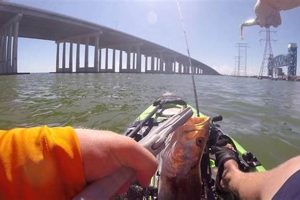
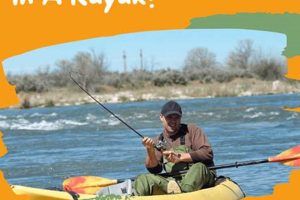
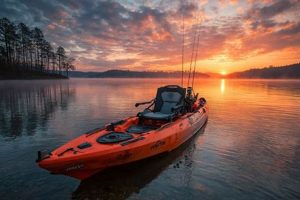
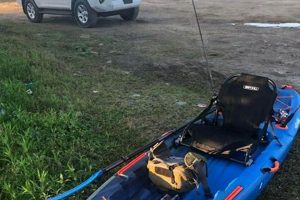
The waters surrounding Navarre, Florida, offer a unique and productive environment for anglers using kayaks. This method of fishing allows access to shallow-water areas like Santa Rosa Sound, the Gulf of Mexico surf zone, and various bayous and estuaries, which larger boats often cannot reach. It provides an intimate and eco-friendly way to target species such as redfish, speckled trout, flounder, and Spanish mackerel.
This style of angling presents several advantages. Its quiet approach minimizes disturbance to fish, increasing the likelihood of a successful catch. The maneuverability of a kayak grants access to secluded fishing spots, maximizing opportunities. Furthermore, it offers a low-impact, sustainable way to enjoy the natural beauty of Navarre’s waterways. The region’s historically significant fishing culture is enhanced by this modern approach, which respects both the environment and the pursuit of this popular sport.
The following sections will delve into specific techniques, recommended equipment, ideal launch locations, and relevant regulations for fishing in Navarre from a kayak.
Maximizing success and safety on the water requires careful planning and execution. These tips provide valuable insights for anglers of all skill levels.
Tip 1: Check Weather and Tide Charts: Prioritize safety by reviewing marine forecasts before embarking. Wind, tides, and currents significantly impact navigation and fishing conditions.
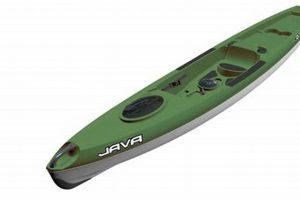
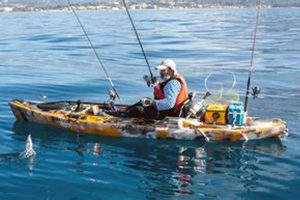
Tip 2: Utilize a Kayak Designed for Fishing: Specialized fishing kayaks offer stability, storage, and features like rod holders and anchor trolleys, enhancing the fishing experience.
Tip 3: Employ Appropriate Safety Gear: A personal flotation device (PFD), a whistle, and a signaling device are essential safety precautions. A first-aid kit and a communication device are also highly recommended.
Tip 4: Choose the Right Tackle and Bait: Research target species and select appropriate fishing rods, reels, lines, lures, and bait. Local tackle shops offer valuable insights and advice.
Tip 5: Plan Your Launch and Landing Points: Consider tides, currents, and accessibility when selecting launch and landing sites. Research public access points and respect private property.
Tip 6: Practice Paddle Strokes and Kayak Control: Confident kayak handling ensures efficient navigation and safe maneuvering, especially in challenging conditions.
Tip 7: Respect Local Regulations: Adhere to fishing license requirements, size and catch limits, and any specific regulations for Navarre’s waters. Dispose of fishing line and other waste responsibly.
Tip 8: Be Aware of Other Vessels: Maintain awareness of boat traffic and navigate safely around larger vessels. Brightly colored clothing and kayak flags enhance visibility.
By adhering to these guidelines, anglers can enhance their enjoyment and success while prioritizing safety and environmental responsibility.
Equipped with these insights, anglers can confidently explore the diverse fishing opportunities Navarre offers.

Navarre’s varied aquatic environments directly influence the success and enjoyment of kayak fishing. Understanding these distinct ecosystems is crucial for anglers seeking specific species or fishing styles.
- Santa Rosa Sound:
This protected body of water provides calm conditions ideal for beginners and those targeting species like redfish, speckled trout, and flounder. Shallow grass flats and oyster beds offer fertile fishing grounds. Kayak anglers benefit from easy access and the ability to navigate shallow areas inaccessible to larger boats.
- Navarre Beach Surf Zone:
The Gulf of Mexico surf zone presents a more challenging yet rewarding environment. Anglers can target species like Spanish mackerel, pompano, and sharks. Kayaks provide the maneuverability to navigate the surf and access areas beyond the breakers. Experience and careful attention to weather and wave conditions are essential.
- East Bay River and Tributaries:
This network of bayous and creeks offers secluded fishing opportunities and a chance to encounter species like largemouth bass, redfish, and mullet. Kayaks provide access to these otherwise inaccessible backcountry areas. Quiet paddling and a stealthy approach are often key to success in these shallow, clear waters.
- Gulf of Mexico Nearshore Reefs:
Experienced kayak anglers can venture further offshore to target reef fish like snapper and grouper. Specialized kayaks and appropriate safety equipment are essential for these excursions. Knowledge of navigation, weather patterns, and local regulations is crucial for a safe and successful trip.
Each of these aquatic environments offers unique challenges and rewards for kayak anglers. By understanding the characteristics of each, anglers can select the most appropriate location based on their skill level, target species, and desired fishing experience. This understanding enhances both the enjoyment and productivity of kayak fishing in Navarre.
2. Stable Kayak Selection

Kayak stability forms the foundation of a successful fishing experience in Navarre’s diverse waters. An unstable platform compromises casting accuracy, fish fighting effectiveness, and overall safety. Careful selection ensures anglers can focus on fishing, not on maintaining balance. This section explores key facets of stable kayak selection relevant to Navarre’s fishing environments.
- Hull Design:
Wider, flatter hulls generally provide greater primary stability, resisting initial tipping. Pontoon-style hulls offer exceptional stability, particularly useful for stand-up fishing. Longer kayaks with a defined keel track better in open water, important for navigating Santa Rosa Sound or venturing near the Gulf. Navarre’s varied waters, from calm bays to choppy nearshore areas, necessitate careful consideration of hull design based on intended fishing locations. A shorter, wider kayak might suit inshore fishing, while a longer, more streamlined hull benefits those targeting nearshore species.
- Kayak Width and Length:
Wider kayaks offer enhanced stability, accommodating anglers’ movements during casting and retrieving. Shorter kayaks excel in maneuverability within confined areas like creeks and mangroves, prevalent in Navarre’s back bays. Longer kayaks, while less agile, track straighter and handle chop more effectively, advantageous in open water conditions like Santa Rosa Sound. Matching kayak dimensions to the intended fishing environment ensures both stability and efficient navigation.
- Weight Capacity:
Exceeding a kayak’s weight capacity compromises stability and performance. Anglers must factor in their weight, along with fishing gear, coolers, and other equipment. Selecting a kayak with ample weight capacity ensures safe and stable operation, crucial in potentially challenging conditions like wind or currents encountered in Navarre’s waters. Adequate capacity also maintains optimal freeboard, minimizing water intrusion.
- Sit-on-Top vs. Sit-Inside:
Sit-on-top kayaks offer inherent stability and self-bailing capabilities, advantageous in Navarre’s warmer climate. They facilitate easy entry and exit, beneficial for wading or re-entering after an accidental capsize. Sit-inside kayaks provide a lower center of gravity and protection from the elements, potentially beneficial during cooler months or in choppy conditions. Anglers should weigh the pros and cons of each design based on personal preference and typical fishing conditions encountered in Navarre.
Selecting a stable kayak optimized for Navarres unique fishing environments directly impacts safety, enjoyment, and angling success. Considering these facets empowers anglers to make informed decisions, maximizing their time on the water and enhancing their fishing experience.
3. Essential Fishing Gear

Effective kayak fishing in Navarre requires specialized equipment tailored to the environment and target species. Appropriate gear enhances angling success and ensures safety on the water. The connection between essential fishing gear and Navarre kayak fishing lies in the interplay of practicality, efficiency, and adapting to the specific conditions this location presents.
Rods and reels suited for inshore saltwater fishing are paramount. Lightweight yet durable spinning or baitcasting combos in medium to medium-heavy power accommodate common Navarre targets such as redfish, speckled trout, and flounder. Shorter rod lengths, typically 6-7 feet, facilitate casting from a seated position within the kayak. Braided fishing line, known for its strength and sensitivity, allows anglers to detect subtle bites and effectively manage fish around structure. Fluorocarbon leader material, due to its low visibility, reduces spooking wary fish in Navarre’s clear, shallow waters. A selection of artificial lures mimicking local baitfish and crustaceans, including jigs, soft plastics, and topwater plugs, proves effective. Live or cut bait, such as shrimp, mullet, or pilchards, also attracts target species. A well-stocked tackle box containing hooks, weights, swivels, and other terminal tackle ensures preparedness for various fishing scenarios.
Beyond rods and reels, essential gear includes a landing net to securely retrieve fish, pliers for hook removal and cutting line, and a fishing knife for bait preparation. A paddle leash prevents accidental loss of the paddle, crucial for kayak control. An anchor trolley system allows for precise anchor placement, crucial for maintaining position in current or wind, common in Navarre’s open waters. Dry bags safeguard electronics, wallets, and other valuables from water damage. Finally, a properly fitted personal flotation device (PFD) is paramount for safety in any kayak fishing environment.
4. Effective Paddling Technique

Effective paddling technique is integral to successful kayak fishing in Navarre. Efficient propulsion minimizes fatigue, maximizes time on the water, and allows anglers to cover greater distances, accessing prime fishing spots. Navarre’s varied waters, ranging from calm sound areas to the more challenging Gulf surf zone, demand adaptable paddling skills. Proficiency in basic strokes like the forward stroke, reverse stroke, and sweep stroke provides navigational control and precise boat positioning. Mastery of these techniques allows anglers to maintain position in currents or wind, critical for fishing areas such as the Navarre Beach Causeway or the inlets along Santa Rosa Sound.
Consider an angler targeting redfish in the shallow grass flats of Santa Rosa Sound. A quiet and controlled approach is essential for success. Effective paddling minimizes disturbance, preventing fish from being spooked. Similarly, when navigating through narrow mangrove creeks, precise paddle strokes enable maneuvering around obstacles without disturbing the water or alerting fish. In contrast, when battling strong currents near inlets, powerful and efficient forward strokes maintain position and prevent being swept off course. In the Gulf surf zone, skilled paddling is paramount for navigating breaking waves and maintaining stability, ensuring both fishing success and angler safety.
Ultimately, efficient paddling technique enhances all aspects of Navarre kayak fishing. It facilitates access to diverse fishing grounds, conserves energy for the fight, and ensures angler safety in varied conditions. This mastery allows anglers to focus on the core pursuitcatching fishrather than battling fatigue or struggling to control their kayak. This understanding transforms paddling from a mere means of transportation to a critical element of successful angling in Navarre’s dynamic waters.
5. Tide and Weather Awareness

Tide and weather awareness is paramount for safe and successful kayak fishing in Navarre. The interplay of tides, currents, wind, and weather systems directly impacts navigation, fishing conditions, and angler safety. Understanding these elements allows for informed decision-making, optimizing fishing success and mitigating potential risks. Navarre’s coastal location makes it susceptible to rapidly changing weather patterns, emphasizing the importance of pre-trip planning and continuous monitoring during excursions.
Tides influence water depth, current strength, and fish behavior. Incoming tides flood shallow flats, creating prime feeding grounds for species like redfish and speckled trout. Outgoing tides concentrate fish in channels and deeper holes, presenting different angling opportunities. Strong currents associated with tidal changes require careful kayak management, particularly around bridges, inlets, and points. Wind significantly impacts kayak control and navigation, especially in open water areas like Santa Rosa Sound. Strong winds can create challenging paddling conditions and necessitate adjustments to fishing locations and techniques. Weather systems, including thunderstorms, fog, and cold fronts, present safety concerns. Monitoring forecasts allows anglers to avoid potentially hazardous conditions and make informed decisions about launching or returning to shore.
Practical application of tide and weather awareness involves consulting reliable marine forecasts before heading out. Resources like the National Weather Service, local tide charts, and marine weather apps provide essential information. During the fishing trip, continuous observation of sky conditions, wind speed and direction, and water movement allows for proactive adjustments. Recognizing signs of changing weather, such as darkening skies, shifting winds, or building waves, allows anglers to seek shelter or return to shore before conditions deteriorate. This proactive approach underscores the critical role of tide and weather awareness in ensuring a safe and productive kayak fishing experience in Navarre.
6. Respectful Fishing Practices

Respectful fishing practices are essential for the long-term health and sustainability of Navarre’s aquatic ecosystems. These practices go beyond simply adhering to regulations; they encompass a mindful approach to interacting with the environment and its inhabitants. This connection between respectful fishing and Navarre’s kayak fishing scene is crucial because the low-impact nature of kayak fishing allows for intimate interaction with the environment, increasing the potential impact of both positive and negative angler behaviors.
Minimizing environmental impact forms a core tenet of respectful fishing. Kayak anglers, due to their close proximity to the water, are uniquely positioned to practice catch-and-release techniques effectively. Proper handling of fish, minimizing air exposure and utilizing appropriate release tools, increases survival rates. Avoiding contact with sensitive habitats, such as seagrass beds and oyster reefs, preserves these vital nurseries and feeding grounds crucial to the health of Navarre’s fisheries. Retrieving lost tackle, including fishing line and hooks, prevents entanglement and ingestion by marine life. Packing out all trash, including discarded bait containers and food wrappers, maintains the natural beauty of the coastline and prevents harm to wildlife. Examples include using circle hooks to reduce gut hooking of fish, carrying a reusable water bottle to minimize plastic waste, and paddling around, rather than through, shallow grass flats.
Respect extends beyond environmental considerations to fellow anglers and the local community. Maintaining a safe distance from other boaters and anglers ensures a positive experience for everyone. Adhering to noise ordinances respects residents and wildlife. Supporting local conservation efforts and reporting violations contribute to the long-term health of Navarre’s fishing resources. These practices collectively ensure the sustainability of kayak fishing in Navarre for future generations. The quiet and less intrusive nature of kayak fishing, compared to motorized boating, provides opportunities for unique wildlife viewing experiences. Respectful angling practices, such as observing wildlife from a distance and avoiding disruptive behaviors, allow anglers to appreciate the natural beauty of Navarre’s ecosystem without causing harm. This approach aligns with the broader goal of preserving the delicate balance of the environment and fostering responsible stewardship of its resources.
7. Local Fishing Regulations
Adherence to local fishing regulations is integral to the preservation of Navarre’s diverse aquatic ecosystems and the sustainability of its recreational fishing opportunities. Regulations, established by the Florida Fish and Wildlife Conservation Commission (FWC), govern aspects such as bag limits, size restrictions, and permitted fishing methods. These rules directly impact kayak anglers in Navarre, shaping their fishing practices and ensuring responsible resource management. Ignoring regulations undermines conservation efforts, jeopardizing the long-term health of fish populations and potentially leading to penalties. Understanding and complying with these rules is not merely a legal obligation; it is a crucial component of ethical angling and environmental stewardship.
Specific regulations relevant to kayak anglers in Navarre include licensing requirements, catch limits for popular species like redfish and speckled trout, and seasonal closures designed to protect spawning fish. For example, redfish regulations stipulate a slot limit, allowing anglers to keep only fish within a specific size range, thereby protecting both juvenile and breeding-sized individuals. Similarly, seasonal closures for gag grouper in the Gulf of Mexico aim to safeguard their reproductive cycle and ensure healthy populations. Knowledge of these specific regulations, readily available on the FWC website, is crucial for legal and responsible kayak fishing in Navarre. Examples of practical application include carrying a printed copy of current regulations while on the water, utilizing a measuring device to ensure compliance with size limits, and promptly releasing undersized or over-the-limit catches.
Compliance with local fishing regulations ensures the sustainability of Navarre’s valuable fishery resources. By adhering to these rules, kayak anglers contribute to the long-term health of fish populations and the preservation of the diverse aquatic ecosystems supporting them. This understanding reinforces the importance of regulations as a cornerstone of responsible kayak fishing in Navarre, fostering a culture of conservation and ensuring continued enjoyment of this recreational pursuit for generations to come. Challenges include staying informed about regulation changes and interpreting complex rules. Resources such as the FWC website, local tackle shops, and fishing guides offer valuable assistance in navigating these complexities.
This section addresses common inquiries regarding kayak fishing in Navarre, Florida, providing concise and informative responses.
Question 1: What are the most common fish species targeted by kayak anglers in Navarre?
Redfish, speckled trout, flounder, Spanish mackerel, and pompano are frequently targeted. Other species, including sheepshead, black drum, and various inshore reef fish, are also caught.
Question 2: Are fishing licenses required for kayak fishing in Navarre?
Yes, a valid Florida saltwater fishing license is required for anglers over 16 unless exempt. Licenses are readily available online or through local bait and tackle shops.
Question 3: Where are suitable kayak launch points in Navarre?
Public boat ramps, such as those at Navarre Beach Marine Park and the Holley Boat Ramp, offer convenient access. Beach launches are also possible, though caution should be exercised in surf conditions. Local regulations regarding launching and parking should be consulted.
Question 4: What safety precautions should be taken when kayak fishing in Navarre?
Wearing a personal flotation device (PFD) is paramount. Checking weather forecasts prior to launching and carrying a communication device are also essential. Informing someone of fishing plans, including intended location and return time, is highly recommended.
Question 5: What is the best time of year for kayak fishing in Navarre?
Fishing can be productive year-round, though species and techniques vary seasonally. Spring and fall offer generally favorable conditions, while summer can be hot and winter can be windy. Specific target species may dictate optimal fishing periods.
Question 6: Are guided kayak fishing tours available in Navarre?
Several local outfitters offer guided kayak fishing tours. These services provide expertise, equipment, and access to prime fishing locations, particularly beneficial for those unfamiliar with the area.
Understanding local regulations, practicing safety precautions, and respecting the environment ensure a positive and sustainable kayak fishing experience in Navarre.
This information provides a solid foundation for planning a kayak fishing trip in Navarre. Further research into specific techniques, species, and locations can enhance fishing success.
Exploration of this popular pursuit reveals a dynamic interplay between angler, environment, and targeted species. Factors such as kayak stability, effective paddling technique, and adherence to local regulations contribute significantly to successful outcomes. Understanding tidal influences, weather patterns, and respectful fishing practices further enhances both the experience and its sustainability. Selection of appropriate fishing gear tailored to Navarre’s diverse waters, ranging from the tranquil Santa Rosa Sound to the challenging Gulf surf zone, proves essential for optimizing fishing success. Ultimately, a well-informed and conscientious approach ensures rewarding angling experiences while preserving the ecological integrity of these valuable coastal resources.
Navarre’s unique coastal environment offers exceptional opportunities for this specialized fishing style. Continued emphasis on responsible angling practices, combined with ongoing conservation efforts, will safeguard these resources for future generations. The evolving nature of fishing techniques and equipment necessitates continuous learning and adaptation, further enriching the pursuit and ensuring its enduring appeal within Navarre’s vibrant aquatic landscape.