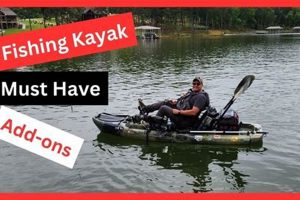
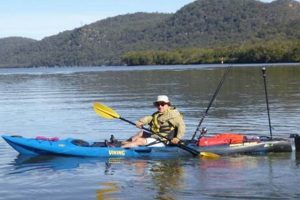
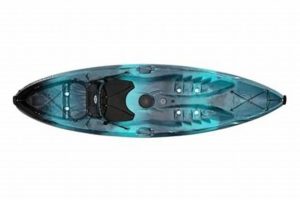
Recreational angling from small, lightweight watercraft designed for stability and maneuverability during daylight hours offers a unique blend of outdoor activity, sport, and connection with nature. This pursuit often involves specialized equipment tailored for these vessels, enhancing both comfort and effectiveness.
This activity provides numerous physical and mental health benefits. The low-impact exercise involved in paddling and casting contributes to improved cardiovascular health and muscle strength. Simultaneously, the tranquility of being on the water can reduce stress and promote mental well-being. Historically, small boats have played a crucial role in fishing cultures worldwide, evolving from essential tools for sustenance to popular platforms for recreational pursuits. This enduring appeal underscores the intrinsic human connection with both nature and the challenge of angling.
Further exploration of this topic might include discussions on suitable kayak selection, essential fishing gear, effective paddling techniques, responsible angling practices, and popular fishing locations. Safety considerations, including appropriate attire and emergency preparedness, are also crucial elements to address.
Tips for Successful Daylight Kayak Angling
Careful planning and preparation are essential for a safe and productive fishing experience from a kayak during daylight hours. The following tips offer valuable guidance for anglers of all skill levels.
Tip 1: Choose the Right Kayak: Kayak selection should prioritize stability, especially for anglers. Sit-on-top kayaks offer inherent stability and self-bailing capabilities, ideal for fishing. Consider kayak length and width, balancing maneuverability with load capacity.
Tip 2: Organize and Secure Equipment: Essential gear, including rods, reels, tackle boxes, and safety equipment, should be readily accessible yet securely stored to prevent loss or interference with paddling. Utilize specialized kayak storage solutions like rod holders and crates.
Tip 3: Prioritize Safety: Always wear a personal flotation device (PFD). Carry a whistle, signaling mirror, and communication device. Check weather forecasts before embarking and inform someone of your fishing plans, including location and expected return time.
Tip 4: Master Basic Paddling Strokes: Efficient paddling techniques conserve energy and enhance maneuverability. Learn forward and reverse strokes, sweep strokes for turning, and draw strokes for lateral movement. Practice paddling in various conditions to build confidence and skill.
Tip 5: Understand Fishing Regulations: Obtain necessary fishing licenses and familiarize oneself with local regulations, including size and catch limits. Practice ethical angling and catch-and-release techniques when appropriate.
Tip 6: Employ Effective Anchoring Techniques: Utilize a lightweight anchor suitable for kayak fishing. Consider anchor trolley systems for optimal positioning and control in different fishing scenarios, particularly in current or wind.
Tip 7: Pack Essential Supplies: Carry ample water, sunscreen, insect repellent, and a first-aid kit. Include a hat, sunglasses, and appropriate clothing for varying weather conditions. Pack a dry bag for electronics and other valuables.
Adhering to these guidelines enhances both safety and the likelihood of a successful fishing trip. Thorough preparation contributes significantly to an enjoyable and rewarding experience on the water.
By implementing these strategies, anglers can maximize their potential for a positive and productive outing while minimizing risks.
1. Safety Equipment

Safety equipment is paramount for mitigating inherent risks associated with on-the-water activities, especially during daylight kayak fishing excursions. Prioritizing safety ensures enjoyable and incident-free experiences, allowing participants to fully appreciate the recreational and sporting aspects.
- Personal Flotation Devices (PFDs)
PFDs are fundamental safety items for all on-water activities. A properly fitted PFD provides essential buoyancy in the event of capsizing or accidental immersion, significantly increasing survival chances. Selecting a PFD designed specifically for paddling enhances comfort and mobility during fishing.
- Signaling Devices
Visual and auditory signaling devices are crucial for attracting attention in emergency situations. A whistle can signal distress over greater distances than shouting. A mirror can reflect sunlight towards potential rescuers, particularly aircraft. Carrying a waterproof, charged mobile phone or VHF radio allows direct communication with emergency services.
- First-Aid Kit
A comprehensive first-aid kit is essential for addressing minor injuries that may occur during fishing activities, such as hook punctures, cuts, or abrasions. The kit should contain waterproof bandages, antiseptic wipes, pain relievers, and any personal medications. Knowledge of basic first-aid procedures enhances the effectiveness of the kit.
- Navigation and Lighting
While daylight minimizes navigation challenges, carrying a compass or GPS device can prove beneficial, especially in unfamiliar waters or changing weather conditions. A headlamp or waterproof flashlight becomes essential if unexpectedly delayed on the water after dark. Checking weather forecasts prior to departure is also a key safety practice.
Diligent attention to these safety precautions allows anglers to confidently enjoy daylight kayak fishing while mitigating potential risks. Prioritizing safety enhances the overall experience, fostering a sense of security and allowing full engagement with the natural environment.
2. Kayak Selection

Kayak selection significantly impacts the overall experience of daylight kayak fishing, influencing both safety and effectiveness. Choosing an appropriate vessel contributes to long-term enjoyment and fosters a sustainable engagement with the activity. The kayak’s stability, storage capacity, and maneuverability directly affect angling success and on-the-water comfort. An unstable kayak can hinder casting accuracy and present safety concerns, while insufficient storage limits equipment capacity. A kayak difficult to maneuver restricts access to prime fishing spots.
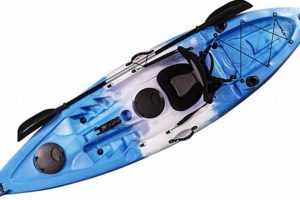
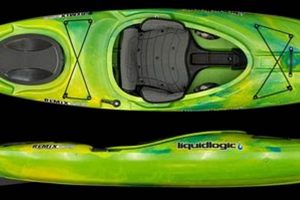
Consider, for example, the differences between a recreational sit-on-top kayak and a longer, narrower touring kayak. The sit-on-top design offers inherent stability and self-bailing capabilities, advantageous for fishing activities, particularly for beginners. Its wider beam provides a stable platform for casting and retrieving fish. Conversely, a touring kayak, designed for speed and efficiency over long distances, may be less stable and offer limited storage for fishing gear. Choosing a kayak specifically designed for fishing, often equipped with rod holders and specialized storage compartments, enhances the overall experience. Similarly, selecting a kayak with appropriate weight capacity ensures safe and efficient operation when loaded with fishing gear and potential catches.
Appropriate kayak selection fosters a positive feedback loop. A comfortable and efficient vessel enhances enjoyment, encouraging continued participation and fostering a lifelong appreciation for the sport. Conversely, an unsuitable kayak can lead to frustration and potentially discourage future engagement. Therefore, careful consideration of individual needs and fishing style is paramount when choosing a kayak for daylight fishing. This informed decision contributes significantly to a safe, productive, and ultimately, more rewarding experience on the water.
3. Efficient Paddling
Efficient paddling forms a cornerstone of successful and enjoyable lifetime daylite kayak fishing. Proficient paddling technique translates directly to enhanced maneuverability, reduced fatigue, and maximized fishing time. The ability to precisely position the kayak in optimal fishing locations, navigate currents and wind effectively, and cover greater distances without undue exertion are crucial components of a productive and fulfilling fishing experience. Conversely, inefficient paddling leads to wasted energy, decreased control, and potentially, a shortened fishing trip due to exhaustion. This can detract significantly from the overall enjoyment and long-term pursuit of the activity.
Consider a scenario where an angler identifies a promising fishing spot across a current. An efficient paddler can utilize appropriate strokes, such as sweep strokes and draw strokes, to maintain precise positioning and control against the current’s force, maximizing fishing time in the target area. Conversely, an inefficient paddler might struggle against the current, expending significant energy with minimal progress, potentially missing the opportunity altogether. Similarly, in windy conditions, efficient paddling enables the angler to maintain course and stability, while inefficient paddling can result in excessive drift and difficulty controlling the kayak, jeopardizing both fishing success and safety.
The long-term benefits of efficient paddling extend beyond immediate fishing success. Reduced physical strain contributes to injury prevention, promoting sustained participation in the activity throughout one’s lifetime. The ability to paddle efficiently fosters confidence on the water, encouraging exploration of new fishing locations and enhancing the overall connection with the natural environment. Mastering fundamental paddling techniques and practicing regularly are therefore essential investments for anyone seeking a fulfilling and sustainable lifetime engagement with daylite kayak fishing.
4. Appropriate Attire

Appropriate attire is crucial for comfort and safety during daylight kayak fishing excursions, directly impacting both enjoyment and the ability to engage in the activity over an extended period. Proper clothing choices mitigate potential risks associated with environmental exposure and enhance overall performance on the water. Ignoring appropriate attire can lead to discomfort, health issues, and potentially hazardous situations, potentially curtailing participation in the sport.
- Sun Protection
Prolonged exposure to sunlight during daylight hours necessitates comprehensive sun protection. Lightweight, long-sleeved shirts and wide-brimmed hats minimize direct skin exposure to harmful ultraviolet radiation. Sunscreen with a high SPF rating provides additional protection for exposed skin. Sunglasses with polarized lenses reduce glare and improve visibility on the water, contributing to both comfort and safety. Neglecting sun protection can lead to sunburn, long-term skin damage, and potential health risks, impacting the ability to engage in outdoor activities over time.
- Layering for Variable Conditions
Weather conditions can change rapidly on the water. Dressing in layers allows adjustment to fluctuating temperatures and moisture levels. A moisture-wicking base layer helps regulate body temperature and prevents discomfort from perspiration. An insulating mid-layer provides warmth in cooler conditions. A waterproof outer layer protects against rain and spray. This adaptable system ensures comfort throughout the fishing trip, regardless of weather variations.
- Footwear
Appropriate footwear enhances both comfort and safety while kayaking. Water shoes or sandals with secure straps provide grip on wet surfaces and protect feet from sharp objects. Avoid wearing open-toed shoes or flip-flops, which can easily come off in the water or become entangled in fishing gear. Proper footwear minimizes the risk of slips and injuries, contributing to a safe and enjoyable fishing experience.
- Specialized Fishing Apparel
Fishing-specific apparel often incorporates features designed to enhance functionality and comfort. Fishing vests with multiple pockets provide convenient storage for essential gear, such as lures, tools, and fishing licenses. Quick-drying fabrics enhance comfort and prevent chills after accidental immersion. These specialized garments contribute to efficiency and overall enjoyment on the water.
Appropriate attire contributes significantly to the sustainability of lifetime daylite kayak fishing. By prioritizing comfort and safety, anglers can mitigate potential risks and maximize enjoyment on the water. Choosing clothing that protects against environmental elements and enhances functionality allows for sustained participation in the sport over an extended period. The cumulative effect of consistent, thoughtful attire choices contributes to a fulfilling and enduring experience with daylite kayak fishing.
5. Respectful Angling

Respectful angling practices are integral to the sustainability of lifetime daylite kayak fishing. These practices ensure the preservation of aquatic ecosystems and the continued enjoyment of the sport for future generations. Ethical considerations extend beyond mere adherence to regulations, encompassing a deeper understanding of the interconnectedness between angling activities and environmental well-being. This holistic approach fosters a sense of responsibility and stewardship among anglers, contributing to the long-term health and vitality of aquatic environments.
- Catch-and-Release Principles
Proper catch-and-release techniques minimize stress and injury to fish, promoting healthy fish populations. Using appropriate hooks, handling fish gently with wet hands, and minimizing air exposure contribute to successful release. Promptly returning fish to the water ensures their survival and minimizes disruption to their natural behaviors. Employing barbless hooks further reduces the potential for harm during the release process. These actions contribute to the overall health and resilience of the fish population, enabling continued enjoyment of the sport.
- Minimizing Environmental Impact
Respectful anglers strive to minimize their impact on the surrounding environment. Proper disposal of fishing line and other debris prevents entanglement of wildlife and pollution of waterways. Avoiding disturbance of sensitive habitats, such as spawning beds and nesting areas, protects vulnerable species. Respecting private property and adhering to access regulations further demonstrates responsible angling practices. These mindful actions contribute to the preservation of natural habitats and ensure the long-term health of the ecosystem.
- Adherence to Regulations
Following fishing regulations, including size and catch limits, plays a crucial role in maintaining healthy fish populations. Regulations are designed to protect vulnerable species and ensure sustainable fishing practices. Staying informed about current regulations and adhering to them demonstrates respect for the resource and contributes to the long-term health of the fishery. Ignoring regulations can have detrimental effects on fish populations and jeopardize the future of the sport.
- Promoting Ethical Angling Practices
Sharing respectful angling practices with others fosters a culture of responsible stewardship among the angling community. Educating fellow anglers about proper catch-and-release techniques, environmental awareness, and adherence to regulations contributes to the broader conservation effort. Mentoring new anglers instills ethical values from the outset, fostering a lifelong commitment to responsible fishing practices. This collective effort ensures the sustainability of the sport and the preservation of aquatic resources for generations to come.
By embracing respectful angling practices, individuals contribute to the longevity of daylite kayak fishing as a sustainable recreational activity. These practices not only protect the environment but also enhance the overall fishing experience, fostering a deeper appreciation for the natural world and ensuring the continued enjoyment of the sport for years to come. This interconnectedness between ethical angling and the long-term health of aquatic ecosystems underscores the importance of responsible stewardship among all who participate in this rewarding pursuit.
6. Location Awareness

Location awareness represents a critical element within the framework of lifetime daylite kayak fishing. A comprehensive understanding of one’s surroundings contributes significantly to both safety and angling success. This awareness encompasses multiple facets, including navigation, environmental factors, and potential hazards. Failure to prioritize location awareness can lead to disorientation, inefficient fishing strategies, and potentially dangerous situations. Conversely, a strong grasp of location enhances angling effectiveness, promotes safe navigation, and fosters a deeper appreciation for the aquatic environment.
Consider navigating a complex estuary system during a changing tide. An angler knowledgeable about tidal flows, channels, and potential shallow areas can effectively position the kayak for optimal fishing opportunities while avoiding grounding or navigating hazardous currents. Conversely, an angler lacking this awareness might become stranded, encounter unexpected currents, or miss prime fishing locations. Similarly, recognizing prominent landmarks, understanding weather patterns specific to a given area, and identifying potential hazards like submerged logs or rocks contribute significantly to a safer and more productive fishing experience. Knowledge of local regulations regarding fishing zones and access restrictions further underscores the importance of location awareness.
Cultivating location awareness becomes increasingly valuable over a lifetime of daylite kayak fishing. Experience gained through repeated visits to familiar fishing locations builds a comprehensive understanding of environmental nuances and seasonal variations. This accumulated knowledge informs strategic decision-making, enhances adaptability to changing conditions, and ultimately contributes to a more fulfilling and sustainable engagement with the sport. Furthermore, prioritizing location awareness fosters a deeper connection with the natural environment, promoting responsible angling practices and a greater appreciation for the delicate balance within aquatic ecosystems. This understanding underscores the significance of location awareness as an integral component of safe, productive, and environmentally conscious daylite kayak fishing throughout one’s lifetime.
7. Weather Preparedness
Weather preparedness forms a cornerstone of safe and enjoyable lifetime daylite kayak fishing. The inherent exposure to the elements during on-the-water activities necessitates careful consideration of weather conditions before and during any excursion. Failing to prioritize weather preparedness can expose anglers to potentially hazardous situations, ranging from minor discomfort to life-threatening scenarios. Conversely, diligent attention to weather forecasts, real-time conditions, and appropriate safety measures allows for informed decision-making, minimizing risks and maximizing enjoyment throughout a lifetime of kayak fishing.
Consider the impact of an unexpected squall on a daylite kayak fishing trip. An angler prepared for changing weather, having checked forecasts and carried appropriate rain gear and safety equipment, can adapt to the changing conditions, ensuring personal safety and potentially continuing the fishing experience, albeit modified. Conversely, an angler caught unprepared might face significant discomfort, risk of hypothermia, or even capsizing due to high winds and waves. Similarly, understanding the potential for rapid temperature changes, particularly during the shoulder seasons, allows for appropriate layering of clothing, preventing discomfort and potential health issues. Monitoring real-time weather updates via mobile devices or VHF radio provides critical information for informed decision-making while on the water. Awareness of local weather patterns, such as afternoon thunderstorms or prevailing wind directions, further enhances safety and preparedness.
The long-term significance of weather preparedness extends beyond immediate safety considerations. Consistent attention to weather conditions cultivates a proactive approach to risk management, contributing to a lifetime of safe and enjoyable kayak fishing experiences. This preparedness fosters confidence on the water, enabling anglers to adapt to changing conditions and make informed decisions about whether to embark on or continue a fishing trip. Ultimately, prioritizing weather preparedness allows anglers to fully appreciate the recreational and sporting aspects of daylite kayak fishing while minimizing potential risks. This informed approach underscores the integral role of weather awareness in ensuring a sustainable and fulfilling lifelong engagement with the sport.
Frequently Asked Questions
This section addresses common inquiries regarding daylight kayak fishing, providing concise and informative responses to facilitate informed participation and enhance understanding of this popular activity.
Question 1: What inherent advantages does a kayak offer for fishing compared to larger motorized boats?
Kayaks provide access to shallow, secluded waters often inaccessible to larger vessels, expanding fishing opportunities. Their quiet operation minimizes disturbance to fish, enhancing angling success. Kayaks also offer a closer connection with the natural environment and require less financial investment and maintenance compared to motorized boats.
Question 2: How does one select an appropriate kayak for fishing purposes?
Kayak selection hinges on several factors, including angler experience, intended fishing locations, and desired features. Sit-on-top kayaks offer inherent stability and self-bailing capabilities, ideal for beginners. Consider stability, storage capacity, and maneuverability when making a selection. Specialized fishing kayaks often incorporate features like rod holders and integrated storage compartments.
Question 3: What essential safety precautions should one observe during daylight kayak fishing trips?
Always wear a personal flotation device (PFD). Inform someone of planned fishing locations and estimated return times. Carry essential safety equipment, including a whistle, signaling mirror, and communication device. Check weather forecasts before embarking and be prepared for changing conditions. Understanding basic paddling techniques and self-rescue procedures enhances safety.
Question 4: How does one effectively organize and manage fishing gear within a kayak’s limited space?
Utilizing specialized kayak storage solutions, such as rod holders, tackle crates, and dry bags, maximizes space efficiency and maintains order. Prioritize essential gear and secure items to prevent loss or interference with paddling. Distributing weight evenly within the kayak enhances stability and maneuverability.
Question 5: What are the key considerations for responsible and sustainable kayak fishing practices?
Adhering to catch-and-release principles, minimizing environmental impact, and respecting local regulations are crucial components of responsible angling. Proper disposal of fishing line and other debris prevents pollution and protects wildlife. Respecting private property and avoiding disturbance of sensitive habitats demonstrate environmental stewardship.
Question 6: How does weather awareness contribute to successful and safe kayak fishing?
Checking weather forecasts before departure and monitoring real-time conditions during the fishing trip are essential safety practices. Understanding potential weather changes and carrying appropriate gear for varying conditions, such as rain gear and extra layers, ensures comfort and mitigates risks. Being prepared to adjust plans or return to shore if weather deteriorates demonstrates prudent decision-making.
Careful consideration of these frequently asked questions contributes significantly to enhancing safety, promoting responsible angling practices, and ultimately, fostering a fulfilling and sustainable lifetime engagement with daylight kayak fishing.
The next section offers a detailed exploration of recommended fishing gear and techniques specifically tailored for kayak angling.
Lifetime Daylite Kayak Fishing
This exploration of daylight kayak angling has highlighted the multifaceted nature of this rewarding pursuit. From equipment selection and paddling techniques to safety considerations and environmental stewardship, each element contributes significantly to the overall experience. Prioritizing safety through proper attire, equipment, and weather awareness ensures enjoyable and incident-free outings. Efficient paddling techniques maximize fishing time and minimize physical exertion, contributing to long-term engagement with the sport. Respectful angling practices, encompassing catch-and-release principles and adherence to regulations, ensure the sustainability of aquatic ecosystems and preserve the sport for future generations. A comprehensive understanding of location and environmental factors enhances both angling success and overall appreciation for the natural world.
Ultimately, lifetime daylite kayak fishing represents more than simply a recreational activity; it embodies a connection with nature, a pursuit of skill development, and a commitment to responsible environmental stewardship. Through informed preparation, continuous learning, and a mindful approach, individuals can cultivate a lifelong appreciation for this unique and enriching pursuit, ensuring its enduring appeal for generations to come. The future of this activity rests on the collective commitment to sustainable practices and the ongoing pursuit of knowledge and skill development within the angling community.