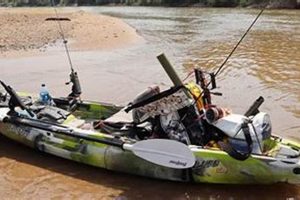
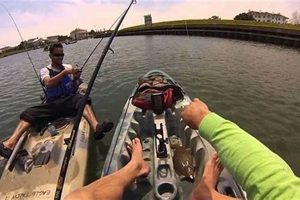
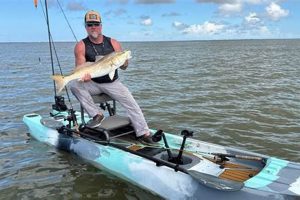
Paddling through the shallow, clear waters surrounding the Florida Keys in a small, maneuverable vessel offers anglers unparalleled access to diverse marine life. This method allows for quiet approaches to shallow flats, mangrove-lined shorelines, and hard-to-reach backcountry channels, targeting species like tarpon, bonefish, permit, snook, redfish, and various snapper species. The quiet nature of this approach minimally disturbs fish, leading to increased opportunities for successful catches.
This style of angling offers a unique blend of sport, challenge, and immersion in the natural beauty of the Keys. It provides a low-impact, sustainable way to experience the environment while enjoying the thrill of the chase. Historically, smaller boats have been utilized for fishing in the Keys, but the increasing popularity of this specific approach highlights its effectiveness and the growing appreciation for eco-conscious angling. Its accessibility, combined with the potential for exciting catches, attracts both seasoned anglers and newcomers to the sport.
Further exploration will delve into specific techniques, essential equipment, recommended locations, and responsible fishing practices within this unique angling experience. This information will equip readers with the knowledge necessary to plan a successful and enjoyable outing in the Florida Keys.
Tips for Kayak Fishing in the Florida Keys
Successful angling in the Florida Keys from a kayak requires careful planning and execution. The following tips provide valuable insights for a productive and enjoyable experience.
Tip 1: Understand Tidal Flows: Tidal currents significantly impact fish behavior and movement. Consulting tide charts and understanding how water flows through channels and over flats is crucial for locating fish and planning an effective strategy.
Tip 2: Prioritize Safety: Wearing a personal flotation device is paramount. Carrying essential safety equipment, including a whistle, signaling device, and first-aid kit, ensures preparedness for unforeseen circumstances. Checking weather forecasts before embarking on any trip is crucial.
Tip 3: Choose Appropriate Gear: Selecting the right tackle, including rods, reels, lines, and lures, depends on the target species. Local tackle shops can offer valuable advice and recommendations based on current fishing conditions and target species.
Tip 4: Practice Stealth and Observation: Minimizing noise and movement is crucial for approaching fish undisturbed. Observing bird activity and baitfish movement can provide clues to the location of larger predatory fish.
Tip 5: Respect the Environment: Practicing catch-and-release fishing helps preserve fish populations. Adhering to local regulations and properly disposing of fishing line and other waste minimizes environmental impact.
Tip 6: Employ Effective Anchoring Techniques: Utilizing a shallow-water anchor system appropriate for the local environment prevents drifting and maintains position in desired fishing areas. Understanding proper anchoring techniques minimizes disturbance to the seabed.
Tip 7: Pack Light and Efficiently: Organizing tackle and gear within the kayak maximizes space and accessibility. Keeping essential items readily available ensures efficient retrieval while minimizing movement and maintaining balance.
By adhering to these tips, anglers can enhance their success rate, prioritize safety, and contribute to the preservation of this unique ecosystem.
These guidelines contribute to a more rewarding experience, allowing anglers to connect with the natural environment while enjoying the challenge and excitement of this specialized fishing style.
1. Location Scouting
Effective location scouting is paramount for successful kayak fishing in the Florida Keys. The diverse ecosystem presents a range of habitats, each attracting different species. Understanding these nuances and identifying productive fishing grounds beforehand significantly increases the likelihood of a successful outing. For example, shallow flats teeming with bonefish require a different approach than deeper channels holding tarpon. Pre-trip research using nautical charts, online resources, and local fishing reports helps anglers pinpoint areas likely to hold target species. Observing tidal flows, identifying structure such as submerged grass beds or rocky outcrops, and noting the presence of baitfish are crucial elements of effective scouting.
Targeted scouting minimizes wasted time on the water and allows anglers to focus efforts on promising areas. Visiting local tackle shops or engaging with experienced guides can provide valuable insights into current fishing conditions and productive locations. Analyzing satellite imagery can reveal subtle variations in bottom contours and vegetation, further refining location choices. For instance, locating channels that intersect flats can concentrate fish movement during tidal changes, presenting prime ambush points for predators. Understanding these intricacies through diligent scouting translates directly to improved catch rates and a more rewarding fishing experience.
In essence, location scouting serves as the foundation for successful Keys kayak fishing. It enables anglers to strategically plan their approach, maximizing time on the water. This proactive approach, coupled with an understanding of fish behavior and habitat preferences, significantly enhances the likelihood of encountering target species. While the element of chance always plays a role in fishing, meticulous location scouting minimizes this factor and puts anglers in the best position to succeed.
2. Tidal Planning

Tidal planning is inextricably linked to successful kayak fishing in the Florida Keys. Tidal currents dictate fish movement and feeding patterns. Incoming tides flood shallow flats, carrying baitfish and attracting larger predatory species. Conversely, outgoing tides concentrate fish in channels and deeper holes as water recedes. Understanding these tidal influences allows anglers to position themselves strategically for optimal fishing opportunities. For example, fishing a flat during an incoming tide allows anglers to intercept fish moving onto the shallows to feed. Conversely, fishing a channel during an outgoing tide concentrates fish into a smaller area, increasing the likelihood of encounters.
Practical applications of tidal planning include consulting tide charts before embarking on a fishing trip. These charts predict high and low tide times, enabling anglers to plan their fishing schedule accordingly. Furthermore, understanding how tides interact with specific locations, such as channels, flats, and inlets, enhances fishing effectiveness. For instance, a channel with strong current during an outgoing tide might attract tarpon or other predatory fish seeking an easy meal. Recognizing these nuances provides anglers with a significant advantage. Moreover, tidal planning helps determine the appropriate type of fishing presentation. Faster currents might require heavier lures or weights, while slower currents allow for more finesse-oriented approaches.
In conclusion, tidal planning represents a critical component of successful kayak fishing in the Florida Keys. It provides anglers with a predictive framework for understanding fish behavior and optimizing fishing strategies. By considering tidal influences, anglers can anticipate fish movement, select appropriate locations and presentations, and ultimately increase their chances of a successful and rewarding fishing experience. Neglecting tidal planning can lead to unproductive outings, highlighting its fundamental importance within this specialized angling discipline.
3. Specialized Tackle

Specialized tackle plays a crucial role in successful keys kayak fishing. The unique demands of this angling style necessitate gear choices that differ significantly from traditional boat or shore fishing. Lightweight yet robust rods and reels are essential for maneuverability and casting accuracy from a kayak’s limited space. Shorter rods, typically in the 6-7 foot range, offer better control and reduce the risk of tangling in the confined environment. Reels should be saltwater-resistant and feature smooth drag systems capable of handling powerful runs from targeted species such as tarpon or permit. Braided fishing line offers superior strength and sensitivity compared to monofilament, allowing for better hooksets and detection of subtle bites. Given the shallow-water environments often targeted, specialized shallow-water anchors and anchoring systems are crucial for maintaining position and minimizing disturbance to the seabed. Drift chutes further enhance boat control in windy conditions. For instance, targeting bonefish on the flats necessitates a light spinning setup with a 7-weight rod and a reel spooled with braided line, while pursuing tarpon in deeper channels demands a heavier setup with a 10-12 weight rod and a large arbor reel capable of handling heavier lines and powerful fish.
The selection of appropriate lures and terminal tackle further contributes to success. Lures mimicking local baitfish or crustaceans, such as shrimp imitations, crab patterns, and small baitfish profiles, prove highly effective. Weedless hooks and weighted flies prevent snags in vegetated areas or on the bottom. Fluorocarbon leader material, with its low visibility and abrasion resistance, increases the chances of enticing wary fish. Furthermore, a well-organized tackle system is paramount. Kayak anglers must maximize limited space and ensure quick access to essential gear. Waterproof tackle boxes and bags protect equipment from saltwater exposure and maintain organization. For example, a dedicated fly box containing a selection of bonefish flies and a separate box with tarpon flies streamlines lure changes and optimizes fishing time.
In summary, the considered selection and application of specialized tackle significantly impact success in keys kayak fishing. Prioritizing lightweight, durable, and saltwater-resistant gear tailored to target species and fishing conditions is essential. A well-organized and accessible tackle system further enhances efficiency on the water. Understanding these nuances allows anglers to optimize their approach, increasing the likelihood of positive outcomes while maximizing the enjoyment of this unique angling experience. The right gear facilitates not only successful catches but also a safer and more efficient interaction with the challenging yet rewarding environment of the Florida Keys.
4. Stealthy Approach

In the shallow, clear waters of the Florida Keys, a stealthy approach is paramount for successful kayak fishing. Fish are easily spooked in these environments, making subtle movements and noise reduction essential for getting within casting range. This necessitates a conscious effort to minimize disturbances and blend in with the surroundings. The following facets illustrate the key components of a stealthy approach and their importance in this unique fishing environment.
- Minimizing Kayak Movement
Excessive paddling or sudden shifts in weight can create ripples and vibrations that alert fish to an angler’s presence. Smooth, deliberate paddle strokes and maintaining a low center of gravity minimize disturbances. Drifting silently with the wind or current can be particularly effective when approaching shallow flats or areas with spooky fish. For example, when approaching a school of bonefish tailing in shallow water, a slow, controlled drift allows for a closer approach than aggressive paddling.
- Reducing Noise Pollution
Dropping tackle boxes, banging paddles against the kayak, or even loud conversations can send fish scattering. Keeping gear organized and securing loose items minimizes accidental noises. Opting for soft-sided tackle bags over hard plastic boxes further reduces sound transmission. Maintaining a quiet environment is crucial, especially when fishing in calm conditions where sound travels easily through the water. For instance, the clatter of a dropped pliers can spook fish in a quiet mangrove channel.
- Blending with the Surroundings
Kayaks, particularly brightly colored ones, can stand out against the natural backdrop. Choosing a kayak with a neutral color or using camouflage helps anglers blend in with the surrounding mangroves, seagrass, or open water. Wearing clothing in muted tones further reduces visibility. This camouflage becomes particularly critical when fishing in clear, shallow water where fish have a clear view of the surface. For example, a brightly colored kayak can easily spook permit on a shallow flat, while a camouflaged kayak blends seamlessly with the environment.
- Observing Fish Behavior
Before making a cast, observing fish behavior provides crucial insights into their mood and feeding patterns. Look for signs of active feeding, such as tailing redfish or rolling tarpon. Approaching cautiously and presenting lures or flies naturally increases the likelihood of a successful hookup. Understanding fish behavior and reacting accordingly is a cornerstone of a stealthy and effective approach. For example, noticing a school of snook ambushing baitfish along a mangrove shoreline allows for a targeted and discreet presentation.
These facets of a stealthy approach collectively contribute to a more effective and rewarding kayak fishing experience in the Florida Keys. By minimizing disturbances, blending with the environment, and understanding fish behavior, anglers significantly increase their chances of encountering and catching these prized sportfish. This approach not only improves fishing success but also promotes a deeper connection with the natural environment and fosters a more respectful angling practice.
5. Conservation Practices

Conservation practices are integral to the sustainability of keys kayak fishing. This delicate ecosystem thrives on responsible angling practices that minimize environmental impact and preserve fish populations for future generations. Understanding and implementing these practices ensures the long-term health of the marine environment and the continued enjoyment of this unique fishing experience.
- Catch-and-Release Fishing
Catch-and-release is a cornerstone of conservation in keys kayak fishing. Returning caught fish to the water quickly and carefully minimizes stress and maximizes their chances of survival. Proper handling techniques, such as using wet hands or a landing net, and minimizing air exposure are crucial. Utilizing barbless hooks further reduces injury to fish during the release process. For example, promptly releasing a bonefish after a quick photo ensures its survival and contributes to the health of the bonefish population.
- Proper Waste Disposal
Discarded fishing line, plastic packaging, and other debris pose significant threats to marine life. Properly disposing of all waste, including fishing line and tackle remnants, is crucial for minimizing pollution and protecting the fragile ecosystem. Carrying a small trash bag or utilizing designated disposal receptacles ensures responsible waste management. For instance, retrieving a tangled mass of discarded fishing line from a mangrove prevents entanglement of birds, fish, and other marine organisms.
- Respecting Sensitive Habitats
Seagrass beds, mangroves, and coral reefs provide essential habitat for a variety of marine species. Avoiding contact with these sensitive areas, particularly when anchoring or wading, minimizes damage and preserves these vital ecosystems. Utilizing designated anchoring zones or employing shallow-water anchor systems further reduces potential impacts. For example, anchoring in a sandy patch instead of a seagrass bed prevents damage to this critical habitat that supports numerous fish and invertebrate species.
- Adhering to Regulations
Fishing regulations, including bag limits, size restrictions, and seasonal closures, are designed to manage fish populations and protect vulnerable species. Adhering to these regulations is essential for ensuring sustainable fishing practices. Familiarizing oneself with current regulations before embarking on a fishing trip demonstrates responsible angling and contributes to the overall health of the fishery. For example, respecting size limits on redfish ensures that younger fish have the opportunity to reproduce and contribute to the population’s long-term viability.
These conservation practices collectively contribute to the long-term health and sustainability of the keys kayak fishing experience. By embracing responsible angling techniques, respecting sensitive habitats, and adhering to regulations, anglers actively participate in preserving this valuable resource for future generations. These actions demonstrate a commitment to environmental stewardship and ensure the continued enjoyment of this unique and rewarding fishing environment. The future of keys kayak fishing relies on the collective adoption and consistent application of these conservation principles.
Frequently Asked Questions
This section addresses common inquiries regarding kayak fishing in the Florida Keys, providing concise and informative responses to facilitate a deeper understanding of this specialized angling pursuit.
Question 1: What are the essential safety precautions for kayak fishing in the Keys?
Wearing a personal flotation device (PFD) is paramount. Carrying a whistle, signaling device, VHF radio, and a fully stocked first-aid kit is strongly recommended. Checking marine weather forecasts before embarking on any trip is crucial, as conditions can change rapidly. Informing someone of planned fishing locations and estimated return times enhances safety.
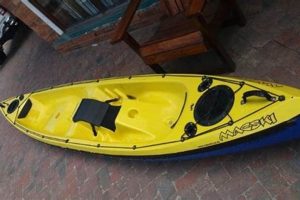
Question 2: What type of kayak is best suited for fishing in the Florida Keys?
Sit-on-top kayaks are generally preferred for their stability, ease of entry and exit, and ample storage space. Selecting a kayak specifically designed for fishing, with features like rod holders and built-in storage compartments, enhances functionality and convenience. Kayak length and width should be chosen based on individual angler size and intended fishing locations.
Question 3: Are there specific fishing regulations or licensing requirements?
A Florida saltwater fishing license is required for anglers targeting saltwater species. Specific regulations exist regarding bag limits, size restrictions, and seasonal closures for various species. Consulting the Florida Fish and Wildlife Conservation Commission (FWC) website provides access to current regulations and ensures compliance.
Question 4: What are the primary target species for kayak anglers in the Keys?
Popular target species include tarpon, bonefish, permit, snook, redfish, snapper, and a variety of other reef fish. The chosen tackle and fishing techniques should align with the target species and prevailing fishing conditions.
Question 5: What are the best times to fish in the Florida Keys?
Fishing can be productive year-round, but specific species may be more prevalent during certain seasons. Understanding seasonal fish migrations and spawning patterns informs targeted fishing approaches. Tidal flows significantly influence fish behavior, making tidal planning a key element of successful fishing strategies.
Question 6: Are guided kayak fishing trips available in the Keys?
Numerous reputable guide services offer kayak fishing trips in the Florida Keys. Guided trips provide valuable insights into local fishing grounds, effective techniques, and best practices. Engaging a guide can be particularly beneficial for novice anglers or those unfamiliar with the area.
Understanding these key aspects facilitates informed decision-making and contributes to safer, more productive, and environmentally responsible kayak fishing experiences in the unique ecosystem of the Florida Keys. Preparation and knowledge are essential components of success in this challenging yet rewarding angling pursuit.
Further sections will delve into specific techniques, recommended locations, and responsible fishing practices to enhance the reader’s understanding and preparation for this specialized angling experience.
Keys Kayak Fishing
This exploration has highlighted the multifaceted nature of keys kayak fishing, emphasizing the interplay of environmental awareness, specialized techniques, and responsible angling practices. From understanding tidal influences and mastering stealthy approaches to selecting appropriate tackle and prioritizing conservation, each element contributes significantly to a successful and sustainable fishing experience. The importance of pre-trip planning, including location scouting and familiarization with local regulations, has been underscored as crucial for maximizing fishing success while minimizing environmental impact.
The future of this unique angling pursuit hinges on the continued adoption of conservation-minded practices. Respecting fragile ecosystems, adhering to regulations, and promoting catch-and-release principles safeguard the long-term health of fish populations and preserve the pristine environment of the Florida Keys. Through informed decision-making and a commitment to responsible angling, the rewarding challenge and immersive experience of keys kayak fishing can be enjoyed for generations to come. This pursuit offers not just the thrill of the catch, but a deeper connection with the natural world and a responsibility to protect its delicate balance.