A facilitator of angling experiences from small, human-powered vessels in the waters surrounding Key Largo, Florida, offers specialized knowledge of local ecosystems, effective techniques, and relevant regulations. This expertise can encompass recommending appropriate equipment, identifying productive fishing locations, and instructing on species-specific strategies. An example would be a local expert who provides guided tours for catching tarpon and bonefish in the shallow flats.
Access to this specialized knowledge offers several advantages. It can significantly increase the likelihood of a successful fishing trip, particularly for those unfamiliar with the area or kayak fishing in general. Furthermore, it promotes sustainable fishing practices through education on local regulations and conservation efforts. Historically, fishing guides have played a crucial role in the local economy, sharing their intimate knowledge of the waters and contributing to the overall tourism experience.
This resource explores various aspects relevant to anglers seeking such assistance. Topics covered include the selection process, equipment considerations, target species, and the overall impact on the Key Largo fishing experience.
Tips for Kayak Fishing in Key Largo
Successful kayak fishing excursions in Key Largo require preparation and awareness. The following tips provide valuable insights for enhancing angling experiences.
Tip 1: Research and select a reputable guide. Local expertise offers significant advantages, including knowledge of productive fishing spots, effective techniques, and current regulations. Seek guides with established reputations and experience in the desired fishing style.
Tip 2: Choose appropriate attire and gear. Lightweight, breathable clothing is essential for comfort in the Florida climate. Polarized sunglasses reduce glare and improve visibility, while a wide-brimmed hat offers sun protection. Pack essential safety equipment, including a personal flotation device, whistle, and signaling device.
Tip 3: Familiarize oneself with local regulations. Obtain necessary fishing licenses and understand size and catch limits for target species. Adhering to regulations protects fish populations and ensures sustainable fishing practices.
Tip 4: Pack essential fishing equipment. Rod and reel selection should align with target species. Pack a variety of lures and tackle appropriate for the local fish. A well-stocked tackle box can significantly improve fishing success.
Tip 5: Prioritize safety. Monitor weather conditions and avoid fishing during storms or strong winds. Inform someone of fishing plans and estimated return time. Carry a first-aid kit and be prepared for unexpected situations.
Tip 6: Practice proper kayak handling techniques. Understanding basic paddling strokes and maneuvering techniques enhances stability and efficiency on the water. Practice entering and exiting the kayak safely, especially in shallow water.
Tip 7: Respect the environment. Practice catch-and-release whenever possible, handling fish gently and minimizing their time out of the water. Dispose of fishing line and other waste responsibly. Respect wildlife and avoid disturbing nesting areas.
Careful planning and preparation are crucial for a successful and enjoyable kayak fishing experience. Adhering to these tips ensures safety, maximizes fishing opportunities, and contributes to the preservation of the Key Largo ecosystem.
By understanding these key aspects, anglers can approach their Key Largo kayak fishing adventure with confidence and enhance their chances of a rewarding experience.
1. Local Expertise

Effective angling in Key Largo, particularly from a kayak, relies heavily on intimate knowledge of the local environment. A key largo kayak fishing guide provides this crucial local expertise, enhancing the overall fishing experience and increasing the likelihood of success. This expertise encompasses a range of factors that contribute significantly to a productive and enjoyable outing.
- Navigational Proficiency
Key Largo’s intricate waterways, including shallow flats, mangrove tunnels, and open ocean areas, demand precise navigation. Local guides possess an intricate understanding of these waterways, enabling efficient movement between fishing spots and avoidance of navigational hazards. This proficiency allows anglers to focus on fishing rather than route finding, especially in challenging environments like dense mangrove forests. Guides also understand tidal influences, currents, and optimal times to access specific areas.
- Species-Specific Knowledge
Key Largo boasts diverse fish species, each with unique behaviors and habitat preferences. Local guides possess in-depth knowledge of these species, understanding their feeding patterns, preferred baits, and seasonal movements. This knowledge allows for targeted fishing strategies, maximizing the chances of catching desired species. For example, a guide might know the precise location and time to target bonefish on a specific flat based on tidal conditions and recent sightings.
- Effective Technique Application
Fishing techniques vary depending on the target species and environmental conditions. Local guides possess a repertoire of effective techniques, including fly fishing, light tackle spinning, and trolling, adapting their approach based on prevailing factors. This adaptability ensures optimal fishing strategies are employed. For example, a guide might switch from fly fishing to live baiting depending on water clarity and fish activity.
- Regulation Awareness and Conservation
Adhering to local fishing regulations and practicing ethical conservation are essential for sustainable fishing. Local guides possess up-to-date knowledge of licensing requirements, size and catch limits, and protected species. They promote responsible fishing practices, ensuring compliance and contributing to the long-term health of the fishery. This includes emphasizing catch-and-release techniques and proper handling of fish to minimize stress.
The convergence of these facets of local expertise significantly enhances the Key Largo kayak fishing experience. By leveraging a guide’s intimate knowledge of the environment, species behavior, effective techniques, and conservation principles, anglers benefit from increased fishing success and a deeper appreciation for the local ecosystem. This comprehensive understanding ultimately contributes to a more rewarding and sustainable angling experience.
2. Target Species Knowledge

A strong correlation exists between target species knowledge and the effectiveness of a Key Largo kayak fishing guide. Comprehensive understanding of the targeted species’ behavior, habitat preferences, and feeding patterns is fundamental to a successful fishing experience. This knowledge influences guide decisions regarding location selection, bait choices, and fishing techniques employed. For example, understanding that tarpon often feed in early morning hours around mangrove channels allows a guide to position anglers strategically during peak activity. Similarly, recognizing bonefish preference for shallow flats with specific bottom compositions informs site selection.
This specialized knowledge extends beyond basic biology to encompass seasonal variations in behavior and movement. Guides familiar with migratory patterns, spawning behaviors, and seasonal feeding preferences can anticipate fish locations and adapt strategies accordingly. For instance, during tarpon migration season, a guide might focus efforts near ocean inlets where tarpon congregate. Conversely, during cooler months, a guide might target redfish in deeper channels where they seek thermal refuge. Furthermore, understanding how various environmental factors like water temperature, salinity, and tidal currents influence fish behavior allows guides to refine strategies for optimal results. Consider a scenario where a guide anticipates a strong outgoing tide, leading them to position anglers near a channel mouth where baitfish are likely to be concentrated, attracting predatory species.
In conclusion, target species knowledge represents a cornerstone of effective guiding in Key Largo kayak fishing. This deep understanding of fish behavior, coupled with the ability to adapt strategies based on environmental factors and seasonal variations, directly contributes to increased fishing success. The ability to predict fish behavior and location maximizes angling opportunities, ultimately enhancing the client experience and solidifying the guide’s expertise. This targeted approach also contributes to sustainable fishing practices by minimizing wasted effort and potential bycatch, ensuring the health of the Key Largo ecosystem for future generations.
3. Equipment Proficiency

A key largo kayak fishing guide’s proficiency with equipment is essential for both client safety and fishing success. Proper equipment selection, maintenance, and usage influence the effectiveness and enjoyment of the fishing experience. This proficiency encompasses not only the guide’s personal equipment but also their ability to advise clients on appropriate gear and assist with its proper use. A knowledgeable guide ensures clients are adequately equipped and prepared for the specific fishing conditions and target species encountered in Key Largo’s diverse waters.
- Kayak Selection and Maintenance
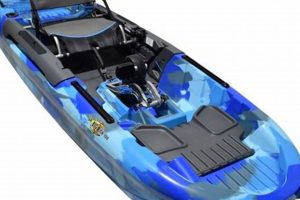
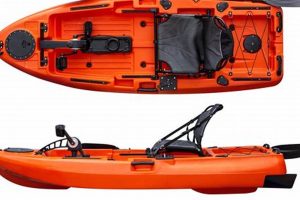
Kayak selection depends on factors such as water conditions, target species, and angler experience. Guides proficient in kayak selection ensure clients utilize appropriate vessels for stability, maneuverability, and comfort. Regular maintenance, including inspections for damage and proper storage, ensures kayak longevity and safe operation. For instance, a guide might recommend a sit-on-top kayak for its stability in choppy waters or a pedal-powered kayak for covering greater distances. Regular maintenance includes checking for hull damage, ensuring proper seat adjustments, and verifying rudder functionality.
- Rod, Reel, and Tackle Expertise
Appropriate rod, reel, and tackle configurations vary significantly based on target species. A proficient guide understands these nuances and selects appropriate gear for the intended fishing style. They also maintain equipment in optimal condition, ensuring smooth operation and maximizing fishing effectiveness. For example, targeting tarpon might require heavy-duty rods and reels with high-strength lines, while bonefishing necessitates lighter, more sensitive equipment. Maintaining sharp hooks, properly lubricated reels, and clean lines contributes to successful hooksets and reduces gear failure.
- Safety Equipment Knowledge and Application
Client safety is paramount. Proficient guides ensure all necessary safety equipment, including personal flotation devices, signaling devices, and first-aid kits, is readily available and in proper working order. They also educate clients on proper usage and emergency procedures. For example, a guide ensures each client has a properly fitted PFD and demonstrates the use of a whistle or VHF radio in case of emergency. Regularly checking the expiration dates on flares and maintaining a well-stocked first-aid kit demonstrates a commitment to client safety.
- Electronics and Navigation Tools
Modern fishing often incorporates electronic tools like fish finders, GPS units, and VHF radios. A proficient guide understands the operation and application of these technologies, utilizing them to enhance fishing success and ensure safe navigation. For instance, a guide might utilize a fish finder to identify underwater structures holding fish or a GPS to mark productive fishing spots. Proficiency with VHF radio operation ensures effective communication in emergencies and allows guides to stay updated on weather conditions.
A key largo kayak fishing guide’s equipment proficiency directly influences the overall quality and safety of the fishing experience. By demonstrating expertise in kayak selection and maintenance, rod and reel configuration, safety equipment protocols, and electronic tool utilization, guides provide clients with a secure and productive environment conducive to successful angling. This comprehensive understanding of equipment translates into a more enjoyable and rewarding experience for clients, enhancing their appreciation of the Key Largo fishery and reinforcing the guide’s professional competence.
4. Safety Standards

Safety standards are paramount for key largo kayak fishing guides, directly impacting client well-being and the overall success of the guided experience. Maintaining high safety standards demonstrates professionalism and builds client trust, crucial for a positive and sustainable guiding operation. Neglecting safety protocols can lead to accidents, injuries, or even fatalities, jeopardizing client well-being and potentially incurring legal liabilities. A comprehensive understanding of safety procedures and their consistent application are therefore non-negotiable aspects of professional guiding practice. For example, a guide operating without adequate safety equipment, such as personal flotation devices (PFDs) or a first-aid kit, exposes clients to unnecessary risks. Similarly, ignoring changing weather conditions or venturing into hazardous waters demonstrates a disregard for safety that can have severe consequences. Conversely, a guide who diligently checks weather forecasts, provides clients with appropriate safety briefings, and carries necessary emergency equipment demonstrates a commitment to safety that fosters client confidence.
Practical application of safety standards involves several key components. Pre-trip briefings should cover essential safety procedures, including PFD usage, emergency signaling protocols, and proper kayak handling techniques. Regular equipment checks ensure all gear, including kayaks, paddles, rods, and reels, is in optimal working condition. Monitoring weather conditions throughout the trip and adapting plans accordingly are crucial for mitigating risks associated with changing weather patterns. Maintaining open communication with clients, addressing their safety concerns, and fostering a culture of safety contribute to a secure and enjoyable experience. For instance, a guide might demonstrate proper paddling techniques to enhance stability and maneuverability, reducing the risk of capsizing. Carrying a VHF radio allows communication with emergency services if needed, while a readily available first-aid kit enables prompt response to minor injuries.
In summary, adherence to rigorous safety standards is integral to the professionalism and effectiveness of a key largo kayak fishing guide. Prioritizing client safety not only mitigates potential risks but also enhances the overall experience, fostering trust and confidence. Consistent implementation of safety protocols, combined with proactive communication and preparedness, demonstrates a commitment to client well-being, contributing to a positive and sustainable guiding operation within the Key Largo ecosystem. Failure to prioritize safety can have significant negative consequences, highlighting the critical importance of stringent safety standards within the guiding profession.
5. Conservation Practices

Conservation practices represent a critical responsibility for key largo kayak fishing guides, directly impacting the long-term health and sustainability of the local ecosystem. Guides serve as stewards of the environment, influencing client behavior and promoting responsible angling practices. Integrating conservation principles into guided fishing experiences ensures the preservation of Key Largo’s valuable natural resources for future generations. Ignoring conservation measures jeopardizes the delicate balance of the marine environment, potentially leading to habitat degradation, declining fish populations, and diminished fishing opportunities. Therefore, a commitment to conservation is not only ethically sound but also essential for the continued viability of the Key Largo fishing industry.
- Catch-and-Release Advocacy
Promoting catch-and-release fishing minimizes the impact on fish populations, particularly for vulnerable species. Guides educate clients on proper handling techniques, emphasizing minimal air exposure and the use of appropriate de-hooking tools. This practice ensures fish are returned to the water quickly and with minimal stress, maximizing their chances of survival. For example, a guide might demonstrate how to use barbless hooks or wet hands before handling fish to minimize damage to their protective slime coat. Encouraging catch-and-release whenever possible contributes to the long-term health and abundance of fish stocks.
- Habitat Protection Education
Educating clients about the importance of habitat preservation is crucial for minimizing human impact on sensitive ecosystems. Guides emphasize the significance of avoiding sensitive areas like seagrass beds and mangrove nurseries, which serve as vital breeding and feeding grounds for numerous species. Explaining the interconnectedness of the marine environment fosters client appreciation for its fragility and encourages responsible behavior. For example, a guide might explain how prop scars in seagrass beds can take years to heal and disrupt the habitat for juvenile fish and other organisms. Promoting awareness of these sensitivities encourages clients to navigate and fish responsibly, minimizing their impact on the environment.
- Responsible Waste Disposal
Proper waste disposal is essential for preventing pollution and maintaining the pristine quality of Key Largo’s waters. Guides emphasize the importance of collecting and disposing of all fishing line, hooks, and other debris. They model responsible behavior by carrying trash bags and encouraging clients to participate in cleanup efforts. This practice minimizes the harmful effects of plastic pollution and other debris on marine life and preserves the aesthetic beauty of the environment. For instance, a guide might explain how discarded fishing line can entangle marine animals, leading to injury or death. By actively collecting and disposing of waste, guides demonstrate a commitment to environmental stewardship.
- Respect for Wildlife
Instilling respect for all wildlife is crucial for minimizing disturbance and maintaining the natural balance of the ecosystem. Guides educate clients on appropriate viewing distances for marine mammals, birds, and other wildlife. They discourage disruptive behaviors like chasing or harassing animals, emphasizing the importance of observation without interference. This practice promotes ethical wildlife interactions and contributes to the long-term health of the ecosystem. For example, a guide might explain the importance of maintaining a safe distance from nesting seabirds to avoid causing stress or abandonment. By promoting respectful wildlife observation, guides foster a deeper appreciation for the natural world.
By integrating these conservation practices into their guiding operations, key largo kayak fishing guides actively contribute to the long-term health and sustainability of the local ecosystem. Promoting responsible angling practices not only protects the environment but also enhances the overall fishing experience, fostering a deeper appreciation for the natural world and ensuring the continued enjoyment of Key Largo’s unique fishery for future generations. This commitment to conservation distinguishes responsible guides and contributes to the preservation of this valuable resource.
6. Regulation Adherence
Regulation adherence represents a cornerstone of ethical and responsible key largo kayak fishing guide practices. Guides operating within legal boundaries demonstrate professionalism and contribute to the long-term sustainability of the local fishery. Understanding and complying with all applicable regulations, including licensing requirements, catch limits, size restrictions, and seasonal closures, are fundamental responsibilities. Failure to adhere to these regulations can result in fines, license revocation, and damage to the reputation of the guiding industry. For example, exceeding catch limits for a particular species depletes fish stocks and undermines conservation efforts. Similarly, fishing in restricted areas during spawning seasons disrupts reproductive cycles and can have long-term negative impacts on fish populations. Conversely, guides who prioritize regulation adherence contribute to the preservation of the fishery and ensure its continued viability for future generations.
Practical application of regulation adherence requires guides to stay informed about current rules and regulations. Consulting official resources, such as the Florida Fish and Wildlife Conservation Commission (FWC) website, provides access to up-to-date information on licensing requirements, species-specific regulations, and area closures. Educating clients about applicable rules and ensuring their compliance is also a critical aspect of responsible guiding. Explaining the rationale behind regulations fosters client understanding and encourages their active participation in conservation efforts. For instance, a guide might explain the importance of size limits in protecting juvenile fish and allowing them to reach reproductive maturity. Carrying a copy of current regulations and readily answering client questions demonstrates a commitment to legal compliance. Furthermore, reporting violations observed by other anglers contributes to the enforcement of regulations and reinforces the guide’s commitment to responsible fishing practices. This proactive approach strengthens the overall integrity of the guiding industry and fosters a culture of compliance within the angling community.
In conclusion, regulation adherence is integral to the professionalism and sustainability of key largo kayak fishing guide operations. Guides who prioritize compliance contribute to the long-term health of the fishery, maintain the integrity of the guiding profession, and foster a culture of responsible angling. Staying informed about current regulations, educating clients, and actively promoting compliance are essential practices that demonstrate a commitment to ethical and sustainable fishing within the Key Largo ecosystem. Ignoring regulations not only jeopardizes the fishery but also undermines the credibility of the guiding industry, highlighting the critical importance of regulation adherence as a fundamental component of professional guiding practice.
Frequently Asked Questions
This section addresses common inquiries regarding guided kayak fishing experiences in Key Largo, Florida.
Question 1: What are the typical costs associated with hiring a kayak fishing guide in Key Largo?
Guide fees vary depending on factors such as trip duration, target species, and included services. Researching multiple guide services provides a comprehensive understanding of prevailing rates.
Question 2: What level of fishing experience is required for a guided kayak fishing trip?
Guided trips cater to all skill levels, from novice to experienced anglers. Guides provide instruction and support tailored to individual needs, ensuring a positive experience regardless of prior experience.
Question 3: What equipment is typically provided by a kayak fishing guide?
Guides typically provide kayaks, paddles, fishing rods, reels, tackle, and safety equipment. Clarifying inclusions with the chosen guide service before booking is recommended.
Question 4: What should one wear and bring on a guided kayak fishing trip in Key Largo?
Recommended attire includes lightweight, breathable clothing, a wide-brimmed hat, polarized sunglasses, and water shoes. Bringing sunscreen, insect repellent, a reusable water bottle, and a waterproof bag for personal items is advisable.
Question 5: What are the common target species for kayak fishing in Key Largo?
Target species vary depending on the season and fishing location. Common targets include tarpon, bonefish, permit, snook, redfish, and various reef fish species.
Question 6: What safety precautions are taken during guided kayak fishing trips?
Reputable guides prioritize safety, providing pre-trip briefings on safety procedures, ensuring clients wear personal flotation devices, monitoring weather conditions, and carrying necessary safety equipment.
Thorough preparation enhances the guided kayak fishing experience. Addressing these common inquiries ensures clients are well-informed and prepared for a safe and enjoyable outing.
For further inquiries or specific concerns, contacting a chosen guide service directly is recommended.
Key Largo Kayak Fishing Guide
Exploration of the key largo kayak fishing guide concept reveals the significant advantages offered through specialized local knowledge, tailored equipment proficiency, and adherence to stringent safety and conservation practices. Access to this expertise elevates the angling experience, increasing the likelihood of successful outings while simultaneously promoting responsible environmental stewardship. From navigating intricate waterways and understanding target species behavior to employing effective fishing techniques and adhering to regulations, a qualified guide provides invaluable support for anglers of all skill levels.
The pursuit of angling excellence in Key Largo’s diverse waters necessitates informed decision-making. Selecting a knowledgeable and responsible guide unlocks the full potential of this unique fishery, ensuring both a rewarding experience and the preservation of this valuable ecosystem for generations to come. Consideration of the factors discussed herein empowers anglers to make informed choices, maximizing their chances of success while contributing to the sustainable management of Key Largo’s natural resources.