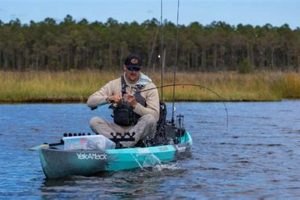
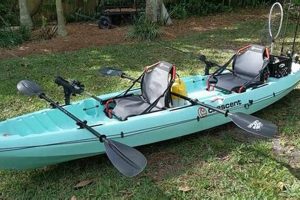
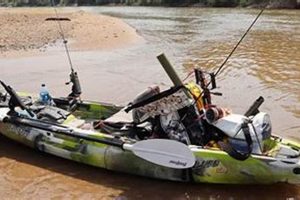
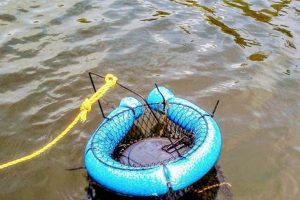
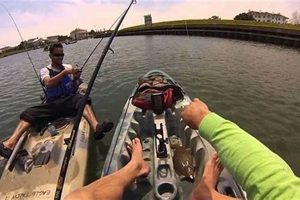
Competitive angling events held on Kentucky Lake, utilizing kayaks as the sole fishing platform, offer a unique blend of skill and sportsmanship. These events typically involve anglers competing to catch the largest or most fish within set species and size regulations, often judged by weight or length. Prizes and recognition are frequently awarded to top performers. For example, a competition might focus on bass, crappie, or catfish, with specific rules about allowable fishing methods and equipment.
Such competitions promote conservation awareness and ethical fishing practices while providing economic benefits to local communities through tourism and related spending. They foster camaraderie among participants and offer a platform for showcasing angling skills in a challenging and rewarding environment. Historically, kayak fishing has gained popularity due to its affordability and accessibility, leading to a corresponding rise in competitive events nationwide. These events also serve as valuable data points for fisheries management by providing information about fish populations and angler behavior.
This article will delve further into various aspects of competitive kayak angling on Kentucky Lake, covering topics such as tournament formats, preparation strategies, recommended equipment, and the lake’s unique fishing opportunities. Additionally, the ecological importance of Kentucky Lake and the role of anglers in conservation efforts will be explored.
Tips for Competitive Kayak Angling on Kentucky Lake
Success in competitive kayak fishing on Kentucky Lake requires careful planning and execution. The following tips offer guidance for anglers seeking a competitive edge.
Tip 1: Pre-Fishing Scouting: Thoroughly researching and scouting potential fishing spots before the tournament is crucial. Identifying key areas holding target species significantly increases the chances of success.
Tip 2: Kayak Mastery: Proficiency in kayak maneuvering and control is essential. Efficient paddling and positioning allow anglers to cover more water and access hard-to-reach areas effectively.
Tip 3: Tackle and Equipment Selection: Selecting appropriate rods, reels, lines, and lures based on target species and prevailing conditions is critical. A well-organized tackle system minimizes time spent searching for gear.
Tip 4: Weather Awareness: Monitoring weather forecasts and adjusting fishing strategies accordingly is paramount. Wind, rain, and temperature fluctuations can significantly impact fish behavior and angler safety.
Tip 5: Tournament Rules and Regulations: Familiarization with all tournament rules and regulations, including size and bag limits, ensures compliance and avoids penalties.
Tip 6: Fish Handling Techniques: Proper fish handling techniques ensure the well-being of caught fish and maximize their chances of survival after release, supporting conservation efforts.
Tip 7: Safety First: Wearing a personal flotation device and carrying essential safety equipment, such as a whistle and first-aid kit, are non-negotiable priorities.
Tip 8: Ethical Angling Practices: Respecting the environment and adhering to ethical fishing guidelines contribute to the long-term sustainability of the fishery.
By implementing these strategies, anglers can enhance their performance and contribute to a positive and successful tournament experience. Preparation, skill, and respect for the environment are key elements of competitive kayak angling.
In conclusion, competitive kayak fishing on Kentucky Lake offers a challenging and rewarding experience. Applying these tips can significantly improve an angler’s chances of success while promoting responsible angling practices.
1. Competition

The competitive element is fundamental to Kentucky Lake kayak fishing tournaments. It provides the driving force behind angler participation, pushing individuals to refine their skills and strategies. Competition structures the event, creating a framework for measuring performance and recognizing achievement. This section explores the multifaceted nature of competition within these tournaments.
- Skill Assessment:
Tournaments offer a platform for anglers to objectively assess their skills against their peers. Performance metrics, such as total weight or length of fish caught, provide quantifiable measures of angling prowess. This direct comparison can highlight strengths and weaknesses, motivating anglers to improve specific techniques. For example, an angler consistently outperformed in shallow-water fishing might focus on deep-water strategies to become a more well-rounded competitor.
- Strategic Innovation:
The competitive environment encourages anglers to develop and refine innovative fishing strategies. Identifying productive fishing locations, selecting optimal lures and baits, and adapting to changing weather conditions become crucial elements of success. Anglers might experiment with unconventional techniques or explore less-pressured areas of the lake to gain a competitive edge. This constant drive for innovation contributes to the overall advancement of kayak fishing techniques.
- Sportsmanship and Camaraderie:
While competition inherently involves individual performance, Kentucky Lake kayak fishing tournaments also foster a strong sense of sportsmanship and camaraderie. Anglers often share tips and advice, creating a supportive community that values ethical angling practices and conservation. Post-tournament gatherings provide opportunities for socializing and celebrating shared experiences, reinforcing the social aspect of competitive fishing.
- Economic Impact:
Tournaments generate economic activity within the local community. Participants often require lodging, meals, and supplies, supporting local businesses. The influx of anglers and spectators can boost tourism and contribute to the overall economic health of the region surrounding Kentucky Lake. Larger tournaments can attract sponsorships and media attention, further amplifying the economic benefits.
These facets of competition collectively contribute to the unique appeal of Kentucky Lake kayak fishing tournaments. The combination of skill assessment, strategic innovation, camaraderie, and economic benefits creates a dynamic environment that benefits both individual anglers and the surrounding community. The competitive spirit fuels continuous improvement in angling techniques while promoting responsible fishing practices and supporting local economies.
2. Kentucky Lake
Kentucky Lake’s characteristics directly shape the nature and feasibility of kayak fishing tournaments. The lake’s expansive size, diverse aquatic habitats, and abundant fish populations create an ideal environment for competitive angling. Its intricate shoreline, punctuated by coves, inlets, and submerged structures, provides ample opportunities for anglers to explore varied fishing locations and target specific species. For example, the shallow, vegetated areas offer prime habitat for largemouth bass, while deeper channels attract catfish and crappie. This diversity allows tournament organizers to tailor events to specific target species, attracting anglers with varied interests and skill sets. The lake’s size also allows for ample spacing between competitors, minimizing interference and enhancing the individual angling experience.
Furthermore, Kentucky Lake’s accessibility plays a crucial role in the popularity of kayak fishing tournaments. Numerous boat ramps and access points facilitate easy launching and retrieval of kayaks, simplifying logistics for both participants and organizers. The presence of established marinas and supporting infrastructure, such as lodging and dining options, enhances the overall tournament experience. This well-developed infrastructure contributes to the economic viability of hosting tournaments, attracting anglers from a wider geographic area. For instance, the availability of kayak rentals allows individuals to participate even without owning personal watercraft, broadening accessibility and participation rates.
In summary, Kentucky Lake’s unique combination of size, diverse habitats, abundant fish populations, and accessibility makes it a prime location for kayak fishing tournaments. These factors contribute significantly to the success and popularity of these events, attracting anglers of all skill levels and generating positive economic impacts for the surrounding region. Understanding the interplay between the lake’s characteristics and the specific demands of kayak fishing tournaments is crucial for effective planning, management, and ensuring a positive experience for all participants. Challenges such as fluctuating water levels and changing weather patterns require careful consideration to maintain the safety and fairness of the competition. The continued success of these tournaments depends on responsible resource management and the ongoing collaboration between tournament organizers, anglers, and local communities.
3. Kayaks
Kayaks play a pivotal role in shaping the distinct character of Kentucky Lake kayak fishing tournaments. Their inherent propertiesmaneuverability, affordability, and minimal environmental impactdirectly influence tournament structure, participant demographics, and the overall angling experience. Kayaks enable access to shallow, vegetated areas often inaccessible to larger motorized boats, expanding the range of fishable water and diversifying angling opportunities. This accessibility allows tournaments to target specific species inhabiting these shallower ecosystems, such as largemouth bass and panfish, attracting anglers specializing in these techniques. For example, a tournament focused on shallow-water fishing might attract anglers skilled in using topwater lures or flipping techniques, showcasing the specialized nature enabled by kayak fishing. The affordability of kayaks also broadens participation, making competitive angling accessible to a wider range of individuals who may not have the resources for larger, more expensive boats. This inclusivity fosters a more diverse and vibrant tournament scene.
The use of kayaks promotes a closer connection with the natural environment. Their quiet operation minimizes disturbance to aquatic life and preserves the tranquility of the lake, aligning with conservation-minded angling practices. This focus on minimal environmental impact resonates with many anglers who prioritize sustainability. Kayak fishing promotes a deeper appreciation for the delicate balance of the ecosystem and encourages responsible angling behaviors. For instance, the practice of catch-and-release is often emphasized in kayak fishing tournaments, minimizing stress on fish populations and contributing to long-term fishery health. The physical demands of kayak fishing also add a unique dimension to the competition, rewarding anglers with strong paddling skills and physical endurance. This physical element distinguishes kayak fishing tournaments from traditional boat-based competitions, adding a layer of complexity and challenge.
In conclusion, kayaks are integral to the identity and success of Kentucky Lake kayak fishing tournaments. Their maneuverability, affordability, and low environmental impact shape the competitive landscape, broaden participation, and promote conservation-minded angling. The physical demands of kayak fishing add a unique challenge, while the accessibility of these vessels opens up opportunities for a wider range of individuals to experience the thrill of competitive angling. Understanding the multifaceted role of kayaks in these tournaments is essential for both participants and organizers seeking to foster a sustainable and rewarding competitive angling experience on Kentucky Lake. Further development of kayak-specific fishing techniques and tournament formats will likely continue to evolve, further enhancing the distinctive character of these events.
4. Fishing Skill
Fishing skill is paramount in Kentucky Lake kayak fishing tournaments, differentiating successful anglers from the rest. These tournaments test a range of angling abilities, demanding proficiency beyond recreational fishing. Understanding the multifaceted nature of fishing skill is crucial for appreciating the competitive landscape.
- Species Knowledge:
In-depth knowledge of target species’ behavior, habitat preferences, and feeding patterns is fundamental. Successful anglers understand how environmental factors, such as water temperature and clarity, influence fish location and activity. This knowledge informs decisions about lure selection, retrieval techniques, and fishing location. For example, understanding that bass often ambush prey near submerged structures allows anglers to target these areas effectively.
- Casting Accuracy and Precision:
Precise casting is essential for placing lures in optimal locations, maximizing opportunities to entice target species. Kayak anglers must often cast accurately while maintaining balance and navigating challenging conditions, such as wind and current. Skillful casting enables precise targeting of cover, structure, and feeding zones, significantly increasing the likelihood of a successful hookup. Consistent accuracy is a hallmark of proficient kayak anglers.
- Lure and Bait Selection and Presentation:
Effective lure selection and presentation are crucial for triggering strikes. Understanding how different lure types, colors, and actions mimic natural prey is essential. Adapting lure choices and retrieval techniques based on prevailing conditions and observed fish behavior significantly impacts success. Skilled anglers constantly experiment and adjust their approach, maximizing their chances of enticing wary fish. This adaptability is key in competitive environments.
- Fish Fighting and Landing Techniques:
Successfully landing hooked fish requires finesse and expertise, particularly in the confined space of a kayak. Proper rod handling, line management, and appropriate drag settings are critical for controlling strong fish and preventing break-offs. Efficient netting or lip-gripping techniques minimize stress on the fish and ensure a successful catch. These skills become especially crucial when targeting larger, more powerful species.
These interconnected fishing skills, honed through experience and practice, contribute significantly to success in Kentucky Lake kayak fishing tournaments. Mastering these skills allows anglers to consistently locate, entice, and land target species, ultimately determining tournament standings. The dynamic interplay of these skills, combined with strategic decision-making and adaptability, distinguishes the most successful competitive kayak anglers. The challenges presented by Kentucky Lake’s diverse environment and varying conditions further emphasize the importance of well-rounded fishing skills in these tournaments.
5. Target Species

Target species play a crucial role in shaping the structure, strategy, and overall experience of Kentucky Lake kayak fishing tournaments. The specific species targeted significantly influences angler participation, tournament regulations, and the ecological impact of the event. Understanding the relationship between target species and these tournaments is essential for both participants and organizers.
- Species-Specific Regulations:
Tournament regulations, such as size and bag limits, are often tailored to the target species. These regulations aim to ensure sustainable fishing practices and protect vulnerable populations. For example, a tournament targeting largemouth bass might impose a minimum size limit and restrict the number of fish an angler can keep. These rules contribute to the conservation of the fishery and promote fair competition.
- Angler Specialization:
Anglers often specialize in targeting specific species, developing expertise in the techniques and equipment most effective for those species. Tournaments focusing on particular species attract anglers with relevant expertise, fostering a competitive field of specialists. For example, a crappie tournament attracts anglers skilled in using jigs and minnows, while a bass tournament draws anglers proficient with various artificial lures and techniques.
- Equipment and Tackle Choices:
The choice of fishing rods, reels, lines, lures, and baits is heavily influenced by the target species. Anglers select gear optimized for the size, behavior, and habitat preferences of the targeted fish. For example, anglers targeting catfish might use heavier tackle and strong-smelling baits, while those pursuing bass might opt for lighter rods and artificial lures that mimic baitfish.
- Ecological Considerations:
The selection of target species can have ecological implications. Focusing on abundant and resilient species minimizes the impact on vulnerable populations. Conversely, targeting less common or slow-growing species requires careful management to ensure sustainability. Tournament organizers often collaborate with fisheries biologists to select target species that can withstand fishing pressure while providing a challenging and rewarding angling experience.
In conclusion, the target species are integral to the overall framework of Kentucky Lake kayak fishing tournaments. They influence regulations, attract specialized anglers, dictate equipment choices, and carry ecological implications. Understanding these interconnected factors is crucial for organizing successful and sustainable tournaments that benefit both anglers and the aquatic environment. The careful selection and management of target species contribute to the long-term health of the fishery and ensure the continued enjoyment of competitive kayak angling on Kentucky Lake.
6. Regulations
Regulations are fundamental to the structure and integrity of Kentucky Lake kayak fishing tournaments. They ensure fair competition, promote conservation, and maintain the long-term health of the fishery. Understanding the various facets of tournament regulations is crucial for both participants and organizers.
- Size Limits:
Size limits dictate the minimum length or weight of fish eligible for inclusion in tournament weigh-ins. These limits protect younger fish, allowing them to mature and contribute to the breeding population. For example, a regulation might specify a 15-inch minimum size limit for largemouth bass. Enforcing size limits contributes to the sustainability of the fishery and ensures future angling opportunities.
- Bag Limits:
Bag limits restrict the number of fish an angler can keep or weigh-in during a tournament. These limits help prevent overharvesting and maintain balanced fish populations. A tournament might impose a five-fish bag limit per angler. Adhering to bag limits reinforces responsible angling practices and safeguards the lake’s resources.
- Permitted Fishing Methods:
Regulations often specify permitted fishing methods, such as allowable lure types, tackle restrictions, and prohibited practices. These rules ensure fair competition and prevent the use of methods that might unduly stress fish populations. For instance, a tournament might prohibit the use of live bait or certain types of fishing lines. Standardizing permitted methods levels the playing field and promotes ethical angling.
- Boundary Restrictions:
Tournaments typically define specific boundaries within which anglers are permitted to fish. These boundaries may encompass designated areas of Kentucky Lake or exclude certain sensitive habitats. Restricting fishing areas helps manage angling pressure and protect vulnerable ecosystems. Clearly defined boundaries ensure compliance and contribute to responsible resource management.
These regulations collectively contribute to the ethical and sustainable management of Kentucky Lake’s fishery. Compliance with these rules ensures fair competition, promotes conservation, and safeguards the long-term health of the lake’s aquatic ecosystem. The effectiveness of these regulations relies on the cooperation of tournament organizers, participants, and enforcement agencies. Understanding and respecting these regulations is crucial for maintaining the integrity and sustainability of Kentucky Lake kayak fishing tournaments.
7. Prizes/Recognition

Prizes and recognition form integral components of Kentucky Lake kayak fishing tournaments, serving as powerful motivators and contributing significantly to the overall event structure. These incentives drive angler participation, encourage competitive spirit, and acknowledge angling achievement. The nature and value of prizes vary depending on tournament scale and sponsorship levels, ranging from cash awards and fishing gear to trophies and public acknowledgement. For example, larger, nationally recognized tournaments might offer substantial cash prizes and sponsored endorsements to top finishers, while smaller, local events might award handcrafted trophies and gift certificates from local businesses. This tiered prize structure reflects the diverse range of tournaments held on Kentucky Lake, catering to various levels of competition and angler demographics. The allure of prizes and recognition encourages anglers to invest time and resources in preparation, contributing to the overall skill development and competitive nature of the tournament scene.
Beyond the tangible value of prizes, the recognition associated with tournament success holds significant weight within the angling community. Top placements often confer prestige and elevate an angler’s standing within competitive circles. Recognition can lead to sponsorship opportunities, invitations to elite tournaments, and enhanced visibility within the fishing industry. This recognition can translate into tangible benefits, such as product endorsements and guide service opportunities, further solidifying the connection between tournament success and professional advancement. For instance, consistent high placement in Kentucky Lake tournaments can establish an angler as a regional expert, attracting clients seeking guided fishing experiences. This interplay between prizes, recognition, and professional development creates a dynamic environment that fosters continuous improvement and elevates the status of competitive kayak angling.
In summary, the system of prizes and recognition within Kentucky Lake kayak fishing tournaments plays a crucial role in driving participation, fostering competition, and acknowledging achievement. These incentives motivate anglers, contribute to skill development, and provide pathways for professional advancement within the fishing industry. The tiered structure of prizes caters to various tournament scales and angler demographics, reflecting the diverse nature of the competitive landscape. Understanding the significance of prizes and recognition is crucial for both tournament organizers seeking to attract participants and anglers aspiring to achieve competitive success. The continued evolution of prize structures and recognition platforms will likely shape the future trajectory of competitive kayak angling on Kentucky Lake.
Frequently Asked Questions
This section addresses common inquiries regarding competitive kayak angling events on Kentucky Lake.
Question 1: How does one locate information about upcoming competitive angling events on Kentucky Lake?
Information regarding upcoming events is typically disseminated through online fishing forums, local bait and tackle shops, and social media groups dedicated to kayak fishing. Official tournament websites and announcements from sponsoring organizations also serve as reliable sources.
Question 2: What equipment is typically required for participation?
Essential equipment includes a fishing kayak, appropriate rods and reels, a selection of lures and baits, a personal flotation device (PFD), and necessary safety gear. Specific equipment requirements may vary depending on tournament regulations and target species.
Question 3: Are there specific regulations regarding kayak modifications for tournament use?
Regulations regarding kayak modifications vary by tournament. Some events may restrict certain modifications, such as livewells or motorized propulsion systems, while others may permit them. Consulting the specific tournament rules is essential for compliance.
Question 4: What factors contribute to angler success in these events?
Success is often attributed to pre-tournament scouting, effective fish-finding strategies, efficient kayak maneuvering, and skillful lure presentation. Adaptability to changing weather conditions and adherence to tournament rules also play crucial roles.
Question 5: How do these competitions contribute to conservation efforts?
Many tournaments promote catch-and-release practices, emphasizing proper fish handling techniques to minimize stress on fish populations. Some events also incorporate educational components focused on conservation awareness and responsible angling practices.
Question 6: What is the typical cost associated with tournament entry?
Entry fees vary considerably depending on the tournament’s scale, prize structure, and associated amenities. Smaller local events may have lower entry fees, while larger, more prestigious tournaments typically command higher fees.
Understanding these key aspects can enhance angler preparedness and contribute to a positive tournament experience. Thorough preparation, adherence to regulations, and respect for the aquatic environment are essential elements of competitive kayak angling.
The subsequent section will delve into specific strategies for successful kayak angling on Kentucky Lake, addressing techniques, tackle selection, and location-specific insights.
Kentucky Lake Kayak Fishing Tournament
Kentucky Lake kayak fishing tournaments represent a unique intersection of competitive angling, outdoor recreation, and environmental stewardship. This exploration has highlighted the multifaceted nature of these events, encompassing the interplay of skill, strategy, regulation, and ecological considerations. From the specific characteristics of Kentucky Lake itself to the specialized equipment and techniques employed by anglers, each component contributes to the distinctive character of these competitions. The importance of regulations in ensuring fair play and promoting conservation has been underscored, alongside the role of prizes and recognition in motivating participants and fostering a competitive spirit. The analysis of target species selection and its implications for both angling success and ecosystem health further emphasizes the complex interplay of factors shaping these tournaments.
The future of Kentucky Lake kayak fishing tournaments hinges on the continued commitment to responsible angling practices and the sustainable management of the lake’s resources. As the popularity of kayak fishing continues to grow, these tournaments will likely play an increasingly prominent role in shaping the broader angling landscape. Striking a balance between competitive ambition and environmental responsibility will be crucial for ensuring the long-term health of the fishery and the continued enjoyment of this unique angling experience. Continued collaboration among tournament organizers, anglers, and conservation agencies will be essential for navigating the challenges and opportunities that lie ahead, ensuring that Kentucky Lake remains a premier destination for competitive kayak angling.