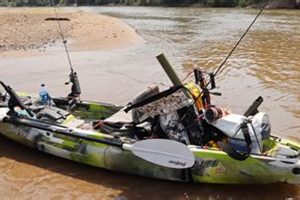
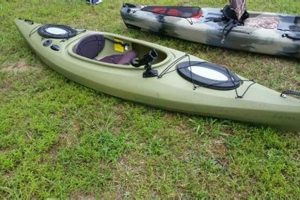
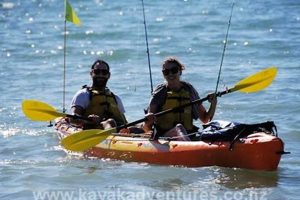
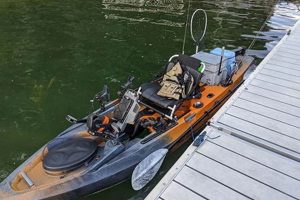
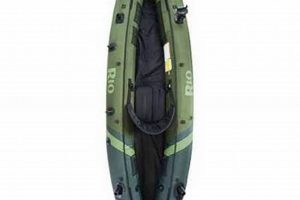
Paddling down a freshwater stream offers a unique perspective on nature, allowing close encounters with riparian habitats and wildlife. Imagine gliding through calm waters, surrounded by lush vegetation, with the possibility of observing diverse avian species and other aquatic life. This experience embodies the essence of navigating a waterway by small boat for recreational purposes.
This activity provides numerous benefits, including low-impact exercise, stress reduction, and an enhanced connection with the natural world. Historically, waterways served as vital transportation routes and sources of sustenance. Today, they offer recreational opportunities that foster appreciation for ecological balance and the preservation of natural resources. Such activities contribute to the well-being of individuals and communities alike.
The following sections delve into specific aspects of exploring waterways by human-powered boat: choosing appropriate equipment, safety precautions, understanding local regulations, and respecting the environment. Additional information regarding suitable locations, optimal times of year, and potential wildlife encounters will also be provided.
Careful planning and preparation enhance safety and enjoyment on the water. The following recommendations offer guidance for a successful excursion.
Tip 1: Check Water Conditions. Prior to departure, consult resources such as local weather forecasts and river flow reports. Be aware of potential hazards like strong currents, debris, and changing weather patterns.
Tip 2: Use Appropriate Equipment. Select a properly sized and outfitted vessel. Ensure essential safety gear, such as a personal flotation device, signaling whistle, and first-aid kit, is readily available.
Tip 3: Dress for the Environment. Wear clothing suitable for potential immersion. Consider quick-drying fabrics and layers to accommodate changing weather conditions. Avoid cotton materials.
Tip 4: Learn Basic Paddling Techniques. Familiarize oneself with efficient paddling strokes and maneuvering techniques to navigate various water conditions effectively and safely.
Tip 5: Respect Wildlife and Natural Habitats. Observe wildlife from a distance and avoid disturbing natural habitats. Adhere to Leave No Trace principles, packing out all trash and minimizing impact on the environment.
Tip 6: Inform Others of Your Plans. Share trip details, including planned route and estimated return time, with a responsible individual. This provides an extra layer of safety in case of unexpected circumstances.
Tip 7: Be Aware of Local Regulations. Research and comply with specific rules and permit requirements for the chosen waterway. This includes understanding access points, restrictions, and any specific safety guidelines.
Adherence to these guidelines promotes a safe and rewarding experience on the water, minimizing risks and maximizing enjoyment of the natural environment.
By following these tips, individuals can contribute to the responsible use and preservation of waterways for future generations.
1. Creek Characteristics

Understanding the specific characteristics of Fish Creek is crucial for a safe and enjoyable kayaking experience. These characteristics inform equipment choices, route planning, and overall safety considerations. Analysis of these elements allows for informed decision-making and enhances appreciation of the natural environment.
- Flow Rate and Water Level
Fish Creek’s flow rate can vary significantly depending on the season and recent rainfall. Higher flow rates necessitate stronger paddling skills and potentially specialized equipment. Lower water levels may expose obstacles or limit navigable areas. Checking current conditions prior to embarking is essential. For example, during spring runoff, higher water levels and faster currents might require a more stable kayak and advanced paddling skills.
- Obstacles and Hazards
The presence of fallen trees, rocks, and other debris can pose navigational challenges. Shallow areas may require portaging or careful maneuvering. Awareness of potential hazards allows paddlers to anticipate and navigate them safely. For instance, fallen logs might require careful maneuvering or portaging, while shallow areas may restrict passage depending on kayak type.
- Width and Depth
Variations in creek width and depth influence paddling experience and route options. Narrower sections may offer a more intimate experience with the natural surroundings, while wider areas allow for more freedom of movement. Understanding the depth profile helps avoid grounding or other difficulties. In narrow sections with overhanging branches, a shorter, more maneuverable kayak is preferable, whereas wider, open sections allow for longer kayaks and varied paddling styles.
- Access Points and Portage Routes
Identifying available access points and established portage routes is critical for planning and safety. Knowing where to enter and exit the creek and where to carry the kayak around obstacles ensures smooth transitions and minimizes environmental impact. Clear understanding of these points simplifies trip logistics and enhances overall experience.
By considering these creek characteristics in conjunction with personal skill level and equipment capabilities, kayakers can ensure a rewarding and safe experience on Fish Creek. This preparation contributes to both individual enjoyment and responsible use of the natural resource.
2. Kayak Selection
Appropriate kayak selection is paramount for a successful and enjoyable experience on Fish Creek. The creek’s unique characteristics, including its flow rate, obstacles, and width, necessitate careful consideration of vessel type and features. Optimal kayak choice enhances safety, maneuverability, and overall enjoyment.
- Hull Design
Hull design significantly impacts a kayak’s performance on Fish Creek. Flat-bottomed hulls offer stability and maneuverability in shallow water and slower currents, making them suitable for beginners or those seeking a leisurely paddle. Rounded or V-shaped hulls track better in faster currents and deeper water, providing more efficient paddling for experienced kayakers. For Fish Creek’s varied conditions, a hybrid hull combining stability and tracking capabilities may offer versatility.
- Length and Width
Kayak length and width influence maneuverability and stability. Shorter kayaks are more agile in tight turns and narrow passages, advantageous in Fish Creek’s potentially confined areas. Longer kayaks track better in open water, providing more speed and efficiency. Wider kayaks offer increased stability, particularly beneficial for beginners or those carrying gear. The optimal length and width depend on individual skill level and intended usage within Fish Creek.
- Sit-In vs. Sit-On-Top
Sit-in kayaks provide greater protection from the elements and offer a more secure feeling for some paddlers. Sit-on-top kayaks are easier to enter and exit, particularly advantageous in shallow water or if a capsize occurs. They also offer more freedom of movement and are often preferred in warmer weather. The choice between sit-in and sit-on-top depends on personal preference, weather conditions, and anticipated Fish Creek segments.
- Weight Capacity and Storage
Weight capacity dictates the maximum load a kayak can safely carry, including paddler weight and gear. Exceeding the weight capacity can compromise stability and safety. Adequate storage space is crucial for carrying essential items like safety equipment, water, and snacks. The required weight capacity and storage space depend on planned trip duration, gear requirements, and anticipated conditions on Fish Creek.
By carefully considering these factors in relation to Fish Creek’s specific environment, individuals can select the most appropriate kayak for a safe, comfortable, and rewarding experience. This informed decision ensures both individual enjoyment and responsible interaction with the natural resource.
3. Safety Precautions
Navigating Fish Creek by kayak presents inherent risks mitigated through comprehensive safety precautions. Prioritizing safety ensures an enjoyable experience while minimizing potential hazards. Understanding and implementing these precautions is crucial for all kayakers, regardless of experience level.
- Personal Flotation Devices (PFDs)
Wearing a properly fitted PFD is paramount. PFDs provide buoyancy and increase survival chances in the event of a capsize or unexpected immersion. Selecting a PFD appropriate for kayaking and ensuring proper fit enhances safety and promotes confident navigation. Even strong swimmers should wear a PFD as cold water shock or unexpected impacts can compromise swimming ability.
- Communication Devices
Carrying a waterproof communication device, such as a whistle or VHF radio, enables communication in emergencies. A whistle alerts others to distress situations, while a VHF radio allows direct contact with emergency services or other boaters. Familiarization with proper use of communication devices before embarking is essential. Mobile phones, while potentially useful, may be unreliable due to water damage or lack of signal.
- Weather Awareness
Checking weather forecasts before and during the kayaking trip is crucial. Sudden changes in weather, such as strong winds or thunderstorms, can create hazardous conditions. Being aware of potential weather changes allows for informed decisions regarding trip duration and route adjustments. Postponing a trip due to adverse weather conditions prioritizes safety.
- Navigation and Route Planning
Planning the kayaking route in advance and carrying a map or GPS device aids navigation. Understanding the creek’s characteristics, including potential hazards like shallow areas or swift currents, allows for informed decision-making. Sharing the planned route with someone onshore provides an added safety measure. Deviating from the planned route without informing others can create complications in case of an emergency.
Adhering to these safety precautions enhances the overall kayaking experience on Fish Creek. Preparedness and responsible decision-making contribute significantly to a safe and enjoyable outing. Prioritizing safety promotes personal well-being and fosters respect for the natural environment.
4. Environmental Awareness

Maintaining ecological integrity is essential when kayaking Fish Creek. Human activity can impact delicate riparian ecosystems; therefore, responsible practices are crucial for minimizing disturbance and preserving natural resources. Understanding the interconnectedness of the creek’s environment fosters informed decision-making and promotes sustainable recreational use.
- Minimizing Disturbance to Wildlife
Wildlife inhabiting Fish Creek, including avian species, fish, and other aquatic life, are susceptible to human disturbance. Maintaining a respectful distance from wildlife, avoiding sudden movements and loud noises, and refraining from feeding or interacting with animals minimizes stress and preserves natural behaviors. For example, approaching nesting birds too closely can cause them to abandon their nests, impacting reproductive success. Quiet observation allows for appreciation without disruption.
- Protecting Water Quality
Fish Creek’s water quality is vital for ecosystem health and human recreation. Avoiding the use of soaps and detergents in or near the creek prevents chemical contamination. Proper disposal of human waste and trash minimizes pollution and preserves water purity. Even biodegradable soaps can disrupt aquatic ecosystems. Packing out all trash, including food scraps, prevents nutrient loading and maintains water quality.
- Respecting Riparian Vegetation
Riparian vegetation plays a critical role in stabilizing banks, filtering pollutants, and providing habitat for wildlife. Avoiding trampling vegetation when entering or exiting the creek and refraining from removing plants or branches preserves the integrity of the riparian zone. Bank erosion can negatively impact water quality and habitat availability. Utilizing established access points minimizes disturbance to sensitive riparian vegetation.
- Preventing the Spread of Invasive Species
Invasive species can outcompete native flora and fauna, disrupting the ecological balance of Fish Creek. Thoroughly cleaning kayaks and gear before and after each use removes any attached plant fragments or organisms, preventing the introduction or spread of invasive species. Even small fragments of invasive plants can establish new populations. Careful cleaning protocols protect Fish Creek’s biodiversity.
By integrating these environmentally conscious practices into kayaking experiences, individuals contribute to the long-term health and preservation of Fish Creek. Responsible recreation ensures the continued enjoyment of this natural resource for future generations while minimizing human impact on the delicate ecosystem. These actions demonstrate a commitment to sustainable interaction with the natural world.
5. Local Regulations
Adherence to local regulations governing Fish Creek is essential for preserving the natural environment and ensuring the safety of all users. These regulations, established by local authorities, address various aspects of creek usage, including permitted activities, access restrictions, and safety requirements. Compliance fosters responsible recreation and contributes to the long-term health of the ecosystem.
- Permit Requirements
Certain activities on Fish Creek, such as kayaking, may require permits, particularly during peak seasons or for specific areas. Permitting systems help manage visitor impact and ensure sustainable use of the resource. Information regarding permit acquisition, associated fees, and specific regulations can be obtained from local authorities. For instance, a daily or seasonal permit might be required for kayaking on Fish Creek, contributing to the maintenance and preservation of the creek environment. Failure to obtain necessary permits may result in fines or restrictions on future access.
- Access Restrictions
Designated access points along Fish Creek help manage user impact on sensitive riparian areas. Adhering to designated launch and landing sites minimizes disturbance to vegetation and wildlife habitats. Certain areas of Fish Creek may be restricted due to environmental sensitivity or safety concerns. Ignoring access restrictions can lead to environmental damage and potential safety hazards. Respecting these restrictions demonstrates responsible recreational use and contributes to the preservation of the natural environment.
- Operational Restrictions
Specific operational restrictions, such as speed limits or motorized vessel prohibitions, may apply to Fish Creek. These regulations aim to minimize disturbance to wildlife, maintain water quality, and ensure the safety of all users. For example, restrictions on motorized vessels reduce noise pollution and protect sensitive aquatic life. Adherence to operational restrictions promotes peaceful coexistence among various recreational activities and preserves the natural tranquility of Fish Creek.
- Safety Equipment Requirements
Local regulations may mandate specific safety equipment for kayaking on Fish Creek, such as personal flotation devices (PFDs) and signaling whistles. These requirements enhance individual safety and facilitate effective emergency response. Complying with safety equipment regulations demonstrates responsible behavior and contributes to a culture of safety on the waterway. For example, mandatory PFD usage significantly increases survival chances in the event of a capsize.
Understanding and complying with these local regulations are integral aspects of responsible kayaking on Fish Creek. Adherence promotes a safe and sustainable recreational environment, preserving the natural integrity of the creek for present and future generations. Familiarization with specific regulations applicable to Fish Creek before embarking on a kayaking trip ensures a positive and compliant experience.
Frequently Asked Questions about Kayaking Fish Creek
This section addresses common inquiries regarding navigating Fish Creek by kayak. The information provided aims to clarify potential uncertainties and promote safe, responsible enjoyment of the waterway.
Question 1: What are the typical water conditions on Fish Creek?
Water levels and flow rates fluctuate seasonally, influenced by rainfall and snowmelt. Consulting local resources for real-time data before embarking is recommended. Conditions can range from calm, shallow stretches to moderately swift currents, particularly during spring runoff.
Question 2: Are there specific access points for launching kayaks on Fish Creek?
Designated access points exist along Fish Creek to minimize environmental impact and manage recreational use. Utilizing these designated areas preserves riparian habitats and maintains the creek’s ecological integrity. Information on access points is typically available from local authorities or park management.
Question 3: What type of kayak is best suited for Fish Creek?
The optimal kayak depends on individual paddling experience and anticipated creek conditions. Shorter, more maneuverable kayaks are advantageous in narrower sections, while longer kayaks offer greater efficiency in open water. Stability and weight capacity are also important considerations. Local outfitters often provide guidance based on current creek conditions.
Question 4: Are permits required for kayaking on Fish Creek?
Permit requirements may vary depending on the season and specific sections of Fish Creek. Consulting local authorities or park management regarding current permit regulations is advised. Adhering to permit requirements supports sustainable recreational use and resource management.
Question 5: What safety precautions are essential for kayaking Fish Creek?
Wearing a properly fitted personal flotation device (PFD), carrying a signaling whistle, and checking weather forecasts before embarking are fundamental safety measures. Informing someone of the planned route and estimated return time provides an additional layer of safety. Awareness of potential hazards, such as changing water levels and obstacles, is also crucial.
Question 6: What environmental considerations are important for kayakers on Fish Creek?
Minimizing disturbance to wildlife, respecting riparian vegetation, properly disposing of waste, and preventing the spread of invasive species are key environmental considerations. Responsible kayaking practices preserve Fish Creek’s ecosystem integrity and ensure its continued enjoyment for future generations.
Careful planning, adherence to safety guidelines, and respect for the natural environment ensure a rewarding and sustainable kayaking experience on Fish Creek. Understanding these aspects contributes to both individual enjoyment and the long-term health of this valuable resource.
For further information regarding Fish Creek regulations, access points, and safety guidelines, please consult local authorities or park management resources.
Kayaking Fish Creek
Navigating Fish Creek by kayak offers a unique opportunity to connect with nature while enjoying a rewarding recreational experience. Successful navigation requires careful consideration of creek characteristics, appropriate kayak selection, adherence to safety precautions, and respect for the environment. Understanding local regulations ensures responsible use of this valuable natural resource. From assessing water conditions and potential hazards to minimizing disturbance to wildlife and complying with permit requirements, responsible practices enhance both individual enjoyment and the long-term preservation of Fish Creek’s ecosystem.
Fish Creek represents a delicate balance between recreational opportunity and ecological integrity. Continued enjoyment of this resource hinges on responsible stewardship by all users. Informed decision-making and environmentally conscious practices ensure that Fish Creek remains a vibrant and accessible waterway for generations to come. Preservation of this natural environment requires a collective commitment to sustainable interaction, fostering a legacy of responsible recreation and environmental stewardship.