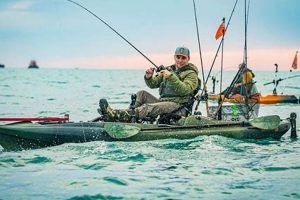
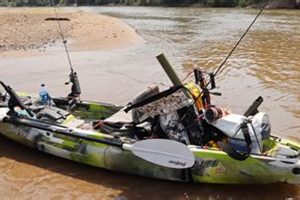
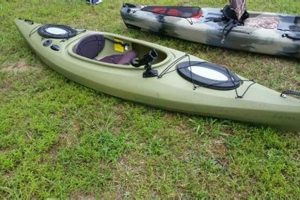
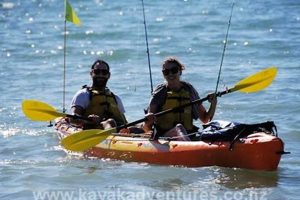
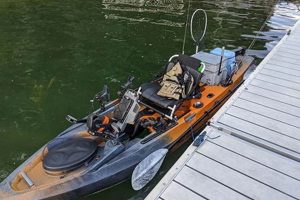
This specific type of watercraft is designed for anglers seeking adventures in remote or challenging waters. These vessels are typically built with durability and stability in mind, often incorporating features like rod holders, tackle storage, and comfortable seating designed for long hours on the water. An example would be a sturdy, sit-on-top model equipped for navigating rivers or exploring secluded coastlines.
The ability to access less-fished areas offers anglers the potential for unique catches and a greater connection with nature. Robust construction and specialized features contribute to safety and efficiency in demanding environments. Historically, small, maneuverable boats have been essential tools for fishing, and this modern iteration reflects the evolution of design and technology to meet the needs of today’s adventurous anglers.
Further exploration will cover key features, popular models, essential accessories, safety considerations, and recommended fishing locations suited for this type of specialized watercraft.
Tips for Anglers in Remote Waters
Preparation and careful consideration are crucial for successful and safe fishing excursions in less-accessible locations.
Tip 1: Research and Plan Thoroughly: Target location research is paramount. Water conditions, weather patterns, potential hazards, and local regulations should be understood before embarking on any trip. Offline maps and navigation tools are recommended given potential connectivity limitations.
Tip 2: Prioritize Safety Equipment: A well-stocked first-aid kit, signaling devices (whistle, mirror, flares), and a personal locator beacon (PLB) are essential. A reliable means of communication should also be carried.
Tip 3: Pack Appropriately: Essential gear includes appropriate clothing for varying weather conditions, sun protection, ample food and water, and necessary fishing tackle. Dry bags are crucial for protecting electronics and other sensitive items.
Tip 4: Master Essential Skills: Proficiency in paddling techniques, self-rescue maneuvers, and basic navigation is highly recommended. Practice in calm waters before venturing into challenging environments.
Tip 5: Respect Wildlife and the Environment: Practice Leave No Trace principles. Pack out all trash, minimize disturbance to wildlife, and avoid sensitive habitats. Adhere to all fishing regulations and licensing requirements.
Tip 6: Inform Someone of Your Plans: Share a detailed float plan, including planned routes, launch points, estimated return times, and emergency contacts with a trusted individual.
Tip 7: Check and Maintain Equipment: Before each trip, inspect the vessel for any damage, ensure proper inflation (if applicable), and verify the functionality of all essential gear.
Careful planning and adherence to these guidelines contribute significantly to angler safety and a positive experience on the water.
By following these tips and prioritizing safety, anglers can maximize their enjoyment and success while minimizing potential risks associated with fishing in remote locations. This focus on preparedness allows for a more rewarding and responsible approach to exploring the frontiers of fishing.
1. Remote Waters

Remote waters represent the core appeal and challenge of frontier kayak fishing. These locations, characterized by limited access and pristine environments, necessitate specialized equipment and careful planning. Understanding the nature of these waters is fundamental to a successful and safe experience.
- Accessibility Challenges
Reaching remote fishing spots often requires navigating challenging terrain, portaging over obstacles, or paddling long distances. This underscores the importance of a durable and maneuverable kayak designed for such conditions. Consider a river system requiring a multi-day float trip or a secluded coastal area reachable only by traversing open water. The inherent difficulty in accessing these locations necessitates self-sufficiency and preparedness.
- Untouched Environments
The allure of remote waters lies in their pristine condition and often-abundant fish populations. These undisturbed ecosystems offer a unique opportunity to connect with nature and experience fishing in its purest form. However, this pristine nature also emphasizes the importance of responsible angling practices and minimizing environmental impact. Examples include high-alpine lakes or protected coastal estuaries. The fragility of these ecosystems demands careful consideration from anglers.
- Safety Considerations
Limited access to remote areas also means limited access to assistance in emergencies. Self-rescue skills, comprehensive safety equipment, and thorough planning become paramount. Consider a scenario where an angler capsizes miles from the nearest access point. The ability to self-recover and signal for help is crucial. This emphasizes the need for robust safety protocols.
- Rewarding Experiences
Despite the challenges, remote waters offer unparalleled rewards for adventurous anglers. The opportunity to catch trophy fish, experience solitude in nature, and explore untouched environments creates a truly unique and memorable fishing experience. Landing a large fish after navigating challenging rapids or discovering a hidden cove teeming with life exemplify these rewarding experiences. This sense of adventure and discovery fuels the passion for frontier fishing.
The characteristics of remote waters directly influence the design and features of frontier fishing kayaks. Durability, stability, and specialized storage solutions become essential for navigating challenging conditions and ensuring angler safety in isolated environments. Ultimately, understanding the nature of remote waters is key to a successful and rewarding frontier fishing experience.
2. Durable Kayak

Durability is paramount in a frontier fishing kayak due to the demanding nature of remote environments. Such kayaks often encounter rocks, submerged logs, and abrasive shorelines. A robust construction, typically using high-density polyethylene or similar impact-resistant materials, minimizes the risk of damage and ensures the vessel can withstand the rigors of frontier fishing. Consider navigating a shallow, rocky river or landing on a remote, rocky beach; a less durable kayak might sustain damage, jeopardizing the angler’s safety and the trip’s success. This underscores the direct link between kayak durability and the feasibility of frontier fishing.
The choice of construction material significantly impacts a kayak’s durability. Rotomolded polyethylene kayaks, known for their impact resistance and resilience against abrasion, are a common choice for frontier fishing. Thermoformed kayaks, while generally lighter, offer slightly less impact resistance. Inflatables present a portable option but are more susceptible to punctures and tears in challenging environments. Choosing the appropriate construction material directly influences the kayak’s lifespan and suitability for frontier fishing. For instance, an angler frequently navigating rocky rivers would likely opt for a rotomolded polyethylene kayak for its superior durability.
A durable kayak provides a reliable platform for anglers in remote locations. This reliability translates to increased safety and confidence, allowing anglers to focus on fishing rather than worrying about potential vessel damage. While lightweight kayaks offer advantages in portability, the enhanced durability of robustly constructed kayaks provides a crucial safety margin in challenging conditions. This reinforces the notion that kayak durability is a critical investment for frontier anglers, contributing significantly to the overall success and safety of their expeditions.
3. Specialized Features

Specialized features distinguish frontier fishing kayaks from recreational models, enabling anglers to effectively and safely navigate challenging waters and pursue their quarry in remote locations. These features directly address the unique demands of frontier fishing, enhancing both angler performance and overall safety. Consider the need to manage fishing rods, tackle, and accessories in a dynamic environment; specialized features like rod holders, tackle storage compartments, and anchor trolleys provide essential organization and accessibility, crucial for maintaining focus and efficiency while fishing in remote areas.
Several key features contribute to the effectiveness of a frontier fishing kayak. Multiple rod holders, strategically positioned for easy access and secure rod storage, allow anglers to switch between techniques or have multiple lines in the water. Ample storage compartments, often designed with watertight seals, protect essential gear and provisions from the elements. An anchor trolley system facilitates controlled anchoring and drift fishing in varying currents and depths. These features are not merely conveniences; they are integral components that enhance fishing success and safety in remote locations. For instance, an angler navigating a fast-flowing river requires a secure and easily accessible anchor system to maintain position and effectively fish specific areas.
Understanding the purpose and application of specialized features empowers anglers to select the appropriate kayak for their specific needs and intended fishing environments. While some features, like rod holders, are universally beneficial, others, such as specialized mounting points for fish finders or outriggers for added stability, cater to specific fishing styles and conditions. The ability to assess and select appropriate specialized features directly impacts the angler’s overall experience and success in frontier fishing. Therefore, careful consideration of these features during kayak selection is crucial for optimizing performance and ensuring a safe and rewarding experience in remote waters.
4. Safety Equipment
Safety equipment is inextricably linked to frontier fishing kayak adventures due to the inherent risks associated with remote locations. Distance from immediate assistance necessitates a higher degree of self-reliance. Consider a capsize in cold water miles from the nearest access point; appropriate safety gear, including a personal flotation device (PFD), signaling devices (whistle, mirror, flares), and a personal locator beacon (PLB), becomes crucial for survival. These items transition from recommended precautions to essential lifelines in frontier fishing scenarios.
The selection and proper use of safety equipment directly influence the outcome of unforeseen events. A well-stocked first-aid kit enables treatment of minor injuries, preventing escalation in isolated environments. Carrying a reliable communication device, such as a satellite phone or VHF radio, allows for emergency contact should the need arise. Furthermore, understanding basic first aid and self-rescue techniques significantly enhances the effectiveness of carried safety equipment. For example, knowing how to effectively use a tourniquet or signal for help with a mirror could prove life-saving in a remote setting. This proactive approach to safety preparedness significantly mitigates risks associated with frontier kayak fishing.
Prioritizing safety equipment reinforces a responsible approach to frontier fishing kayak excursions. While the allure of remote locations lies in their untouched beauty and challenging experiences, acknowledging and mitigating potential risks is paramount. Regular equipment checks, ensuring proper functionality and adequate supplies, contribute significantly to angler safety and overall trip success. This proactive approach to safety fosters a more rewarding and responsible experience in frontier environments. It underscores the understanding that safety is not merely an accessory but an integral component of successful frontier kayak fishing.
5. Fishing Gear
Fishing gear selection is integral to the success and enjoyment of frontier fishing kayak excursions. The unique demands of remote locations necessitate specialized equipment choices that prioritize both effectiveness and efficiency. Consideration must be given to target species, anticipated fishing techniques, and the challenges posed by the specific environment. This careful selection process ensures anglers are adequately prepared to pursue their quarry while maximizing their chances of success in remote waters.
- Rods and Reels
Rod and reel choices depend heavily on the target species and anticipated fishing techniques. A lightweight spinning combo might suffice for smaller fish in calmer waters, while a heavier-duty baitcasting setup might be necessary for larger species or challenging currents. For example, pursuing trout in a clear mountain stream necessitates a different setup than targeting muskie in a murky river. The chosen rod and reel directly influence casting distance, lure presentation, and the ability to effectively fight and land fish in diverse environments.
- Tackle Selection
Lures, baits, hooks, lines, and terminal tackle should be carefully chosen to match the target species and fishing conditions. Knowledge of local fish behavior and preferred forage is crucial for selecting effective lures and baits. For instance, using brightly colored lures might be effective in murky water, while more natural presentations might be preferred in clear water scenarios. Carrying a diverse selection of tackle allows anglers to adapt to changing conditions and maximize their chances of success in remote locations.
- Storage and Organization
Efficient tackle organization is essential in a frontier fishing kayak, where space is often limited. Tackle boxes, bags, and specialized storage systems designed for kayaks help maintain order and accessibility. This ensures essential gear is readily available when needed, minimizing time spent searching and maximizing fishing time. Consider the challenge of changing lures while navigating a fast-flowing river; efficient tackle organization becomes paramount for maintaining control and maximizing fishing opportunities.
- Essential Tools and Accessories
Beyond rods, reels, and tackle, several tools and accessories prove invaluable in frontier fishing scenarios. A sharp knife, pliers for removing hooks, a landing net, and a fish gripper are essential for handling fish safely and efficiently. Additional tools like a multi-tool, headlamps, and spare batteries further enhance preparedness in remote environments. These seemingly small additions can significantly improve efficiency and safety, particularly when dealing with unforeseen challenges in isolated locations.
The thoughtful selection and organization of fishing gear directly contributes to a successful and rewarding frontier fishing kayak experience. By aligning equipment choices with target species, anticipated fishing techniques, and the unique challenges posed by remote environments, anglers can maximize their chances of success while ensuring they are adequately prepared for the demands of frontier fishing.

Navigation skills are essential for frontier fishing kayak adventures, where remote locations often lack clear landmarks and established trails. Successful navigation in these environments hinges on understanding map reading, compass use, and interpreting natural indicators. Consider a fog-bound coastline or a complex river system with multiple channels; relying solely on electronic devices can be unreliable, making fundamental navigation skills crucial for safe passage and successful return. The ability to triangulate position, estimate distances, and maintain bearings becomes paramount in ensuring angler safety and preventing disorientation in remote waters.
Proficiency in navigation skills directly impacts the feasibility and safety of frontier fishing kayak excursions. Charting courses, estimating travel times, and anticipating changes in weather or water conditions enhance efficiency and minimize potential risks. For example, understanding tidal flows and currents is crucial for navigating coastal areas safely and efficiently. Similarly, recognizing potential hazards like rapids or submerged obstacles in river systems prevents accidents and ensures a smoother journey. This proactive approach to navigation empowers anglers to explore further afield with confidence, knowing they possess the skills to navigate safely and effectively in challenging environments.
Mastery of navigation skills complements the self-sufficiency required for frontier fishing kayak adventures. It allows anglers to venture confidently into remote waters, expanding their fishing opportunities while mitigating risks associated with unfamiliar territories. This reliance on traditional navigation methods, combined with modern tools like GPS, provides a comprehensive approach to wayfinding, essential for successful and safe exploration of frontier fishing destinations. The ability to navigate effectively not only enhances the fishing experience but also fosters a deeper connection with the environment, empowering anglers to explore and appreciate the wilderness responsibly.
7. Environmental Awareness

Environmental awareness forms a cornerstone of responsible frontier fishing kayak practice. The pristine nature of remote fishing locations necessitates a heightened sense of stewardship. Direct impact on fragile ecosystems, often characterized by limited human interference, requires anglers to minimize their footprint. Consider the potential consequences of improper waste disposal in a remote alpine lake or the disturbance of nesting birds in a secluded estuary; seemingly minor actions can have lasting repercussions on these delicate environments. This understanding underscores the crucial link between environmental awareness and the preservation of these unique fishing destinations.
Practical applications of environmental awareness in frontier fishing kayak contexts include adherence to Leave No Trace principles. Packing out all trash, minimizing campfire impacts, and respecting wildlife contribute significantly to preserving the natural integrity of these areas. Furthermore, understanding and adhering to local fishing regulations, including catch-and-release practices and seasonal closures, ensures sustainable fish populations and the long-term health of the ecosystem. For example, catch-and-release fishing, when practiced correctly, minimizes stress on fish populations and allows for continued angling opportunities in the future. Similarly, respecting seasonal closures protects vulnerable spawning fish, contributing to the overall health and sustainability of the fishery.
Ultimately, environmental awareness becomes an ethical imperative for frontier fishing kayak enthusiasts. Preserving the pristine nature of these remote locations ensures continued access for future generations of anglers. This responsible approach fosters a deeper appreciation for the natural world and reinforces the interconnectedness between angler actions and environmental well-being. Challenges remain in balancing access with preservation, requiring ongoing education and a collective commitment to responsible stewardship. The long-term viability of frontier fishing kayak experiences hinges on this delicate balance, underscoring the crucial role of environmental awareness in preserving these unique and valuable resources.
Frequently Asked Questions
This section addresses common inquiries regarding frontier fishing kayaks, providing concise and informative responses to assist anglers in making informed decisions and preparing for remote fishing adventures.
Question 1: What differentiates a frontier fishing kayak from a standard recreational kayak?
Frontier fishing kayaks prioritize durability, stability, and specialized features designed for challenging waters and remote locations. These features often include reinforced hulls, multiple rod holders, ample storage compartments, and anchor trolley systems. Recreational kayaks typically prioritize comfort and ease of paddling in calmer environments, often lacking the specialized features required for frontier fishing.
Question 2: What essential safety equipment should one carry on a frontier fishing kayak trip?
Essential safety equipment includes a personal flotation device (PFD), signaling devices (whistle, mirror, flares), a personal locator beacon (PLB), a first-aid kit, a communication device (satellite phone or VHF radio), and a knife. Navigation tools like a map, compass, and GPS are also highly recommended.
Question 3: How does one choose the appropriate fishing gear for a frontier fishing kayak excursion?
Fishing gear selection should align with the target species, anticipated fishing techniques, and specific environmental conditions. Researching local fish behavior and preferred forage informs lure and bait choices. Rod and reel selection depends on the size of the target species and fishing environment.
Question 4: What navigation skills are essential for frontier fishing kayak adventures?
Proficiency in map reading, compass use, and interpreting natural indicators are essential. Understanding tidal flows, currents, and potential hazards like rapids or submerged obstacles is crucial for safe and efficient navigation in remote waters.
Question 5: How can anglers minimize their environmental impact while frontier fishing kayaking?
Adhering to Leave No Trace principles, packing out all trash, minimizing campfire impacts, respecting wildlife, and following local fishing regulations, including catch-and-release practices and seasonal closures, minimizes environmental impact.
Question 6: What are the key considerations when choosing a frontier fishing kayak?
Key considerations include hull material and construction, storage capacity, stability, maneuverability, comfort, and the presence of specialized features like rod holders, anchor trolleys, and mounting points for fish finders or other accessories.
Careful consideration of these frequently asked questions equips anglers with essential knowledge for planning and executing successful frontier fishing kayak adventures. Prioritizing safety, responsible environmental practices, and appropriate gear selection contributes to a rewarding and sustainable approach to exploring remote fishing destinations.
This concludes the FAQ section. The following sections will delve deeper into specific aspects of frontier fishing kayaks, providing comprehensive information and expert insights to enhance reader understanding and preparedness.
Frontier Fishing Kayak
Exploration of specialized fishing kayaks designed for remote environments reveals the critical interplay of vessel durability, specialized features, safety consciousness, and environmental responsibility. Durable construction and features like rod holders and ample storage facilitate effective angling in challenging conditions. Prioritizing safety equipment and navigation skills mitigates inherent risks associated with remote locations. Furthermore, adherence to Leave No Trace principles ensures the preservation of these pristine environments for future generations.
The pursuit of fish in remote waters represents more than just a recreational activity; it embodies a deep connection with nature and a commitment to responsible exploration. Careful preparation, informed decision-making, and respect for the environment are crucial for successful and sustainable frontier fishing kayak experiences. The future of this pursuit relies on continued education, responsible practices, and a shared commitment to preserving the wild character of these unique destinations.