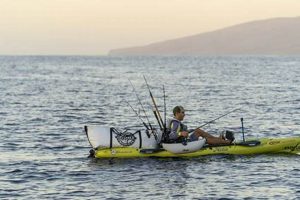
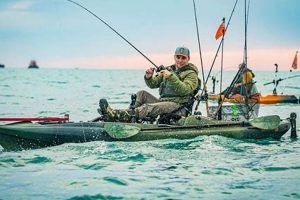
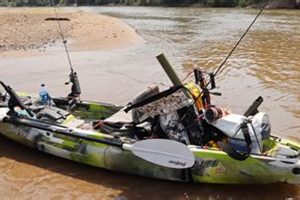
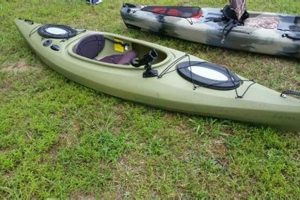
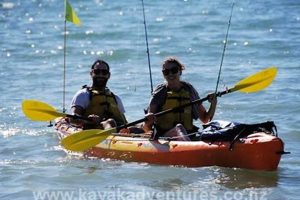
The combination of paddle-powered watercraft and angling offers a unique approach to experiencing nature and pursuing aquatic life. This method allows access to shallow, secluded waters often inaccessible to larger, motorized boats, providing opportunities for a closer connection with the environment and a potentially more rewarding angling experience. Imagine casting a line near lily pads in a quiet cove or drifting along a slow-moving river, all while enjoying the tranquility and exercise of paddling.
This blended activity provides several advantages. The quiet movement of a kayak minimizes disturbance to fish, increasing the likelihood of a successful catch. It also promotes physical activity and offers a low-impact form of exercise. Historically, small, human-powered vessels have been used for fishing across cultures for centuries, demonstrating its enduring practicality and appeal. This modern iteration continues that tradition while incorporating contemporary materials and techniques.
The following sections will explore the equipment, techniques, safety considerations, and ethical practices essential for successful and responsible participation in this popular outdoor pursuit. Topics covered will include selecting appropriate kayaks and fishing gear, effective paddling and casting methods, understanding relevant regulations, and minimizing environmental impact.
Tips for Combining Kayaking and Angling
Successful angling from a kayak requires careful planning and execution. These tips offer guidance for a safe and productive experience.
Tip 1: Choose the Right Kayak: Kayak selection depends on the intended fishing environment. Sit-on-top kayaks offer stability and ease of re-entry if capsized, making them suitable for calmer waters. Sit-in kayaks provide better protection from the elements and are preferable for colder conditions or rougher waters. Specialized fishing kayaks often feature built-in rod holders and other helpful accessories.
Tip 2: Pack Essential Gear: A well-organized kayak ensures efficient access to essential equipment. Necessary items include appropriate fishing tackle, a personal flotation device (PFD), a first-aid kit, signaling devices, and a dry bag for electronics and valuables.
Tip 3: Prioritize Safety: Check weather conditions before embarking and dress appropriately for potential changes. Inform someone of the planned fishing location and estimated return time. Carry a communication device in case of emergencies.
Tip 4: Master Basic Paddling Techniques: Efficient paddling conserves energy and allows for precise boat control. Practice different strokes to maneuver effectively in various water conditions, including wind and current.
Tip 5: Adapt Fishing Techniques: Traditional casting methods may require adjustments when fishing from a kayak. Practice shorter, more controlled casts to maintain balance and prevent tangles.
Tip 6: Respect Wildlife and the Environment: Practice catch-and-release whenever possible to conserve fish populations. Properly dispose of fishing line and other waste to minimize environmental impact.
Tip 7: Be Aware of Regulations: Obtain necessary fishing licenses and familiarize oneself with local regulations regarding catch limits and permitted fishing areas.
By adhering to these guidelines, individuals can maximize their enjoyment and success while minimizing risks and promoting responsible angling practices.
This information provides a foundation for successful kayak angling. The concluding section will reiterate key safety reminders and offer resources for further exploration.
1. Stable Kayak Platform

A stable kayak platform is fundamental to successful angling from a kayak. It provides the foundation for casting accuracy, fish fighting, and overall safety. Without stability, anglers risk capsizing, losing equipment, and compromising their safety. This section explores key facets of platform stability and their impact on the combined activity.
- Kayak Design and Hull Shape
Kayak design plays a crucial role in stability. Wider kayaks with flatter hulls generally offer greater initial stability, making them suitable for calmer waters and less experienced paddlers. Longer, narrower kayaks with a V-shaped hull offer greater speed and tracking but sacrifice some initial stability. Specialized fishing kayaks often incorporate design features like pontoons or outriggers for enhanced stability, even when carrying additional weight from gear and catches.
- Weight Distribution and Balance
Proper weight distribution is crucial for maintaining balance and preventing capsizing. Gear should be evenly distributed within the kayak, with heavier items placed lower and centrally. Anglers must be mindful of their body movements, especially when casting or reeling in fish. Sudden shifts in weight can compromise stability and lead to unexpected tilting or even capsizing.
- Water Conditions and Environmental Factors
Water conditions, including wind, waves, and currents, significantly influence stability. Calm, flat water presents fewer challenges, while rough water demands greater skill and experience. Wind can create instability by pushing the kayak off course and creating waves. Currents can affect stability, especially in rivers and tidal zones. Anglers must adapt their techniques and positioning to maintain balance in varying conditions.
- Angler Experience and Skill
An angler’s experience and skill level directly impact their ability to maintain a stable platform. Beginners may find wider, more stable kayaks easier to manage. Experienced anglers may prefer more maneuverable kayaks, sacrificing some stability for speed and agility. Practice and familiarity with the kayak’s handling characteristics are crucial for maintaining balance and reacting effectively to changing conditions.
By understanding these factors, anglers can choose the appropriate kayak and develop the necessary skills to maintain a stable platform, maximizing their fishing success and ensuring a safe and enjoyable experience on the water.
2. Specialized Fishing Gear

Specialized fishing gear enhances the effectiveness and enjoyment of kayak angling. Standard fishing equipment may prove cumbersome or inadequate in the confined space and dynamic environment of a kayak. Purpose-built gear addresses these challenges, improving efficiency and safety. For example, shorter, collapsible rods are easier to manage in a kayak’s limited space, while specialized kayak fishing reels often feature sealed components for protection against water intrusion. Similarly, tackle storage systems designed for kayaks maximize space utilization and keep essential gear organized and readily accessible. Rod holders securely mount rods, freeing hands for paddling and other tasks, and specialized anchors designed for kayaks offer efficient deployment and retrieval in various water conditions.
The selection of specialized gear directly impacts an angler’s success and overall experience. A well-organized tackle system minimizes time spent searching for lures and tools, allowing more time for fishing. Secure rod storage prevents equipment loss and potential tangles. Using appropriate anchors keeps the kayak positioned effectively in desired fishing locations. The choice of gear also depends on the target species and fishing techniques employed. Anglers targeting larger fish may opt for heavier-duty rods and reels, while those pursuing smaller species may choose lighter tackle. Specific lures and baits are selected based on the target species’ preferences and the prevailing water conditions. Investing in quality, specialized gear contributes significantly to a productive and satisfying kayak fishing experience.
Understanding the role and benefits of specialized fishing gear is essential for optimizing kayak angling success. Selecting appropriate gear enhances efficiency, safety, and overall enjoyment on the water. While standard fishing equipment can be adapted for kayak use, specialized gear addresses the unique challenges and opportunities presented by this specialized angling method. The appropriate choices depend on individual preferences, target species, and the specific fishing environment. This knowledge allows anglers to make informed decisions, enhancing their experience and promoting responsible angling practices.
3. Quiet Approach Techniques
Quiet approach techniques are essential for maximizing success in kayak angling. The stealth offered by a kayak presents a significant advantage over motorized boats, allowing anglers to approach fish without disturbing them. This quiet approach increases the likelihood of successful hookups and contributes to a more immersive and rewarding fishing experience. The following facets explore the key components of effective quiet approach techniques and their impact on kayak angling.
- Paddle Control and Minimizing Noise
Controlled, smooth paddling strokes are crucial for maintaining a quiet approach. Avoid splashing and abrupt movements that can spook fish. Feathering the paddle blade during the recovery stroke minimizes wind resistance and reduces noise. Practicing efficient paddling techniques allows anglers to move stealthily and position the kayak optimally for casting without alarming their target.
- Drift Fishing and Utilizing Natural Currents
Drift fishing allows anglers to cover water quietly and naturally. By utilizing prevailing currents and wind, the kayak can drift silently over promising fishing areas. This technique is particularly effective in rivers and streams, where the natural flow carries the kayak along likely fish-holding spots. Drift fishing minimizes disturbance and presents a natural presentation of bait or lures.
- Observing Wildlife and Understanding Fish Behavior
Observing wildlife and understanding fish behavior enhances the effectiveness of quiet approach techniques. Birds diving or baitfish scattering can indicate the presence of predatory fish. Recognizing these signs allows anglers to position the kayak strategically and make targeted casts. Knowledge of fish behavior, including preferred habitats and feeding patterns, informs approach strategies and maximizes fishing success.
- Controlling Kayak Speed and Maintaining Distance
Controlling kayak speed and maintaining an appropriate distance from target areas are vital. Approaching fish too quickly or getting too close can spook them, even in a quiet kayak. Slow, deliberate movements and maintaining a safe distance increase the chances of remaining undetected. Patience and observation are key to judging the appropriate approach speed and proximity for different species and fishing environments.
By mastering these quiet approach techniques, kayak anglers significantly improve their chances of success. The inherent stealth of a kayak, combined with skilled paddling and observation, provides a distinct advantage. These techniques contribute not only to increased catches but also to a deeper appreciation for the natural environment and a more immersive angling experience.
4. Water Safety Knowledge

Comprehensive water safety knowledge is paramount when combining kayaking and fishing. The environment presents inherent risks, and understanding these risks, along with appropriate safety procedures, is crucial for preventing accidents and ensuring a positive experience. This knowledge equips anglers with the skills and awareness necessary to navigate various water conditions and react effectively to unforeseen circumstances. The following facets explore essential components of water safety knowledge specific to kayak angling.
- Understanding Water Conditions
Assessing water conditions before and during outings is crucial. Factors like wind speed, wave height, currents, and water temperature significantly impact safety. Strong winds can create challenging paddling conditions and increase the risk of capsizing. Cold water poses a risk of hypothermia, even in relatively mild air temperatures. Understanding how these factors interact and affect kayak handling is essential for making informed decisions about whether to embark on a fishing trip and how to navigate safely once on the water.
- Personal Flotation Devices (PFDs)
Wearing a properly fitted PFD is non-negotiable. PFDs provide essential buoyancy in the event of a capsize, increasing the chances of survival. Choosing a PFD designed for paddling and fishing offers comfort and mobility while providing adequate flotation. Regularly inspecting PFDs for wear and tear and ensuring they are in good working condition is essential for maintaining their effectiveness.
- Emergency Preparedness and Communication
Carrying essential safety equipment and knowing how to use it is vital. A waterproof first-aid kit, signaling devices like a whistle or flares, and a communication device such as a VHF radio or a waterproofed cell phone enable anglers to respond effectively to emergencies. Informing someone of the planned fishing location and estimated return time provides an additional layer of safety. Knowing basic first aid and rescue procedures can prove invaluable in remote locations or when immediate assistance is unavailable.
- Self-Rescue Techniques
Practicing self-rescue techniques, including re-entering a capsized kayak, is essential. Learning how to perform a self-rescue or assisted rescue with a fellow angler increases confidence and preparedness in the event of a capsize. Regular practice in calm, controlled conditions builds muscle memory and allows anglers to react effectively under pressure.
Integrating these water safety principles into kayak angling practices is essential for a safe and enjoyable experience. Knowledge of water conditions, proper PFD use, emergency preparedness, and self-rescue techniques equips anglers to mitigate risks and respond effectively to unforeseen events. Prioritizing safety enhances not only personal well-being but also the overall enjoyment of the combined activity.
5. Respectful Environmental Practices
Respectful environmental practices are integral to sustainable and ethical kayak angling. Minimizing impact on aquatic ecosystems ensures the long-term health of fish populations and preserves the natural environment for future generations. Integrating these practices into angling habits promotes responsible stewardship and contributes to a more sustainable approach to this popular outdoor activity. The following facets explore key components of respectful environmental practices within the context of kayak angling.
- Leave No Trace Principles
Adhering to Leave No Trace principles minimizes the impact of human presence in natural environments. These principles encompass packing out all trash, minimizing campfire impacts, leaving what is found, respecting wildlife, and traveling and camping on durable surfaces. In the context of kayaking and fishing, this translates to properly disposing of fishing line and other waste, avoiding disturbing vegetation along shorelines, and respecting nesting birds and other wildlife encountered. Implementing these principles ensures the preservation of natural habitats and minimizes disruption to ecosystems.
- Catch-and-Release Fishing
Catch-and-release fishing promotes healthy fish populations and preserves the angling experience for future generations. Handling fish carefully, using appropriate tackle and techniques to minimize injury, and reviving fish properly before release increase their chances of survival. Minimizing the time fish are out of the water and avoiding contact with dry surfaces further reduces stress and promotes healthy recovery. This practice contributes to the sustainability of fish populations and maintains the balance of aquatic ecosystems.
- Respecting Aquatic Vegetation
Aquatic vegetation plays a crucial role in the health of aquatic ecosystems. Avoiding paddling through or anchoring in sensitive areas like beds of seagrass or reeds protects these habitats and the organisms they support. These areas serve as nurseries for fish and other aquatic life, providing shelter and food. Respecting these vital habitats contributes to the overall health and productivity of the aquatic environment.
- Proper Waste Disposal
Proper waste disposal is critical for minimizing pollution and preserving water quality. Disposing of fishing line, plastic packaging, and other waste properly prevents harm to aquatic life and maintains the aesthetic integrity of natural environments. Fishing line, in particular, poses a significant threat to wildlife entanglement. Carrying a small trash bag or container and packing out all waste ensures responsible stewardship and protects the environment.
Integrating these respectful environmental practices into kayak angling routines contributes to the long-term sustainability of the activity and the health of aquatic ecosystems. By minimizing environmental impact, anglers can enjoy the sport responsibly and ensure its viability for future generations. These actions demonstrate a commitment to environmental stewardship and contribute to the preservation of natural resources.
Frequently Asked Questions
This section addresses common inquiries regarding the combined activity of kayaking and fishing, offering concise and informative responses.
Question 1: What type of kayak is best suited for fishing?
Kayak selection depends on individual needs and the intended fishing environment. Sit-on-top kayaks offer stability and ease of re-entry, making them suitable for calmer waters. Sit-in kayaks provide better protection from the elements and are preferable for colder conditions or rougher water. Specialized fishing kayaks often incorporate features like rod holders, anchor trolleys, and livewells.
Question 2: What essential safety equipment is required?
Essential safety equipment includes a properly fitted personal flotation device (PFD), a whistle, a visual distress signal, a first-aid kit, and a communication device. A bilge pump, paddle leash, and dry bag for electronics are also recommended.
Question 3: What fishing gear is recommended for kayak angling?
Recommended gear includes shorter rods designed for kayak fishing, spinning or baitcasting reels with appropriate line capacity, a selection of lures and baits suitable for the target species, and a tackle box or bag designed for kayak use. A landing net and pliers are also beneficial.
Question 4: How does one maintain stability while fishing from a kayak?
Maintaining stability requires proper weight distribution within the kayak, smooth and controlled movements, and awareness of water conditions. Practicing paddling and casting techniques in calm water before venturing into more challenging environments is recommended.
Question 5: What are the regulations regarding kayak fishing?
Regulations vary by location. Obtaining the necessary fishing licenses and familiarizing oneself with local regulations regarding catch limits, permitted fishing areas, and specific equipment restrictions is essential. Consulting local authorities or fishing organizations provides detailed information.
Question 6: What environmental considerations are important for kayak anglers?
Minimizing environmental impact through practices like catch-and-release fishing, proper waste disposal, and avoiding disturbance to sensitive habitats like seagrass beds and nesting areas is crucial. Adhering to Leave No Trace principles promotes responsible stewardship of natural resources.
Careful consideration of these frequently asked questions enhances preparedness, promotes safety, and fosters a more informed and responsible approach to kayak angling. Understanding these aspects contributes to a positive and sustainable experience on the water.
The following section offers a concluding summary of key takeaways and emphasizes the importance of responsible angling practices.
Kayaking and Fishing
This exploration of kayaking and fishing has highlighted the multifaceted nature of this popular outdoor pursuit. From equipment selection and paddling techniques to safety considerations and environmental stewardship, various factors contribute to a successful and responsible experience. The synergy of human-powered watercraft and angling offers a unique opportunity to connect with nature while engaging in a challenging and rewarding activity. Emphasis on safety, skill development, and environmental awareness ensures both personal well-being and the preservation of aquatic ecosystems.
The future of kayaking and fishing hinges on the continued commitment to responsible practices. Respect for the environment, adherence to regulations, and ongoing education contribute to the sustainability of this activity. By embracing these principles, individuals can ensure the enjoyment of kayaking and fishing for generations to come, preserving the delicate balance between human recreation and environmental conservation.