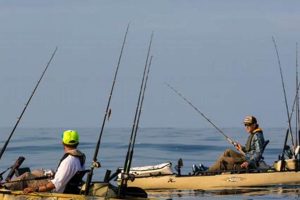
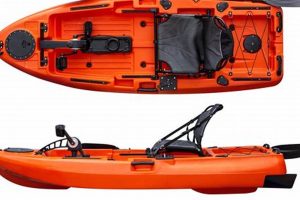
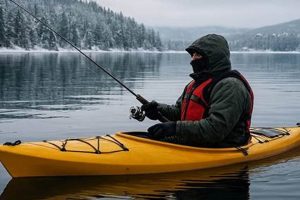
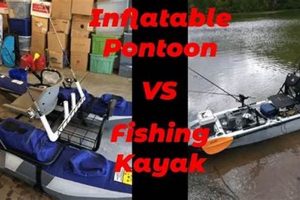
Storing a catch properly during a kayak fishing trip is essential for preserving fish quality and ensuring a safe and enjoyable experience. This involves choosing appropriate storage methods based on the length of the trip, the target species, and the surrounding environment. For example, a short trip might require only a simple cooler with ice, while a longer expedition targeting larger fish might necessitate a livewell or specialized fish bag.
Effective fish storage contributes significantly to the overall success of a kayak fishing outing. Proper handling techniques maintain the freshness and flavor of the catch, crucial for anglers intending to consume their harvest. Moreover, appropriate storage minimizes spoilage, reducing unwanted odors and the attraction of pests. Historically, anglers have employed various methods, from woven baskets and stringers to modern coolers and livewells, reflecting the continuous evolution of preserving catches effectively.
The following sections will explore various fish storage solutions for kayak anglers, including coolers, livewells, fish bags, and stringers. Factors influencing storage choices, such as species-specific considerations, trip duration, and weather conditions, will also be discussed. Additionally, best practices for maintaining fish quality and complying with regulations will be highlighted.
Tips for Storing Fish While Kayak Fishing
Maintaining the quality of caught fish is paramount during a kayak fishing excursion. These tips offer practical guidance for proper fish storage, ensuring freshness and minimizing spoilage.
Tip 1: Select the Right Storage Method: Choose a cooler, livewell, or fish bag based on trip duration, target species, and weather conditions. A cooler with ice is suitable for shorter trips, while a livewell or aerated fish bag is preferable for keeping fish alive during extended outings.
Tip 2: Prioritize Proper Cooling: Chill coolers thoroughly before use with ample ice or frozen gel packs. For livewells, ensure adequate water circulation and aeration. Pre-chilled water can further enhance cooling effectiveness.
Tip 3: Handle Fish Carefully: Minimize handling time and avoid squeezing or dropping fish. Use a landing net to reduce stress and potential injury. Wet hands before handling fish to protect their slime coat.
Tip 4: Utilize Appropriate Storage Techniques: Layer fish with ice inside coolers, ensuring even contact for consistent cooling. For livewells, monitor water quality and temperature regularly. Consider using a fish-friendly disinfectant in livewells.
Tip 5: Consider Species-Specific Needs: Certain species are more susceptible to spoilage. Larger fish may require specific handling and storage methods to maintain quality. Research target species to ensure optimal storage practices.
Tip 6: Comply with Regulations: Adhere to local fishing regulations regarding catch limits, size restrictions, and permitted storage methods. Ensure awareness of specific rules regarding livewells and fish transportation.
Tip 7: Regularly Monitor Fish Condition: Periodically check the condition of stored fish. Discard any spoiled or damaged fish promptly to prevent contamination of other catches.
Implementing these practices ensures a successful and rewarding kayak fishing experience, preserving the quality of the catch while adhering to ethical fishing principles.
By understanding the various storage methods and best practices, anglers can maximize the enjoyment and benefits of kayak fishing, ensuring fresh, delicious meals and minimizing environmental impact.
1. Cooler
Coolers play a vital role in kayak fishing, providing a reliable means of preserving caught fish. Maintaining fish freshness is crucial for both consumption and conservation, making cooler selection and utilization an essential aspect of responsible angling. The following facets highlight the significance of coolers in the context of kayak fishing.
- Cooler Size and Capacity
Cooler size and capacity are critical considerations. Smaller coolers suffice for short trips targeting smaller species, while larger coolers are necessary for extended outings or larger catches. Choosing an appropriate size balances storage capacity with kayak space limitations. A 30-quart cooler might be suitable for a half-day trip, while a 70-quart cooler might be necessary for a multi-day excursion. Oversized coolers, however, can impede kayak maneuverability and stability.
- Insulation and Ice Retention
Effective insulation and ice retention are paramount for maintaining fish quality. High-quality coolers with thick insulation and airtight seals maximize ice retention, preserving fish for extended periods. Consider cooler construction, insulation materials, and lid seals when making a selection. Rotomolded coolers offer superior insulation compared to less expensive options. Proper pre-chilling and using high-quality ice or reusable ice packs further enhance cooling effectiveness.
- Cooler Organization and Placement
Strategic cooler organization and placement contribute to efficient fish storage and kayak stability. Layering fish with ice ensures even cooling, minimizing spoilage. Positioning the cooler securely within the kayak prevents shifting during paddling and maintains balance. Using dividers or organizing systems within the cooler can further enhance storage efficiency and prevent damage to the catch. Securing the cooler with straps or bungee cords prevents loss in case of capsizing.
- Cooler Features and Accessories
Various cooler features and accessories enhance functionality and convenience. Features such as built-in drains, cup holders, and tie-down points offer added utility. Accessories like cutting boards, dry storage compartments, and rod holders further enhance the overall kayak fishing experience. While some anglers may prefer minimalist coolers, others may find these additional features beneficial for longer trips or specific fishing styles.
Careful consideration of cooler size, insulation, organization, and features ensures optimal fish storage during kayak fishing excursions. Selecting an appropriate cooler and utilizing effective storage practices contribute significantly to preserving catch quality, maximizing enjoyment, and promoting responsible angling.
2. Livewell

Livewells offer kayak anglers a viable method for maintaining the health and vitality of caught fish. By providing a contained, aerated environment, livewells allow for temporary storage of live fish, crucial for tournament fishing or situations where anglers intend to release their catch later. Understanding the key aspects of livewell integration and management is essential for effective utilization.
- Livewell Types and Integration
Various livewell types exist, each with specific integration considerations for kayaks. Built-in livewells offer seamless integration but can limit kayak space and maneuverability. Portable livewells provide flexibility but require secure placement and potentially external pumps or aeration systems. Integration choices depend on kayak design, fishing style, and target species. A dedicated bass angler might prefer a larger, integrated livewell, while a multi-species angler might opt for a smaller, portable unit.
- Aeration and Water Quality
Maintaining adequate aeration and water quality within the livewell is paramount for fish survival. Oxygen levels must remain sufficient to support the respiration of the contained fish. Water temperature regulation is also crucial, especially in warmer climates. Aeration systems can include pumps, bubblers, or recirculating systems. Regular monitoring of water parameters, such as temperature and oxygen levels, is essential. Adding a livewell treatment or conditioner can help maintain water quality and reduce stress on the fish.
- Capacity and Fish Handling
Livewell capacity must align with the anticipated size and number of fish. Overcrowding can lead to stress, injury, and reduced oxygen levels. Proper fish handling techniques are essential when transferring fish to and from the livewell. Minimizing handling time and using a landing net reduce stress and potential harm to the fish. Understanding species-specific sensitivities to handling and confinement is also crucial. Larger, more delicate species might require specific handling and livewell adjustments.
- Regulations and Ethical Considerations
Adhering to local regulations regarding livewell usage and fish handling is essential. Some regulations may limit the species or size of fish that can be kept in a livewell. Ethical considerations regarding fish welfare should also guide livewell practices. Minimizing stress, providing adequate space and oxygen, and prompt release of fish are crucial ethical considerations. Anglers should prioritize the well-being of their catch, even when intending to release them later.
Effective livewell management in kayak fishing requires careful consideration of integration, aeration, capacity, and ethical practices. By prioritizing fish health and adhering to regulations, anglers can utilize livewells responsibly, ensuring a positive impact on both the catch and the environment. Understanding these facets contributes to a more sustainable and rewarding kayak fishing experience.
3. Fish Bag

Fish bags offer kayak anglers a practical and versatile solution for storing their catch. These specialized bags, often constructed from durable, waterproof materials, provide a contained environment for keeping fish fresh and secure during a fishing trip. The connection between fish bags and the broader concept of “where to put fish” in kayak fishing stems from the need for convenient and efficient storage solutions tailored to the unique constraints of kayak angling. Unlike larger vessels, kayaks offer limited space, necessitating compact and easily stowable gear. Fish bags address this constraint by providing a dedicated storage space for catches without consuming excessive deck or hull space. For example, an angler targeting inshore species like speckled trout might utilize a fish bag to keep their catch fresh and contained, preventing slime and water from accumulating in the main kayak area. This keeps the kayak clean and organized, enhancing both comfort and safety.
Several types of fish bags cater to different needs and preferences. Insulated fish bags offer enhanced cooling capabilities, ideal for preserving delicate species in warmer climates. Aerated fish bags incorporate pumps or bubblers to maintain oxygen levels, allowing for temporary storage of live fish, particularly beneficial for catch-and-release fishing. Mesh fish bags provide water flow while preventing fish from escaping, a suitable option for short-term storage in the water. The choice of fish bag depends on factors such as target species, trip duration, and weather conditions. A longer expedition targeting larger pelagic fish might necessitate a larger, insulated fish bag, while a shorter trip focusing on smaller panfish might require only a simple mesh bag.
Effective utilization of fish bags contributes significantly to a successful kayak fishing experience. Properly storing the catch maintains fish quality, preserving freshness for later consumption. Containment within a fish bag also minimizes mess and odor within the kayak, enhancing angler comfort and hygiene. Furthermore, fish bags facilitate compliance with regulations regarding catch limits and transport. Challenges associated with fish bags include potential leakage, especially with lower-quality bags, and the necessity of regular cleaning to prevent bacterial growth. Selecting high-quality, durable fish bags and implementing appropriate cleaning practices mitigates these challenges. Ultimately, the strategic use of fish bags provides a valuable tool for kayak anglers seeking an efficient, organized, and responsible approach to fish storage.
4. Stringer
Stringers, while a traditional method for temporarily storing caught fish, present specific considerations for kayak anglers. Their suitability depends on factors such as target species, water conditions, and fishing regulations. Understanding the advantages and disadvantages of stringers in the context of kayak fishing is crucial for responsible and effective utilization.
- Fish Species and Stringer Suitability
Stringer suitability varies significantly depending on the target species. Robust, thicker-bodied fish like catfish or walleye might tolerate stringer storage better than more delicate species like trout or bass. Sharp spines or teeth can also damage stringers or pose a risk to the angler during handling. Species-specific considerations are paramount when deciding whether a stringer is an appropriate storage method. For example, a stringer might be suitable for temporarily holding robust catfish in calm waters, while a livewell or cooler would be preferable for delicate trout in warmer conditions.
- Water Conditions and Stringer Placement
Water conditions significantly influence stringer effectiveness and safety. Strong currents or rough waters can tangle stringers, potentially stressing or injuring fish. Shallow, stagnant water can lead to decreased oxygen levels, compromising fish health. Stringer placement should prioritize water depth, current flow, and proximity to potential hazards. Securing the stringer to the kayak prevents loss but requires careful monitoring to avoid entanglement. In rapidly changing water conditions or areas with heavy boat traffic, alternative storage methods might be safer and more effective.
- Regulations and Ethical Considerations
Local fishing regulations often dictate permissible stringer usage. Some areas may prohibit stringers entirely, while others might restrict the species or number of fish that can be stored on a stringer. Ethical considerations regarding fish welfare should also guide stringer practices. Minimizing stress, avoiding overcrowding, and prompt release of unwanted fish are crucial. Using barbless hooks can facilitate easier removal and minimize injury when using a stringer. Anglers must prioritize responsible fishing practices, adhering to regulations and ethical guidelines to ensure the well-being of the catch.
- Stringer Materials and Construction
Stringer materials and construction impact durability, fish safety, and ease of use. Stainless steel stringers offer corrosion resistance and strength, while nylon or braided cord stringers provide flexibility and lighter weight. Stringer clips or fasteners should secure fish effectively while minimizing injury. The length and capacity of the stringer should align with the anticipated catch. Choosing an appropriate stringer material and design ensures both fish safety and long-term usability. For instance, a stainless steel stringer with securely fastened clips might be suitable for larger, more robust fish, while a nylon cord stringer might be preferable for smaller panfish in calmer waters.
While stringers can provide a convenient solution for temporarily storing fish during kayak fishing, their suitability hinges on careful consideration of species, water conditions, regulations, and ethical implications. In many scenarios, alternative methods like coolers or livewells offer more effective and responsible approaches to preserving catch quality and ensuring fish welfare. Selecting the appropriate storage method is crucial for a successful and ethical kayak fishing experience. By understanding the limitations and potential risks associated with stringers, anglers can make informed decisions that prioritize both their catch and the aquatic environment.
5. Dry Bag

Dry bags, while not directly designed for live fish storage, play a crucial role in kayak fishing by providing a waterproof environment for other essential items related to fish handling and preservation. This indirect connection to “kayak fishing where to put fish” stems from the need to keep specific gear dry and protected, ultimately contributing to the overall success and enjoyment of the fishing trip. For example, an angler might store fish filleting knives, scaling tools, or spare fishing line in a dry bag, ensuring these items remain dry and functional, even in wet conditions common to kayak fishing. Similarly, dry bags can protect electronic devices like cell phones or GPS units, vital for communication and navigation during longer excursions. Storing food and other provisions in dry bags prevents spoilage and maintains supplies for multi-day trips.
The practical significance of using dry bags for fish-related items lies in their ability to safeguard equipment integrity and angler comfort. Wet knives or tools become slippery and difficult to handle, potentially compromising safety and efficiency when processing fish. Damaged electronics can disrupt communication and navigation, posing risks in remote locations or during inclement weather. By keeping these items dry and functional, dry bags indirectly contribute to a smoother and more successful fishing experience. For instance, having a dry set of clothes stored in a dry bag can provide much-needed comfort after an unexpected splash or period of rain. This contributes to the overall enjoyment and safety of the trip, particularly in colder climates. Moreover, dry bags can store items like first-aid kits, ensuring essential medical supplies remain dry and accessible in case of emergencies.
In conclusion, while not a primary fish storage solution, dry bags are integral components of “kayak fishing where to put fish” by protecting essential supporting gear. Their ability to keep items dry enhances safety, efficiency, and overall enjoyment of kayak fishing trips. Understanding the strategic use of dry bags, alongside primary fish storage methods like coolers or livewells, contributes to a more organized, prepared, and ultimately successful kayak fishing experience. This preparedness indirectly affects fish handling by ensuring anglers have the necessary dry tools and equipment readily available, leading to better fish care and preservation, whether for consumption or catch-and-release.
6. Regulations
Regulations governing fish storage during kayak fishing are crucial for conservation and responsible angling. These rules, often specific to location and species, directly impact how and where anglers can store their catch. Understanding and adhering to these regulations is paramount for maintaining healthy fish populations and ensuring sustainable fishing practices. Ignoring regulations can lead to penalties, jeopardizing fishing privileges and undermining conservation efforts.
- Catch Limits and Size Restrictions
Catch limits dictate the number of fish an angler can retain per outing, while size restrictions specify the minimum or maximum lengths allowed. These regulations aim to prevent overfishing and protect breeding populations. For example, a region might impose a five-fish limit for trout, with a minimum size of 12 inches. Storing undersized or exceeding catch limits, even temporarily, constitutes a violation. Anglers must measure and immediately release undersized or excess fish, regardless of intended storage methods. Utilizing appropriate measuring tools and adhering to these limits are crucial aspects of responsible kayak fishing.
- Permitted Storage Methods and Equipment
Regulations may stipulate acceptable fish storage methods. Some regions might prohibit stringers or mandate the use of livewells for certain species. Restrictions on cooler sizes or the use of specific fish bags can also apply. For example, a protected area might require the use of barbless hooks and prohibit the use of stringers to minimize fish injury. Anglers must research and comply with these specific requirements before embarking on a kayak fishing trip. Choosing appropriate storage methods and equipment ensures compliance and promotes responsible fishing practices.
- Protected Species and Areas
Regulations often afford special protections to specific fish species or designated areas. Certain species might be entirely prohibited from harvest, while others might have stricter size or catch limits. Designated areas, such as spawning grounds or protected habitats, may have unique regulations regarding fish handling and storage. For example, fishing within a designated spawning area might be restricted during specific seasons, or certain gear types, like livewells, might be prohibited to minimize disturbance to breeding fish. Anglers must be aware of these specific regulations to avoid unintentional violations. Consulting local fishing regulations and familiarizing oneself with protected species and areas are essential steps for responsible kayak fishing.
- Licensing and Reporting Requirements
Possessing a valid fishing license is a fundamental requirement in most jurisdictions. Specific licenses might be required for certain species or fishing methods. Reporting requirements, such as mandatory catch logs or tagging programs, can also apply. For example, anglers targeting specific game fish might be required to purchase a separate endorsement on their fishing license and report their catch data to conservation agencies. Maintaining up-to-date licensing and fulfilling reporting obligations are crucial for compliance. Understanding and adhering to these administrative requirements contribute to responsible fishing management and data collection efforts. Ignoring licensing or reporting requirements can lead to fines and potential suspension of fishing privileges.
Adhering to fishing regulations is not merely a legal obligation; it is a cornerstone of ethical kayak fishing. By understanding and complying with catch limits, permitted storage methods, protected species designations, and licensing requirements, anglers contribute directly to fish population health and ecosystem sustainability. Responsible fishing practices ensure the longevity of this recreational activity and preserve aquatic resources for future generations. Ignoring these regulations jeopardizes both the environment and the future of kayak fishing.
Frequently Asked Questions
Proper fish storage is essential for maintaining catch quality and adhering to regulations. These frequently asked questions address common concerns regarding fish storage during kayak fishing excursions.
Question 1: What is the most effective method for keeping fish fresh while kayak fishing?
The most effective method depends on several factors, including trip duration, target species, and ambient temperature. For shorter trips, a well-insulated cooler with ample ice is usually sufficient. For longer trips or when targeting delicate species, a livewell or aerated fish bag might be necessary to maintain fish vitality. In colder climates, a simple burlap sack kept wet and in the shade can suffice for short periods.
Question 2: Are there regulations regarding fish storage methods while kayak fishing?
Regulations vary significantly depending on location and target species. Some areas prohibit stringers entirely, while others mandate specific storage methods for certain species. Consulting local fishing regulations before embarking on a kayak fishing trip is crucial for ensuring compliance and avoiding penalties.
Question 3: How can one prevent fish spoilage in a cooler during a long kayak fishing trip?
Pre-chilling the cooler with ice or frozen gel packs before adding fish is essential. Layering fish with ice inside the cooler ensures even cooling. Minimizing the number of times the cooler lid is opened also helps maintain a lower internal temperature. Using high-quality ice or reusable ice packs extends cooling duration.
Question 4: What are the ethical considerations regarding keeping fish on a stringer while kayak fishing?
Stringer usage raises ethical concerns regarding fish stress and potential injury. Stringers are generally less humane than coolers or livewells, especially in warmer water or strong currents. Minimizing the time fish spend on a stringer and promptly releasing unwanted catches minimizes stress and promotes ethical fishing practices.
Question 5: Can a dry bag be used for temporary fish storage while kayak fishing?
While dry bags excel at keeping items dry, they are not suitable for storing fresh, unprocessed fish. Lack of ventilation can accelerate spoilage, and the accumulation of moisture and slime can promote bacterial growth. Dry bags are best utilized for storing ancillary items like fishing gear, electronics, or personal belongings, keeping them protected from the elements.
Question 6: What are the advantages and disadvantages of using a livewell on a kayak?
Livewells offer the advantage of keeping fish alive and healthy, ideal for catch-and-release fishing or tournaments. However, they require adequate space on the kayak and necessitate regular monitoring of water quality and oxygen levels. The weight of the water within the livewell can also impact kayak stability and maneuverability.
Choosing appropriate fish storage methods ensures catch quality, promotes ethical fishing practices, and complies with regulations. Careful consideration of trip duration, target species, and local rules guides informed decision-making.
Further exploration of specific storage methods, fish handling techniques, and local regulations can enhance both the enjoyment and responsibility of kayak fishing excursions. This knowledge empowers anglers to make informed choices, maximizing their success while minimizing environmental impact.
Kayak Fishing
Effective fish storage is paramount in kayak fishing. Selecting appropriate methodscoolers, livewells, fish bags, stringers, or utilizing dry bags for related equipmentdirectly impacts catch quality, angler comfort, and ethical considerations. Factors such as target species, trip duration, and local regulations dictate the most suitable approach. Prioritizing fish welfare, minimizing environmental impact, and adhering to legal requirements are crucial aspects of responsible kayak angling. Understanding the nuances of each storage method empowers anglers to make informed decisions, ensuring both a successful and sustainable fishing experience.
Preserving fish quality through proper storage enhances the enjoyment and rewards of kayak fishing. Respect for aquatic resources and adherence to ethical practices safeguard the future of this recreational pursuit. Continued exploration of innovative storage solutions and best practices will further contribute to a more sustainable and rewarding experience for all kayak anglers.