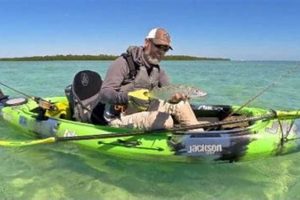
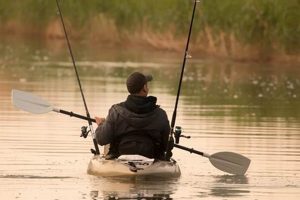
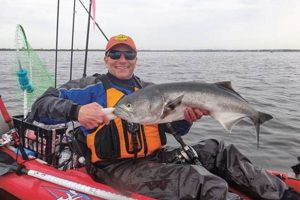
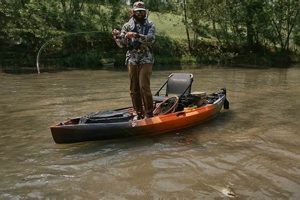
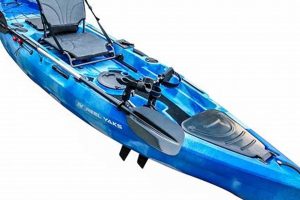
This activity involves angling from a small, human-powered watercraft in the waters surrounding the Florida Keys. It offers a unique blend of sport and nature appreciation, allowing close interaction with the marine environment. The shallow-water access provided by kayaks opens opportunities to target species like bonefish, tarpon, permit, and snapper in their natural habitats. This method contrasts with larger, motorized boats, offering a quieter and more intimate experience.
The relatively low cost of entry, combined with the exercise and adventure inherent in paddling, makes this approach an attractive option for anglers of various skill levels. The Florida Keys’ diverse ecosystem, including flats, backcountry mangroves, and offshore reefs, provides ample fishing grounds accessible by kayak. Historically, smaller vessels have played a role in fishing practices in the region, highlighting the connection to traditional methods. The quiet approach and maneuverability contribute to conservation efforts by minimizing disturbance to the fragile marine environment. The physical exertion and proximity to nature promote a rewarding and sustainable angling experience.
The following sections will delve deeper into the essential equipment, techniques, and regulations relevant to this exciting pursuit. Topics will include kayak selection and outfitting, effective fishing strategies, recommended locations, and responsible angling practices. Further discussion will cover safety considerations and the importance of respecting the local environment.
Tips for Kayak Fishing in the Florida Keys
Successful angling from a kayak in the Florida Keys requires careful planning and execution. These tips offer guidance for a safe and productive experience.
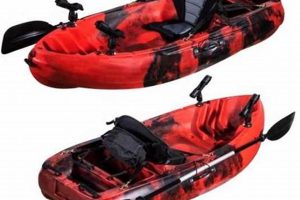
Tip 1: Choose the Right Kayak: Kayak selection depends on targeted fishing locations. Longer, sit-on-top kayaks are preferred for open water and offshore reefs, offering stability and ample storage. Shorter, more maneuverable kayaks are suitable for navigating mangrove creeks and shallow flats.
Tip 2: Prioritize Safety Equipment: Essential safety gear includes a personal flotation device (PFD), a whistle, a signaling mirror, and a communication device. A first-aid kit and appropriate sun protection are also recommended.
Tip 3: Plan Fishing Locations Carefully: Research potential fishing spots considering tides, currents, and weather conditions. Local fishing regulations and marine sanctuary boundaries should be observed.
Tip 4: Pack Essential Gear Efficiently: Organize tackle, rods, and other equipment within easy reach while maintaining kayak balance and stability. Waterproof storage solutions are crucial for protecting electronics and personal belongings.
Tip 5: Employ Effective Anchoring Techniques: A reliable anchor system prevents drift and maintains position in desired fishing areas. Consider using a stake-out pole in shallow water or a traditional anchor in deeper areas.
Tip 6: Practice Proper Kayak Handling: Understanding paddling techniques, including maneuvering in wind and current, ensures efficient navigation and reduces fatigue. Practice entering and exiting the kayak safely.
Tip 7: Respect the Marine Environment: Adhere to catch-and-release practices whenever possible. Dispose of fishing line and other waste responsibly. Avoid disturbing sensitive habitats like seagrass beds and coral reefs.
By following these guidelines, anglers can enhance their experience while contributing to the preservation of the Florida Keys’ unique ecosystem. Careful preparation and responsible practices ensure a safe and enjoyable outing.
The following section will provide a concluding perspective on kayak fishing in the Florida Keys, emphasizing the importance of responsible angling practices and the long-term sustainability of this rewarding activity.
1. Quiet Approach

A quiet approach is paramount for successful kayak fishing in the Florida Keys. The shallow, clear waters of the flats and backcountry make fish particularly susceptible to noise and disturbances. The absence of a motor allows anglers to approach target species like bonefish, tarpon, and permit without alarming them. Conventional motorized boats create engine noise and vibrations that can spook fish, significantly reducing catch rates. Kayaks, propelled by paddle power, offer a stealthy advantage, enabling anglers to get within casting range undetected. This is particularly crucial in shallow water environments where fish have heightened senses and are more easily frightened.
For example, bonefish, known for their exceptional eyesight and wariness, are easily spooked by loud noises. A kayak’s quiet operation allows anglers to drift into prime fishing locations without disturbing these fish. This increases the likelihood of a successful presentation and hookup. Similarly, tarpon, often found in shallow flats and channels, are also sensitive to noise. A quiet approach provides a significant advantage when targeting these powerful gamefish. The ability to present a fly or lure without excessive commotion can be the difference between a successful hookup and a missed opportunity.
The practical significance of a quiet approach translates directly to increased angling success. By minimizing disturbances, anglers maximize their chances of enticing wary fish. This underscores the importance of kayak selection and paddling techniques that prioritize quiet movement. Choosing a kayak designed for stability and smooth paddling reduces splashing and noise. Practicing efficient paddling strokes further minimizes disturbances, enhancing the angler’s ability to approach fish undetected. This quiet approach, combined with other essential skills and knowledge, contributes significantly to a successful and rewarding kayak fishing experience in the Florida Keys.
2. Shallow Water Access
Shallow water access represents a defining advantage of kayak fishing in the Florida Keys. The archipelago’s extensive flats, backcountry mangroves, and shallow reefs are teeming with sought-after gamefish. These areas are often inaccessible to larger, deeper-draft vessels, making kayaks ideal for reaching these prime fishing grounds. Kayaks, with their minimal draft, navigate shallow areas with ease, granting anglers access to habitats frequented by bonefish, tarpon, permit, redfish, and snook. This shallow-water accessibility distinguishes kayak fishing from other angling methods and contributes significantly to its popularity in the Keys.
The ability to navigate shallow water opens up a wealth of fishing opportunities. For example, bonefish, prized for their speed and challenging fight, inhabit shallow flats and tidal creeks often less than a foot deep. Kayaks allow anglers to silently approach these areas, presenting flies or lures directly to feeding fish. Similarly, tarpon, known for their acrobatic leaps and powerful runs, frequent shallow channels and backcountry mangroves. Kayaks provide the necessary access to these areas, allowing anglers to target these impressive gamefish in their natural environment. Another example is the pursuit of permit, a notoriously challenging yet rewarding species. Permit often feed in shallow, sandy flats, making kayak fishing a highly effective method for targeting them.
The practical significance of shallow water access in kayak fishing cannot be overstated. It provides a distinct advantage, allowing anglers to explore productive fishing grounds often inaccessible to other methods. This access translates to increased opportunities for encountering sought-after species and experiencing the unique ecosystem of the Florida Keys. Understanding the importance of shallow water access is crucial for anglers seeking to maximize their fishing success in this region. This advantage, combined with the quiet and non-intrusive nature of kayaks, positions this fishing style as an effective and environmentally conscious way to experience the diverse fishery of the Florida Keys.
3. Species Diversity (Tarpon, Bonefish)

The rich biodiversity of the Florida Keys contributes significantly to the appeal of kayak fishing in the region. The shallow waters, diverse habitats, and favorable climate support a wide range of fish species, providing anglers with exciting opportunities. This section explores the significance of species diversity, focusing on key species like tarpon and bonefish, and their relevance to kayak fishing.
- Tarpon: The Silver King
Tarpon, often called the “Silver King,” are a highly sought-after gamefish renowned for their strength, acrobatic leaps, and impressive size. They inhabit the shallow flats, channels, and backcountry mangroves of the Keys, making them accessible to kayak anglers. Their powerful runs and aerial displays provide a thrilling angling experience. The accessibility offered by kayaks allows anglers to target tarpon in their preferred habitats, increasing the chances of a memorable encounter.
- Bonefish: The Ghost of the Flats
Bonefish, nicknamed the “Ghost of the Flats,” are prized for their speed, elusiveness, and challenging fight. They inhabit shallow, sandy flats, often in water less than a foot deep. Their exceptional eyesight and wariness demand a stealthy approach, making kayak fishing an ideal method for pursuing them. Kayaks allow anglers to quietly drift across the flats, presenting flies or lures with minimal disturbance.
- Permit: The Elusive Challenge
Permit represent a challenging yet rewarding target for kayak anglers in the Florida Keys. Known for their selective feeding habits and powerful runs, permit require precise presentations and skillful angling techniques. Their preference for shallow flats and sandy areas aligns perfectly with the advantages offered by kayak fishing. The quiet approach and maneuverability of a kayak allow anglers to effectively target these elusive fish.
- Other Species: A Diverse Fishery
Beyond tarpon, bonefish, and permit, the Florida Keys boast a diverse array of other fish species accessible to kayak anglers. These include redfish, snook, snapper, grouper, and barracuda. This diversity offers anglers a wide range of fishing experiences, from targeting smaller species in the mangroves to pursuing larger gamefish offshore.
The diverse fish populations of the Florida Keys, including the iconic tarpon and bonefish, play a crucial role in attracting anglers to kayak fishing. The ability to target these and other species in their natural habitats, combined with the unique advantages offered by kayaks, creates a rewarding and engaging angling experience. The accessibility, quiet approach, and shallow water maneuverability of kayaks enhance the pursuit of these diverse species, solidifying the Florida Keys as a premier destination for kayak fishing enthusiasts.
4. Equipment Selection (Kayak, Gear)

Appropriate equipment selection is fundamental to a successful and enjoyable kayak fishing experience in the Florida Keys. The unique environment and targeted species necessitate careful consideration of both kayak choice and fishing gear. Optimal equipment enhances angler safety, improves fishing efficiency, and contributes to a more rewarding experience overall. The following facets explore key aspects of equipment selection relevant to kayak fishing in this region.
- Kayak Selection: Stability and Maneuverability
Kayak selection depends on the intended fishing locations and target species. Longer, sit-on-top kayaks (12-14 feet) offer increased stability and tracking in open water and offshore reefs, making them suitable for targeting larger species like tarpon. Shorter, more maneuverable kayaks (10-12 feet) excel in navigating tight mangrove creeks and shallow flats, ideal for pursuing bonefish and permit. Stability is crucial for casting, fighting fish, and handling equipment safely. Maneuverability is essential for navigating shallow, complex environments and accessing prime fishing spots.
- Paddle Choice: Efficiency and Comfort
Paddle selection impacts paddling efficiency and overall comfort. Lightweight paddles made from fiberglass or carbon fiber reduce fatigue during long paddling sessions. Paddle length should be appropriate for the angler’s height and kayak width. A comfortable and efficient paddle stroke conserves energy, allowing anglers to focus on fishing rather than paddling. An adjustable paddle offers versatility for varying conditions and fishing styles. Proper paddling technique minimizes disturbances, enhancing stealth and improving chances of success when approaching wary fish.
- Fishing Gear: Rods, Reels, and Tackle
Fishing gear selection depends on the target species and fishing techniques employed. Lightweight spinning or fly rods are commonly used for kayak fishing in the Keys. Reels should be appropriately sized and matched to the chosen rod and line weight. Tackle selection, including lures, flies, and terminal tackle, varies depending on the target species. For example, light tackle and small flies are effective for bonefish, while heavier tackle and larger lures are necessary for tarpon. Specialized gear, such as fly lines designed for tropical saltwater environments, enhances fishing effectiveness.
- Safety and Navigation Equipment: Essential Gear
Essential safety equipment includes a personal flotation device (PFD), a whistle, a signaling mirror, and a communication device (VHF radio or waterproof cell phone). A first-aid kit, sun protection (hat, sunglasses, sunscreen), and appropriate clothing are crucial for angler well-being. Navigation tools, such as a GPS unit or chartplotter, aid in route planning and location awareness. A reliable anchor system, either a stake-out pole for shallow water or a traditional anchor for deeper areas, helps maintain position in desired fishing locations. These safety and navigation elements are non-negotiable for responsible kayak fishing.
Careful consideration of these equipment choices enhances safety, improves fishing effectiveness, and contributes to a more rewarding kayak fishing experience in the Florida Keys. Selecting the right kayak, paddle, fishing gear, and safety equipment allows anglers to confidently explore the diverse fishing grounds and target the region’s abundant fish species. Understanding the interplay of these equipment factors empowers anglers to make informed decisions tailored to their specific needs and fishing goals, maximizing their enjoyment and success on the water.

Safety and navigation are paramount in kayak fishing the Florida Keys. The exposed nature of open water, combined with the potential for changing weather conditions, necessitates meticulous planning and preparation. Understanding navigational markers, tides, currents, and weather patterns is crucial for safe passage and successful angling. Ignoring these factors can lead to disorientation, stranding, or even life-threatening situations. For example, strong outgoing tides in narrow channels can create hazardous currents, requiring careful timing and route selection. Similarly, sudden storms can generate high winds and rough seas, posing significant risks to kayakers. Possessing navigational skills and continuously monitoring weather forecasts are essential for mitigating these risks.
Carrying essential safety equipment is non-negotiable. A personal flotation device (PFD) is a fundamental requirement, providing crucial buoyancy in the event of capsizing. A whistle, signaling mirror, and VHF radio or waterproof cell phone are vital for communication in emergencies. A first-aid kit equipped to handle common injuries, such as cuts, hooks, and sunburns, is also essential. Practical knowledge of self-rescue techniques and basic first aid adds another layer of safety. For instance, knowing how to re-enter a kayak after capsizing is a critical skill. Regularly checking weather forecasts before embarking and informing someone of the intended fishing location and return time are further prudent safety measures.
Prioritizing safety and navigation ensures a responsible and enjoyable kayak fishing experience in the Florida Keys. These practices not only minimize risks but also contribute to the overall success of the fishing trip. Navigating efficiently between fishing spots conserves energy and maximizes fishing time. Understanding tidal flows and currents allows anglers to position themselves effectively for targeting specific species. Ultimately, a comprehensive understanding of safety and navigation empowers anglers to make informed decisions, enhancing both their personal well-being and the overall quality of their fishing experience. This proactive approach to safety and navigation ensures a more rewarding and sustainable engagement with the unique marine environment of the Florida Keys.
Frequently Asked Questions
This section addresses common inquiries regarding kayak fishing in the Florida Keys, providing concise and informative responses.
Question 1: What are the essential safety precautions for kayak fishing in the Keys?
Essential safety measures include wearing a personal flotation device (PFD), carrying a whistle, signaling mirror, and communication device (VHF radio or waterproof cell phone). Checking weather forecasts before departure and informing someone of the intended fishing location and return time are crucial. Carrying a first-aid kit and appropriate sun protection is also recommended.
Question 2: What type of kayak is best suited for fishing in the Florida Keys?
Kayak selection depends on fishing location and target species. Longer, sit-on-top kayaks (12-14 feet) offer stability in open water, suitable for larger species like tarpon. Shorter, more maneuverable kayaks (10-12 feet) excel in shallow flats and mangroves, ideal for bonefish and permit. Stability and maneuverability are key considerations.
Question 3: Are there specific fishing regulations or licensing requirements?
A Florida saltwater fishing license is generally required. Specific regulations vary depending on location, species, and season. Consulting the Florida Fish and Wildlife Conservation Commission (FWC) website provides comprehensive information on current regulations, licensing requirements, and permitted fishing areas. Awareness and adherence to these regulations are essential for responsible angling.
Question 4: What are the prime locations for kayak fishing in the Keys?
The Florida Keys offer numerous productive fishing locations. Florida Bay, the backcountry mangroves, and the numerous shallow flats provide excellent opportunities for targeting bonefish, tarpon, and permit. Offshore reefs offer access to snapper, grouper, and other pelagic species. Researching specific areas based on target species and prevailing conditions enhances fishing success.
Question 5: What essential fishing gear is recommended for kayak angling in the area?
Recommended gear includes lightweight spinning or fly rods appropriate for target species. Reels should be matched to the chosen rod and line weight. Tackle selection depends on the target species; light tackle and small flies are effective for bonefish, while heavier tackle and larger lures are necessary for tarpon. Leaders, hooks, and other terminal tackle should be chosen accordingly.
Question 6: What tidal and current considerations are important for kayak fishing?
Understanding tidal flows and currents is crucial for safe navigation and effective fishing. Incoming tides bring baitfish and gamefish onto the flats, while outgoing tides can concentrate fish in channels and deeper areas. Strong currents influence fishing presentations and kayak positioning. Consulting tide charts and local knowledge enhances fishing success and navigational safety.
Careful consideration of these frequently asked questions contributes to a safer and more productive kayak fishing experience in the Florida Keys. Preparedness and informed decision-making enhance enjoyment and contribute to responsible angling practices.
This concludes the frequently asked questions section. The following section will offer concluding thoughts on kayak fishing in the Florida Keys and provide additional resources for planning a fishing trip.
Kayak Fishing the Keys
Kayak fishing the Keys offers a unique blend of angling challenge and intimate engagement with a diverse marine ecosystem. This pursuit requires careful consideration of several factors. Equipment selection, encompassing kayak choice, paddle type, and appropriate fishing gear, directly impacts angling success and safety. Understanding tidal influences and current patterns is crucial for effective navigation and targeting specific species. Prioritizing safety through proper equipment, navigational awareness, and adherence to regulations ensures a responsible and enjoyable experience. The quiet approach afforded by kayaks minimizes disturbance to the marine environment, contributing to sustainable fishing practices. Access to shallow-water habitats expands fishing opportunities, allowing anglers to target species like bonefish and tarpon in their natural environment. The diverse fish populations of the Florida Keys provide a wealth of angling opportunities, enriching the overall experience.
The future of kayak fishing in the Florida Keys relies on responsible angling practices and environmental stewardship. Preserving the delicate balance of this ecosystem ensures the continued enjoyment of this rewarding pursuit for generations to come. Continued education on best practices, respect for local regulations, and a commitment to conservation are vital to the long-term sustainability of kayak fishing in this unique and valuable environment. Engaging with local resources and contributing to conservation efforts further strengthens the connection between anglers and the preservation of the Florida Keys natural resources.