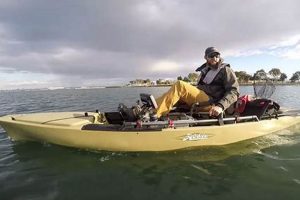
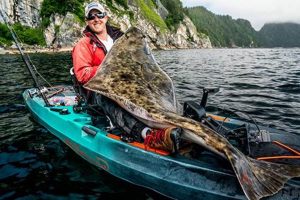
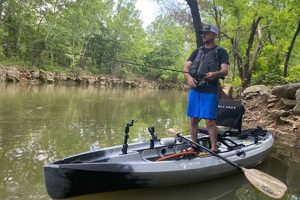
The sheltered bays, inlets, and kelp forests of the San Diego coastline offer diverse environments rich with marine life, making the region an ideal location for anglers using small, maneuverable watercraft. This approach to angling allows access to shallow waters and hard-to-reach areas often inaccessible to larger vessels, providing a unique and rewarding fishing experience.
Quietly navigating these waters offers opportunities to target a wide variety of species, from calico bass and halibut inshore to yellowtail and even tuna further offshore. This method promotes a low-impact approach to fishing, minimizing disturbance to the marine ecosystem. Historically, small boats have been integral to fishing cultures worldwide, and the modern adaptation with specialized kayaks carries on this tradition, enhanced by modern technology and materials.
The following sections will explore specific locations suited for this activity in San Diego, safety considerations, equipment recommendations, and local regulations relevant to anglers.
Tips for Kayak Fishing in San Diego
Careful planning and preparation contribute significantly to a successful and safe fishing excursion. The following tips offer valuable insights for anglers.
Tip 1: Check Weather and Tide Conditions: Prior to embarking, consult marine forecasts for wind speed, wave height, and tidal currents. Launching and landing can be challenging in rough conditions. Favor calm days with minimal swell for optimal safety and fishing experience.
Tip 2: Choose Appropriate Launch Sites: Select launch locations based on skill level and targeted fishing areas. Sheltered bays and coves are recommended for beginners, while more experienced anglers might consider launching from beaches or directly into open water. Research access points, parking availability, and any potential hazards.
Tip 3: Utilize a Fish Finder and GPS: Electronic aids such as fish finders and GPS units significantly enhance fishing success. Fish finders help locate fish and identify underwater structures, while GPS assists with navigation and marking productive fishing spots.
Tip 4: Employ Proper Safety Equipment: Always wear a personal flotation device (PFD). Carry a whistle, signaling mirror, and VHF radio for communication in emergencies. A first-aid kit and essential tools for minor repairs are also recommended.
Tip 5: Pack Light and Efficiently: Kayak space is limited; therefore, pack essential gear only. Organize tackle boxes and equipment in waterproof containers to prevent damage and loss. Consider a dry bag for personal items and electronics.
Tip 6: Practice Kayak Handling Skills: Familiarize oneself with basic kayak maneuvering techniques before venturing into open water. Practice paddling, turning, and recovering from capsizing in a controlled environment. Consider taking a kayaking safety course.
Tip 7: Respect Local Regulations and Wildlife: Adhere to all fishing regulations, including licensing requirements, size and bag limits, and seasonal closures. Practice catch-and-release whenever possible and handle fish with care. Respect wildlife and minimize disturbance to the marine environment.
By adhering to these guidelines, anglers can maximize their chances of a successful and enjoyable fishing experience while prioritizing safety and environmental responsibility.
These practical tips lay the foundation for a rewarding experience on the water. The next section will delve into specific recommended locations.
1. La Jolla Shores

La Jolla Shores holds a prominent position among San Diego’s kayak fishing destinations due to its unique combination of calm waters, diverse marine life, and convenient access. The Shores’ location within the La Jolla Ecological Reserve contributes significantly to its thriving ecosystem, attracting a variety of fish species. The calm, protected waters, particularly within the cove, provide an ideal environment for kayak anglers of all skill levels, from beginners to seasoned professionals. The sandy beach launch area simplifies entry and exit, further enhancing its appeal.
The kelp forests just offshore offer excellent fishing opportunities for calico bass, halibut, and other species seeking shelter and foraging within the kelp. The sandy bottom areas provide habitat for sand bass and other bottom-dwelling fish. The relatively shallow depths and clear water visibility enhance the effectiveness of sight fishing techniques. The presence of the La Jolla Submarine Canyon nearby contributes to upwelling currents, bringing nutrient-rich waters closer to shore, further enriching the marine life and attracting pelagic species. For example, yellowtail and bonito are occasionally caught by kayak anglers venturing slightly further offshore. This areas protected status prohibits the use of motorized vessels, further promoting tranquility ideal for kayak fishing.
Understanding the ecological dynamics of La Jolla Shores and its protected status is crucial for anglers seeking to maximize their fishing success while minimizing environmental impact. Respecting regulations, practicing catch-and-release whenever possible, and employing sustainable fishing practices contribute to the preservation of this valuable resource. The combination of accessible launch points, diverse fish populations, and protective regulations solidifies La Jolla Shores as a prime location within the San Diego kayak fishing landscape.
2. Mission Bay
Mission Bay’s expansive and diverse aquatic environment offers significant opportunities for kayak anglers in San Diego. The bay’s network of channels, coves, and islands creates a variety of habitats, attracting a diverse range of fish species. Shallow-water flats provide ideal grounds for targeting halibut and spotted bay bass, while deeper channels hold potential for encountering larger species like leopard sharks and bat rays. The numerous protected coves and inlets offer respite from wind and waves, creating favorable conditions for kayak fishing, particularly for less experienced anglers. The presence of eelgrass beds and other submerged vegetation further enhances the bay’s ecological richness, providing shelter and foraging grounds for various fish species. For example, spotted bay bass are often found lurking near these structures, creating prime ambush points.
Several public boat launches and kayak rental facilities around Mission Bay provide convenient access for anglers. The relatively calm waters and proximity to shore make it a suitable location for both beginners and experienced kayak fishermen. The variety of fishing techniques, including casting artificial lures, drifting live bait, and fly fishing, can be effectively employed within the bay. The bay’s popularity as a recreational area necessitates awareness of other boat traffic and adherence to speed limits and navigational rules, promoting safety for all users. Tidal fluctuations play a significant role in fish behavior and movement within Mission Bay. Understanding tidal patterns and their influence on feeding habits can significantly improve fishing success. For instance, fishing during incoming tides often brings increased activity as baitfish are pushed closer to shore, attracting larger predatory species.
Mission Bay’s combination of diverse habitats, convenient access, and relatively sheltered conditions establishes its significance within the San Diego kayak fishing landscape. Anglers can maximize their experience by understanding the bay’s ecological dynamics, utilizing appropriate fishing techniques, and respecting established regulations. This understanding contributes to both successful fishing outcomes and the sustainable use of this valuable resource.
3. Coronado Island

Coronado Island, located across the San Diego Bay from downtown, presents unique opportunities for kayak anglers. Its varied shoreline, ranging from sandy beaches to rocky points, combined with access to deeper waters, supports diverse fish populations and offers distinct angling experiences. The island’s location influences tidal currents and baitfish movement, creating dynamic feeding patterns that attract larger predatory species. This makes Coronado a compelling location for experienced kayak anglers seeking a challenge and the potential for larger catches.
- Nearshore Kelp Forests:
The kelp forests surrounding Coronado Island provide crucial habitat for a variety of fish species, including calico bass, sheepshead, and kelp bass. These areas offer excellent opportunities for kayak anglers using techniques like kelp paddy fishing or targeting structure within the kelp beds. The kelp’s dense canopy provides shade and cover, attracting baitfish and creating ambush points for larger predators. Anglers often employ lighter tackle and artificial lures to mimic the baitfish found within these environments. The presence of kelp forests contributes significantly to Coronado’s appeal as a kayak fishing destination.
- Coronado Ferry Landing:
The Coronado Ferry Landing area provides a structured environment that attracts various fish species. The pilings and submerged structures offer shelter and attract baitfish, creating feeding opportunities for larger game fish. Anglers often target these areas using live bait or lures that mimic the prey found around the ferry landing. The relatively calm waters and accessibility make this location suitable for kayak anglers of varying skill levels. However, navigating boat traffic requires careful attention and adherence to safety regulations.
- Spanish Bight:
Spanish Bight, a shallow, protected bay on the southwest side of Coronado Island, offers calmer waters suitable for less experienced kayak anglers. The shallow flats provide good opportunities for targeting halibut and other bottom-dwelling species. The bay’s relatively protected nature minimizes the impact of wind and waves, creating favorable conditions for kayak fishing. Anglers often employ techniques like drifting live bait or slowly retrieving lures along the bottom to target these species. Spanish Bight offers a more accessible and less challenging environment compared to the open waters surrounding the island.
- Tidal Currents and Baitfish Movement:
Coronado Island’s location experiences significant tidal influence, impacting baitfish movement and creating dynamic feeding patterns. Understanding tidal flows is crucial for successful kayak fishing. Incoming tides often bring baitfish closer to shore, attracting larger predatory species. Conversely, outgoing tides can concentrate fish in channels and deeper areas. Anglers who align their fishing strategies with tidal patterns often experience increased success. Paying attention to these natural rhythms contributes significantly to a productive fishing experience around Coronado Island.
Coronado Island’s diverse fishing environments, coupled with the strategic importance of understanding tidal currents and baitfish behavior, solidify its position as a prime location for kayak fishing in San Diego. The island’s varied shoreline and proximity to deeper waters offer opportunities for both novice and experienced anglers, contributing to the rich tapestry of fishing experiences available within the region.
4. Shelter Island

Shelter Island, situated within San Diego Bay, offers a unique blend of calm waters, convenient access, and diverse fishing opportunities, making it a noteworthy location among San Diego’s kayak fishing spots. Its sheltered location provides a relatively predictable and manageable environment, particularly suitable for beginners or those seeking calmer conditions. The combination of these factors contributes to Shelter Island’s popularity among local anglers.
- Calm Waters and Launch Accessibility:
Shelter Island’s location within the bay provides protection from significant swells and strong currents, creating a generally calm water environment conducive to kayak fishing. Several designated launch points offer easy access for kayaks, simplifying entry and exit. This combination of calm waters and readily available launch points makes Shelter Island particularly attractive for less experienced kayak anglers or those seeking a more relaxed fishing experience.
- Fishing Piers and Shoreline Structures:
The fishing piers and various shoreline structures around Shelter Island create artificial reefs that attract a variety of fish species. These structures offer shelter and foraging opportunities, concentrating fish populations in predictable locations. Anglers often find success targeting these areas with techniques such as casting lures or drifting live bait. The presence of these structures adds an element of strategic depth to fishing around Shelter Island, allowing anglers to focus their efforts on specific high-probability zones.
- Proximity to Deeper Channels:
While Shelter Island itself offers relatively shallow waters, its proximity to deeper channels within San Diego Bay provides access to larger, pelagic species. Anglers can venture from the sheltered areas to explore these deeper waters, increasing the potential for encountering different types of fish. This proximity to diverse habitats expands the fishing opportunities available from a Shelter Island launch point, catering to a wider range of angling preferences and target species.
- Species Variety and Fishing Techniques:
The combination of shallow, sheltered areas and access to deeper channels supports a variety of fish species around Shelter Island, including halibut, spotted bay bass, and occasionally larger pelagic species. This diversity allows anglers to employ a range of fishing techniques, from casting lures to bottom fishing. The adaptability required for fishing in these varied environments adds an element of complexity and interest to the Shelter Island fishing experience.
Shelter Island’s calm waters, convenient launch points, and the variety of fishing opportunities stemming from its unique location within San Diego Bay contribute significantly to its desirability as a kayak fishing spot. Its accessibility and the potential for diverse catches make it a valuable location within the broader context of San Diego’s kayak fishing landscape.
5. San Diego Bay
San Diego Bay represents a significant component within the broader context of kayak fishing spots in San Diego. Its sheltered nature, diverse habitats, and extensive shoreline contribute to a unique and productive fishing environment. Understanding the bay’s characteristics and the specific opportunities it presents is crucial for anglers seeking to maximize their kayak fishing experience.
- Habitat Diversity:
San Diego Bay encompasses a variety of habitats, including eelgrass beds, shallow flats, deeper channels, and various man-made structures. This diversity supports a wide range of fish species, from smaller baitfish to larger game fish. For example, the eelgrass beds provide nursery grounds for juvenile fish and attract species like halibut that ambush prey. Deeper channels offer opportunities for encountering pelagic species that move into the bay with tidal currents. This habitat diversity allows kayak anglers to target specific species based on their preferred habitat and fishing techniques.
- Protected Waters:
The bay’s geography provides natural protection from large ocean swells and strong currents, creating relatively calm waters suitable for kayak fishing. This characteristic makes San Diego Bay accessible to anglers of varying skill levels, from beginners to experienced kayakers. The calmer conditions also facilitate the use of a wider range of fishing techniques, including trolling, drifting, and casting. This predictability and manageability are key factors contributing to the bay’s popularity as a kayak fishing destination.
- Accessibility and Launch Points:
Numerous public launch ramps and kayak rental facilities are located around San Diego Bay, providing convenient access for anglers. This ease of entry and exit simplifies logistical planning and allows for more time on the water. The availability of these resources contributes significantly to the bay’s accessibility and its appeal to both local residents and visiting anglers.
- Regulations and Considerations:
While San Diego Bay offers abundant fishing opportunities, it is essential for anglers to be aware of and adhere to existing regulations. These regulations may include licensing requirements, size and bag limits for specific species, and restrictions on fishing in certain areas. Awareness of these rules ensures responsible and sustainable fishing practices. Additionally, understanding tidal flows and potential boat traffic enhances both safety and fishing success.
San Diego Bays combination of habitat diversity, protected waters, and accessibility makes it a central focus within the network of kayak fishing spots throughout San Diego. By understanding the bay’s unique characteristics and adhering to responsible fishing practices, anglers can experience the diverse and rewarding fishing opportunities this environment offers.
6. Lake Hodges (freshwater)
Lake Hodges offers a distinct freshwater alternative within the broader context of kayak fishing spots in San Diego. While the majority of locations discussed focus on saltwater environments, Lake Hodges provides anglers with an opportunity to target different species and experience a unique inland fishing environment. This diversification broadens the overall appeal of kayak fishing in the region, catering to a wider range of angler preferences and skill levels. The lake’s inclusion in discussions of San Diego kayak fishing underscores the importance of considering diverse aquatic environments and the specific challenges and rewards they offer.
Stocked with species such as largemouth bass, crappie, bluegill, and channel catfish, Lake Hodges presents a different set of angling challenges and opportunities compared to saltwater environments. The relatively calm and predictable waters of the lake make it suitable for kayak anglers of all skill levels, including beginners. The presence of submerged structures, such as fallen trees and rock formations, provides habitat complexity and attracts various fish species. Kayak anglers can effectively target these areas using techniques such as casting lures or fishing with live bait. The accessibility of Lake Hodges, with multiple launch points and rental facilities available, further enhances its appeal as a kayak fishing destination. For example, the Hodges Reservoir boat ramp provides convenient access for launching kayaks and other small watercraft. Regulations specific to Lake Hodges, including licensing requirements and catch limits, must be observed to ensure responsible and sustainable fishing practices. Understanding these regulations is crucial for maintaining the ecological health of the lake and preserving its value as a recreational resource.
Incorporating Lake Hodges into the discussion of kayak fishing in San Diego expands the scope beyond saltwater environments and provides a comprehensive perspective on the region’s angling opportunities. This inclusion highlights the diversity of aquatic resources available and the unique challenges and rewards associated with each distinct environment. Acknowledging this freshwater option broadens the overall understanding of kayak fishing in San Diego and caters to a wider spectrum of angling interests and preferences within the community. The inclusion of a freshwater option like Lake Hodges contributes to a more complete and well-rounded understanding of kayak fishing opportunities within the San Diego region.
Frequently Asked Questions
This section addresses common inquiries regarding kayak fishing within the San Diego region.
Question 1: What are the licensing requirements for kayak fishing in San Diego?
A valid California fishing license is required for individuals 16 years of age and older. One-day, two-day, and annual licenses are available for purchase online or through licensed vendors. Specific regulations and license requirements can be found on the California Department of Fish and Wildlife website.
Question 2: What essential safety equipment should be carried on a kayak fishing trip?
Essential safety gear includes a personal flotation device (PFD), a whistle, a visual signaling device (mirror or flare), a VHF radio, and a first-aid kit. A bilge pump, paddle leash, and basic repair kit are also recommended. Navigation lights are required if fishing after sunset.
Question 3: Are there specific regulations regarding fish species and catch limits?
Size and bag limits exist for various species. Regulations vary seasonally and are subject to change. Consulting the California Department of Fish and Wildlife’s current regulations before each fishing trip is essential for compliance.
Question 4: What are the recommended kayak types for fishing in San Diego waters?
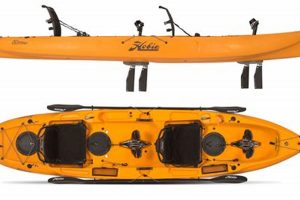
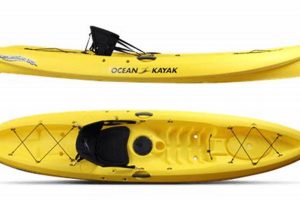
Sit-on-top kayaks are generally preferred for their stability and ease of re-entry in the event of capsizing. Specific features, such as rod holders, storage compartments, and anchor systems, enhance the fishing experience. Kayak selection should consider the angler’s experience level, target species, and typical fishing conditions.
Question 5: What environmental considerations should kayak anglers keep in mind?
Minimizing environmental impact is crucial. Practicing catch-and-release whenever possible, properly disposing of fishing line and other waste, and respecting marine habitats contribute to preserving these resources. Avoiding sensitive areas, such as eelgrass beds and bird nesting sites, further minimizes disturbance.
Question 6: Where can reliable weather and tide information be obtained before a kayak fishing trip?
NOAA’s National Weather Service provides accurate marine forecasts, including wind speed, wave height, and sea surface temperatures. Tide predictions for specific locations are available through various online resources and nautical charts. Consulting these resources before departure contributes significantly to safety and planning.
Careful preparation and adherence to regulations ensure both a rewarding fishing experience and the preservation of San Diego’s valuable aquatic resources.
Further resources and detailed information can be found on the websites of local fishing organizations and the California Department of Fish and Wildlife.
Kayak Fishing Spots San Diego
This exploration of kayak fishing spots in San Diego has highlighted the region’s diverse offerings, from the sheltered bays and coves of Mission Bay and Shelter Island to the open-water opportunities around Coronado Island and the unique freshwater experience at Lake Hodges. The importance of understanding local regulations, prioritizing safety precautions, and minimizing environmental impact has been emphasized throughout. Specific location details, including habitat characteristics, access points, and potential target species, provide a framework for anglers to plan successful excursions.
The dynamic interplay between the Pacific Ocean and the diverse coastal and inland waterways creates a rich tapestry of fishing experiences within San Diego County. Careful consideration of location selection, coupled with responsible angling practices, ensures the continued health and accessibility of these valuable resources for future generations. The potential for rewarding experiences underscores the importance of informed decision-making and a commitment to environmental stewardship within the San Diego kayak fishing community.