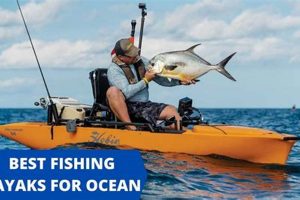
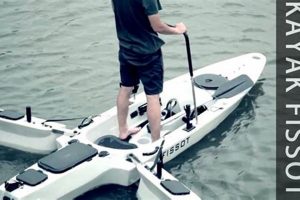
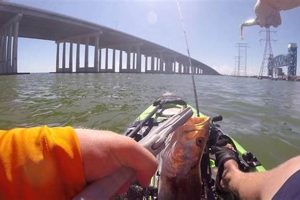
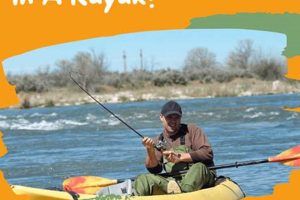
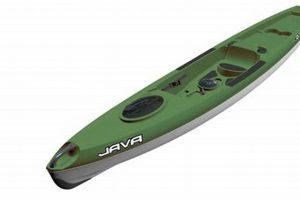
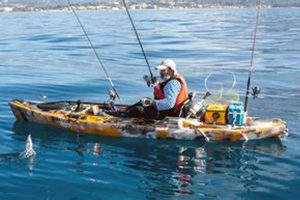
This activity involves angling from a small, human-powered watercraft in the waters surrounding Sanibel Island, Florida. It offers a unique blend of recreation and sport, allowing close interaction with the natural environment. Anglers often target species such as snook, redfish, and spotted seatrout in the shallow seagrass flats and mangrove-lined estuaries.
The shallow-draft nature of kayaks grants access to areas unreachable by larger boats, maximizing fishing opportunities. This method is environmentally friendly, offering a quiet and non-intrusive way to explore the diverse ecosystem. The islands rich history of fishing and its conservation efforts contribute to a thriving marine environment, making it a desirable location. Furthermore, this pastime provides both physical exercise and a connection with nature, promoting well-being.
The following sections will explore specific techniques, recommended equipment, ideal locations around the island, licensing and regulations, and conservation best practices.
Tips for Kayak Fishing Around Sanibel Island
Successful kayak angling requires careful planning and preparation. The following tips enhance safety and maximize fishing success in the unique environment surrounding Sanibel Island.
Tip 1: Check Weather and Tide Charts: Prioritize safety by reviewing marine forecasts and tide charts before embarking. Wind and tidal currents significantly impact navigation and fishing conditions.
Tip 2: Utilize a Paddle Leash: A paddle leash prevents accidental loss of the paddle, a critical piece of equipment for maneuvering and returning to shore.
Tip 3: Wear Appropriate Safety Gear: A personal flotation device (PFD) is essential. Consider a whistle, signaling mirror, and waterproof pouch for communication devices in case of emergencies.
Tip 4: Employ Anchor or Stake-Out Pole: Maintaining position in shallow water requires an anchor or stake-out pole. This allows anglers to focus on fishing without constantly adjusting position due to wind or currents.
Tip 5: Practice Catch and Release Techniques: Preserve the local fish population by employing proper catch and release techniques. Minimize handling time and use appropriate tools to remove hooks quickly.
Tip 6: Respect Wildlife and the Environment: Observe wildlife from a distance and avoid disturbing nesting areas. Adhere to “Leave No Trace” principles by packing out all trash and minimizing environmental impact.
Tip 7: Be Aware of Regulations: Familiarize oneself with local fishing regulations, including licensing requirements and size/bag limits for targeted species.
Tip 8: Engage a Local Guide (Optional): For novice anglers or those unfamiliar with the area, a local guide provides invaluable insights into productive fishing spots, techniques, and local regulations.
By adhering to these guidelines, anglers can enjoy a safe and productive experience, contributing to the long-term health of the Sanibel Island ecosystem.
With careful planning and a respect for the environment, kayak fishing provides a rewarding way to experience the natural beauty and abundant fishing opportunities around Sanibel Island.
1. Equipment

Specialized equipment plays a vital role in successful kayak fishing around Sanibel Island. The chosen gear directly influences an angler’s safety, comfort, and fishing effectiveness. Selecting a kayak appropriate for the local conditions is paramount. Stable, shallow-draft kayaks are ideal for navigating the shallow seagrass flats and mangrove estuaries characteristic of the area. A comfortable seat and adjustable footrests contribute to longer, more enjoyable fishing sessions. Essential fishing equipment includes rods, reels, and tackle suited to the target species. Lightweight, corrosion-resistant gear is recommended due to the saltwater environment. For instance, targeting snook in the mangroves may require a medium-heavy spinning rod and reel combination spooled with braided line, while fishing for redfish on the flats might necessitate a lighter setup. Appropriate lures or bait, chosen based on the target species and prevailing conditions, are also crucial. Live bait, such as shrimp or pilchards, often proves effective, while artificial lures, like soft plastics or topwater plugs, can also entice strikes. Navigation and safety equipment are equally important. A reliable paddle, personal flotation device (PFD), and a whistle are essential safety items. A fish finder, GPS unit, and VHF radio enhance navigational capabilities and contribute to angler safety. Carrying a dry bag ensures essential items, like phones and wallets, remain protected from the elements.
Careful consideration of equipment enhances the kayak fishing experience. Matching the kayak and fishing gear to the specific conditions and target species maximizes fishing success. Prioritizing safety equipment contributes to a secure and enjoyable outing. For example, selecting a kayak with ample storage capacity allows anglers to carry sufficient tackle, bait, and safety gear for a full day of fishing. Equipping the kayak with rod holders and other accessories improves organization and efficiency while on the water. Properly maintaining equipment ensures its longevity and reliability, reducing the risk of malfunctions during fishing trips.
Appropriate equipment selection directly impacts the effectiveness and enjoyment of kayak fishing around Sanibel Island. A thoughtful approach to gear selection, balancing performance, safety, and comfort, contributes to a more successful and rewarding fishing experience. Understanding the specific demands of the local environment and target species informs equipment choices and maximizes the chances of a productive outing. Regular maintenance and inspection of equipment further enhance safety and prolong the lifespan of essential gear.
2. Location
Location plays a crucial role in kayak fishing success around Sanibel Island. The island’s diverse ecosystem offers a variety of fishing locations, each with unique characteristics impacting species presence and fishing techniques. Understanding these locations is essential for maximizing catch rates and enjoying a productive fishing experience. The shallow seagrass flats surrounding the island are prime locations for spotting seatrout, redfish, and snook. These areas provide ample foraging opportunities for these species, making them attractive fishing grounds. Anglers often employ shallow-draft kayaks to navigate these flats effectively. Ding Darling National Wildlife Refuge, accessible by kayak, offers pristine backcountry fishing opportunities amidst protected mangrove ecosystems. This location provides a haven for various fish species and offers anglers a chance to observe diverse wildlife.
Pine Island Sound, a large body of water between Sanibel and Pine Island, provides another productive location. Its deeper channels and oyster bars attract larger game fish, including tarpon and snapper. Kayak anglers can access these areas with careful navigation and awareness of tidal currents. The causeway islands, accessible by kayak from Sanibel’s causeway, present opportunities for catching sheepshead, snapper, and other species that congregate around the bridge pilings and submerged structures. These locations offer a different fishing experience compared to the open flats or backcountry areas. Choosing the right location based on target species and prevailing conditions significantly influences fishing outcomes. For example, targeting tarpon requires fishing deeper channels and passes within Pine Island Sound, while pursuing redfish necessitates exploring the shallow grass flats around the island.
Selecting appropriate fishing locations is fundamental to successful kayak fishing around Sanibel Island. Understanding the characteristics of different locations, including water depth, habitat type, and prevalent species, allows anglers to tailor their approach. This knowledge, combined with careful observation of environmental factors like tides and currents, significantly improves fishing outcomes and contributes to a more rewarding experience. Recognizing the ecological importance of these diverse locations further emphasizes the need for responsible fishing practices, ensuring the preservation of Sanibel’s rich marine environment for future generations.
3. Regulations
Regulations governing kayak fishing around Sanibel Island are essential for preserving the health and sustainability of the local marine ecosystem. These regulations, enforced by the Florida Fish and Wildlife Conservation Commission (FWC), address various aspects of fishing activity, including licensing requirements, bag limits, size restrictions, and permitted fishing methods. Adhering to these regulations ensures responsible fishing practices and contributes to the long-term viability of fish populations. For example, specific regulations dictate the minimum size and maximum number of redfish that can be harvested, protecting breeding populations and maintaining a balanced ecosystem. Regulations also prohibit the harvest of certain species, such as goliath grouper, to safeguard vulnerable populations. Understanding and complying with these regulations is a fundamental responsibility of all anglers.
Licensing requirements mandate that anglers possess a valid Florida saltwater fishing license unless exempt. Different license types exist, catering to residents, non-residents, and specific durations of fishing activity. Failure to possess a valid license can result in penalties. Regulations also dictate permitted fishing gear and methods. For instance, certain areas may prohibit the use of gill nets or other fishing gear that could harm non-target species or damage sensitive habitats. Size and bag limits restrict the size and number of specific fish species that anglers can harvest. These limitations help maintain healthy fish populations and prevent overfishing. Regulations may also establish closed seasons for particular species during their breeding periods to protect vulnerable spawning aggregations. Familiarizing oneself with current regulations before embarking on a fishing trip is crucial, as regulations can change periodically based on conservation needs and scientific assessments. Resources such as the FWC website provide up-to-date information on current regulations.
Compliance with fishing regulations is not merely a legal obligation but also a critical component of responsible angling. By adhering to these regulations, anglers contribute directly to the conservation of Sanibel Island’s valuable marine resources. This responsible approach ensures the continued enjoyment of kayak fishing for future generations. Ignoring regulations can lead to detrimental consequences, including overfishing, habitat destruction, and the decline of fish populations. Furthermore, understanding and respecting regulations fosters a positive relationship between anglers and the regulatory bodies tasked with protecting the environment. This collaborative approach strengthens conservation efforts and ensures the long-term health and sustainability of Sanibel Island’s unique marine ecosystem.
4. Safety

Safety is paramount when kayak fishing around Sanibel Island. The environment presents inherent risks requiring careful consideration and preparation. Potential hazards include changing weather conditions, strong tidal currents, navigation challenges, and encounters with wildlife. Neglecting safety precautions can lead to serious consequences, ranging from minor injuries to life-threatening situations. For example, an unexpected squall can capsize a kayak, exposing the angler to cold water and potentially strong currents. A lack of proper safety equipment, such as a personal flotation device (PFD), can exacerbate such a situation.
Implementing appropriate safety measures significantly mitigates these risks. Checking weather forecasts before embarking on a fishing trip allows anglers to avoid potentially hazardous conditions. Wearing a PFD provides essential buoyancy in case of capsizing. Carrying a communication device, such as a VHF radio or a waterproofed cell phone, enables summoning assistance in emergencies. Understanding tidal currents and their influence on kayak navigation is crucial for avoiding being swept into unsafe areas. Carrying a first-aid kit allows for immediate treatment of minor injuries. Informing someone of the intended fishing location and estimated return time ensures that help can be summoned if the angler fails to return as planned. Knowledge of local regulations, including designated boating areas and restricted zones, further enhances safety. These practices, when implemented collectively, create a layered safety approach, minimizing risks and promoting a secure fishing experience.
Prioritizing safety is not merely a precaution but a fundamental element of responsible kayak fishing. A comprehensive understanding of potential hazards, coupled with consistent implementation of safety measures, ensures a more enjoyable and secure fishing experience around Sanibel Island. This proactive approach to safety fosters a culture of responsibility and respect for the marine environment, allowing anglers to appreciate the natural beauty and fishing opportunities while minimizing risks to themselves and the ecosystem. Ultimately, a safe fishing trip is a successful fishing trip.
5. Tides
Tidal movement significantly influences kayak fishing success around Sanibel Island. Tidal flow dictates water depth, current strength, and access to shallow-water feeding grounds. Understanding tidal cycles and their impact on fish behavior is crucial for optimizing fishing strategies. Incoming tides flood shallow flats, providing access to areas otherwise unreachable by kayak. These rising waters often bring baitfish and crustaceans, attracting predatory species like redfish and snook. Conversely, outgoing tides concentrate fish in deeper channels and troughs as water recedes from the flats. These locations become prime ambush points for larger game fish, such as tarpon and snook. For example, fishing the edges of mangrove shorelines during a rising tide allows anglers to target redfish seeking crabs and small baitfish flushed from the roots.
Consulting tide charts before embarking on a fishing trip enables anglers to plan accordingly. Matching fishing locations with specific tidal stages maximizes opportunities. For example, targeting snook in the backcountry mangroves is most effective during a falling tide as these fish move from the flooded flats back into deeper channels. Awareness of tidal currents also impacts kayak navigation and safety. Strong outgoing tides can create challenging paddling conditions, particularly in narrow channels or passes. Planning kayak routes in accordance with tidal flow conserves energy and enhances safety. Furthermore, understanding tidal influence on water clarity informs lure selection and presentation. Murky water associated with strong incoming tides may require using lures with greater vibration or brighter colors to attract fish.
Tidal knowledge is an integral component of successful kayak fishing around Sanibel Island. A thorough understanding of tidal cycles, currents, and their influence on fish behavior allows anglers to refine fishing strategies, optimize location selection, and enhance safety. This knowledge, combined with careful observation of local conditions, significantly improves fishing outcomes and contributes to a more informed and rewarding experience. Ignoring tidal influence can lead to unproductive fishing trips and potentially hazardous navigation challenges. Therefore, integrating tidal awareness into pre-trip planning and on-the-water decision-making is essential for maximizing success and safety in this dynamic environment.
6. Environment

The environment plays a critical role in kayak fishing around Sanibel Island, representing both a resource and a responsibility. The delicate balance of the local ecosystem directly impacts the abundance and diversity of fish species. Seagrass beds, mangrove forests, and oyster reefs provide essential habitat for fish, crustaceans, and other marine life, forming the foundation of the food web. Water quality, influenced by factors such as nutrient runoff and pollution, directly affects the health of these habitats and the organisms they support. For example, excess nutrient runoff can lead to algal blooms, depleting oxygen levels and harming fish populations. Preserving water quality through responsible land management and pollution control is crucial for maintaining a thriving fishery. Furthermore, the physical environment, including water temperature, salinity, and tidal currents, influences fish behavior and distribution. Understanding these environmental factors enables anglers to make informed decisions about fishing locations and techniques. Changes in environmental conditions, such as rising water temperatures or increased storm intensity, can have significant long-term impacts on fish populations and the overall health of the ecosystem.
Sustainable fishing practices are essential for minimizing the environmental impact of kayak fishing. Catch-and-release fishing, using appropriate tackle and handling techniques, minimizes stress on fish and promotes their survival. Proper disposal of fishing line and other debris prevents entanglement and ingestion by wildlife. Respecting designated no-fishing zones and protected areas safeguards sensitive habitats and vulnerable species. For instance, avoiding anchoring in seagrass beds prevents damage to these vital habitats. Educating oneself about local environmental regulations and best practices further contributes to responsible kayak fishing. Supporting conservation initiatives and organizations dedicated to protecting the marine environment strengthens long-term sustainability efforts. Kayak fishing offers a unique opportunity to observe and appreciate the natural beauty of the Sanibel Island ecosystem. This close interaction with the environment fosters a sense of stewardship and encourages responsible behavior. Reporting unusual environmental observations, such as fish kills or pollution events, to relevant authorities aids in environmental monitoring and protection.
The relationship between environment and kayak fishing around Sanibel Island is symbiotic. A healthy environment supports a thriving fishery, providing anglers with rewarding fishing opportunities. In turn, responsible fishing practices minimize the impact of angling on the environment, contributing to its long-term health and sustainability. Recognizing this interconnectedness underscores the importance of environmental stewardship within the kayak fishing community. Maintaining this balance ensures the continued enjoyment of this recreational activity while preserving the ecological integrity of Sanibel Island’s unique marine environment for future generations. Addressing environmental challenges, such as habitat loss and climate change, requires collaborative efforts between anglers, conservation organizations, and local authorities. This collective responsibility is crucial for protecting the valuable natural resources that sustain both the ecosystem and the kayak fishing community.
Frequently Asked Questions
This section addresses common inquiries regarding kayak fishing around Sanibel Island. The information provided aims to clarify regulations, best practices, and environmental considerations.
Question 1: What are the licensing requirements for kayak fishing around Sanibel Island?
A valid Florida saltwater fishing license is required unless exempt. Exemptions apply to residents 65 or older, children under 16, and individuals fishing from a licensed charter vessel. Licenses can be obtained online through the Florida Fish and Wildlife Conservation Commission (FWC) website or from authorized vendors.
Question 2: Are there specific areas where kayak fishing is restricted or prohibited?
Certain areas, such as designated swimming zones or sections within wildlife refuges, may have restrictions or prohibitions on fishing. Consult local maps and regulations, available through the FWC or local authorities, before venturing into unfamiliar areas.
Question 3: What safety precautions are recommended for kayak fishing in this area?
Prioritize safety by wearing a personal flotation device (PFD), checking weather forecasts before departing, carrying a communication device (VHF radio or waterproofed cell phone), and informing someone of the planned fishing location and return time. Understanding tidal currents and navigation markers is also crucial.
Question 4: What are the common target species for kayak anglers around Sanibel Island?
Common target species include snook, redfish, spotted seatrout, tarpon, snapper, and sheepshead. The optimal fishing locations and techniques vary depending on the target species and prevailing conditions.
Question 5: What are the best practices for catch-and-release fishing to minimize environmental impact?
Minimize handling time, use appropriate hooks and dehooking tools, avoid removing fish from the water unnecessarily, and support the fish’s body weight when handling larger specimens. If a fish appears stressed, revive it in the water before releasing it.
Question 6: What are the potential environmental impacts of kayak fishing, and how can they be mitigated?
Potential impacts include habitat disturbance, pollution from discarded fishing line, and disturbance to wildlife. Mitigation strategies involve adhering to Leave No Trace principles, proper disposal of fishing line and other debris, respecting designated no-fishing zones, and practicing catch-and-release techniques.
Adherence to regulations, responsible fishing practices, and respect for the environment ensure the sustainability of the fishery and the preservation of this unique ecosystem.
For additional inquiries or specific regulatory information, consult the Florida Fish and Wildlife Conservation Commission (FWC) or local authorities.
Kayak Fishing Sanibel Island
Kayak fishing around Sanibel Island offers a unique blend of angling and ecological immersion. Successful excursions require careful consideration of equipment, location selection, and adherence to regulations. Tidal influences and environmental awareness are critical factors impacting fishing outcomes. Prioritizing safety ensures a rewarding and secure experience. From the tranquil backcountry mangroves to the expansive seagrass flats, the diverse ecosystem surrounding Sanibel Island provides ample opportunities for anglers to pursue a variety of species.
Preserving this delicate environment is paramount. Responsible angling practices, including catch-and-release techniques and mindful waste disposal, safeguard the island’s natural resources for future generations. Continued appreciation for the interconnectedness of the environment and the angling experience ensures the long-term sustainability of this unique recreational pursuit.