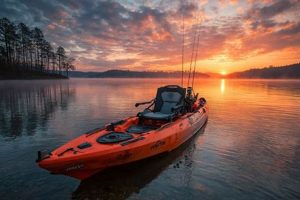
Angling from a small, human-powered vessel on the Potomac River offers a unique blend of recreation and sport. This approach allows close-to-water access, facilitating exploration of shallows, creeks, and other areas often inaccessible to larger boats. It’s a popular method for targeting diverse species, including bass, catfish, and shad, depending on the specific location and season along the river.
This style of fishing presents several advantages. Its quiet nature allows for a stealthy approach, increasing the chances of a successful catch. The low physical impact of this method minimizes disturbance to the river’s ecosystem. Historically, small boats have been used for fishing on the Potomac, reflecting a long tradition of human interaction with this waterway. Modern lightweight, maneuverable vessels enhance this experience, providing anglers with greater control and range.
Further exploration of this topic might cover suitable equipment, optimal locations along the river for various species, seasonal fishing patterns, licensing requirements, and responsible angling practices for preserving the Potomac’s valuable aquatic resources.
Tips for Potomac River Kayak Angling
Successful angling from a kayak on the Potomac River requires preparation and adherence to best practices. The following tips contribute to a safe and productive experience.
Tip 1: Research Regulations. Understanding current licensing requirements and catch limits for specific species is crucial before embarking on any fishing trip. Regulations can vary depending on location and season.
Tip 2: Plan the Trip. Check the weather forecast, water conditions, and tidal charts. Choose launch points strategically, considering access to target fishing areas and anticipated currents.
Tip 3: Prioritize Safety. Always wear a personal flotation device (PFD). Carry essential safety equipment, including a whistle, a first-aid kit, and communication devices. Inform someone of the planned fishing location and estimated return time.
Tip 4: Select Appropriate Gear. Use fishing rods and tackle suitable for the target species. Consider rod holders and storage solutions designed specifically for kayaks to maximize space and efficiency.
Tip 5: Practice Kayak Control. Familiarize oneself with paddling techniques and maneuvering a kayak in various water conditions. This enhances stability and safety, particularly in currents or windy conditions.
Tip 6: Respect the Environment. Practice catch-and-release whenever possible. Properly dispose of fishing line and other waste. Minimize disturbance to the riverbank and surrounding vegetation.
Tip 7: Employ Effective Techniques. Research effective fishing techniques for the target species in the Potomac River. This may involve using specific lures, baits, or fishing at particular depths or times of day.
Adherence to these guidelines promotes angler safety, increases the likelihood of a successful fishing experience, and helps preserve the Potomac River’s ecological integrity for future generations.
Considering these tips, the next section will delve into specific locations along the Potomac River suitable for this activity.
1. Species Targeted
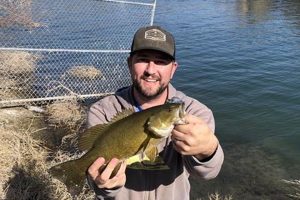
The Potomac River supports a diverse fish population, offering anglers a variety of targets. Species selection significantly influences equipment choices and fishing strategies when angling from a kayak. For example, targeting largemouth bass might necessitate heavier tackle and specific lures, while pursuing smaller panfish may require lighter equipment and different bait. Understanding the habits and preferred habitats of target species improves angling success. Smallmouth bass often inhabit rocky areas with faster currents, while catfish prefer deeper, slower-moving sections of the river. This knowledge informs location choices for kayak launching and fishing.
Matching fishing techniques to the target species is equally crucial. Bass anglers often employ casting techniques with artificial lures, while catfish anglers might use bottom fishing rigs with natural bait. The kayak’s maneuverability allows anglers to position themselves effectively for targeting specific species in their preferred habitats. For instance, the quiet approach afforded by a kayak can be particularly advantageous when targeting wary species like smallmouth bass in shallow water. Conversely, larger species like striped bass might require trolling techniques from a kayak in deeper sections of the river.
Successful kayak angling on the Potomac River hinges on a comprehensive understanding of the target species’ behavior, preferred habitats, and effective fishing techniques. This knowledge, combined with the kayak’s unique advantages, allows for a more targeted and ultimately, more rewarding fishing experience. Understanding the target species also plays a key role in promoting conservation efforts and ensuring the sustainability of the Potomac River’s fish populations.
2. Launch Locations
Launch locations play a critical role in kayak fishing success on the Potomac River. Strategic selection of a launch point directly influences access to desired fishing areas, affects overall safety, and impacts the efficiency of the fishing trip. Factors such as river flow, tides, and the presence of rapids or other hazards must be considered when choosing a launch site. Launching upstream of a target area allows anglers to drift downstream naturally, covering water methodically while conserving energy. Conversely, launching downstream necessitates paddling against the current to reach the desired location, potentially adding significant physical exertion to the fishing trip.
Several public access points facilitate kayak launching along the Potomac River. Fletcher’s Cove, located near Washington, D.C., offers convenient access to the river’s urban sections. Further upstream, Great Falls National Park provides launch points suitable for accessing more remote and less pressured areas. Downriver, Mattawoman Creek provides access to tidal waters and different species. Selecting a launch location near target species habitats maximizes fishing opportunities. For example, launching near submerged structures or weed beds known to hold bass increases the likelihood of encountering these fish. Similarly, launching in areas with deeper channels or holes can be advantageous for catfish anglers.
Careful consideration of launch locations contributes significantly to a productive and safe kayak fishing experience on the Potomac River. Matching the launch point to target species, river conditions, and personal physical capabilities enhances overall efficiency and enjoyment. Prior research and careful planning regarding launch sites are essential components of a successful Potomac River kayak fishing excursion. Neglecting these aspects can lead to wasted time, reduced fishing success, and potentially hazardous situations.
3. Kayak Selection

Kayak selection significantly impacts the experience of fishing on the Potomac River. Factors such as hull design, length, and storage capacity influence stability, maneuverability, and overall fishing effectiveness. A longer, narrower kayak offers speed and tracking for covering greater distances, advantageous in open water sections of the river. However, this design may sacrifice stability compared to a shorter, wider kayak, better suited to slower-moving water and frequent casting. Sit-on-top kayaks offer inherent stability and self-bailing capabilities, beneficial in potentially choppy conditions or when landing larger fish. Sit-inside kayaks provide greater protection from the elements and offer a drier ride, yet require more experience for re-entry if capsized.
Storage capacity is another crucial consideration. Sufficient space for tackle boxes, rods, and other fishing gear is essential for an organized and efficient fishing trip. Specialized fishing kayaks often feature built-in rod holders, storage compartments, and even livewells for keeping bait or caught fish. These features enhance convenience and allow anglers to focus on fishing rather than managing equipment. Choosing a kayak with appropriate weight capacity ensures safe handling and prevents performance issues due to overloading. Considering the potential for carrying fishing gear, personal belongings, and the weight of any caught fish is vital for selecting a kayak suitable for individual needs and the Potomac River environment.
Appropriate kayak selection directly contributes to a safe, efficient, and enjoyable fishing experience on the Potomac River. Matching kayak characteristics to individual needs, fishing style, and river conditions maximizes performance and safety. Failure to consider these factors can lead to instability, inadequate storage, and a compromised fishing experience. Careful evaluation of kayak options, considering factors like hull design, length, storage, and weight capacity, is a critical pre-trip planning step for any Potomac River kayak angler.
4. Fishing Regulations
Adherence to fishing regulations is essential for the sustainability of the Potomac River’s aquatic resources and ensures a legal and ethical angling experience, specifically for those fishing from kayaks. These regulations, encompassing licensing, catch limits, and permitted fishing methods, contribute directly to preserving fish populations and maintaining a balanced ecosystem. Ignoring these rules can lead to penalties and negatively impact the river’s overall health.
- Licensing Requirements
Possessing a valid fishing license is mandatory for anyone angling on the Potomac River. Specific license types may be required depending on residency, age, and targeted species. Licenses can typically be obtained online or through authorized vendors. Failure to present a valid license upon request by law enforcement can result in fines and potential suspension of fishing privileges.
- Catch Limits and Size Restrictions
Regulations often stipulate catch limits, defining the number of each species an angler can keep per day. Size restrictions dictate the minimum or maximum length of fish that can be legally harvested. These restrictions aim to protect younger fish, allowing them to mature and reproduce, and to prevent overfishing of specific species. Adhering to these limits is crucial for maintaining healthy fish populations within the Potomac River ecosystem.
- Permitted Fishing Methods and Gear
Regulations may restrict specific fishing methods or gear types to minimize environmental impact and ensure fair angling practices. For example, the use of certain types of nets or traps may be prohibited, and restrictions on hook sizes or bait types may apply. Anglers using kayaks should be particularly aware of these regulations, as improper gear or methods can disproportionately affect sensitive river habitats.
- Closed Seasons and Restricted Areas
Certain areas of the Potomac River may be designated as “no fishing” zones to protect spawning grounds or sensitive habitats. Additionally, closed seasons for specific species may be implemented during their breeding periods to ensure successful reproduction. Understanding and respecting these closures is crucial for preserving the long-term health of the Potomac River fishery.
Understanding and complying with all applicable fishing regulations is a fundamental responsibility for anyone engaging in kayak fishing on the Potomac River. This responsible behavior not only avoids legal consequences but also contributes significantly to the conservation of this valuable natural resource. By adhering to these rules, kayak anglers play a direct role in preserving the Potomac River’s diverse fish populations and ensuring the enjoyment of this recreational activity for future generations.
5. Safety Precautions
Safety precautions are paramount when kayak fishing on the Potomac River. The dynamic nature of the river, combined with the inherent risks associated with small vessel operation, necessitates careful planning and adherence to safety guidelines. Neglecting these precautions can lead to dangerous situations, jeopardizing angler well-being and potentially impacting other river users.
- Personal Flotation Devices (PFDs)
Wearing a properly fitted PFD is non-negotiable. Even strong swimmers can become incapacitated due to cold water shock, unexpected currents, or collisions. A PFD provides essential buoyancy, increasing the likelihood of survival in a capsizing event. Selecting a PFD designed for kayaking, with unrestricted arm movement, ensures comfort and practicality while fishing.
- Weather Awareness and Monitoring
Checking weather forecasts prior to embarking on a kayak fishing trip is critical. Sudden changes in weather conditions, such as strong winds, thunderstorms, or rapid temperature drops, can create hazardous situations on the water. Portable weather radios or smartphone apps provide real-time updates, enabling anglers to make informed decisions regarding continuing or seeking shelter.
- Navigation and Communication
Carrying a map, compass, or GPS device aids navigation, especially in unfamiliar sections of the river. Informing someone onshore of the planned fishing location and estimated return time is crucial in case of emergencies. A fully charged cell phone or VHF radio provides a means of communication if assistance is required.
- River Hazards and Current Awareness
Understanding potential river hazards is vital for safe kayak operation. Strainers (partially submerged objects that allow water to pass but trap solid objects), rapids, and dams present significant dangers. Awareness of current speed and direction is crucial, especially when fishing near bridges or other constricted areas. Avoiding these hazards and maintaining situational awareness minimizes the risk of accidents.
These interconnected safety precautions contribute to a secure and enjoyable kayak fishing experience on the Potomac River. Implementing these measures minimizes risks associated with on-the-water activities and promotes responsible angling practices. Prioritizing safety enhances the overall experience, allowing anglers to focus on fishing and appreciate the Potomac River’s natural beauty without compromising personal well-being.
6. Environmental Impact
Kayak fishing on the Potomac River, while a low-impact activity compared to motorized boating, presents potential environmental consequences. Responsible angling practices are crucial for minimizing disturbance to the river’s delicate ecosystem and preserving its health for future generations. Understanding these potential impacts allows anglers to make informed decisions and contribute to the long-term sustainability of the Potomac River’s natural resources.
- Disturbance to Aquatic Habitats
Kayaks, even without motors, can disrupt aquatic habitats. Dragging kayaks over shallow gravel beds or through vegetation can damage spawning areas and displace aquatic organisms. Careful launching and landing practices, avoiding sensitive areas, and minimizing contact with the riverbed help mitigate this impact. Opting for designated launch sites further reduces disturbance to riparian zones.
- Fishing Line and Tackle Debris
Discarded fishing line poses a significant threat to wildlife. Birds, turtles, and fish can become entangled in discarded line, leading to injury or death. Proper disposal of fishing line in designated receptacles or by taking it home for disposal is essential. Using biodegradable fishing line minimizes long-term environmental impact should it become lost or discarded improperly. Retrieving snagged lures and hooks further reduces debris and potential harm to aquatic life.
- Introduction of Invasive Species
Kayaks can inadvertently transport invasive aquatic species, such as zebra mussels or hydrilla, between different bodies of water. Thorough cleaning of kayaks, including removing any visible plant material or mud, before entering and after exiting the Potomac River prevents the spread of these harmful organisms. Draining any standing water from the kayak further reduces the risk of transporting invasive species.
- Chemical Contamination from Sunscreen and Repellents
Chemicals in sunscreens and insect repellents can wash off into the river, potentially harming aquatic life. Choosing eco-friendly products specifically designed for use in aquatic environments minimizes this chemical contamination. Applying these products sparingly and away from the water’s edge further reduces their impact on the river’s ecosystem.
Minimizing environmental impact is a crucial aspect of responsible kayak fishing on the Potomac River. Adhering to proper launch and landing techniques, responsible disposal of fishing line and tackle, preventing the spread of invasive species, and minimizing chemical contamination from personal care products collectively contribute to preserving the river’s ecological integrity. By embracing these practices, kayak anglers can enjoy this recreational activity while safeguarding the Potomac River’s valuable natural resources for present and future generations.
Frequently Asked Questions
This section addresses common inquiries regarding kayak fishing on the Potomac River, providing concise and informative responses.
Question 1: What are the most common fish species targeted by kayak anglers on the Potomac River?
Common targets include largemouth bass, smallmouth bass, striped bass, catfish, and various panfish species. The specific species encountered depends on the location and time of year.
Question 2: Are there specific license requirements for kayak fishing on the Potomac River?
A valid fishing license is required. License requirements vary based on residency, age, and targeted species. Consulting the relevant state agencies (Maryland, Virginia, District of Columbia) provides specific details.
Question 3: Where are suitable kayak launch points along the Potomac River?
Numerous public access points exist, including Fletcher’s Cove, Great Falls National Park, and various smaller boat ramps. Choosing a location depends on desired fishing areas and river conditions. Researching access points beforehand is advised.
Question 4: What safety equipment is recommended for kayak fishing on the Potomac River?
Essential safety equipment includes a personal flotation device (PFD), a whistle, a first-aid kit, communication devices (cell phone or VHF radio), and navigation tools (map, compass, or GPS). Checking weather forecasts before embarking is crucial.
Question 5: What are the primary environmental concerns associated with kayak fishing on the Potomac River?
Potential impacts include disturbance of aquatic habitats, discarded fishing line, the spread of invasive species, and chemical contamination from sunscreen and insect repellents. Responsible angling practices minimize these impacts.
Question 6: What type of kayak is best suited for fishing on the Potomac River?
Kayak selection depends on individual preferences, fishing style, and targeted areas of the river. Sit-on-top kayaks offer stability, while sit-inside kayaks provide a drier ride. Considering factors like length, storage capacity, and maneuverability informs the selection process.
Careful consideration of these frequently asked questions enhances angler preparedness, contributes to a safer and more enjoyable fishing experience, and promotes responsible use of the Potomac River’s resources.
The next section will delve into advanced techniques for kayak fishing on the Potomac River.
Kayak Fishing Potomac River
This exploration of angling from a kayak on the Potomac River has highlighted key aspects for a successful and responsible experience. From species selection and launch location planning to kayak choice and adherence to fishing regulations, each element contributes significantly to overall effectiveness and enjoyment. Emphasis on safety precautions, including the use of personal flotation devices and awareness of river conditions, underscores the importance of prioritizing angler well-being. Furthermore, the discussion of minimizing environmental impact through responsible angling practices emphasizes the crucial role anglers play in preserving the Potomac River’s ecological integrity.
The Potomac River offers a diverse and dynamic environment for kayak angling. Applying the knowledge and practices outlined herein contributes not only to individual angling success but also to the long-term health and sustainability of this valuable natural resource. Continued learning and adaptation to evolving conditions remain essential for maximizing the enjoyment and minimizing the impact of this unique recreational pursuit.