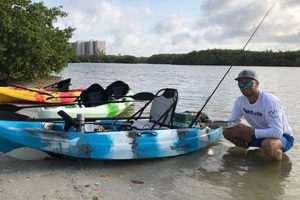
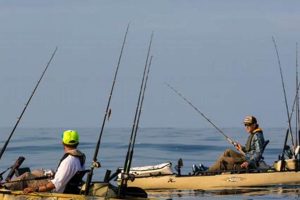
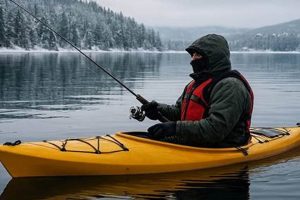
This activity combines the tranquility of paddling with the excitement of angling in the shallow, clear waters near the shoreline. Imagine casting a line from a small, maneuverable vessel, exploring the diverse marine ecosystems of St. Andrew Bay and the Gulf of Mexico, and reeling in a variety of species from redfish to speckled trout. This popular pursuit offers a unique perspective on the local aquatic environment.
Offering accessibility to otherwise difficult-to-reach fishing spots, this method allows anglers a close encounter with nature while promoting a low-impact approach to angling. The relatively shallow draft of these small watercraft grants access to grass flats, oyster bars, and inlets, prime habitats for numerous fish species. Historically, small boats have played a role in the region’s fishing culture, and the modern iteration continues this tradition, providing both a recreational and potentially sustainable fishing method.
The subsequent sections will explore key aspects of this popular activity, including selecting appropriate equipment, understanding local regulations and licensing, identifying prime fishing locations, and employing effective techniques to maximize angling success in the waters surrounding this coastal destination.
Tips for Kayak Angling in Panama City Beach
Optimizing angling success and ensuring safety requires careful planning and preparation. The following tips offer valuable insights for a productive and enjoyable experience.
Tip 1: Choose the Right Kayak: Select a kayak designed for stability and fishing, considering factors like length, width, and hull design. Sit-on-top kayaks are generally preferred for their ease of entry and exit, as well as their self-bailing capabilities.
Tip 2: Essential Gear: A well-equipped angler should carry essential safety gear, including a personal flotation device (PFD), a whistle, and a signaling device. Fishing-specific equipment like rod holders, tackle boxes, and landing nets should also be readily accessible.
Tip 3: Understand Local Regulations: Familiarize oneself with local fishing regulations, including licensing requirements, size and catch limits, and permitted fishing areas. This information can be obtained from the Florida Fish and Wildlife Conservation Commission (FWC).
Tip 4: Plan Your Trip: Check weather forecasts, tide charts, and water conditions before heading out. Consider launching from designated kayak launch areas for ease of access and safety.
Tip 5: Navigation and Safety: Carry a GPS device or a chart and compass for navigation, especially when venturing further offshore. Inform someone of your planned route and estimated return time.
Tip 6: Respect the Environment: Practice catch-and-release whenever possible and adhere to Leave No Trace principles. Dispose of fishing line and other waste responsibly.
Tip 7: Employ Effective Techniques: Research effective fishing techniques for the target species in the area. Consider using live bait, lures, or artificial flies depending on the prevailing conditions and fish behavior.
Tip 8: Stay Hydrated and Sun-Protected: Florida’s climate can be intense. Carry plenty of water and apply sunscreen regularly to avoid dehydration and sunburn.
By adhering to these guidelines, anglers can enhance their chances of a successful and safe fishing excursion while contributing to the preservation of the local ecosystem.
These practical tips lay the foundation for a rewarding experience. The concluding section will offer additional resources and information for planning an unforgettable trip.
1. Species Variety

The diverse fish populations inhabiting the waters around Panama City Beach contribute significantly to the appeal of kayak fishing in the area. From nearshore species like redfish, speckled trout, and flounder to offshore pelagic fish such as king mackerel and cobia, the range of potential catches offers anglers a dynamic and challenging experience. This variety influences angling techniques, equipment choices, and target locations. For instance, targeting redfish in the shallow grass flats requires different tackle and strategies compared to pursuing king mackerel in deeper offshore waters. Understanding the prevalent species and their respective habitats is crucial for a successful outing.
The species variety also contributes to the ecological richness of the region. Healthy populations of game fish indicate a thriving ecosystem, supporting a complex web of marine life. Anglers contribute to this balance through responsible fishing practices, including catch-and-release fishing and adherence to size and catch limits. Respecting these guidelines ensures the sustainability of the fish populations and the overall health of the marine environment. For example, practicing catch-and-release with oversized redfish allows these breeding individuals to contribute to future generations, maintaining the population’s long-term viability.
Successful kayak fishing in Panama City Beach requires an understanding of the prevalent species, their preferred habitats, and the most effective techniques for targeting them. This knowledge, combined with responsible angling practices, ensures a rewarding experience while contributing to the preservation of the diverse marine ecosystem. Continued monitoring of fish populations and adherence to conservation guidelines are essential for maintaining the ecological balance and ensuring the long-term sustainability of this valuable resource.
2. Launch Locations

Launch locations play a crucial role in kayak fishing success within Panama City Beach. Strategic selection of a launch site directly influences access to specific fishing grounds, impacting the types of species encountered and overall angling effectiveness. Factors such as proximity to target areas, prevailing currents, and water depth must be considered when choosing a launch point. Launching near shallow grass flats provides access to redfish and speckled trout, while launching closer to deeper channels allows targeting species like flounder or snapper. Public boat ramps and designated kayak launch areas offer convenient access, while less developed shoreline areas may require careful assessment of water conditions and potential obstacles. For example, launching from St. Andrews State Park provides access to the Grand Lagoon and the Gulf, offering diverse fishing opportunities. Conversely, launching from a more remote location along the bay shoreline may grant access to secluded fishing spots but require careful navigation through shallow waters.
Tidal fluctuations also influence launch location decisions. Incoming tides may open access to previously inaccessible shallow areas, while outgoing tides can create strong currents, making certain launch points less desirable. Understanding tidal patterns is essential for optimizing fishing strategies and ensuring safe navigation. Launching during an incoming tide may allow access to shallow grass flats where redfish congregate, while an outgoing tide might be preferred for drifting along deeper channels to target flounder. Furthermore, wind conditions can significantly impact paddling distance and maneuverability, especially in open water areas. Careful assessment of wind direction and speed is necessary when choosing a launch point and planning a fishing route. A strong north wind can make paddling in the open bay challenging, while a calmer south wind might provide ideal conditions for exploring near-shore areas.
Effective launch location selection optimizes fishing opportunities and enhances overall safety. Understanding tidal influences, wind conditions, and proximity to target fishing grounds are key elements in successful kayak angling. Combining this knowledge with careful planning and preparation ensures a productive and enjoyable experience in the diverse waters surrounding Panama City Beach. Access to detailed nautical charts, local fishing reports, and knowledge of designated launch sites contribute to informed decision-making and successful angling outcomes.
3. Equipment Selection

Appropriate equipment selection significantly influences success and safety while kayak fishing in Panama City Beach. Optimized gear enhances angling effectiveness, improves maneuverability, and ensures comfort throughout the fishing excursion. Careful consideration of specific environmental conditions, target species, and personal preferences guides informed equipment choices.
- Kayak Choice
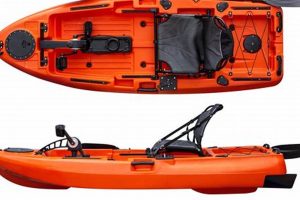
Kayak selection hinges on factors such as stability, storage capacity, and intended fishing locations. Wider, sit-on-top kayaks offer enhanced stability, essential for casting and reeling in fish. Sufficient storage space accommodates tackle boxes, rods, and other essential gear. Shorter kayaks provide maneuverability in shallow waters and tight spaces, while longer kayaks track better in open water and cover greater distances. A kayak specifically designed for fishing often includes features like rod holders, anchor trolleys, and built-in storage compartments, further enhancing angling convenience.
- Paddle Selection
Paddle choice impacts paddling efficiency and overall comfort. Lightweight paddles reduce fatigue during long outings, while appropriately sized paddles maximize power transfer with each stroke. Adjustable-length paddles accommodate varying paddling styles and water conditions. High-quality paddle construction ensures durability and reliable performance in saltwater environments. Choosing a paddle suited to individual needs enhances overall paddling experience and reduces physical strain.
- Fishing Gear
Appropriate fishing gear selection depends on target species and prevailing fishing conditions. Rods, reels, lines, and terminal tackle must be matched to the specific fish being pursued. Lighter tackle suits smaller inshore species like speckled trout, while heavier tackle is required for larger offshore game fish. A selection of lures, baits, and hooks caters to different feeding preferences and fishing techniques. Properly maintained and organized fishing gear contributes to efficiency and increases the likelihood of successful catches.
- Safety Equipment
Essential safety equipment prioritizes angler well-being during on-the-water excursions. A personal flotation device (PFD) is paramount, providing buoyancy and increasing visibility. A whistle and signaling device facilitate communication in emergencies. A first-aid kit addresses minor injuries, while a waterproof bag protects essential belongings like phones and wallets. A reliable communication device allows for weather updates and emergency contact. Comprehensive safety equipment safeguards against unforeseen circumstances and enhances overall safety.
Careful equipment selection contributes significantly to a positive and productive kayak fishing experience in Panama City Beach. Prioritizing appropriate gear suited to specific needs and environmental conditions enhances angling effectiveness, ensures comfort, and promotes safety. By carefully considering each component of their setup, anglers maximize their chances of success while minimizing potential risks, leading to a more enjoyable and rewarding time on the water.
4. Tidal Influences

Tidal fluctuations exert a significant influence on kayak fishing success in Panama City Beach. Understanding tidal patterns, currents, and their impact on fish behavior is crucial for optimizing fishing strategies and accessing productive fishing grounds. Tidal changes affect water depth, current strength, and the movement of baitfish, all of which influence the location and feeding activity of target species. Anglers who comprehend and leverage tidal influences gain a significant advantage in locating and catching fish.
- Current Strength and Direction
Tidal currents dictate the movement of water, influencing the distribution of baitfish and the accessibility of different fishing areas. Strong outgoing tides create swift currents in channels and inlets, concentrating baitfish and attracting predatory species. Incoming tides flood shallow flats and marshes, providing access to areas otherwise unreachable during low tide. Understanding current direction and strength helps anglers position themselves effectively for drift fishing, optimizing lure presentation and increasing the likelihood of enticing strikes. For example, drifting with the current along a channel edge during an outgoing tide allows anglers to cover a wider area and present lures naturally to waiting fish.
- Water Depth and Accessibility
Tidal fluctuations significantly alter water depth, impacting access to shallow flats, oyster bars, and other prime fishing locations. Shallow areas inaccessible during low tide become productive fishing grounds as the tide rises, attracting fish seeking food in the newly flooded terrain. Conversely, areas accessible during high tide may become too shallow or dry during low tide, requiring anglers to adjust their fishing locations accordingly. Knowledge of tidal charts and local bathymetry is essential for navigating safely and efficiently, maximizing fishing time in productive areas. For instance, targeting redfish on shallow grass flats requires understanding high tide periods to access these areas effectively.
- Baitfish Movement and Fish Feeding Patterns
Tidal currents carry baitfish and other food sources, influencing the movement and feeding behavior of target species. Predatory fish often position themselves strategically along current lines and near structure, ambushing baitfish swept along by the tide. Understanding these patterns allows anglers to anticipate fish location and select appropriate lures and techniques. Fishing near inlets and channel mouths during tide changes can be particularly productive as baitfish are flushed in or out with the current, attracting hungry game fish. For example, fishing near a bridge during an incoming tide can yield excellent results as baitfish are carried toward the structure, attracting species like snook and tarpon.
- Tidal Stage and Species Behavior
Different tidal stages influence the activity levels and feeding patterns of various fish species. Some species prefer feeding during high tide when shallow areas become accessible, while others are more active during low tide when baitfish are concentrated in deeper channels. Understanding these preferences allows anglers to target specific species during their peak feeding periods, maximizing their chances of success. For instance, redfish may be more active and accessible on shallow flats during high tide, while flounder may be more readily caught in deeper channels during low tide. Matching fishing strategies to the specific tidal stage and target species significantly improves angling outcomes.
By understanding the interplay between tidal influences and fish behavior, kayak anglers in Panama City Beach can significantly improve their chances of a successful fishing trip. Leveraging tidal currents, water depth changes, and species-specific feeding patterns allows for strategic planning and optimized fishing techniques. This knowledge, combined with careful observation and adaptability, enhances the overall fishing experience and increases the likelihood of memorable catches.
5. Safety Precautions
Safeguarding against potential hazards inherent in the marine environment is paramount for an enjoyable and incident-free kayak fishing experience in Panama City Beach. Implementing appropriate safety precautions mitigates risks associated with changing weather conditions, navigation challenges, and watercraft-related incidents. Prioritizing safety ensures angler well-being and allows for a focused and productive fishing excursion.
- Weather Awareness
Checking marine weather forecasts prior to launch is crucial. Sudden weather changes, including strong winds, thunderstorms, and fog, can create hazardous conditions for kayakers. Postponing trips during unfavorable weather minimizes risks. Real-time weather updates via a weather app or VHF radio provide continuous awareness during the outing. For example, unexpected afternoon thunderstorms are common during summer months and necessitate immediate action to seek safe harbor.
- Navigation and Communication
Carrying a GPS device or nautical chart and compass aids navigation, especially in unfamiliar waters or during reduced visibility. Informing someone onshore of the planned fishing route and estimated return time allows for timely assistance if needed. A fully charged mobile phone in a waterproof case provides a means of communication in emergencies. Familiarity with local navigation markers and channels ensures safe passage. For instance, navigating the Grand Lagoon requires awareness of marked channels and potential boat traffic.
- Personal Flotation Devices (PFDs)
Wearing a properly fitted PFD is essential for all kayak anglers, regardless of swimming ability. PFDs provide buoyancy and increase visibility in the water, crucial in the event of capsizing or unexpected immersion. Ensuring the PFD is in good condition and readily accessible is paramount. Inflatable PFDs offer comfort and flexibility, while traditional life jackets provide immediate flotation. Choosing a PFD appropriate for the fishing environment and personal preferences enhances safety and peace of mind.
- Kayak Handling and Stability
Understanding kayak handling characteristics and maintaining stability is crucial, especially when casting, retrieving fish, or navigating challenging conditions. Distributing weight evenly within the kayak enhances stability. Avoiding sudden movements or leaning excessively minimizes the risk of capsizing. Practicing basic kayak maneuvering skills in calm water before venturing into more challenging environments builds confidence and competence. For example, learning to re-enter a kayak after capsizing is a valuable skill that can prove essential in an emergency.
Adhering to these safety precautions significantly reduces risks associated with kayak fishing in Panama City Beach. Prioritizing safety allows anglers to focus on enjoying the experience and pursuing their passion with confidence. Combining responsible planning, proper equipment, and continuous awareness of environmental conditions contributes to a safe and rewarding outing on the water. Continued education on safe boating practices and adherence to established guidelines further enhances angler safety and promotes responsible enjoyment of the marine environment.
Frequently Asked Questions
This section addresses common inquiries regarding kayak fishing in Panama City Beach, providing concise and informative responses to facilitate informed decision-making and enhance the overall angling experience.
Question 1: What are the most common fish species targeted by kayak anglers in Panama City Beach?
Common targets include redfish, speckled trout, flounder, Spanish mackerel, and king mackerel, depending on the season and fishing location. Nearshore species like redfish and trout inhabit shallow grass flats and estuaries, while offshore species like king mackerel are found in deeper waters.
Question 2: Are there specific regulations or licensing requirements for kayak fishing in this area?
Florida saltwater fishing regulations apply to kayak anglers. A fishing license is generally required unless exempt. Specific regulations pertain to size and catch limits for various species. Consulting the Florida Fish and Wildlife Conservation Commission (FWC) website provides detailed information on current regulations.
Question 3: Where are recommended launch points for kayak fishing access in Panama City Beach?
Public boat ramps and designated kayak launch sites offer convenient access. St. Andrews State Park provides access to both the Grand Lagoon and the Gulf. Several smaller public access points exist along the bay shoreline. Local bait and tackle shops can offer additional recommendations.
Question 4: What essential safety equipment should one carry while kayak fishing?
Essential safety gear includes a personal flotation device (PFD), a whistle, a signaling device, a first-aid kit, and a communication device (e.g., waterproofed mobile phone or VHF radio). Navigation tools such as a GPS or chart and compass are highly recommended.
Question 5: What are the typical costs associated with kayak fishing in Panama City Beach?
Costs vary based on equipment ownership versus rentals. Kayak rentals typically range from $50 to $100 per day. Fishing license fees vary depending on residency and duration. Additional expenses include tackle, bait, and transportation.
Question 6: Are guided kayak fishing tours available in Panama City Beach?
Numerous local outfitters offer guided kayak fishing tours catering to various skill levels. Guided tours provide valuable insights into local fishing hotspots, techniques, and regulations. Tour costs vary depending on duration and inclusions.
Understanding local regulations, prioritizing safety precautions, and selecting appropriate equipment contribute significantly to a successful and enjoyable kayak fishing experience. Thorough preparation and informed decision-making maximize angling opportunities and ensure a safe and rewarding time on the water.
For those seeking a deeper understanding of specific techniques and strategies, the following section explores advanced tactics for maximizing angling success in Panama City Beach.
Kayak Fishing in Panama City Beach
Exploration of this popular pursuit reveals a multifaceted activity demanding careful preparation and informed decision-making. Successful angling hinges on understanding key elements, including species-specific behavior, tidal influences, appropriate equipment selection, and adherence to safety regulations. Strategic launch point selection, combined with effective fishing techniques, maximizes opportunities for productive catches. Prioritizing safety considerations ensures an enjoyable and incident-free experience, allowing anglers to fully appreciate the diverse marine environment.
The rewarding nature of kayak fishing in Panama City Beach stems from the harmonious blend of angling skill, environmental awareness, and respect for the delicate ecological balance. Continued exploration of these interconnected elements promises enhanced angling success while contributing to the long-term preservation of this valuable coastal resource. Embracing sustainable fishing practices ensures future generations can continue to enjoy the unique challenges and rewards offered by this captivating pursuit.