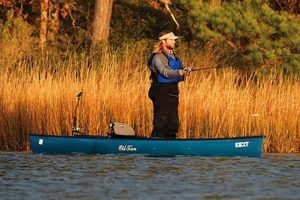
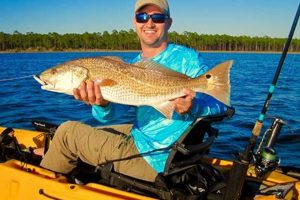
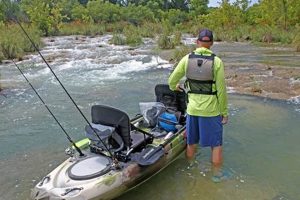
The pursuit of angling from small, human-powered watercraft offers a unique and intimate connection with Arkansas’s diverse aquatic ecosystems. This approach allows access to otherwise difficult-to-reach fishing spots in the state’s numerous rivers, lakes, and streams. For example, navigating shallow creeks or maneuvering through cypress-studded bayous becomes readily achievable with this method.
This activity provides significant advantages for anglers. It promotes a quiet, non-intrusive approach, increasing the likelihood of successful catches. Moreover, the low cost of entry compared to motorized boats makes it an accessible recreational activity for a broader audience. Historically, smaller, maneuverable watercraft have played a vital role in fishing traditions worldwide, and the modern adaptation continues this legacy in the Natural State, providing a sustainable and engaging way to experience its rich aquatic resources. This method also aligns well with conservation efforts, minimizing environmental impact while maximizing recreational enjoyment.
This exploration will further detail key aspects of this popular activity including optimal locations, appropriate equipment, necessary licensing and regulations, and safety considerations for anglers in Arkansas.
Tips for Kayak Angling in Arkansas
Successful outings require careful planning and preparation. The following tips offer guidance for maximizing enjoyment and ensuring safety on the water.
Tip 1: Research Locations: Thorough research is essential before embarking on any fishing trip. Consult maps, online resources, and local fishing reports to identify suitable locations based on target species and skill level. Consider factors like water current, depth, and accessibility.
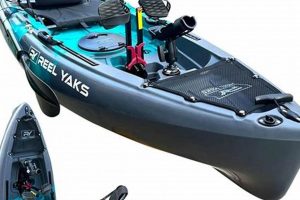
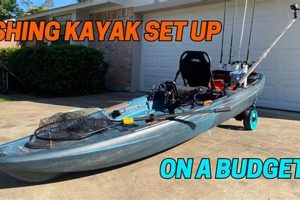
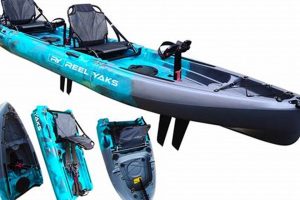
Tip 2: Choose Appropriate Gear: Selecting the right equipment is crucial for a productive and comfortable experience. Opt for a kayak designed for stability and fishing features. Essential gear includes appropriate rods, reels, tackle, and safety equipment such as a personal flotation device (PFD).
Tip 3: Prioritize Safety: Safety should always be the foremost consideration. Always wear a PFD, inform someone of your fishing plans and expected return time, and check weather forecasts before heading out. Carry a whistle, signaling device, and first-aid kit.
Tip 4: Respect Wildlife and the Environment: Practice ethical angling by adhering to catch and release guidelines where appropriate. Dispose of fishing line and other waste responsibly. Minimize disturbance to wildlife and their habitats.
Tip 5: Learn Basic Kayak Handling: Familiarize oneself with basic paddling techniques and maneuvering skills before venturing onto the water. Consider taking a kayaking lesson to improve confidence and control.
Tip 6: Pack Essential Supplies: Bring ample water, sunscreen, insect repellent, and appropriate clothing for varying weather conditions. A dry bag is recommended for protecting electronic devices and other valuables from moisture.
Tip 7: Obtain Necessary Licenses and Permits: Ensure compliance with all state regulations by obtaining the required fishing licenses and permits before embarking on a fishing trip. Information on licensing requirements can be found on the Arkansas Game and Fish Commission website.
Adhering to these guidelines will contribute to a safer, more enjoyable, and productive experience on Arkansas waterways. Preparation and mindful practices ensure the preservation of these valuable resources for future generations.
By following these tips, anglers can enhance their success and contribute to the long-term health of Arkansas’s aquatic ecosystems. Ultimately, responsible angling practices ensure the sustainability of this cherished recreational pursuit.
1. Location Selection

Strategic location selection is paramount for successful kayak angling in Arkansas. The diverse array of aquatic environments, each with unique characteristics, presents both opportunities and challenges. Careful consideration of factors like target species, water conditions, and accessibility is crucial for maximizing fishing success and ensuring a safe and enjoyable experience.
- River Systems
Arkansas boasts numerous rivers, each offering distinct fishing opportunities. The Buffalo National River, known for its clear, flowing water, provides excellent smallmouth bass habitat. The White River, below Bull Shoals Dam, is renowned for trout fishing. Navigating river currents and understanding access points are crucial considerations when selecting a riverine location. Kayaks offer advantages in accessing shallower sections and navigating tighter bends compared to larger, motorized vessels.
- Lakes and Reservoirs
Large impoundments like Lake Ouachita and Lake DeGray offer diverse fishing opportunities for a variety of species, including largemouth bass, crappie, and catfish. Understanding lake topography, utilizing fish finders, and considering prevailing wind conditions are key elements in successful lake fishing from a kayak. The maneuverability of kayaks allows anglers to explore coves, inlets, and submerged structures effectively.
- Smaller Lakes and Ponds
Numerous smaller lakes and ponds throughout Arkansas offer tranquil settings and excellent opportunities for species like bream, catfish, and bass. These locations often provide easier access and require less paddling, making them ideal for novice kayak anglers. Researching specific regulations for individual bodies of water is essential.
- Accessibility and Safety
Evaluating access points, considering parking availability, and understanding potential hazards like boat traffic and submerged obstacles are critical components of location selection. Prioritizing safety and choosing locations with manageable water conditions, especially for less experienced kayakers, ensures a more enjoyable and secure fishing experience.
Effective location selection hinges on aligning personal angling goals with the specific characteristics of Arkansas’s varied waterways. Thorough research, combined with an understanding of safety considerations and environmental factors, contributes significantly to a successful and rewarding kayak fishing experience.
2. Essential Equipment

Specialized equipment plays a crucial role in successful kayak angling within Arkansas. Appropriate gear enhances safety, improves fishing effectiveness, and contributes to overall enjoyment on the water. The selection of essential equipment directly influences an angler’s ability to navigate diverse water conditions, target specific species, and respond effectively to varying environmental factors. For example, a stable, fishing-specific kayak provides a secure platform for casting and reeling, while a high-quality fish finder aids in locating productive fishing areas. Choosing appropriate rods, reels, and tackle based on target species increases the likelihood of successful catches. Moreover, safety equipment, such as a personal flotation device (PFD) and a signaling device, is paramount for mitigating risks associated with aquatic environments.
The connection between essential equipment and the specific challenges and opportunities presented by Arkansas waterways is significant. Navigating shallow, rocky streams requires a durable, maneuverable kayak, while fishing larger reservoirs necessitates a craft with ample storage capacity for tackle and supplies. Arkansas’s diverse fish populations, ranging from trout in the Ozark Mountains to bass in lowland reservoirs, dictate specific rod and reel combinations for optimal performance. Furthermore, fluctuating weather patterns underscore the need for appropriate clothing and rain gear to ensure comfort and safety during outings.
Careful consideration of essential equipment, tailored to the unique demands of kayak fishing in Arkansas, significantly enhances the angling experience. Prioritizing appropriate gear contributes directly to angler safety, fishing effectiveness, and overall enjoyment. Understanding the interplay between equipment choices and the specific characteristics of Arkansas’s waterways allows anglers to make informed decisions that maximize their chances of success while ensuring a safe and rewarding time on the water.
3. Safety Precautions

Safety precautions are paramount in kayak fishing within Arkansas, directly impacting angler well-being and the overall success of outings. The inherent risks associated with aquatic environments, combined with the specific challenges of fishing from a small watercraft, necessitate a proactive and comprehensive approach to safety. Neglecting necessary precautions can lead to serious consequences, ranging from equipment damage and lost catches to severe injury or even fatalities. For instance, an angler failing to wear a personal flotation device (PFD) risks drowning if capsized, particularly in cold water or strong currents. Similarly, ignoring changing weather conditions can result in anglers being caught in severe storms, creating hazardous navigation situations.
Several key safety precautions are crucial for kayak fishing in Arkansas. Always wearing a properly fitted PFD is non-negotiable. Checking weather forecasts prior to departure and remaining vigilant for changing conditions during outings is essential. Informing someone of planned fishing locations and expected return times allows for timely assistance in case of emergencies. Carrying essential safety equipment, such as a whistle, signaling device, first-aid kit, and a bilge pump, further enhances preparedness for unexpected situations. Regularly inspecting kayak and fishing equipment for wear and tear minimizes the risk of malfunctions on the water. Understanding and adhering to navigational rules and regulations, including maintaining appropriate distances from motorized vessels, reduces the likelihood of collisions.
Implementing comprehensive safety precautions significantly mitigates risks associated with kayak fishing in Arkansas. A proactive approach to safety, combined with ongoing awareness of environmental conditions and potential hazards, allows anglers to enjoy this recreational activity while minimizing potential dangers. Ultimately, prioritizing safety contributes not only to individual well-being but also to the overall sustainability of the sport by promoting responsible practices and minimizing the need for emergency responses.
4. Species Targeted
The diverse fish populations inhabiting Arkansas’s waterways offer kayak anglers a wide range of targeted species. Matching angling techniques and equipment to the specific characteristics and habitats of desired species significantly influences fishing success. Understanding the nuances of each species’ behavior, preferred forage, and seasonal patterns is essential for effective angling strategies. This knowledge, combined with the maneuverability and stealth offered by kayaks, allows anglers to effectively target specific species in various aquatic environments throughout the state.
- Black Bass (Largemouth and Smallmouth)
Bass are highly sought-after game fish in Arkansas, thriving in diverse habitats ranging from clear, flowing rivers to murky reservoirs. Largemouth bass often inhabit vegetated areas, while smallmouth prefer rocky, oxygen-rich waters. Kayak anglers can effectively target bass using a variety of lures and techniques, including topwater presentations, crankbaits, and soft plastics. The quiet approach afforded by kayaks allows for stealthy presentations in shallow, easily spooked areas.
- Trout (Rainbow, Brown, and Cutthroat)
The tailwaters below Arkansas’s dams provide cold, clear water ideal for trout. These fish are often targeted using lighter tackle and presentations like flies, nymphs, and small spinners. Kayaks offer access to prime trout fishing locations often inaccessible to larger boats, allowing anglers to drift through productive runs and pools.
- Catfish (Channel, Blue, and Flathead)
Catfish are abundant throughout Arkansas, providing excellent angling opportunities in rivers, lakes, and reservoirs. These bottom-dwelling species are often targeted using bait such as stinkbait, nightcrawlers, or cut bait. Kayaks allow anglers to position themselves strategically near submerged structures and deep holes where catfish congregate.
- Crappie (White and Black)
Crappie are popular panfish found in many Arkansas lakes and reservoirs. They are often targeted around brush piles, submerged trees, and docks. Kayak anglers can effectively target crappie using small jigs, minnows, or crappie grubs. The precise boat control offered by kayaks allows anglers to maintain optimal position near structure.
Targeting specific species in Arkansas requires an understanding of their respective habits and preferred environments. The versatility of kayaks allows anglers to access a wide range of habitats and employ diverse techniques to effectively pursue these species. By combining species-specific knowledge with the advantages offered by kayak fishing, anglers can maximize their success and enjoy the diverse fishing opportunities Arkansas provides.
5. Seasonal Considerations

Seasonal variations significantly influence kayak fishing in Arkansas, impacting water conditions, fish behavior, and overall angling success. Understanding these seasonal fluctuations and adapting fishing strategies accordingly is crucial for maximizing catch rates and ensuring enjoyable outings throughout the year. Temperature changes, water levels, and seasonal spawning patterns all play a role in determining optimal fishing locations, effective techniques, and appropriate gear choices.
- Spring
Spring brings rising water temperatures and increased fish activity as species prepare to spawn. This season offers excellent opportunities for targeting pre-spawn bass and crappie. Focus on shallow, warmer areas of lakes and rivers where fish congregate for feeding and breeding. Lighter lines and lures mimicking natural forage are often effective during this period.
- Summer
Summer’s high temperatures often push fish to deeper, cooler waters or to seek refuge in shaded areas. Early morning and late evening fishing can be productive during summer months. Techniques like deep-water jigging, trolling, or fishing near shaded structures can yield successful catches. Hydration and sun protection become especially crucial during hot summer days.
- Autumn
As water temperatures cool in autumn, fish become more active in shallower areas, feeding heavily before winter. This season presents excellent opportunities for targeting a variety of species, including bass, crappie, and catfish. Crankbaits, spinnerbaits, and topwater lures can be effective during this period of increased feeding activity.
- Winter
Winter fishing presents unique challenges and rewards. Fish metabolism slows, making them less active and requiring slower presentations. Targeting deeper holes and using live bait or slow-moving lures can be effective. Proper cold-weather gear is essential for angler comfort and safety during winter outings.
Adapting to seasonal variations is key for consistent success in kayak fishing throughout Arkansas. By understanding the influence of seasonal changes on fish behavior and water conditions, anglers can refine their strategies, maximize their chances of successful catches, and enjoy the diverse fishing opportunities offered year-round.
6. Respectful Practices
Respectful practices are integral to the sustainability of kayak fishing in Arkansas. These practices encompass responsible angling techniques, adherence to regulations, and a mindful approach to minimizing environmental impact. Maintaining the health of aquatic ecosystems and preserving fishing opportunities for future generations relies on anglers embracing ethical and sustainable practices on the water. Disregarding these principles can lead to detrimental consequences, including habitat degradation, declining fish populations, and increased restrictions on fishing access.
- Catch and Release
Proper catch-and-release techniques are crucial for conserving fish populations. Minimizing handling time, using appropriate hooks and tackle, and reviving fish properly before release contribute significantly to their survival. This practice ensures healthy fish stocks and maintains the quality of the angling experience for all.
- Leave No Trace
Adhering to Leave No Trace principles minimizes environmental impact. Packing out all trash, avoiding disturbing vegetation, and respecting wildlife habitats are essential components of responsible kayak fishing. These actions preserve the natural beauty of Arkansas waterways and ensure their continued enjoyment by all.
- Respecting Private Property and Regulations
Understanding and adhering to fishing regulations, including licensing requirements, catch limits, and seasonal closures, is crucial for maintaining sustainable fisheries. Respecting private property boundaries and accessing waterways only through designated public access points ensures positive relationships with landowners and preserves fishing access for everyone.
- Minimizing Disturbance to Wildlife
Kayak fishing offers a quiet, non-intrusive approach to angling. Maintaining a respectful distance from wildlife, avoiding excessive noise, and refraining from disturbing nesting areas minimizes stress on animals and preserves the natural balance of the ecosystem. This mindful approach contributes to the overall health and well-being of Arkansas’s diverse wildlife populations.
Respectful practices are essential for ensuring the long-term health and viability of kayak fishing in Arkansas. By embracing these principles, anglers contribute directly to the conservation of aquatic resources, the preservation of natural habitats, and the sustainability of this cherished recreational activity. The continued enjoyment of Arkansas’s waterways by future generations relies on the collective responsibility of all anglers to practice ethical and sustainable fishing techniques.
Frequently Asked Questions
This section addresses common inquiries regarding kayak angling in Arkansas, providing concise and informative responses to facilitate a deeper understanding of this popular activity.
Question 1: What are the licensing requirements for kayak fishing in Arkansas?
A valid Arkansas fishing license is required for residents and non-residents. Specific license types and fees vary based on age and residency status. Consult the Arkansas Game and Fish Commission website for detailed information.
Question 2: Where can suitable kayaks for fishing be purchased or rented in Arkansas?
Numerous sporting goods retailers and outfitters throughout the state offer a variety of fishing kayaks for purchase or rent. Online marketplaces also provide options. Researching local outfitters near intended fishing destinations can be beneficial.
Question 3: What safety equipment is essential for kayak fishing in Arkansas?
Essential safety equipment includes a personal flotation device (PFD), a whistle, a signaling device, a first-aid kit, and a bilge pump. Carrying a communication device, such as a cell phone or VHF radio, is also recommended.
Question 4: Are there specific regulations regarding kayak fishing in certain areas of Arkansas?
Specific regulations, including access restrictions and motor use limitations, may apply to certain bodies of water. Consult the Arkansas Game and Fish Commission website or local authorities for information regarding specific locations.
Question 5: What are the primary target species for kayak anglers in Arkansas?
Popular target species include largemouth bass, smallmouth bass, trout, catfish, crappie, and various panfish. The specific species available vary depending on the chosen fishing location and prevailing environmental conditions.
Question 6: What resources are available for learning more about kayak fishing in Arkansas?
The Arkansas Game and Fish Commission website, local fishing clubs, online forums, and experienced kayak anglers provide valuable information and resources for those interested in learning more about kayak fishing in the state.
Addressing these frequently asked questions aims to equip individuals with the necessary knowledge to engage in safe, responsible, and productive kayak angling experiences within Arkansas.
This information provides a foundational understanding of essential aspects related to kayak fishing in Arkansas. Further research and exploration are encouraged to enhance individual knowledge and maximize enjoyment of this rewarding recreational activity.
Kayak Fishing in Arkansas
This exploration has provided a comprehensive overview of kayak fishing in Arkansas, encompassing key aspects such as location selection, essential equipment, safety precautions, targeted species, seasonal considerations, and respectful practices. The unique advantages offered by this angling method, including access to shallow waters and a quiet approach, highlight its growing popularity among fishing enthusiasts. Understanding the interplay between these elements is crucial for maximizing success and ensuring a safe and rewarding experience on the water.
The future of kayak fishing in Arkansas rests on the continued adoption of responsible angling practices and the preservation of the state’s valuable aquatic ecosystems. Through informed decision-making, ethical angling techniques, and a commitment to conservation, anglers can contribute to the long-term sustainability of this cherished recreational pursuit, ensuring its enjoyment by generations to come. Further exploration and engagement with local resources are encouraged to deepen individual understanding and foster a greater appreciation for the diverse angling opportunities available throughout Arkansas.