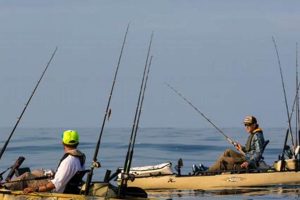
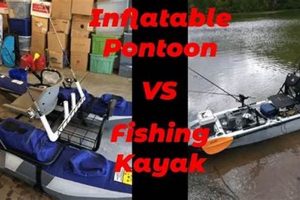
Competitive angling from human-powered watercraft involves participants attempting to catch specific fish species, often within designated boundaries and timeframes. These events may be judged by weight, length, or number of fish caught, with prizes awarded to the most successful anglers. For example, a tournament might focus on catching the largest redfish within a four-hour period.
Such competitions promote conservation awareness by encouraging catch-and-release practices and adherence to fishing regulations. They also foster a sense of community among participants, providing opportunities for networking and skill development. Historically, these events evolved from informal gatherings of anglers to well-organized tournaments with sponsorships and significant prize pools, reflecting the growing popularity of the sport.
This article will explore various aspects of competitive angling from kayaks, including tournament formats, essential gear and techniques, and the role of conservation in these events.
Tips for Competitive Kayak Angling
Success in tournament fishing from a kayak requires careful planning and execution. These tips offer guidance for improving performance and maximizing the chances of a successful outcome.
Tip 1: Pre-fish the Waters: Understanding the target species’ habits and preferred locations is crucial. Scouting the competition area beforehand allows anglers to identify productive spots and refine their approach.
Tip 2: Master Kayak Control: Efficient paddling and maneuvering are essential for reaching prime fishing locations quickly and quietly. Practice precise boat control in various wind and current conditions.
Tip 3: Organize Tackle Strategically: Easy access to essential gear minimizes wasted time and frustration. A well-organized tackle system allows anglers to switch lures and techniques quickly and efficiently.
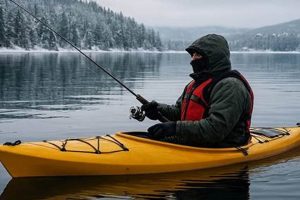
Tip 4: Prioritize Safety: Wearing a personal flotation device and carrying essential safety equipment, such as a whistle and signaling device, is paramount. Checking weather forecasts and understanding local regulations is also crucial.
Tip 5: Refine Knot-Tying Skills: Strong, reliable knots are essential for landing fish under pressure. Practice tying common fishing knots until they become second nature.
Tip 6: Conserve Energy: Tournament days can be long and physically demanding. Pacing oneself, staying hydrated, and minimizing unnecessary movements will help maintain focus and stamina.
Tip 7: Respect Fellow Competitors: Maintaining a sportsmanlike attitude and adhering to tournament rules and etiquette contribute to a positive and enjoyable experience for all participants.
By implementing these strategies, anglers can enhance their competitive edge and increase their likelihood of success. Preparation and practice are key elements for achieving optimal performance on the water.
These tips offer a starting point for anglers looking to improve their tournament performance. The following section will delve deeper into specific techniques and strategies for targeting popular game fish from a kayak.
1. Competition

The competitive element is central to kayak fishing contests, driving participants to refine their skills and strategies. This inherent drive to outperform others shapes the structure and dynamics of these events, influencing everything from participant preparation to on-the-water tactics.
- Tournament Formats
Various tournament formats exist, each with unique rules and scoring systems. “Catch, Photo, Release” (CPR) tournaments emphasize conservation, requiring anglers to photograph their catches alongside measuring devices before release. Other formats might weigh catches at designated checkpoints or award points based on the length of each fish. These formats influence angler strategies and dictate the necessary equipment and preparation.
- Ranking and Recognition
Competitive angling offers opportunities for recognition and achievement. Tournament rankings provide a benchmark for skill assessment, motivating anglers to improve their techniques. Winning or placing highly in a tournament can enhance an angler’s reputation within the community and potentially attract sponsorships.
- Strategic Considerations
Competition necessitates strategic decision-making. Anglers must consider factors like location selection, lure choice, and time management to maximize their chances of success. The competitive environment often requires anglers to adapt their strategies based on observed conditions and the actions of other competitors.
- Sportsmanship and Ethical Conduct
While competition drives performance, maintaining ethical conduct and sportsmanship remains paramount. Adhering to tournament rules, respecting fellow competitors, and prioritizing conservation principles are essential for maintaining the integrity of the sport. Demonstrating good sportsmanship contributes to a positive and enjoyable experience for all participants.
Understanding the multifaceted nature of competition within kayak fishing contests provides valuable insights into the motivations and behaviors of participants. These competitive dynamics ultimately contribute to the growth and evolution of the sport, pushing anglers to continually refine their skills and knowledge.
2. Kayaks

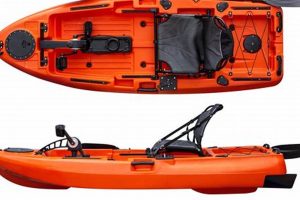
The choice of kayak significantly impacts performance and success in competitive kayak angling. Vessel selection should consider stability, maneuverability, and storage capacity, aligning with the specific demands of tournament fishing.
- Hull Design
Hull design directly influences a kayak’s stability and tracking ability. Wider, flatter hulls offer greater stability, beneficial in calm waters where stand-up fishing is advantageous. Longer, narrower hulls enhance speed and tracking, ideal for covering larger distances or navigating currents. Sit-on-top kayaks provide superior stability and ease of re-entry after a water landing, making them popular choices for tournament anglers.
- Propulsion Systems
Kayaks utilize various propulsion methods, each with advantages and disadvantages. Paddle kayaks offer excellent maneuverability and stealth, allowing anglers to approach fish discreetly. Pedal-powered kayaks offer hands-free fishing and increased speed for covering water efficiently. Motorized kayaks extend range significantly, allowing anglers to access distant fishing grounds quickly. Selecting a propulsion system depends on individual preferences, tournament rules, and the specific fishing environment.
- Storage and Organization
Efficient tackle management is crucial during tournaments. Kayaks equipped with ample storage compartments, rod holders, and accessory mounts allow anglers to organize gear effectively, minimizing time spent searching for equipment and maximizing fishing time. Specialized tackle storage systems designed for kayaks further enhance organization and accessibility.
- Modifications and Accessories
Many anglers modify their kayaks with accessories to enhance fishing performance. Fish finders, GPS units, and anchor trolleys aid in locating fish and maintaining position. Rod holders, paddle clips, and gear tracks allow for customized setups to suit individual fishing styles. These modifications can significantly improve efficiency and comfort during long tournament days.
Careful consideration of these kayak-related factors contributes significantly to competitive success. Selecting the right kayak and equipping it appropriately enhances an angler’s ability to navigate the waters, locate fish, and manage equipment effectively, ultimately influencing tournament outcomes.
3. Fishing

Fishing forms the core activity within kayak fishing contests. Understanding the nuances of angling techniques and strategies specific to kayak fishing is crucial for competitive success. The following facets explore essential aspects of fishing within the context of these competitions.
- Species Knowledge
A thorough understanding of the target species’ behavior, habitat preferences, and feeding patterns is paramount. This knowledge informs decisions regarding lure selection, fishing location, and presentation techniques. For example, knowing that redfish often feed in shallow grassy flats dictates the use of weedless lures and shallow-draft kayaks. Accurate species identification is also essential for adhering to tournament regulations and ensuring conservation efforts.
- Tackle and Techniques
Effective kayak anglers employ a variety of tackle and techniques tailored to the target species and prevailing conditions. This includes selecting appropriate rods, reels, lines, and lures. Techniques like casting, trolling, and jigging are adapted to the kayak platform, requiring specialized skills and equipment modifications. Understanding the strengths and limitations of each technique allows anglers to adapt their approach based on real-time observations.
- Electronics and Technology
Modern technology plays a significant role in contemporary kayak fishing. Fish finders and GPS units assist in locating fish, identifying underwater structures, and navigating to productive areas. These tools provide a competitive edge by enhancing situational awareness and optimizing fishing efficiency. Integration of technology requires understanding the capabilities of these devices and interpreting the information they provide.
- Conservation Practices
Responsible fishing practices are essential for maintaining healthy fish populations and preserving the environment. Catch-and-release techniques, proper handling of fish, and adherence to size and bag limits are crucial aspects of conservation. Many kayak fishing contests actively promote conservation by incorporating CPR formats and educating participants on sustainable fishing practices. Respecting these principles ensures the longevity of the sport and protects the natural resources it relies upon.
These interconnected aspects of fishing highlight the skill and knowledge required for success in kayak fishing contests. Mastery of these elements, combined with effective kayak control and strategic decision-making, ultimately determines tournament outcomes and contributes to the overall angling experience.
4. Targets
Target species identification and selection significantly influence strategy and outcomes within competitive kayak angling. Understanding the specific targets, their behavior, and preferred habitats is crucial for pre-fishing preparation and on-the-water decision-making.
- Species Selection
Tournament organizers typically designate specific species as eligible targets. This selection process considers factors such as species abundance, sporting qualities, and conservation status. Common targets include popular game fish like bass, redfish, trout, and flounder, depending on the geographical location and time of year. Anglers must familiarize themselves with the target species to effectively plan their approach and select appropriate gear.
- Habitat and Behavior
Knowledge of target species’ habitats and behavior is essential for locating and catching them effectively. Understanding preferred water depths, structure types, and feeding patterns informs anglers’ decisions regarding where to fish and what techniques to employ. For instance, targeting bass in a lake requires different strategies than targeting flounder in an estuary. This knowledge allows anglers to optimize their time and effort during a competition.
- Regulations and Limits
Size and bag limits often apply to target species in tournaments, aligning with conservation principles and ensuring fair competition. Anglers must adhere to these regulations, which may vary depending on the species and location. Understanding and respecting these limitations is crucial for maintaining the integrity of the sport and contributing to sustainable fishing practices.
- Scoring Criteria
Target species often influence the scoring system within a kayak fishing contest. Tournaments might award points based on the length or weight of each fish caught, with some species assigned higher point values than others. Understanding the scoring criteria allows anglers to prioritize specific targets and adjust their strategies accordingly. For example, if larger fish earn more points, anglers might focus on techniques that attract larger specimens of the target species.
Strategic targeting of specific species is fundamental to successful kayak fishing competition. Knowledge of the target species, their habits, and relevant regulations informs effective decision-making and maximizes the chances of a positive tournament outcome. This targeted approach enhances the competitive nature of the event and underscores the importance of biological and ecological understanding within the sport.
5. Prizes

Prizes within competitive kayak angling serve as both rewards for angler achievement and incentives for participation. The structure and value of prize offerings significantly influence the competitive landscape, attracting participants and contributing to the overall prestige of an event.
- Types of Prizes
Prizes offered in kayak fishing contests vary widely, encompassing cash awards, fishing gear, sponsorships, and non-monetary recognition. Cash prizes often escalate with tournament ranking, offering substantial rewards for top performers. Gear prizes might include kayaks, rods, reels, or other fishing equipment. Sponsorships can provide financial support and product endorsements, boosting an angler’s profile and competitive opportunities. Non-monetary prizes, such as trophies or titles, offer recognition and prestige within the angling community.
- Prize Structures
Different prize structures exist, each impacting participant strategy and tournament dynamics. “Winner-take-all” formats concentrate the reward on the top performer, encouraging aggressive competition. Tiered prize structures distribute rewards across multiple ranking positions, incentivizing participation and rewarding consistent performance. Some tournaments also offer prizes for specific achievements, such as the largest fish caught or the most fish released, adding another layer of competition and strategy.
- Sponsorship and Funding
Sponsors play a vital role in providing prizes and supporting kayak fishing contests. Companies involved in the fishing industry often sponsor events, recognizing the marketing value and community engagement opportunities. Sponsorship contributions can significantly enhance the prize pool, attracting more participants and elevating the tournament’s profile. This symbiotic relationship benefits both the sponsors and the angling community.
- Impact on Participation and Competition
The value and structure of prizes directly influence the level of competition and participation in kayak fishing contests. High-value prizes attract skilled anglers seeking substantial rewards, intensifying the competitive landscape. Well-structured prize offerings encourage broader participation by rewarding consistent performance across various skill levels. The allure of prizes contributes to the growth and popularity of the sport, motivating anglers to improve their skills and engage with the competitive community.
The prize system within kayak fishing contests plays a significant role in shaping the competitive environment and motivating angler participation. The types of prizes offered, the structure of the prize distribution, and the level of sponsorship funding all contribute to the overall appeal and prestige of these events, ultimately influencing the growth and development of the sport.
Frequently Asked Questions
This section addresses common inquiries regarding competitive kayak angling, providing concise and informative responses to clarify potential uncertainties.
Question 1: What type of kayak is best suited for tournament fishing?
Kayak selection depends on individual fishing style, target species, and the specific body of water. Stability, maneuverability, and storage capacity are key considerations. Sit-on-top kayaks are popular for their stability and ease of use, while pedal-driven kayaks offer hands-free operation and increased speed.
Question 2: How does one locate and register for kayak fishing competitions?
Information regarding local and regional tournaments can be found through online fishing forums, kayak fishing communities, and local tackle shops. Many tournament organizers maintain websites or social media pages detailing registration processes, schedules, and rules.
Question 3: What essential gear is required for competitive kayak angling?
Essential gear includes a properly outfitted kayak, appropriate rods and reels, a selection of lures and tackle, safety equipment (PFD, whistle, signaling device), and a reliable fish finder/GPS unit. A well-organized tackle system and appropriate clothing for weather conditions are also recommended.
Question 4: Are there specific rules and regulations governing tournament participation?
Each tournament operates under specific rules and regulations, typically outlined in the tournament guidelines. These rules address permitted fishing areas, target species, size and bag limits, allowed fishing methods, and scoring criteria. Adherence to these rules is essential for fair competition and maintaining the integrity of the event.
Question 5: What strategies can improve competitive performance in kayak fishing tournaments?
Effective strategies include pre-fishing the area to identify productive spots, mastering kayak control and maneuvering techniques, organizing tackle for efficient access, prioritizing safety precautions, and refining knot-tying skills. Conserving energy and maintaining a sportsmanlike attitude are also crucial for success.
Question 6: How do kayak fishing contests contribute to conservation efforts?
Many tournaments promote conservation by encouraging catch-and-release practices, adhering to strict size and bag limits, and educating participants on responsible fishing techniques. Some tournaments utilize “Catch, Photo, Release” (CPR) formats, further minimizing the impact on fish populations.
Careful consideration of these commonly asked questions provides valuable insights for individuals interested in participating in or learning more about competitive kayak angling. Understanding these aspects enhances appreciation for the sport and promotes responsible participation.
For further information and resources related to kayak fishing competitions, explore the links and resources provided in the following section.
Kayak Fishing Contest
This exploration of competitive kayak angling has highlighted the multifaceted nature of these events, encompassing elements of skill, strategy, conservation, and community. From the selection of specialized kayaks and the mastery of angling techniques to the adherence to ethical practices and the pursuit of prestigious prizes, competitive kayak fishing demands a comprehensive understanding of both the sport and the environment in which it takes place. The evolution of tournament formats, the integration of technology, and the emphasis on conservation principles all contribute to the dynamic and evolving landscape of this increasingly popular pursuit.
The future of competitive kayak angling hinges upon the continued commitment to responsible fishing practices and the fostering of a supportive and inclusive community. As the sport continues to grow, embracing sustainable practices and promoting ethical conduct will ensure the preservation of the natural resources that sustain it, enabling future generations to experience the challenge and reward of competitive angling from human-powered watercraft.