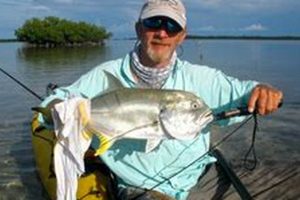
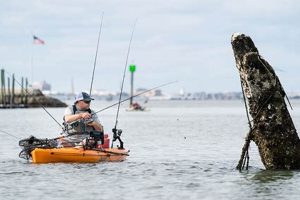
A specialized container designed for secure storage of fish while angling from a kayak offers a humane and practical solution for keeping catches fresh. These containers typically feature durable, waterproof construction, often incorporating mesh or other breathable materials for water circulation and drainage. They come in various sizes and designs, including floating bags, insulated bags, and rigid containers that attach to the kayak.
Maintaining the quality and freshness of caught fish is essential for ethical angling and enjoyable consumption. Such specialized storage prevents spoilage and minimizes the impact on the catch, contributing to a responsible fishing practice. Historically, anglers relied on simpler methods like stringers or coolers, but purpose-built storage has evolved with the growing popularity of kayak fishing to meet the specific needs of this activity. This evolution reflects a broader trend toward conservation and respect for aquatic resources within the sport.
The following sections will delve deeper into the various types of specialized fish storage available, factors to consider when selecting one, proper usage techniques, and best practices for catch care while on the water.
Tips for Effective Fish Storage While Kayak Fishing
Proper fish handling and storage are crucial for preserving catch quality and practicing ethical angling. These tips offer guidance on maximizing the effectiveness of specialized on-board fish storage solutions.
Tip 1: Choose the Right Size: Storage capacity should align with anticipated catch size and species. Overfilling compromises fish health and storage effectiveness. Undersized containers may necessitate premature trips back to shore.
Tip 2: Prioritize Proper Placement: Securely position the storage for easy access and to minimize interference with paddling and fishing activities. Consider the kayak’s balance and stability when choosing a location.
Tip 3: Ensure Adequate Ventilation or Insulation: Select storage designed to maintain appropriate temperatures and oxygen levels. Mesh or ventilated bags are suitable for shorter trips, while insulated containers are better for longer outings or warmer climates.
Tip 4: Regularly Add Fresh Water: Refreshing the water in the storage helps maintain a healthy environment for the catch, particularly in warmer conditions. This practice removes metabolic waste and improves oxygenation.
Tip 5: Practice Humane Dispatch: Dispatch fish quickly and humanely upon capture to minimize suffering. Prolonged exposure to air or inadequate storage conditions compromises fish quality.
Tip 6: Consider a Cooler for Extended Trips: For multi-day expeditions or when targeting larger species, supplement specialized storage with a dedicated cooler and ice for optimal preservation.
Tip 7: Clean Regularly: Thoroughly clean and dry the storage after each use to prevent bacterial growth and maintain hygiene. This practice also extends the lifespan of the equipment.
Implementing these practices ensures fish are handled responsibly and remain in optimal condition for consumption. This attention to detail contributes to a more rewarding and ethical fishing experience.
By focusing on these key elements, anglers can enhance their kayak fishing experience while prioritizing responsible fish handling.
1. Capacity

Capacity significantly influences the practicality and effectiveness of a kayak fishing catch bag. Appropriate capacity ensures sufficient space for anticipated catches without compromising kayak stability or fish well-being. An angler targeting smaller panfish requires less storage volume than someone pursuing larger game fish. Overfilling a bag stresses the catch, reducing oxygen availability and potentially leading to spoilage. Conversely, insufficient capacity necessitates frequent trips back to shore, disrupting fishing flow and potentially impacting sensitive ecosystems through repeated landings. Choosing appropriate capacity, therefore, directly impacts both fishing success and responsible resource management.
Consider a scenario where an angler anticipates catching several larger fish. Opting for a higher capacity bag, perhaps 30-40 liters, allows for comfortable storage of these catches. However, if the same angler primarily targets smaller species or practices catch and release, a smaller capacity, 15-20 liters, proves more suitable, minimizing bulk and weight on the kayak. This careful consideration of anticipated catch size and fishing style optimizes kayak space and ensures ethical handling of the catch.
Matching capacity to fishing needs contributes to a more efficient and responsible angling experience. Careful evaluation of target species, expected catch size, and trip duration informs the selection process. Prioritizing appropriate capacity maximizes both on-the-water efficiency and the ethical treatment of caught fish. This careful planning translates to a more streamlined and sustainable approach to kayak fishing.
2. Durability

Durability is a critical factor influencing the lifespan and effectiveness of a kayak fishing catch bag. Exposure to harsh elements, sharp fish fins, and the abrasive nature of kayak interiors necessitates robust construction. A durable bag ensures reliable performance throughout numerous fishing trips, minimizing the need for frequent replacements and contributing to a more sustainable approach to the sport.
- Material Strength
The material’s resistance to tearing, puncturing, and abrasion directly impacts the bag’s longevity. High-density polyethylene (HDPE), PVC-coated fabrics, and heavy-duty nylon are common choices due to their inherent strength. For example, a bag constructed from thin, untreated nylon may quickly succumb to damage from sharp fish spines or rough handling during transport. Conversely, a heavy-duty, coated fabric withstands such challenges, ensuring long-term functionality. Choosing a bag made from robust materials safeguards against premature wear and tear, contributing to a more cost-effective and environmentally responsible approach.
- Seam Construction
Reinforced stitching and robust seam sealing prevent leakage and enhance the bag’s structural integrity. Double-stitched or welded seams resist separation under stress, maintaining the bag’s waterproof nature and preventing fish from escaping. A bag with poorly constructed seams may leak, leading to waterlogging and potentially compromising kayak stability. Secure seams, therefore, contribute to both the bag’s effectiveness and overall kayak safety. Proper seam construction ensures the bag performs reliably in challenging conditions.
- Hardware and Fasteners
Durable zippers, clips, and straps are essential for secure closure and attachment to the kayak. Corrosion-resistant materials like stainless steel or high-impact plastic prevent failure in saltwater environments. A corroded zipper or a broken clip compromises the bag’s functionality, potentially leading to loss of catch or gear. Reliable hardware maintains the bag’s integrity, ensuring convenient access and secure storage throughout the fishing trip.
- UV Resistance
Prolonged exposure to sunlight degrades certain materials, leading to weakening and discoloration. UV-resistant coatings or inherently UV-stable materials maintain the bag’s integrity and appearance over time. A bag without UV protection may become brittle and prone to tearing after extended sun exposure, reducing its lifespan. Choosing UV-resistant materials ensures the bag retains its strength and color, even with frequent use in bright sunlight.
The durability of a kayak fishing catch bag significantly impacts its overall value and utility. Investing in a bag constructed from high-quality materials, with robust seams, reliable hardware, and UV protection, ensures long-lasting performance and contributes to a more enjoyable and sustainable fishing experience. This focus on durability ultimately enhances the angler’s experience by providing a reliable and long-lasting solution for catch storage.
3. Portability
Portability is a crucial aspect of a kayak fishing catch bag, directly influencing ease of transport and on-the-water convenience. A portable bag simplifies movement to and from the kayak launch, minimizes on-board clutter, and facilitates efficient storage when not in use. This factor significantly impacts overall fishing experience, especially considering the often-limited storage space and weight capacity of kayaks.
- Weight and Size
A lightweight and compact bag reduces the overall burden carried by the angler, simplifying transport and storage. A bulky, heavy bag can be cumbersome to manage, especially when navigating uneven terrain or launching a kayak from a challenging location. Consider a lightweight, foldable bag constructed from durable yet thin material. When empty, it folds down to a small size, easily fitting into a kayak hatch or storage compartment. This minimizes space consumption and keeps the kayak balanced.
- Carrying Mechanisms
Integrated carrying straps, handles, or attachment points simplify transport and facilitate secure placement on the kayak. A comfortable shoulder strap allows hands-free carrying, while sturdy handles provide secure grip during loading and unloading. For example, a bag with adjustable padded shoulder straps and reinforced carry handles offers comfortable transport to and from the launch site, even when fully loaded. Secure attachment points allow the angler to lash the bag to the kayak, preventing movement during paddling and ensuring easy access throughout the fishing trip.
- Packability
The ability to fold or compress the bag for storage optimizes space utilization on the kayak and during transport. Some bags feature compression straps or roll-top closures that minimize their packed size, freeing up valuable space for other essential gear. Imagine a bag that can be rolled down and secured with compression straps, reducing its volume significantly. This compact form easily fits into a kayak’s storage compartment, maximizing available space for tackle boxes, safety equipment, and other necessities.
- Compatibility with Kayak Storage Systems
Compatibility with existing kayak storage systems, such as deck rigging or hatch compartments, ensures secure and organized storage on board. A bag designed to integrate with these systems minimizes clutter and maximizes usable space. Consider a bag designed with attachment loops or straps compatible with standard kayak deck rigging. This integration allows the angler to secure the bag firmly on the deck, keeping it within easy reach while maintaining a clear and organized cockpit.
Portability significantly enhances the convenience and efficiency of kayak fishing. A well-designed catch bag combines lightweight construction, convenient carrying mechanisms, and efficient packability for seamless integration with the kayak fishing experience. Prioritizing portability contributes to a more streamlined and enjoyable outing on the water. By carefully considering these elements, anglers can optimize their kayak setup and focus on the enjoyment of fishing.
4. Breathability

Breathability in a kayak fishing catch bag plays a crucial role in maintaining the health and viability of live catches, especially when practicing catch and release or when keeping fish fresh for later consumption. Adequate airflow through the bag’s material facilitates oxygen exchange and prevents the buildup of harmful metabolic waste, such as ammonia and carbon dioxide. This promotes a healthier environment within the bag, reducing stress on the fish and preserving their quality.
Several design elements contribute to breathability. Mesh panels or perforated materials allow water to flow freely through the bag, carrying away waste and replenishing oxygen. The size and placement of these breathable sections influence the effectiveness of gas exchange. A bag designed with larger mesh panels along the sides and bottom, for example, maximizes water circulation around the contained fish. Conversely, a bag constructed from a completely waterproof material, lacking any ventilation, quickly becomes a stagnant environment detrimental to fish health, even over short periods. The bag’s placement on the kayak also influences breathability. Positioning the bag in an area with consistent water flow, such as near the stern or along the sides, further enhances oxygen exchange.
The practical significance of breathability becomes evident when considering the potential consequences of inadequate ventilation. Reduced oxygen levels and increased waste buildup lead to stress, injury, or even mortality for the contained fish. This compromises the ethical principles of catch and release and diminishes the quality of fish intended for consumption. Prioritizing breathability in a kayak fishing catch bag, therefore, directly contributes to responsible angling practices and ensures a more successful and rewarding fishing experience. Choosing a bag with appropriate ventilation features aligns with conservation efforts and maximizes the well-being of the catch, supporting both ethical angling and the enjoyment of fresh, high-quality fish.
5. Insulation
Insulation in a kayak fishing catch bag plays a vital role in preserving the quality of caught fish, especially during warmer weather or extended fishing trips. By mitigating temperature fluctuations and slowing the rate of spoilage, insulation ensures the catch remains fresh and suitable for consumption or a healthy release back into the water. This feature becomes particularly crucial in hot climates where fish deteriorate rapidly without proper temperature control. Insulation effectively extends the viable storage time, allowing anglers to enjoy their catch without concerns about spoilage or compromising ethical catch-and-release practices.
Consider a scenario where an angler is fishing in tropical conditions. Without an insulated catch bag, the catch quickly succumbs to the heat, becoming unsuitable for consumption within a short period. However, an insulated bag maintains a cooler internal temperature, significantly slowing the deterioration process and preserving the fish for several hours, even in direct sunlight. This allows for continued fishing without the need to frequently return to shore and ensures the catch remains in optimal condition for later consumption or a healthy release. Similarly, during longer fishing expeditions, insulation becomes essential for maintaining catch quality over multiple days. The ability to preserve the catch without relying solely on ice simplifies logistics and reduces the overall weight carried on board the kayak.
Effective insulation in a kayak fishing catch bag contributes significantly to responsible angling practices and overall fishing success. It allows for longer fishing trips without compromising catch quality, supports ethical catch and release by minimizing stress on the fish, and simplifies the logistics of preserving the catch. The practical implications of insulation translate to a more rewarding and sustainable approach to kayak fishing. Selecting a bag with appropriate insulation aligns directly with maintaining the quality and health of the catch, ensuring a more enjoyable and ethical fishing experience. This consideration ultimately enhances the overall satisfaction derived from the sport.
Frequently Asked Questions
This section addresses common inquiries regarding specialized fish storage solutions for kayak angling.
Question 1: What are the primary advantages of using a dedicated kayak fishing catch bag compared to a standard cooler?
Dedicated bags offer optimized space utilization, efficient water drainage, and convenient integration with kayak setups, unlike bulky coolers that consume valuable deck space and require cumbersome handling. Their specialized designs cater specifically to the unique demands of kayak fishing.
Question 2: How does one determine the appropriate size and type of fish storage for individual needs?
Selection depends on factors such as target species size, anticipated catch volume, trip duration, and prevailing weather conditions. Shorter trips targeting smaller species may require smaller, breathable bags, while longer expeditions or pursuit of larger fish necessitate larger, insulated options.
Question 3: What materials offer the best balance of durability and breathability for these specialized bags?
Durable, puncture-resistant materials like heavy-duty nylon or PVC-coated fabrics combined with strategically placed mesh panels offer optimal balance. This combination ensures longevity while facilitating adequate water circulation and oxygen exchange for live catches.
Question 4: How can proper maintenance extend the lifespan of a kayak fishing catch bag?
Regular cleaning with mild soap and water after each use, thorough drying, and proper storage in a cool, dry environment prevent mildew, bacterial growth, and material degradation. These practices contribute significantly to prolonged bag lifespan.
Question 5: Are there specific safety considerations regarding catch bag placement and usage on a kayak?
Secure attachment and balanced weight distribution are crucial for maintaining kayak stability. Avoid overloading the bag or positioning it in a manner that obstructs paddling or compromises balance, particularly in challenging water conditions. Prioritize even weight distribution to prevent tipping or instability.
Question 6: What are the ethical implications of using catch bags for live storage, and how can one ensure responsible practices?
Prioritizing fish well-being is paramount. Ensure adequate oxygenation, appropriate water temperature, and minimal handling stress. Employing best practices for catch and release, such as proper handling techniques and minimizing air exposure, ensures responsible treatment of captured fish. Prioritizing humane handling contributes to the long-term health of fish populations.
Selecting and using a kayak fishing catch bag effectively enhances both fishing efficiency and responsible angling practices. Careful consideration of individual needs and adherence to best practices for fish handling contribute significantly to a positive and sustainable fishing experience. Understanding these key aspects ensures both successful angling and the ethical treatment of aquatic resources.
The subsequent section provides a practical guide for integrating specialized fish storage solutions into a kayak fishing setup.
Kayak Fishing Catch Bag
Effective management of caught fish is crucial for responsible and successful kayak angling. Specialized storage solutions, designed for the unique demands of this sport, offer significant advantages over traditional methods. Prioritizing factors such as capacity, durability, portability, breathability, and insulation ensures appropriate selection and maximizes the effectiveness of these specialized bags. Proper usage, including secure attachment, balanced weight distribution, and adherence to ethical handling practices, ensures both angler safety and the well-being of the catch. Understanding these key aspects contributes significantly to a more rewarding and sustainable approach to kayak fishing.
Ultimately, successful integration of a specialized fish storage solution elevates the kayak fishing experience. It allows anglers to focus on the enjoyment of the sport while adhering to best practices for conservation and ethical fish handling. Continued exploration of innovative designs and materials promises further advancements in this essential aspect of kayak angling, contributing to a more sustainable and fulfilling pursuit of this popular sport.