The Sacramento-San Joaquin River Delta, often simply called the California Delta, offers a unique and productive environment for angling from small, human-powered vessels. This waterway, a complex network of sloughs, channels, and islands, provides access to a diverse range of fish species including largemouth bass, striped bass, sturgeon, and various panfish. Anglers utilizing these small craft benefit from their maneuverability and shallow draft, allowing access to areas unreachable by larger boats. This method offers a close-to-the-water experience, emphasizing a quiet, non-motorized approach that can be particularly effective in these waters.
This style of angling provides significant advantages for both experienced and novice anglers. The relatively low cost of entry compared to motorized boating makes it accessible to a wider range of individuals. The Delta’s calm waters and sheltered coves offer a safe and manageable environment for learning basic paddling and fishing techniques. Historically, small boats have played a crucial role in Delta life, from indigenous peoples utilizing tule canoes for sustenance to present-day recreational pursuits. This enduring connection to the water highlights the Delta’s ongoing importance as a resource for both recreation and livelihood.
The following sections will delve deeper into specific aspects of this activity, covering topics such as suitable equipment, ideal locations, effective techniques, and responsible fishing practices within this crucial ecosystem.
Tips for Delta Kayak Angling
Successful angling in the California Delta from a kayak requires careful planning and execution. These tips provide valuable insights for maximizing angling success while ensuring safety and environmental responsibility.
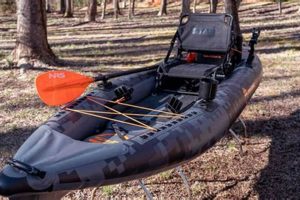
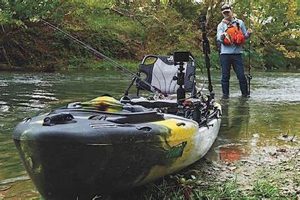
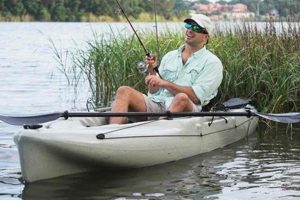
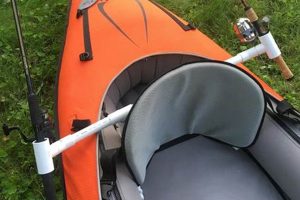
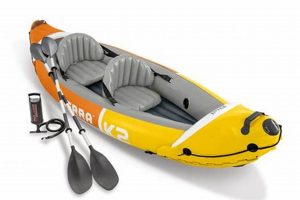
Tip 1: Utilize a kayak designed for fishing. Fishing-specific kayaks offer features such as rod holders, storage compartments, and stability enhancements crucial for a productive and enjoyable experience. Sit-on-top kayaks are particularly well-suited to the Delta environment due to their self-bailing design and ease of re-entry after an accidental immersion.
Tip 2: Research and understand tidal influences. The Delta’s tides significantly impact fish behavior and movement. Consulting tide charts before embarking on a fishing trip allows anglers to strategically position themselves in areas with optimal current flow and water depth.
Tip 3: Employ appropriate fishing techniques. Techniques like drop-shotting, flipping, and pitching are effective for targeting bass in the Delta’s shallow, vegetated areas. Trolling or drifting live bait can be productive for striped bass and sturgeon in deeper channels.
Tip 4: Prioritize safety measures. Wearing a personal flotation device (PFD) is paramount for safety. Carrying a whistle, signaling device, and communication equipment allows anglers to alert others in case of emergencies. Informing someone of planned fishing locations and estimated return times is also advisable.
Tip 5: Respect the fragile ecosystem. Practicing catch-and-release fishing helps maintain healthy fish populations. Properly disposing of fishing line and other waste prevents environmental damage. Adhering to all applicable fishing regulations ensures the long-term health and viability of the Delta fishery.
Tip 6: Pack essential gear and supplies. A well-stocked tackle box, sunscreen, insect repellent, a first-aid kit, and ample water are essential for a comfortable and productive day on the water. A waterproof bag or container protects valuable items from moisture.
Tip 7: Consider hiring a local guide. Local guides possess intimate knowledge of the Delta’s waterways, fish behavior, and effective techniques. Guided trips offer valuable learning opportunities for anglers of all skill levels.
By implementing these strategies, anglers can significantly enhance their chances of a successful and enjoyable experience while contributing to the preservation of this unique ecosystem. Preparation and responsible angling practices are key to maximizing the rewards of kayak fishing in the California Delta.
These considerations lead to a richer appreciation of the Delta’s ecological complexities and the unique opportunities it offers for recreational fishing.
1. Quiet Approach

A quiet approach is paramount for successful angling in the California Delta’s intricate waterways, particularly from a kayak. Kayaks, by their nature, offer a stealthy advantage over motorized boats. Their minimal noise and subtle movement reduce disturbance to fish, enhancing angling success. This is especially crucial in shallow, clear waters where fish are easily spooked. A quiet approach allows anglers to get closer to target species without detection, increasing the likelihood of enticing a strike.
Consider the pursuit of largemouth bass in the Delta’s weedy backwaters. These fish are ambush predators, often lurking near vegetation. The whirring of an outboard motor or the slapping of waves against a hull can send them scattering. Conversely, a kayak angler gliding silently through the tules has a significantly higher chance of presenting a lure undetected, triggering a predatory response. Similarly, striped bass patrolling deeper channels are more receptive to bait or lures presented with minimal commotion. A quiet approach is not merely a desirable attribute; it’s a fundamental element of effective kayak angling in this environment.
The practical significance of a quiet approach translates directly to increased catch rates and a more rewarding angling experience. It fosters a deeper connection with the environment, allowing anglers to observe subtle wildlife behaviors often missed with the intrusion of motorized vessels. Maintaining a quiet presence requires mindful paddling, minimizing gear clatter, and employing smooth casting techniques. This subtle approach embodies the essence of kayak fishing in the California Delta, fostering both angling success and a respectful interaction with the ecosystem.
2. Shallow Water Access

Shallow water access represents a significant advantage of kayak fishing within the California Delta. The Delta’s complex network of sloughs, channels, and flooded islands creates extensive shallow-water habitats often inaccessible to larger, motorized boats. Kayaks, with their shallow drafts and maneuverability, excel in these environments, allowing anglers to exploit prime fishing locations often overlooked by others. This access grants opportunities to target species like largemouth bass, which frequently inhabit shallow, vegetated areas. These areas provide cover and foraging opportunities for bass, making them ideal ambush points. A kayak allows anglers to quietly approach these shallow zones, presenting lures or bait with precision and minimal disturbance, increasing the likelihood of a successful hookup.
Consider the scenario of fishing the shallow edges of a tule-lined island. A traditional bass boat would struggle to navigate the shallows without disturbing the water or becoming entangled in vegetation. A kayak, however, can silently glide through the narrow channels, allowing anglers to cast directly into the prime hiding spots of bass. Similarly, exploring the flooded interiors of Delta islands, often teeming with panfish and young bass, becomes feasible with a kayak’s shallow draft. This access opens up a world of angling possibilities unavailable to those restricted to deeper waters. Furthermore, the shallow draft allows for techniques like sight fishing, where anglers can visually locate fish before casting, a tactic particularly effective in clear, shallow water.
The ability to exploit shallow-water habitats is a defining feature of kayak fishing in the California Delta. It provides a tactical advantage, expanding angling opportunities and enhancing the overall experience. Understanding how to effectively navigate and fish these shallow areas is crucial for maximizing success. This includes utilizing appropriate fishing techniques, respecting the fragile ecosystems, and maintaining a stealthy approach to avoid spooking fish. The shallow water access provided by kayaks unlocks a unique dimension of the Delta fishery, offering a rewarding challenge and the potential for memorable catches.
3. Diverse Fish Species

The California Delta’s rich biodiversity supports a thriving ecosystem, attracting anglers with its diverse fish species. This variety presents exciting opportunities for kayak anglers, allowing them to target different species using varied techniques and equipment. The Delta’s unique blend of freshwater and brackish environments supports both native and introduced species, creating a dynamic and productive fishery.
- Largemouth Bass
Largemouth bass are a popular target for Delta kayak anglers. Their aggressive nature and prevalence in shallow, vegetated areas make them ideal for techniques like flipping and pitching. The Delta’s abundant forage and favorable habitat contribute to the healthy population of largemouth bass, providing consistent angling action.
- Striped Bass
Striped bass, both resident and migratory, are another prized catch in the Delta. These powerful fish often patrol deeper channels and can be targeted using live bait, trolling, or casting lures. The Delta’s brackish waters provide essential habitat for striped bass throughout their lifecycle.
- Sturgeon
White sturgeon, ancient and impressive fish, inhabit the Delta’s deeper waters. Kayak anglers can target sturgeon using specialized tackle and techniques, offering a unique and challenging angling experience. Protecting this vulnerable species requires careful handling and adherence to strict regulations.
- Panfish
Various panfish species, including bluegill, crappie, and sunfish, populate the Delta’s shallows. These smaller fish provide excellent opportunities for novice anglers and those seeking a relaxing fishing experience. They are readily caught using light tackle and simple bait presentations.
The diverse fish species found within the California Delta contribute significantly to its appeal as a kayak fishing destination. This variety allows anglers to tailor their approach based on target species, creating a dynamic and engaging experience. Understanding the habits and preferred habitats of each species enhances angling success and fosters a deeper appreciation for the Delta’s rich biodiversity. The accessibility offered by kayaks further amplifies the opportunities to engage with this diverse fishery, providing a unique and rewarding angling experience.
4. Tidal Influences
Tidal influences exert a significant impact on kayak fishing within the California Delta. Understanding these tidal fluctuations and their effects on fish behavior and water movement is crucial for a successful angling experience. The Delta, a complex network of interconnected waterways, experiences tidal exchanges with the San Francisco Bay, resulting in dynamic water level changes and current flows that directly affect fish activity and location.
- Current Flow and Fish Behavior
Tidal currents dictate the movement of baitfish and, consequently, the predatory fish that pursue them. Incoming tides often bring cooler, oxygenated water and baitfish into shallower areas, creating prime feeding opportunities for species like striped bass and sturgeon. Outgoing tides can concentrate fish in deeper channels or near constrictions where currents are strongest. Kayak anglers can leverage this knowledge to position themselves strategically in areas with optimal current flow, increasing their chances of encountering active fish.
- Water Depth and Accessibility
Tidal fluctuations significantly affect water depth throughout the Delta. Shallow areas may become inaccessible during low tide, while previously deep channels become shallower, concentrating fish and potentially exposing submerged structures. Kayak anglers must consult tide charts and plan their trips accordingly, considering launch points, navigable routes, and target fishing locations. Understanding tidal changes helps anglers avoid getting stranded or damaging their kayaks in shallow water.
- Tidal Stages and Fishing Techniques
Different tidal stages favor different fishing techniques. During incoming tides, casting lures or drifting bait along channel edges can be productive. As the tide ebbs, focusing on deeper holes or drop-offs where fish congregate can yield better results. Adapting fishing techniques to the prevailing tidal conditions is essential for maximizing success. Knowledge of tidal cycles allows anglers to predict fish movement and adjust their approach accordingly.
- Safety Considerations
Tidal currents can create strong flows in certain areas of the Delta, posing safety risks for kayak anglers. Paddling against strong currents can be challenging, requiring considerable effort and potentially leading to fatigue. Understanding tidal flow patterns helps anglers plan safe routes, avoid hazardous areas, and ensure they have the necessary paddling experience and equipment for the prevailing conditions. Staying informed about tidal changes is crucial for safe and enjoyable kayak fishing.
By considering tidal influences, kayak anglers can enhance their understanding of the Delta’s dynamic environment and improve their chances of angling success. This knowledge empowers anglers to make informed decisions regarding location, timing, and techniques, leading to a more rewarding and safer fishing experience within this unique ecosystem.
5. Safety Precautions
Safety precautions are paramount when kayak fishing in the California Delta. The Delta’s dynamic environment, characterized by changing tides, currents, and varying weather conditions, presents inherent risks that require careful consideration and proactive measures. Neglecting safety protocols can lead to serious consequences, impacting not only individual well-being but also placing strain on rescue services.
A key safety precaution involves wearing a properly fitted personal flotation device (PFD). Accidental capsizing, though preventable in many instances, remains a possibility. Cold water temperatures, particularly during winter months, pose significant risks of hypothermia. A PFD provides essential buoyancy, increasing survival time and aiding rescue efforts. Carrying a whistle or other signaling device is crucial for attracting attention in case of emergencies. The Delta’s vastness and complex waterways can make locating a distressed kayaker challenging. A reliable signaling device increases visibility and accelerates response times.
Checking weather forecasts before embarking on a kayak fishing trip is essential. Sudden changes in weather, including strong winds, fog, and thunderstorms, can create hazardous conditions on the water. Strong winds can generate choppy waves, making paddling difficult and increasing the risk of capsizing. Fog significantly reduces visibility, increasing the risk of collisions with other vessels or submerged objects. Thunderstorms pose risks of lightning strikes and heavy rainfall, which can flood kayaks and reduce stability. Planning trips during periods of stable weather minimizes these risks. Informing someone of planned fishing locations and estimated return times is an additional precaution. This ensures that someone is aware of one’s whereabouts and can alert authorities if an angler fails to return as scheduled. This seemingly simple step can significantly expedite search and rescue operations.
Understanding and respecting the Delta’s tidal flows are critical safety considerations. Strong currents, especially during tidal changes, can create challenging paddling conditions, particularly for less experienced kayakers. Paddling against strong currents can lead to fatigue and increase the risk of capsizing. Planning routes that take tidal flows into account, opting for calmer backwaters or sheltered areas during periods of strong currents, enhances safety and conserves energy. Carrying a readily accessible bilge pump or bailing device is essential for managing water accumulation in the kayak, whether from waves, rain, or leaks. Excess water in a kayak reduces stability and increases the risk of capsizing. Regularly inspecting kayak equipment, including paddles, hatches, and rudders, before each trip ensures optimal performance and helps prevent equipment failures that could compromise safety.
6. Equipment Selection

Equipment selection plays a crucial role in successful and enjoyable kayak fishing within the California Delta. The Delta’s unique environment, characterized by shallow waters, tidal currents, and diverse fish species, necessitates careful consideration of equipment choices. Appropriate gear enhances angler comfort, safety, and fishing effectiveness, while improper selection can hinder performance and compromise safety. The connection between equipment selection and kayak fishing in the Delta is a direct, practical one; the right gear maximizes angling opportunities and ensures a positive experience.
Kayak choice is paramount. A stable, fishing-specific kayak is essential. Sit-on-top kayaks offer advantages in the Delta’s often-shallow, warm waters, providing stability and ease of re-entry after accidental immersion. Features like rod holders, anchor trolleys, and ample storage space enhance fishing efficiency and organization. Paddle selection is equally important. A lightweight, appropriately sized paddle minimizes fatigue during long paddling sessions and allows for efficient maneuvering in tight quarters. Fishing gear selection depends on target species. Lightweight rods and reels spooled with braided line are suitable for targeting bass in shallow vegetation. Heavier tackle is necessary for larger species like striped bass and sturgeon. Tackle boxes should be organized with a variety of lures, hooks, weights, and other terminal tackle suited to the Delta’s diverse fishery.
Safety equipment is non-negotiable. A personal flotation device (PFD) is mandatory and potentially life-saving. A signaling device, such as a whistle or air horn, is essential for attracting attention in emergencies. A first-aid kit, sunscreen, and insect repellent are crucial for addressing minor injuries and preventing discomfort. Navigation tools, including a chart, compass, or GPS device, are essential for navigating the Delta’s complex waterways, especially in conditions of reduced visibility. Appropriate clothing, including layers for changing weather conditions and sun protection, enhances comfort and safety. Dry bags protect electronics, valuables, and extra clothing from moisture. The cumulative effect of these equipment choices directly impacts the overall kayak fishing experience in the California Delta. Careful selection contributes to angler safety, fishing effectiveness, and enjoyment of this unique environment.
7. Environmental Awareness

Environmental awareness is essential for the sustainability of kayak fishing within the California Delta. This delicate ecosystem, facing numerous environmental pressures, requires responsible stewardship from all who utilize its resources. Kayak anglers, due to their close interaction with the Delta’s waterways, play a crucial role in its preservation. Understanding the environmental impact of angling activities and adopting responsible practices ensures the long-term health of this valuable resource.
- Leave No Trace Principles
Adhering to Leave No Trace principles minimizes human impact on the environment. This involves packing out all trash, including fishing line and tackle remnants, which can entangle wildlife or pollute waterways. Minimizing disturbance to vegetation and wildlife habitats is also crucial. Avoiding sensitive areas, such as nesting sites or spawning grounds, protects vulnerable species. Proper disposal of human waste prevents water contamination.
- Catch-and-Release Practices
Practicing catch-and-release fishing helps maintain healthy fish populations. Handling fish with care minimizes stress and injury. Using appropriate fishing gear, such as barbless hooks, reduces tissue damage. Releasing fish quickly and gently back into the water minimizes their time out of their natural environment. Following best practices for catch-and-release ensures the survival of released fish and contributes to sustainable angling.
- Respect for Wildlife and Habitats
Respecting wildlife and their habitats is fundamental to responsible kayak fishing. Observing wildlife from a distance avoids disturbance. Refraining from feeding wildlife prevents dependence on human-provided food and maintains natural foraging behaviors. Avoiding interaction with or harassment of marine mammals, such as seals and sea lions, is essential for their well-being. Respectful observation allows wildlife to thrive undisturbed.
- Water Quality Awareness
Awareness of water quality issues and their impact on the Delta ecosystem is crucial. Avoiding the use of harmful chemicals or pollutants, such as soaps and detergents, prevents water contamination. Properly maintaining kayak equipment, including bilge pumps and sanitation systems, prevents the release of pollutants into the water. Reporting any observed pollution or environmental damage to relevant authorities aids in remediation efforts.
By integrating environmental awareness into kayak fishing practices, anglers contribute directly to the preservation of the California Delta. Responsible actions, from minimizing waste to respecting wildlife, collectively ensure the long-term health and sustainability of this valuable ecosystem. This mindful approach safeguards the Delta’s natural resources for future generations of anglers and preserves its ecological integrity.
Frequently Asked Questions
This section addresses common inquiries regarding kayak fishing within the California Delta, providing concise and informative responses.
Question 1: What are the licensing requirements for fishing in the California Delta?
A valid California fishing license is required for individuals 16 years of age or older. Specific regulations and license requirements can be found on the California Department of Fish and Wildlife website.
Question 2: Are there specific launch points recommended for kayak anglers in the Delta?
Numerous public and private launch points provide access to the Delta. Selection depends on desired fishing locations and tidal conditions. Researching launch points beforehand is advised.
Question 3: What are the primary target species for kayak anglers in the Delta?
Largemouth bass, striped bass, sturgeon, and various panfish species are popular targets. Species availability varies depending on season and location.
Question 4: What safety equipment is essential for kayak fishing in the Delta?
A personal flotation device (PFD), whistle, signaling device, and first-aid kit are essential. Navigation tools and communication devices are also highly recommended.
Question 5: Are there guided kayak fishing tours available in the Delta?
Numerous guide services offer specialized kayak fishing trips within the Delta. Guided tours provide valuable insights into local fishing techniques and locations.
Question 6: What environmental considerations should kayak anglers be aware of in the Delta?
Practicing catch-and-release, minimizing disturbance to wildlife, and adhering to Leave No Trace principles are crucial for preserving the Delta ecosystem. Proper disposal of fishing line and other waste is essential.
Careful consideration of these frequently asked questions enhances angler preparedness, promotes safety, and fosters responsible fishing practices within the California Delta.
For further inquiries or specific information, consulting local resources or contacting the California Department of Fish and Wildlife is recommended.
Kayak Fishing California Delta
This exploration has highlighted the multifaceted nature of kayak fishing within the California Delta. From the advantages of a quiet, shallow-water approach to the diverse range of target species, the Delta offers a unique angling experience. Tidal influences, equipment selection, and safety precautions play crucial roles in successful and responsible kayak fishing practices. Environmental awareness remains paramount for the preservation of this valuable ecosystem. Navigating the Delta’s intricate waterways by kayak provides an intimate connection with nature, offering opportunities for both recreation and appreciation of the region’s biodiversity.
The California Delta presents a dynamic and rewarding environment for kayak anglers. Continued engagement with this unique fishery necessitates a commitment to responsible angling practices and environmental stewardship. Preserving the Delta’s ecological integrity ensures its viability as a thriving ecosystem and cherished recreational resource for generations to come. The future of kayak fishing in the California Delta rests on the collective commitment to sustainable practices and informed decision-making by all who partake in this rewarding pursuit.