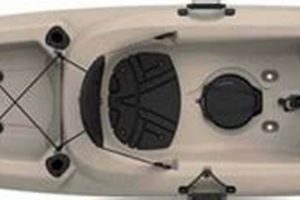
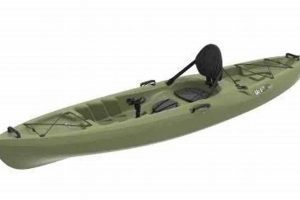
A publication dedicated to fishing from kayaks offers specialized content related to techniques, equipment, locations, and conservation practices relevant to this growing segment of the angling community. Readers might find articles on choosing the right kayak for fishing, reviews of fishing rods and reels suitable for kayak use, or features on specific destinations known for excellent kayak angling opportunities.
Such a resource provides valuable information for both novice and experienced anglers. It allows individuals to refine their skills, discover new products tailored to their needs, and explore diverse fishing locations. Historically, the growth of specialized publications like this reflects the increasing popularity and specialization within recreational fishing. This dedicated focus allows for in-depth coverage not typically found in broader fishing publications.
This focused perspective allows exploration of topics such as adapting fishing techniques to the unique challenges and advantages of a kayak platform, the evolution of specialized kayak fishing equipment, and the importance of responsible angling practices within this specific context.
Tips for Kayak Anglers
Proper preparation and technique are essential for a successful and enjoyable kayak fishing experience. The following tips offer valuable insights for anglers of all skill levels.
Tip 1: Prioritize Stability: Kayak stability is paramount. Choose a kayak designed for fishing, considering width and hull design for optimal balance. Practice entering and exiting the kayak in shallow water before venturing into deeper areas.
Tip 2: Plan and Organize Gear: Efficient gear organization is crucial in the limited space of a kayak. Utilize tackle boxes and storage solutions designed for kayaks, ensuring easy access to essential equipment while maintaining balance.
Tip 3: Master Paddle Strokes: Proficient paddling technique conserves energy and allows for precise maneuvering. Learn basic strokes like the forward stroke, reverse stroke, and sweep stroke for efficient navigation and positioning.
Tip 4: Understand Water Conditions: Be aware of weather forecasts, currents, and tides. Avoid fishing in conditions beyond one’s skill level. Always wear a personal flotation device and inform someone of fishing plans.
Tip 5: Practice Catch and Release Techniques: Proper handling and release techniques minimize stress on fish, promoting healthy fish populations. Use appropriate hooks and tools for efficient removal, minimizing handling time.
Tip 6: Respect the Environment: Minimize environmental impact by packing out all trash, avoiding disturbing sensitive habitats, and adhering to local fishing regulations. Responsible angling ensures the sustainability of the sport.
Tip 7: Choose Appropriate Anchoring Systems: Consider anchor types best suited for various bottom conditions and deploy them safely and effectively to maintain position while fishing.
By following these guidelines, anglers can enhance their safety, improve their fishing success, and contribute to the preservation of aquatic environments.
These practical tips offer a foundation for successful kayak angling, emphasizing the importance of preparedness and responsible fishing practices.
1. Targeted Readership

A publication focusing on kayak angling inherently attracts a specific audience: individuals interested in fishing from kayaks. This targeted readership forms the foundation upon which editorial decisions are made. Content relevance, product features, and advertising strategies directly correlate with the interests and needs of this niche group. A clear understanding of the target audience allows for efficient content creation and distribution, maximizing engagement and impact. For instance, articles focusing on bass fishing techniques from a kayak would resonate strongly with this readership, while articles on deep-sea fishing from larger vessels would likely hold less relevance. This targeted approach fosters a strong sense of community among readers who share a common passion.
The importance of a well-defined readership extends beyond content creation. It influences advertising strategies, partnerships, and overall publication direction. Advertisers benefit from reaching a highly receptive audience interested in products and services directly related to their hobby. This focused approach minimizes wasted advertising spend and maximizes return on investment. Understanding the demographics, geographic distribution, and purchasing habits of the target audience allows for data-driven decisions that enhance the publication’s sustainability and growth. For example, a kayak angler magazine might partner with manufacturers of kayak fishing accessories to offer exclusive deals to its readers, creating a mutually beneficial relationship.
In conclusion, a clearly defined target readership is essential for the success of a kayak angler magazine. It provides a framework for content development, advertising strategies, and overall publication direction. By understanding the needs, interests, and behaviors of this specific audience, the publication can deliver relevant content, attract appropriate advertisers, and foster a thriving community of engaged readers. This targeted approach ultimately ensures the publication’s long-term viability and relevance within the broader angling community.
2. Specialized Content

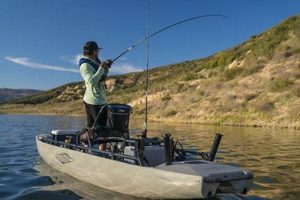
Specialized content forms the cornerstone of a successful kayak angler magazine. Differentiation from general fishing publications lies in this focused approach. Addressing the specific needs and interests of kayak anglers ensures relevance and fosters a dedicated readership. This specialization manifests in several key areas. Articles might delve into the nuances of fishing from a kayak, such as techniques for managing fishing rods and lines in a confined space or strategies for maintaining stability while casting and reeling. Detailed reviews of kayaks designed specifically for fishing, including assessments of stability, storage capacity, and accessory compatibility, offer invaluable guidance for potential buyers. Discussions of specialized equipment, like kayak fishing anchors, rod holders, and fish finders, cater directly to the unique requirements of this angling style. Such content directly addresses the practical challenges and opportunities unique to kayak fishing.
The practical significance of this specialized content is readily apparent. A kayak angler seeking information on the best methods for trolling from a kayak would find little value in a general article about trolling from a motorized boat. The specialized publication provides targeted information relevant to the angler’s specific needs. For example, an article comparing different types of drift socks and their effectiveness in controlling kayak drift while fishing provides actionable information directly applicable to the kayak angling experience. Similarly, a piece exploring the advantages and disadvantages of various pedal-powered kayaks versus paddle kayaks empowers readers to make informed purchasing decisions based on their individual fishing styles and preferences. This focus on practical application distinguishes specialized content from more generalized angling information.
In conclusion, specialized content distinguishes a kayak angler magazine from broader fishing publications. By focusing on the particular needs, challenges, and opportunities associated with fishing from a kayak, the publication provides valuable, actionable information that resonates with its target audience. This specialized approach fosters a strong sense of community among readers and establishes the publication as a trusted resource within the kayak angling community. The emphasis on practical application ensures that the content remains relevant and contributes directly to the reader’s enjoyment and success on the water.
3. Equipment Reviews

Equipment reviews constitute a critical component of a kayak angler magazine, providing readers with valuable insights into the latest gear and accessories. These reviews offer objective assessments of various products, enabling informed purchasing decisions tailored to the specific needs and preferences of kayak anglers. The reviews bridge the gap between manufacturers and consumers, offering practical information based on real-world testing and evaluation. This function plays a vital role in equipping anglers with the knowledge necessary to enhance their on-the-water experiences.
- Rods and Reels
Reviews of fishing rods and reels designed for kayak fishing consider factors such as length, action, and durability in the context of a kayak’s limited space. A review might compare a shorter, more maneuverable rod ideal for close-quarters casting from a kayak with a longer rod suitable for open-water techniques. The implications for the reader involve selecting appropriate gear optimized for kayak angling scenarios.
- Kayaks
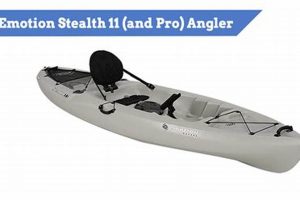
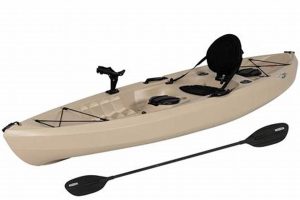
Kayak reviews analyze hull design, stability, storage options, and accessory compatibility. A review might contrast the stability of a wider, sit-on-top kayak with the maneuverability of a narrower, sit-inside model. This allows readers to select a kayak suited to their fishing style and water conditions, emphasizing stability and functionality in diverse environments.
- Paddles and Propulsion Systems
Reviews of paddles and propulsion systems evaluate efficiency, ergonomics, and durability. Comparisons might include traditional paddles, pedal-driven systems, and electric motors, highlighting advantages and disadvantages of each for specific fishing applications. Readers gain insights into optimizing propulsion choices based on factors like fishing location, target species, and personal preferences. This aids in selecting the most efficient and comfortable means of navigating the water.
- Fish Finders and Electronics
Reviews of fish finders and other electronic devices assess features such as sonar capabilities, GPS functionality, and screen resolution. A review might compare different transducer types and their effectiveness in various water conditions. This information empowers anglers to select electronics suited to their needs and budget, maximizing their ability to locate fish and navigate effectively.
Through comprehensive evaluation and comparison of these essential equipment categories, kayak angler magazines provide readers with the knowledge necessary to make informed purchasing decisions. This information directly contributes to enhanced fishing success and overall enjoyment on the water. By offering practical, real-world insights, these reviews equip anglers with the tools and understanding needed to optimize their kayak fishing experiences. This strengthens the publication’s value as a trusted resource within the kayak angling community.
4. Location Guides

Location guides constitute a significant component of kayak angler magazines, providing readers with valuable insights into promising fishing destinations. These guides serve as a crucial resource for anglers seeking new waters to explore or aiming to maximize their success in familiar territories. The inclusion of location guides directly addresses the needs of kayak anglers seeking to discover optimal fishing spots. These guides typically offer detailed information on access points, prevailing water conditions, prevalent fish species, and recommended fishing techniques tailored to the specific location. This targeted information enhances the likelihood of a successful and enjoyable fishing trip.
The practical value of location guides is exemplified through their ability to connect anglers with productive fishing areas. For instance, a location guide focusing on a particular river system might highlight areas with deeper pools known to hold larger fish, or identify sections with slower currents ideal for specific fishing techniques. A coastal location guide could pinpoint areas with rocky reefs or kelp forests that attract certain species. This detailed information empowers anglers to strategically plan their trips, increasing their chances of success. Furthermore, location guides can introduce anglers to new and exciting fishing destinations they might not have otherwise considered, expanding their angling horizons and adding to the overall enjoyment of the sport. They also frequently provide information on local regulations, licensing requirements, and conservation guidelines, promoting responsible angling practices.
In summary, location guides within kayak angler magazines play a crucial role in enhancing the angling experience. By providing targeted information about promising fishing destinations, these guides empower readers to explore new waters, maximize their success in familiar areas, and practice responsible angling. This practical resource directly contributes to the overall value and appeal of the publication within the kayak angling community, solidifying its position as a trusted source of information and inspiration. The emphasis on practical application underscores the publication’s commitment to equipping anglers with the knowledge and resources they need to thrive on the water.
5. Conservation Practices

Conservation practices represent a critical area of focus within kayak angler magazines, reflecting a growing awareness of environmental responsibility within the angling community. Integrating conservation principles into editorial content and promoting sustainable fishing practices reinforces the publication’s commitment to preserving aquatic ecosystems. This focus aligns with the long-term interests of kayak anglers, ensuring the health and vitality of the fisheries they depend on. By highlighting conservation efforts, these publications contribute to a broader movement toward responsible angling and environmental stewardship. This dedication to conservation strengthens the publication’s credibility and fosters a sense of shared responsibility among its readership.
- Catch and Release Techniques
Promoting proper catch and release techniques minimizes the impact of angling on fish populations. Articles might detail appropriate handling methods, the use of barbless hooks, and the importance of minimizing air exposure for released fish. This emphasis on conservation-minded fishing practices ensures the sustainability of the sport and the well-being of aquatic ecosystems. Practical examples might include illustrating the proper way to remove a hook from a fish’s mouth or demonstrating the use of a landing net to minimize stress during handling.
- Habitat Preservation
Protecting and restoring fish habitats is essential for maintaining healthy fisheries. Articles might discuss the importance of riparian buffers, the negative impacts of pollution, and the role of anglers in preventing habitat degradation. This focus on habitat preservation underscores the interconnectedness between healthy ecosystems and sustainable fishing practices. Examples could include advocating for responsible anchoring practices to avoid damaging sensitive underwater vegetation or promoting the use of biodegradable fishing line to prevent entanglement hazards for wildlife.
- Invasive Species Awareness
Raising awareness about invasive species and their impact on native fish populations is crucial for effective conservation efforts. Articles might educate readers on how to identify invasive species, prevent their spread, and report sightings to relevant authorities. This proactive approach to invasive species management helps protect the biodiversity of aquatic ecosystems. Practical examples might include providing clear descriptions and images of common invasive species found in specific regions or outlining steps to decontaminate fishing gear to prevent the unintentional spread of invasive plants or animals.
- Responsible Waste Disposal
Proper waste disposal is fundamental to minimizing the impact of angling on aquatic environments. Articles might emphasize the importance of packing out all trash, including fishing line and discarded tackle, and promoting the use of reusable containers and water bottles. This focus on responsible waste disposal reinforces the angler’s role in maintaining clean and healthy waterways. Practical examples might include illustrating the proper disposal of used fishing line in designated receptacles or promoting the use of reusable tackle boxes to reduce plastic waste.
By consistently highlighting these and other conservation practices, kayak angler magazines contribute significantly to promoting environmental stewardship within the angling community. This focus on conservation not only benefits aquatic ecosystems but also enhances the long-term sustainability of the sport itself. The integration of conservation principles into editorial content strengthens the publication’s credibility and fosters a sense of shared responsibility among readers, creating a community of anglers dedicated to preserving the natural resources they cherish. This commitment to conservation aligns seamlessly with the core values of the kayak angling community, ensuring the future enjoyment of the sport for generations to come.
6. Community Building
Community building represents a significant function of a kayak angler magazine, fostering a sense of connection among individuals who share a passion for fishing from kayaks. This sense of community enhances reader engagement and loyalty, transforming the publication from a mere source of information into a hub for shared experiences and mutual support. Cultivating this sense of belonging strengthens the publication’s position within the broader angling community and contributes to its long-term sustainability. The following facets illustrate how a kayak angler magazine contributes to community building.
- Shared Passion
A kayak angler magazine provides a platform for individuals to connect over their shared enthusiasm for fishing from kayaks. This shared passion forms the foundation of a community, creating a sense of belonging and camaraderie among readers. For example, articles featuring reader-submitted photos of their kayak fishing adventures foster a sense of shared experience and encourage participation. This shared passion cultivates a sense of identity within the broader angling community, uniting individuals through their common interest.
- Knowledge Sharing
Facilitating the exchange of knowledge and experience strengthens the community. Readers can learn from each other through forums, online communities, and reader-submitted tips and techniques published within the magazine. For example, a reader might share a successful technique for rigging a specific lure for kayak fishing, benefiting other anglers facing similar challenges. This exchange of practical knowledge enhances the overall fishing experience for the entire community and fosters a collaborative learning environment.
- Organized Events
A kayak angler magazine can play a pivotal role in organizing and promoting events that bring kayak anglers together. These events might include fishing tournaments, organized trips to specific destinations, or educational workshops focused on kayak fishing techniques and safety procedures. Such events provide opportunities for face-to-face interaction, strengthening the bonds within the community and creating lasting memories. The magazine serves as a central point of contact and coordination, facilitating participation and promoting a sense of shared purpose.
- Conservation Advocacy
By promoting conservation awareness and encouraging responsible angling practices, a kayak angler magazine can unite its readership around a common cause. This shared commitment to environmental stewardship fosters a sense of responsibility within the community, encouraging members to actively participate in conservation efforts. For instance, the magazine might organize volunteer events focused on cleaning up local waterways or advocate for policies that protect fish habitats. This shared commitment to conservation strengthens the community’s identity and reinforces its positive impact on the environment.
By facilitating these various forms of community building, a kayak angler magazine becomes more than just a publication; it evolves into a vital hub for connection, knowledge sharing, and collective action within the kayak angling community. This sense of community strengthens the publication’s position within the broader angling world and ensures its continued relevance and value for its readers. The emphasis on shared passion, knowledge exchange, organized events, and conservation advocacy solidifies the magazine’s role as a unifying force within the kayak angling community, fostering a thriving and engaged readership.
Frequently Asked Questions
This section addresses common inquiries regarding kayak angling, providing concise and informative responses to assist both novice and experienced anglers.
Question 1: What are the primary advantages of fishing from a kayak?
Kayak fishing offers unparalleled access to shallow waters and secluded areas often inaccessible to larger boats. This advantage allows anglers to target specific species and explore diverse fishing environments. The quiet nature of kayaks minimizes disturbance to fish, enhancing fishing success. Kayaks also provide a cost-effective and environmentally friendly alternative to motorized boats.
Question 2: How does one choose the right kayak for fishing?
Selecting a fishing kayak requires consideration of several factors, including stability, storage capacity, and intended use. Sit-on-top kayaks offer enhanced stability and ease of entry/exit, while sit-inside kayaks provide better protection from the elements. Anglers should consider the type of water they will be fishing in (calm lakes vs. moving rivers or coastal areas) and the amount of gear they plan to carry.
Question 3: What essential safety precautions should kayak anglers observe?
Wearing a personal flotation device (PFD) is paramount. Informing someone of fishing plans, including location and expected return time, is crucial. Checking weather forecasts and understanding water conditions before embarking on a fishing trip is essential. Carrying a whistle, signaling device, and basic first-aid kit enhances safety preparedness.
Question 4: What specialized gear is recommended for kayak fishing?
Essential kayak fishing gear includes a fishing rod and reel appropriate for the target species, a selection of lures or bait, a landing net, pliers, and a tackle box or storage system designed for kayak use. Additional accessories such as rod holders, anchor systems, and fish finders enhance the fishing experience. Choosing gear specifically designed for kayak fishing maximizes efficiency and enjoyment on the water.
Question 5: How do catch and release practices contribute to conservation?
Proper catch and release techniques minimize stress and injury to fish, promoting healthy fish populations and sustainable fisheries. Using barbless hooks, handling fish gently with wet hands, and minimizing air exposure contribute to successful catch and release. Promptly returning fish to the water minimizes their time out of their natural environment. This careful approach ensures the long-term health and vitality of fish populations.
Question 6: How can anglers minimize their environmental impact?
Practicing Leave No Trace principles minimizes the impact of angling on aquatic ecosystems. Packing out all trash, including fishing line and discarded tackle, is essential. Avoiding disturbing sensitive habitats, such as nesting areas or spawning grounds, protects critical wildlife areas. Adhering to local fishing regulations and respecting catch limits ensures the sustainability of fish populations and the overall health of the aquatic environment.
Understanding these fundamental aspects of kayak angling promotes safe, enjoyable, and environmentally responsible fishing practices. This knowledge enhances the overall angling experience and contributes to the preservation of aquatic resources.
This comprehensive overview provides a foundation for informed decision-making and responsible angling practices within the kayak fishing community. Subsequent sections will delve deeper into specific aspects of kayak angling, offering further insights and practical guidance for anglers of all skill levels.
Conclusion
This exploration has provided a comprehensive overview of the multifaceted nature of a publication dedicated to kayak angling. Key aspects such as specialized content, equipment reviews, location guides, and conservation practices have been examined, highlighting their significance in delivering value to the angling community. The role of such a publication in fostering community building and promoting responsible angling has also been underscored. The analysis demonstrates the crucial role these publications play in informing, equipping, and connecting kayak anglers, fostering a vibrant and sustainable community.
The continued growth and evolution of kayak angling necessitate readily accessible resources for both novice and experienced anglers. Publications dedicated to this pursuit offer a crucial platform for knowledge sharing, community building, and the promotion of conservation principles. As kayak angling gains popularity, the importance of responsible practices and environmental stewardship becomes increasingly paramount. Dedicated publications serve as vital instruments in promoting these values, ensuring the long-term health of fisheries and the sustainability of the sport. By embracing innovation and adapting to the evolving needs of the kayak angling community, these publications will continue to play a crucial role in shaping the future of this dynamic and engaging pursuit.